Author: hello@ve.digital

  • 3 Practical Tips on Writing A Great Headline

    3 Practical Tips on Writing A Great Headline

    3 Practical Tips on Writing A Great Headline

    If you are a content creator of any kind and you make blog posts, create YouTube videos, write kindle ebooks, or an online instructor, you need great headlines. But coming up with ones that are going to seize your audience’s attention can be a little challenging. In this post, we are going to talk about three formulas that are proven and tested on writing a great headline.

    Why These Formulas Work Writing A Great Headline

    The most basic reason why these formulas work is because they are based on a deep understanding of how a human brain works. Based on evolution, the human brain has developed into a solution-seeking device. From the dawn of humanity, people have to solve problems – may that be on how to hunt, how to build a fire, or how to defend themselves from predators to survive.

    Over the years, all of these things have made the brain solution-oriented, and this hasn’t changed until today. Although we have different problems today, we are still constantly trying to find solutions for them. This is the first factor that you should keep in mind when writing a great headline.

    The second factor is the most common word used every day. It’s not “love”, it’s not “money”. It’s the word “I”. Most often, when we’re not preoccupied with major problems, we think of and about ourselves. What will I eat? Where should I go for vacation? What should I wear? The list goes one. This does not make people good or bad, but thinking in this perspective can help you write good headlines.

    By keeping the reader’s needs, problems, and desires in mind, they will definitely want to hear you out because you are basically saying, “Hey, I know and understand how you feel. Let’s talk about your problems, I’m here to help”. Just a word of caution though, be careful when using those “how to get rich doing nothing” slogans. You can get in trouble if you are promising something that’s subjected to a lot of different factors, and it can sound very scam-y.

    To sum things up, keep these two factors in mind:

    • The human brain is seeking solutions
    • Always think about the reader’s benefits

    You’ll be on a fast track to writing mind-blowing headlines and making people want what you are offering.


    Formula #1: The “How-to”

    In writing a good headline, one of the easiest ways is by using the good old phrase “How-To”. This might be overused but it works. It works because it sparks up the reader’s attention and the solution-seeking function of our brains. 

    Example 1: Traveling to Thailand

    Assume that we are writing a blog post about traveling to Thailand. Instead of writing “Traveling to Thailand”, use the how-to formula and it will give you “How to Travel to Thailand”. With the latter, we are getting more specific. We’re targeting people who want to travel to Thailand, but we can do even better than that. We can be more specific.

    Keep in mind that catering to our reader’s needs and problems are our priority. The headlines we make should be able to address those needs and problems and show how to fix them.

    In this case, we can get specific by writing “How to Get to Thailand on a Bike”. Now, we are addressing people who are worldwide traveling bike riders, or we could write “How to Get to Thailand Without Spending a Dime”. Here we are addressing people who have no money to get to Thailand. This last example takes us to something called Objection Killing.

    Objection Killing

    Objection Killing is a useful technique when writing a good headline that grabs attention. By killing people’s objections, we are making them extremely interested in the solution that we are offering. In the example above, the objection killing for the bike riders could look like this: How to Get to Thailand on a Bike in Less Than a Week or How to Get to Thailand on a Bike Without Having a Flat Tire.

    We are addressing the most common problems and objections bike riders can have if they want to Travel to Thailand. Writing A Great Headline

    Assuming that you know your target audience and have already done your research, you already know what their most common objections are. 


    Writing A Great Headline


    Example 2: Making Your Kids Eat Vegetable

    Let’s assume that we are passionate cooks who promote healthy eating and have come up with a sure-fire way of encouraging children to eat veggies. A headline like “How to Make Kids Eat Vegetables” is the most obvious one. But if you want to add some objection killing in it, make it “How to Make Your Kids Eat Vegetable With a Smile” or “How to Make Your Kids Ask You to Cook Vegetable for Them”.

    We are addressing the parent’s objections who are most probably tired of trying to make their kids eat vegetables, so there you go. Writing a great headline

    That is how you use the How-To formulas to write great headlines. Remember to keep the audience’s benefits in mind, make it as specific as you can, and kill some objections along the way. With this, your headline will surely grab the reader’s attention. Writing a great headline

    Formula #2: The Power of the List

    We are living in a time when sharing content is a must for businesses to get noticed. So if you want your content to get shares on Facebook and/or Twitter, a list type of headline is a good fit for you.

    Lists have been popular today and it’s pretty obvious why. We have less and less time to do more and more things. Lists give out easy-to-digest bite-sized chunks of information and it gives the readers an exact idea of what to expect. 

    Examples: 

    • 10 Ways to Travel to Thailand Without Spending a Dime
    • 7 Easy Steps to Make Dieting Easy (No. 5 is particularly effective)

    You can see the power of the list right away. One glance allows you to understand what you can expect inside, and if you add some objection killing, you get yourself a click and a Facebook share.

    Does the size of the list matter?

    There may be one more question you are asking now. Does the size of the list matter? How many steps or ways or tricks does a list need? 

    The most common amount of things on the list you can see on your Facebook wall if you like profiles like Psychology Today and Business Insider is seven. Many consider this to be a lucky number, but it’s also not too long a list, or too short.

    It’s comprehensive and easy to digest. Of course, it’s not mandatory to make all your lists in sevens, but studies show that lists that are odd numbers not greater than nine are easier for readers to remember. If the list exceeds nine steps, try to end it with a five or a zero. So it should be 10, 15, or 25, instead of 11, 17, or 26.

    You can also use a top list, e.g. Top 3 or Top 10 ways of something. But remember that a list of top 9 or 6 won’t look too plausible, it will look like you just made it up and made it a top list. Writing A Great Headline

    The list is the second headline formula and it’s useful when you’re after those Facebook likes and shares. 

    More examples: 

    • 7 Easy Ways of Making your Kids Ask you to Cook Spinach for Them
    • 5 Tricks to Learn a New Skill When You are Stuck in Traffic
    • 5 Ways to Sleep Healthy, Longer and Wake Up Refreshed

    Writing A Great Headline Just remember to make it an odd number if it’s not greater than 9, and seven is the best. Round the list to zero or five if it has more than ten items, and you can always use the top list if you need some variety.  

    Formula #3: Question Headlines

    The question headline is an answer to people’s need to find a solution and a promise to reveal it after they click. 

    Put yourself in your customer’s shoes. Picture yourself starting up Google and looking for an answer to a question your customer might have. What kind of information would they be looking for? How would they ask it? What keywords would they use? With a question headline, you can use one of these two tactics. Writing a great headline

    Tactic #1: Ask a Yes or No question and give an answer straight away or phrase the question so the reader must click to get the answer. 

    Examples: 

    • Are you paying too much for tennis lessons? This free report will tell you.
    • Can you hit home runs like this 7-year old?

    The reader, most probably a baseball enthusiast, would have to take a look inside to actually find out if there is a seven-year-old who can hit home runs better than he can.

    Tactic #2: Ask a question that implies the answer or the benefits. It’s as easy as using words like “this”, “these” or even “which”.

    Examples:

    • Are you make these mistakes planting a garden?
    • What makes a perfect gentleman?
    • Which latest gadget is the most affordable?

    Question headlines can be really powerful if you are asking the right questions. Just remember to get into your audience’s mind and think about what questions they might ask. Also, think about what keywords they might use to find the answer. And don’t forget to phrase the question in a way that would make a promise of solving a problem if the reader clicks on the headline.

    How to Evaluate Your Headlines

    If you are just starting out, most probably you’re not sure whether your headline is good. So, how can we check the potential effectiveness of our headlines?

    Two online sources can help in evaluating your headlines. The first one is the Emotional and Marketing Value Headline Analyzer. It’s a free tool you can find on the Advanced Marketing Institute website. This tool counts the total number of EMV words in your headline in relation to the total number of words it contains. Copy your headline and paste it on the analyzer window and click the Submit for Analysis button to get your results.

    The higher the number the better, but if you can score something around 30%, that is already good enough.

    The second headline analyzing tool is more of an in-depth study of your headline. It’s called the blog post headline analyzer that you are gonna find on the CoSchedule.com site. All you need to do is to paste in your headline and let the analysis begin.

    It will give you a detailed evaluation of your headline in terms of word count and balance. It will give you lots of useful data that you can use to spruce up your headline. And if you can see the green color, that already means your headline is good to go.

    These are the two easiest ways of evaluating your headlines. Remember to practice all the formulas you learned in this post and check which version gives you the best results. 

    Now that you have learned the three formulas for writing a good headline, it’s time you put what you’ve learned into action. You can try to mix these formulas together to see if you can get even better results. Keep on practicing because this is the only what that will make you into a real headline superstar. Writing A Great Headline.


  • 7 Websites to Look for Unique and Free Fonts for your Brand

    7 Websites to Look for Unique and Free Fonts for your Brand


    7 Websites to Look for Unique and Free Fonts for your Brand

    Typography has a big role in design. From product packaging, website design, mobile apps, and more, the font you use plays a huge role in making your designs attractive and inviting. Today, we will be talking about the best places to get unique and free fonts to take your content and graphic designs to the next level.

    The Importance of Typography

    1. Comprehension

    A person’s process of understanding and comprehension can be highly affected by the type of font used. 

    2. Focus

    A well-formatted copy will grab the reader’s attention and will keep it on the content.

    3. Hierarchy

    Typography can help make the most important elements in a piece of content stand out. Ex. Highlight the benefits or product features by using bullet points.

    With great typography, your content will be easy to read and will be able to show what your brand is about. This will help drive traffic and increase conversions.

    Here are 7 websites you can visit to look for unique and free fonts for your brand.

    7 Websites to Look for Unique and Free Fonts for your Brand

    DaFont

    Dafont is a popular platform where you can find thousands of free fonts. The majority of the fonts here only support personal use, but there are plenty that comes with commercial licenses as well. The category system of this website makes it stand out as it lets you browse its collection of fonts based on different themes, which makes it easier for you to quickly find the fonts you need for different types of projects.

    Google Fonts

    Google fonts have a large collection of web-ready fonts. Offering more than 900 different font families, Google fonts is the place to find and customize free fonts. 

    The best thing about this site is its font preview tool. When you find the font that you like, you can type in your content and generate a preview to see what your copy looks like in that font. You can select how you want to display your content, whether in paragraph or sentence form. You can also customize the font’s pixel size. This is a recommended site to check out for high-quality resources of free fonts. 

    Creative Market

    This website puts a spin on the free fonts marketplace. They offer free fonts, but these fonts change every week. By signing up, you can download their featured fonts and graphics for the week – free of cost. About 23,000 designers are contributing to their platform, and six different freebies are offered each week, and they are wonderful.

    What’s great about Creative Market is that you can avail of these featured fonts free of charge which would normally cost a fee on normal days. Be quick, though, because when Sunday comes, the free stuff won’t be available anymore, and you’ll miss out on those great things. 


    fonts

    There’s a large collection of free fonts on Befonts that are submitted by professional designers all over the world. The downside is that majority of the fonts on the site are free samples of premium fonts, meaning they include fewer font weights, and you can only use the fonts on your personal projects. Despite this, the high-quality fonts on the site are worth checking out.

    FontSpace

    Fontspace has over 72,000 fonts from over 2,000 designers, and all are legally licensed and ready for you to download for free. You can use FontSpace to find plenty of beautiful, unique and free fonts for your personal and commercial projects. And what’s great here is that it is clearly stated if a font is for commercial use or personal use only. 

    If you become a member of the site, you can create a personal favorites collection to easily access your favorite fonts. You can also contact the designers and even donate to them if you like.

    1001 Fonts

    Contrary to its name, 1001 Fonts contain more than 9,000 fonts, and this site features a collection of high-quality fonts that are often updated. And many of these fonts are available for commercial use. You can browse different fonts according to style, size, and even font weight.

    Graphic Design Freebies

    This is another site that features a wide selection of freebies – including illustrations, templates, mockups, and fonts. It has a section of free fonts with hundreds of modern and stylish fonts for free. Most fonts on this site are for personal use only, but there are a few that are for commercial use as well.

    Your fonts are important and you don’t have to spend money getting great ones because there are a plethora of resources online where you can get free ones. If you are looking for unique and free fonts, definitely check out the websites listed above. 

  • 3 Good Ways Shopping Made Easier on Facebook!

    3 Good Ways Shopping Made Easier on Facebook!

    Shopping Made Easier on Facebook!

    Because of the COVID-19 Pandemic, many (if not most) of the people had gone online to give their consumerist selves the satisfaction of retail therapy. With the restrictions of not being able to go out like we were all used to, people had contented themselves by purchasing their wants and needs online. The good thing is, shopping is made easier on Facebook!

    As a business, the pandemic may have hindered and forced you to lie low, furlough, or worse, shut down your livelihood. Fortunately, we now live in a modern era and the internet has been made powerful enough to keep these businesses afloat if you just know how to use it.

    Facebook, a social networking site that only used to be a means for people to connect and interact with each other, has evolved throughout the years. Now, it is one of the most powerful tools for start-ups and entrepreneurs to introduce their business, build brand awareness, and generate leads.

    With Facebook’s dive into having new e-commerce features, there are some considerations that you need to adhere to to make your customers’ purchasing journey a breeze. Is your shop mobile friendly? Do you accept a wide range of payment methods? How fast does your website load? What are your refund and return policy? All of these are elaborated on in the link below.

    5 Considerations to Make Shopping Online Easier for Your Customers

    3 Good Ways Shopping Made Easier on Facebook!


    More Facebook-related posts here.

  • 7 Best Personal Development Apps You’d Never Thought You Needed

    7 Best Personal Development Apps You’d Never Thought You Needed


    7 Best Personal Development Apps You’d Never Thought You Needed

    In our world today, there is just about anything for everything. If you are looking for personal development apps to help you in your daily life, you’d be surprised that there’s a range of great ones you might love! Whether you are looking for an app that will help you with your career, relationship advice, time management, focus on your hobby, or help you relax and destress, there are personal development apps that are made for you. Here are some favorites: Personal Development Apps

    Elevate – Brain Training Personal Development Apps

    If you are looking for a fun way to challenge yourself and keep your mind sharp, this brain training app is a must-have. With Elevate, you can improve your reading, writing, speaking, and mathematics capabilities. In collaboration with experts in the field of neuroscience and cognitive learning, Elevate has over 35 games that will improve critical skills like memory, processing, focus, precision, and comprehension. This app greatly helps you in honing your listening, writing, reading, and speaking skills with games that focus on reading comprehension, improving and building vocabulary, and spotting grammatical errors. It also has mathematical games that will help you think fast improving your arithmetic thinking. Personal Development Apps

    Aside from cognitive games, Elevate offers detailed performance tracking, personalized daily training, and other features. The app is free to download but the free feature is limited to only three games a day. To experience the full features of the app, there is a modest price of only $4.99/month or $39.99/year that you can avail to enjoy the many benefits that come from improved life skills.

    7 Best Personal Development Apps You'd Never Thought You Needed

    Forest – Stay Focused Personal Development Apps

    Personal Development Apps. What makes this app unique among others is it offers an innovative solution for staying focused and productive in the present moment. Our world has become a series of infinite distractions and this helpful app can be a great help to battle this issue. Based on the Pomodoro Technique, which is a time management strategy, Forest is a very simple app that you can use every day to avoid picking up your phone and mindlessly scrolling through it. By setting up a timer, you will be able to put down your phone and concentrate on the tasks at hand.

    Furthermore, to make it more interactive with its users, the Forest app employs a gaming concept of allowing users to grow their virtual forest by spending time being productive in the real world. The coolest factor of Forest is that it allows users to use virtual reward coins to plant real-life trees in underdeveloped countries via partnerships with environmental non-profit organizations at a one-time cost of $1.99. Don’t you just love it when you find a useful app that allows you to be productive and, at the same time, help mother earth? Coz I do!

    Evernote

    If you love staying organized as I do, this app will be your new favorite! With notes and to-do lists, Evernote has been a life-saver with its multiple notebooks for both personal and business use. And the most useful feature it has is the auto-synchronization feature which you can install on your phone and pc.

    Are you out in public when a brilliant idea suddenly struck you? Evernote is a handy app for recording photos, audio, or written notes on your phone that you can take anywhere. No wifi? No problem, it will still be functional and will automatically sync through all your devices once you are connected to the internet again.

    I’ve tried other note-taking apps, but I never found a better one than Evernote. It’s an easy-to-use, clean, and organized app that works wonders!


    Fabulous – Daily Self Care

    With a 4.6 star rating on iTunes and over 30,000 reviews, Fabulous is considered one of the most powerful personal development apps available today. Developed in Duke’s Behavioral Economics Lab, Fabulous has a great visually stimulating interface that’s easy to use and will help you build healthy habits and rituals into your life. The easy-to-use interface of the app and the daily interactions make the process changing as well as habit-building an enjoyable process. You can also add personalized one-on-one coaching and a plethora of exercises are available with a premium account that promotes personal transformations. With the cost of $9.99/month or $95.99/year, Fabulous a great option to use to improve health, happiness, and success across every facet of your life.

    Youper

    One of the things that make most people not do anything is not the lack of motivation but the anxiety they feel because of a certain situation. Not to mention that depression and anxiety amidst the pandemic is not a joke. We are all just trying to cope and survive in everyday life. Your is a mindfulness app that generates a pocket AI therapist that is always there to talk. This app helps protect your emotional health by tracking and analyzing your moods daily, calming your mind to help you sleep faster, making you feel more balanced and focused, and also helping you understand yourself better. This app is free to download with in-app purchases to avail of the premium features.

    Duolingo

    If you want to learn a new language, I highly recommend Duolingo. It’s a free app that has a variety of language lessons such as French, Spanish, Korean, Arabic, Italian, and many more. The app’s interface is interactive and very user-friendly that making the learning process a breeze. Each lesson only takes 5-10 minutes depending on your pacing. You can determine how many lessons to partake in every day and you can track your progress in the app. This app is available on both Android and iOs devices, and it is also available on the web.

    Goodreads Personal Development Apps

    If you are looking to start reading or even just read more, having the Goodreads app will prove helpful in your journey. It’s the perfect companion for tracking your reading progress. Join in a community and be inspired by fellow readers and their wide selection of books to read. Goodreads allows you to interact with other readers, find book reviews, join in the yearly reading challenge, add books to your virtual bookshelves, and also rate and review the books you’ve read. It’s one of my favorite apps on my phone!


  • Why Blog for your Business? 4 Best Ideas

    Why Blog for your Business? 4 Best Ideas

    Why Blog for your Business? 4 Best Ideas

    Blogging is not something new today, it’s been known for the past few years. A blog can be valuable for a couple of reasons, especially for businesses. But why blog, though? Business blogging is a marketing strategy wherein blogging is used to get more online visibility for a business. Just like social media and email marketing, a business blog is a marketing channel that will help support the growth of your business. 

    If you own a business and you’ve already set up your website but you’re still having second thoughts about making a blog for it, here are a few reasons why you should.

    Blogging drives traffic to your website.

    If you want more people to visit your website, blogging will be a great help to achieve this goal. Having a blog enables you to reach up to millions of people who frequent the internet. Blogging will help you promote your business and attract audiences outside your reach because it provides valuable things for them.

    How many pages do you have on your website? Do you often update them? I don’t think so. Now, by having a blog, you will be creating new content that will add one more indexed page on your website every time you publish one. This is one more opportunity for your website to appear in search engines and drive traffic to your website by organic search. Having a blog will let Google and other search engines know that your website is active and this will help your content show up in their pages.

    By having a blog, social media can also help to have your business discovered. Every blog post you publish, you will be creating new content that your audience can share on their networks. This will help expose your business to a new audience that you haven’t yet reached.

    Another benefit of having constant blog content is it can help your social networks going. Your blog content can serve as content for your social media as well. This will strengthen your social reach with content from your blog which in turn will drive back traffic to your website with the help of your social media. 

    So, why blog, you ask? One benefit is it can help drive more traffic to your website.

    Business blogs can help convert traffic to leads.

    With what’s said above, blogging can drive traffic to your website. Now that you have traffic, another benefit of having a blog is having the opportunity to convert this traffic into leads. Each post is an opportunity to generate new leads. How? By adding call-to-action in every blog you post to generate leads.

    Usually, these calls-to-action give out certain things for free like ebooks, fact sheets, templates, webinars, and the like. It’s basically anything that someone would be willing to exchange their information with. 

    Not clear about how this works? It’s basically like this:

    • A visitor comes to your website
    • The visitor sees the call-to-action with a free offer and clicks it
    • The visitor is led to a landing page with a form to fill in with their details
    • The visitor fills out the form, submits it, and gets their free offer

    There’s a disclaimer in this one, though. Not every reader of your blog will become a lead, and that’s okay. Don’t be discouraged and just do your best to improve each month by setting a benchmark for yourself.

    Why Blog for your Business? 4 Best Ideas

    Having a blog helps establish authority.

    Your blog can showcase your knowledge and expertise about your industry and it will help establish your authority in it. Having a wide array of blog posts that are significant, informative, and accurate will get the attention of relevant people in the same industry and will earn you recognition for being a reliable source.

    The best business blogs help answer the most common questions that their customers have. If you start a blog and be consistent in producing quality content, you will be established as an authority in your field. When you establish authority, people will keep coming back to your website to get help for their problems. Aside from this, having relevant content will make people share it with their platforms as well. 


    Blogging builds rapport and engagement.

    Aside from establishing authority, having your own blogsite will build your business rapport and engagement with your audience. Blogging can warm up your cold emails and calls. If someone receives any of the two and they have read your blog, they will be more responsive to it, especially when your content was relevant to them.


    It’s not too late, start your business blog today! As the internet and technology evolve each day and become more and more integrated into our daily lives, there’s no better time than now to start doing more for your business. The benefits of having a blog on your website are undeniable and are impossible to ignore. And unlike the earlier years, making a blog has become a breeze in today’s age. You don’t have to be an IT or need a computer science degree to make one. You just need trusty software like WordPress.org and follow a simple “how to make a blog” guide to get you started. 

  • VE Digital bags the Gold Award for Website Design for Small Businesses at the 16th Annual Davey Awards

    VE Digital bags the Gold Award for Website Design for Small Businesses at the 16th Annual Davey Awards

    VE Digital bags the Gold Award for Website Design for Small Businesses at the 16th Annual Davey Awards

    The Academy of Interactive and Visual Arts named VE Digital the winner of the Gold Award for Website Design for Small Businesses at the 16th Annual Davey Awards. With nearly 2,000 entries from across the U.S. and from around the world, the Davey Awards honors the finest creative work from the best small shops, firms, and companies worldwide. Entries are judged to evaluate distinction in creative work.

    In determining Gold and Silver winners, entries are judged on their merits based on a standard of excellence as determined by the AIVA, considering the category entered.

    The Daveys are judged and overseen by the Academy of Interactive and Visual Arts (AIVA), an invitation-only member-based organization of leading professionals from various disciplines of the visual arts dedicated to embracing progress and the evolving nature of traditional and interactive media.

    The Davey Awards exclusively honor the “Davids” of creativity, the finest small shops, firms, agencies, and companies worldwide.

    David defeated the giant Goliath with a big idea and a little rock – the sort of thing small agencies do each year. The annual International Davey Awards honors the achievements of the “Creative Davids”, who derive their strength from big ideas rather than big budgets.

    The Davey Awards is the leading awards competition specifically for smaller agencies as they compete with their peers to win the recognition they deserve.
    Please visit http://www.daveyawards.com for more information.


    “This award just exemplifies the commitment that we can give to our clients and we will continue to go above and beyond the industry standard. 2020 was a rough year for all of us, but there is always a light at the end of the tunnel,” says Eddie Vo, founder, and CEO of VE Digital.

    Eddie Vo started his company in 2017 when it was just a web development company. As demand continue to grow, he expanded his services to cover other areas of digital marketing.

    About VE Digital: VE Digital is a digital and video marketing agency based in Boston, MA that specializes in web and graphic design, photography, videography, and digital marketing strategies for medium to large enterprises. As a medium for maximum brand awareness, VE Digital uses traditional video and virtual reality technology.

    With the company’s creativity and innovation, this gold award is truly well deserved.

    Please visit https://ve.digital for more information.

  • 5 Common Social Media Mistakes and How To Avoid Them

    5 Common Social Media Mistakes and How To Avoid Them

    5 Common Social Media Mistakes and How To Avoid Them

    Previously, we have posted an article about 9 Things You Should Never Do On Social Media. In an effort to give you updated content, we gathered the top three common social media mistakes that people make when writing for each platform and how you can avoid them.

    It does not take an expert to miss these mistakes but the ones that we are going to list are the most overlooked ones. Here we go.


    Not Checking The Spelling

    When it comes to social media, the writing style is more casual compared to other channels. We’ve tackled in the previous articles how you can get away with using abbreviations and breaking a few traditional grammar rules. However, nothing is worse than having confusing and funny typos in your copy to interfere with the message you are trying to relay. The unfortunate thing on social media is that if these mistakes are overlooked, these mistakes can be shared by thousands of people and you can’t have any way of taking them back.

    The easiest fix here is to have proper proofreading. Here are three top tips for proofreading your social media copy:

    • Check usernames and hashtags – these are where errors most likely occur because spellcheckers can’t check them. So before clicking that post button, click on them, check the link to whatever you’re expecting them to go, and give them a final once-over before hitting the publish button.
    • Get a second opinion – if you use a scheduling tool to plan a lot of your posts ahead of time, set up a process whereby each post is checked and signed off by another member of your team. This can be a little time-consuming but it can save you a lot of stress in the long run by avoiding typos of any kind.
    • Use Hemingway or Grammarly – for picking up good old-fashioned spelling mistakes, I recommend using either of these tools. They are both free and very easy to use. For Hemingway, you only have to open a tab on your browser and quickly copy and paste your posts in for a quick check. You can do the same for Grammarly or you can install the Grammarly Chrome Extension and give it access to your google docs or anywhere you’re writing and it will automatically check your spelling and grammar. I love the latter more and I use it for pretty much everything I write. But both are really great because they go beyond spelling as both apps also check your grammar more generally. And it gives you tips to make your writing clearer and more concise. 

    Common Social Media Mistakes


    Cross-Posting

    Another common social media mistake is cross-posting. This is when you share exactly the same post on different social media platforms – word for word. And it’s always tempting to do this to save time while at the same time keep all your accounts active. But this is a terrible idea. In the long run, it can potentially devalue your brand.

    From our previous copywriting articles, you’d know that there are different elements like the audience, the caption length, and the vocabulary used in every platform. When you share the exact same post on all of your platforms, you might accidentally end up inviting your followers on Facebook to ‘retweet’ you, or you could lose half of your caption or tag a handle from one platform that does not exist on another. Moreover, cross-posting is just so obvious and your followers might assume that you don’t care, or worst, your post can even look spammy.

    Always craft different variations of your posts for different platforms, and this does not need to be time-consuming. Be aware of where you are posting and clarify your message, audiences, brand voice, and call-to-action. Use the information found in our previous articles to write your Twitter posts – keeping them short and sweet. Then from this original copy, tweak your wordings that will give the same message for your other channels, taking into account the differences in captions length, hashtags, and more. In most cases, 90% of your post copy will remain the same, so you don’t really have to start from scratch.

    Emojis ????????????????

    They’re all over social media. I bet all of your followers are using them, and if you are too, then you’re cool! Emojis add color and fun to your posts. You smile at your customers in person, right? So why not smile at them online? For some product and services though, the usage of emojis are less appropriate. But if you’re writing them off for no good reason, you’re missing a trick. 

    Incorporating emojis can work as an extension of tweaking your language to match the more casual, informal language your audience is using. In the end, whether and how you use emojis comes down to your brand voice and consistency. As always, audience focus is key. 


    Now, you’ve learned practical, actionable steps. Put these things into work straight away to improve your copy and make it more concise, persuasive, attention-grabbing, and engaging. 

  • 12 Best Driving More Traffic Into Your Website or Blog

    12 Best Driving More Traffic Into Your Website or Blog

    12 Best Driving More Traffic Into Your Website or Blog

    All marketers and business owners have the same goal for their businesses, and that is to have more customers. In our technology-driven world today, we have become more present digitally, and so to have more customers, driving more traffic into your website is key. 

    There are so many ways to drive traffic to your blog or website, paid or free. If you have been struggling to turn your website into an income-generating source, you have come to the right place. We are going to have a series of blogs about how to drive traffic to your blog or website. As the first part of this blog series, we are going to talk about submitting your blog post to article sharing sites, using RSS feeds, hashtags, bookmarking sites, and more.

    Turning your Blog Posts into PDF Files and Submit to Article Sharing Sites

    To submit your blog posts to article sharing sites, the first thing you need to do is to turn them into PDF files. A quick and easy way to do this is by using the printfriendly.com site. 

    Open the printfriendly.com website and paste the URL of the blog post you want to turn into a PDF file in the designated box. Once you have pasted the URL, click preview, and you can see how your blog post has been converted into a PDF file. You can edit how your file will look like in the preview pop-up and delete the things you want to delete. Then you can save the file in PDF format. Easy as 1-2-3.

    You can also install the browser extension of print-friendly to easily convert your blog posts into PDF files without having to go into the website every time.

    Once you have converted your desired blog posts into PDF files, you can now start sharing them with different article-sharing sites.

    Here is a list of sites you can submit your PDF files to:

    Using RSS Feed

    RSS means Really Simple Syndication, this is a resource that shows the latest content from a source aka – your blog. The best thing about the RSS feed is that they automatically update every time a new blog post is made. So, by submitting an RSS Feed to different directories, you provide another way for your blog content to get syndicated and your backlinks distributed.

    The Benefits of using RSS Feed

    1. You can reach new viewers through syndication.
    2. Your SEO is improved.
    3. It’s an easier way to communicate rather than email.
    4. It can quickly get more backlinks to your blog.

    Submit and distribute your RSS Feed to different RSS feed sites such as:

    Try to do 5 a day and in time, you’ll have your blog on several sites to help improve your search engine traffic and your blog ranking.

    Driving More Traffic Into Your Website


    Using the Power of Hashtags

    In a fast-paced world, we are drawn to less text. Less text means less reading, and less reading means more content consumed. Hashtags have been used on different social platforms such as Instagram, Twitter, and Facebook, more and more so every day. The beauty of hashtags is that it saves everything that is posted with that hashtag in a single area, making it easy for people to search for things they need. And today, people are actually using hashtags when they are searching the internet. By using hashtags on your website, you can attract new people and gain new views. 

    You can use websites that help find famous hashtags such as all-hashtag.com/ and hashtagify.me/

    Bookmarking Sites and How to Generate Traffic from them

    A social bookmarking site is a platform where users can “bookmark” or share any blog articles, web pages, videos, or photos. It’s a site where the users can save all content that they find interesting over the internet for later use. By sharing your blog articles on bookmarking sites, users can easily find and get your blog posts, products, and more. Bookmarking sites are also where most viral campaigns tend to start, so it’s important to be present in them. Some famous bookmarking sites you can use are Digg, Reddit, Plurk, Dribble, Google Bookmarks, Mix, Medium, and more.

    Using Pinterest to Get More Views

    When you hear “search engines” you automatically think about Google, Yahoo, and Bing as these sites are the most popular. But what about Visual Search Engines? The most popular visual search engine today is Pinterest. Most people think that Pinterest is a social site, but the truth is, it’s a huge visual search engine site. 

    Pinterest is a digital bulletin board where people “pin” their goals and inspirations of just about anything – from interior designs to weddings to business-growing ideas. Sharing your blog articles on Pinterest using visually pleasing photos and graphics is another thing you can do to drive traffic to your website. 

    Driving More Traffic Into Your Website

    Making the Most out of Social Media Platforms

    Today is all about social media and networking. Facebook, Twitter, Instagram, Linkedin, name it, everybody’s got it. But how can we use these social sites to drive traffic to our websites? 

    Facebook

    If you don’t have one yet, make your Facebook Page. Complete the details on your page, grow your page likes and followers, and share your blog posts every time you have a new one. Sharing your articles on Facebook is a great way to reach new people.

    Another way to boost your website traffic is by joining and engaging in Facebook Groups.

    Instagram

    Build your Instagram profile if you don’t have one yet and start sharing your blog articles here. Use visually and aesthetically pleasing images to attract viewers and on the description box, write in a snippet of your article to get people curious. Use relevant hashtags to widen your post reach.

    Twitter

    If you don’t have a Twitter account yet, then go ahead and create one. Share your blog article links to Twitter and use relevant hashtags so that your followers and other people can find them. You can also get involved with Twitter chats to engage with other people and share your content with them. When used efficiently, Twitter can also be a great way of driving more traffic to your website.

    You can use twubs.com to join in Twitter chats and find different hashtags. This website is a Twitter chat directory where you can find just about any relevant topic you like. Another website you can use is tchat.io. 

    Linkedin

    Linkedin is a business networking site where professionals build up their profiles and update their career journey. If you don’t have one yet, create and complete your Linkedin profile. What you can do to drive traffic from Linkedin to your website is by utilizing Groups. There are hundreds of Groups available for you to join in over at Linkedin. Join in groups that are relevant to your website and start sharing your content with them to gain more viewers for your blog. 

    With these ideas at hand, you will have several ways to drive more traffic to your website or blog. Stay tuned, we still have more to share!

    You can read more of our blogs here.

  • 15 Best Ways Personalizing Your Brand For Your Business

    15 Best Ways Personalizing Your Brand For Your Business

    15 Best Ways Personalizing Your Brand For Your Business

    As we progress, the ways things work change through time. Before, if you wanted more sales, you just have to blast your message to more and more people. However, that’s not good enough today. These days, for a company to succeed, they don’t have to allot a huge marketing budget, instead; they need to focus on connecting with their target audience. In this post, we will talk about personalizing your brand for your business. Let’s start!

    People connect with people, not objects, not with products or services, not even with companies. Success is not solely dependent on the size of your marketing and advertising budget, but the depth of your branding. The key to success is personalizing your brand because having a connection is vital.

    Decades Ago

    Let’s start with a scenario some 50-60 years ago. In those good old days, if you went into a store, you’d find that there were not that many products on the shelf. As you walk into the store, there’d be only so many options of shampoo or laundry detergent. Back then, the key to successful marketing was brand awareness. With only a few options on the self, it was easy to tell the difference between the products and brands. The speed of imitation was slow.

    If you wanted to sell more, all you needed to do was to get more brand awareness. You could run more ads in the newspaper, more billboards, and more commercials on tv or the radio. Before, the companies with the biggest ad budgets win because they could outspend their competition to get more brand awareness.

    During that time, there was almost no such thing as terrible publicity. A bad commercial was still publicity and still relatively good for business because it spreads your brand across the people who saw it. Today, awareness alone is not enough. Having the best product or service in the market doesn’t guarantee success. Again, to succeed, your business must connect. And since people connect with people, Personalizing Your Brand you must develop the personal properties of your brand. Today, the marketplace winner is always the company with the most personalized brand.

    In the past, the trend was all about brand awareness. Then it was all about features. Years after it was all about features and benefits. Now, we’re in a new era, that favors connection, meaning, relevance, and emotion. We moved from a time when any attention was great to today’s era, where the wrong message can seriously damage and hurt your brand.

    Personalizing Your Brand

    Good VS Right

    A few years ago, good was hard. Good photography, good video, good website – these were hard to achieve before personalizing Your Brand. It was slow, and it was costly. Today, good is relatively easy and cheap. We can shoot a 4k video using only a phone. Technology that yields excellent results is in the hands of so many people now that you can have an excellent website, good design, good video, and photography, all of these you can get easily and at a cheap price. The real question now is “is it right?”. Today, being good is not enough, you need it to be “right”.

    Your company’s long-term success depends on your brand’s ability to develop and maximize differentiation, connection, experience, and meaning. And the best way to do that is by personalizing your brand.

    Benefits of Personalizing your Brand

    • Loyalty
    • Recall
    • Relatability
    • Differentiation
    • engagement
    • Anticipation
    • Meaning

    Perks of Having Personalized Brands

    • Increased revenues
    • More margins
    • Increased ROI on marketing spend
    • Greater employee retention
    • Customer loyalty
    • Increased message reach

    “Brands give us a shorthand. In a distracted and confusing world, these shortcuts help consumers make sense of all the options. And if you’re trying to stand out, finding shortcuts is critical.” – Sally Hogshead

    It’s not enough to have a great product or service. It’s not enough just to shout that you exist. In a distracted world, the business that provides the clearest shortcuts wins.

    What Does Branding Mean?

    Branding is more in the mind than in the eye.

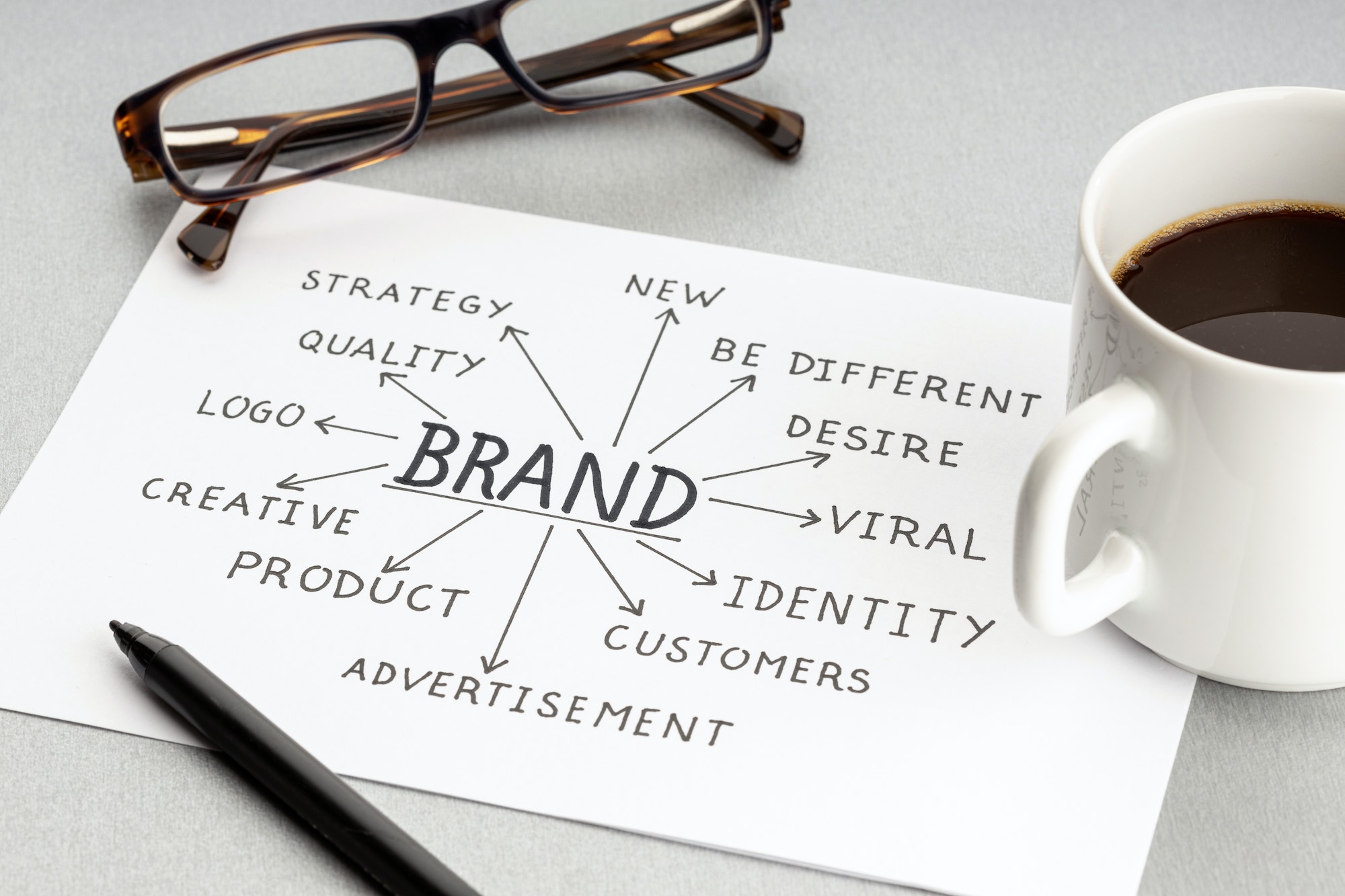
    Many businesses think their brand is their logo and that their logo is their brand. Even among marketing specialists, the word logo is often used to describe what we like to call your visual foundation. These are your logos, graphic elements, and color palette. The pitfall that trips up most people is they think their brand is all about what they see. However, what we see is only a part of that brand. Branding is more like inscribing an experience in our minds.

    A brand is human. You must define your brand in terms of human qualities and attributes. All too often, companies make the mistake of taking the life and personality out of their brand. The goal here is to help identify and then harness the personal properties of brands.

    “Strive for humanness. Great brands achieve a high level of humanness.” – Guy Kawasaki.

    People connect with people, not with products or services. Therefore, humanizing your brand is vital for connection.

    Branding is all about giving the right pieces. Companies do not make their brand; their audience does. Companies only provide the pieces their audience uses.

    Faced with competitive pressure, brands imitate. The key to branding is finding out who you are and being more of it. 

    “Building a strong brand comes from paying attention to all those details that make up the whole experience for users. – Joe Gebbia (AIRBNB)


    6 Steps to Developing the Personal Properties of Your Brand

    Now, we are going to talk about how to maximize your effectiveness by developing the human properties of your brand.

    Human properties are valuable because they offer distinction, connection, emotion, and relatability. Humanized brands provide a sense of complexity and depth, resulting in greater customer loyalty, higher margins, better recall, and more.

    To develop the personal properties of your brand, you need to develop and define your brand’s PERSON, which means:

    • Personality
    • Experience
    • Relevance
    • Separation
    • Offer
    • Narrative

    To compete in the marketplace, personalizing your brand is the only way to stand out, connect, create a consistent experience, and develop a sense of meaning.

    Step 1: Define your Brand Personality

    Define who you are, not just what you do, define your overall personality type. In a distracted world like ours, businesses that provide the clearest shortcuts win.

    Define your brand look. What is your brand’s style, design, feel, aesthetics, and so on? Your brand looks will impact all your touchpoints such as your physical store, website, social media pages, signages, and prints. It’s the first thing your audience recognizes and remembers you by. The look of your brand should be distinct. Be sure to specify your brand’s photography, graphics, texts, and colors.

    Define your brand voice. Define your brand’s overall messaging, tone, and volume. Your personality dictates what you say, how you say it, and where you say it. Your brand voice is presented through your website, social media channels, videos, blog, email, in-store, packaging, and more. So make sure you focus a lot of your attention here because your brand’s personality is revealed the most through what you look and sound like.

    Define your brand values. Identify what your brand believes. What you believe drives what you do and how you do it. Having values is key to creating your “we-believe” statements. These are the core of your brand. Your brand beliefs are your “why” that drives the “what” of what you do. Your values and beliefs make your organization deeper, more complex, and more human.

    Define your brand meaning. Developing your brand personality means defining your brand’s meaning. Here’s the key: customers want their purchases to say something about them. Our purchases define us. People crave meaning so much that we will align our purchase choices with anything that echoes the purpose of our lives.

    If you don’t define your brand’s meaning, the public will do it for you. Choosing your brand means customers are aligning their lives with your brand’s reputation, values, beliefs, and personality. So if your brand meaning is unclear, inconsistent, or undefined, your brand will not help people tell their story and they will probably ignore your brand. Personalizing Your Brand

    Develop your brand’s personality by defining your overall identity, look, voice, values, and the meaning of your brand.

    Step Two: Define your Brand Experience

    There are two major principles for a well-branded experience: predictability and humanity. A well-branded company is predictable. People love predictability. No one wants to go to an unpredictable restaurant. No one wants to buy an unpredictable technology or car. Predictability is key. 

    Consistency

    Every time people go to your website, it should be consistent. Every time someone comes into your store, it should feel, look, and sound the same. Customer service or social media should also be consistent every single time. All channel experiences should feel like the previous channel experiences.

    Alignment

    Now alignment means that the website experience looks, feels, and sounds like your in-store experience, the same thing with your phone and social media experience. All experiences in one channel should feel like the experiences in other channels.

    The key to building a powerful brand is consistency and alignment. To develop a consistent brand experience, you must define your desired brand experience, and then communicate it to your entire team. Companies that do not articulate their brand experience leave it up for interpretation by every single employee.

    Define your desired brand experience in terms of human attributes. Focus on emotions, and how you want people to think or feel about your brand. As your company grows, you’re going to have more employees, more locations, and more channels. So having a clearly defined brand experience and how each person and channel fulfills it is vital.

    Step Three: Define your Brand Relevance

    Brand relevance is all about defining your target audience. When defining your brand’s target audience, focus on two major areas – personality and problems.

    We use the term “brand relevance” because relevance is defined by how practical and applicable something is to someone. Your brand needs to matter to a large segment of people, your target audience. Personalizing Your Brand

    Define your target audience’s personality. When developing your company’s brand relevance, the first thing to focus on is your target audience’s personality. This is psychographics, not demographics. We are not talking about age, gender, income level, education level, geographic region, and stuff like that. All of that is just superficial. It’s not universal, it’s not even always that accurate. And it’s not a collective representation of who you’re aiming at. Your target audience comprises a very diverse set of people. Even though each individual is unique, they have personality traits that are in common. Your job is to find their common threads.

    The other key to defining your target audience is by identifying their problems, emotions, and needs. When you identify your customers’ problems, they recognize you as a brand that understands them. Emotions make your brand relatable because emotions are universal. What you did today is likely different from what I did today. But how you felt today is probably similar to how I felt. Focusing on emotions makes you more relatable.

    Another reason you need to define your target audience’s emotions is that customer emotions drive purchase decisions. We make purchases using the emotional processing side of our brains, not the linear processing side.

    To personalize your brand, develop your brand relevance. Identify your target audience in terms of problems, emotions, needs, and personality.

    Step Four: Develop your Brand Separation

    What makes your brand stand out from your competition? What makes you different? This focus goes beyond a difference in functions, features, and benefits. It’s easy to define what makes you different from your competition in terms of functional differences or product offerings. But those differences are superficial. They’re temporary, and they don’t serve as an adequate source of distinction. Earlier, we learned the first step in personalizing your brand is to define your brand personality. This step is like that.

    To personalize your brand, define your competitive landscape based on their collective personality, not functions and features, not even demographic differences. Your brand personality makes you different, authentic. To stand out, your brand’s personality must differ from your competitors.

    Remember earlier that in face of competitive pressure, brands imitate. Functions and features are so easy to copy, but personality is not. When competitors try to copy each other’s personalities, they come across as inauthentic and fake. It’s vital to understand your brand personality considering your competition’s personality.

    Knowing who you are will protect you from falling into the trap of imitating your competition. To personalize your brand, define the collective personality of your competition. 

    Step Five: Defining your Brand Offer Personalizing Your Brand

    Your brand offer is what you sell. Most business leaders think the offer is the actual product or service. But really, what you should focus on is to define your product or service in terms of it being a solution to a problem, or else you risk at being ignored.

    To personalize your brand, tell people how your brand can improve their life. People buy products and services to enhance their lives. People won’t buy your products or services unless they feel your offer justifies the cost and trouble of purchasing it in the first place.

    Focus your solutions on emotions. As said earlier, emotions make your brand relatable because emotions are universal. Focusing on the emotional aspects of what you offer is not only more human but also more effective.

    When you position your offer as a solution to a problem, and it’s anchored in emotion, you increase the perceived value of your product. The point here is you want to find not just the functional benefit of your product, but also the emotions. Maybe you sell convenience or speed, or maybe you help save time and hassle. Focusing on emotions increases the value of your brand offer. Personalizing Your Brand

    Customer emotions drive purchase decisions. People don’t make purchases out of the analytical processing side of the brain but on the emotional processing side. Therefore, you must clarify the emotional benefits of your offer.

    Create that shortcut for the customer. Most companies waste time and money focusing on the functions, features, and details of what they offer. However, personalizing your brand means focusing on the human attributes of your offer. When you position your offering as a solution to your target market’s problem and anchor it in emotion, you gain trust, loyalty, connection, and value.

    Step Six: Define your Brand Narrative

    The goal of your brand narrative is to focus on developing a verbal foundation and to ensure the clarity of your brand message. Your verbal foundation starts with developing a communications framework. This framework serves as your source of inspiration and guidance for all brand messaging. The most important components you’ll want to define include your modifiers, verbs, emotions, and we-believe statements.

    A brand’s personality is most clearly displayed through its attributes and actions. So modifiers and verbs are vital, you’d always want to make sure you spend some time developing a strong list of your modifiers and your verbs.

    Modifiers and Verbs Personalizing Your Brand

    The modifiers are the attributes of your brand. So when you go to step one in defining your brand personality, list the attributes. How are you? Are you trustworthy, real, humble, kind? Whatever those attributes are, those are your modifiers. These words describe who you are on a personality level.

    Now your verbs. What do you do? Do you give, serve, help, know, grow? Whatever your words are, look at the actions that your brand does and make a list of all your actions. Your attributes and verbs reveal your brand personality the most. 

    “We believe” statements frame your company’s internal mindset and can also be used front and center in your advertising. These statements are magnetic, and they serve as the “why” to the “what” that you do. They are a driver for brand loyalty, and they reveal your brand personality, galvanize customer loyalty, and more.

    Developing your brand narrative is vital at any stage of your company’s growth. But as you grow with more employees, more locations, and more channels, it becomes imperative to develop the verbal foundation for your company.

    As stated earlier, people connect with people, not with products or services, and not with entities or organizations. So developing your communication framework is vital for consistency, alignment, and making your brand feel like a person. Personalizing Your Brand

    Final Thoughts and Application

    You need to create a brand guide. This is a document everyone in your organization can share. This will serve as a guide for testing current touchpoints and creating new ones. If you are going to create a brand new website, logo, graphics, video, photography, or anything else, you can consult your brand guide. 

    If you’re bringing on a new employee or a new agency partner, you will want to use your brand guide. This is setting the expectation of what you want out of your employees, and it’s also setting the expectation of what needs to be delivered through this agency partner.

    Your brand personality can also serve as a piece of your employee review process. And it’s also a point for performance evaluation where you can say, “Listen, you are not holding up to our standard.” If you don’t have a brand guide, it’s hard to use this in that kind of context.

    Human properties bring a sense of complexity, connection, relatability, and loyalty. To succeed in business these days, you will need to stand out and connect. We are bombarded with over 30,000 marketing messages a week. So you need to develop a clear brand. Humanizing your brand by developing the personal properties of your brand is the key.

  • 7 Best Maintaining a Healthy Work-Life Balance

    7 Best Maintaining a Healthy Work-Life Balance

    7 Best Maintaining a Healthy Work-Life Balance

    In this digital age, it’s become more and more challenging to attain this so-called healthy work-life balance. Almost everyone has their phones with them all the time and, in today’s growing economy, everyone is working hard to achieve success in their careers and businesses. They are either working overtime, meeting prospective clients, negotiating with suppliers, writing proposals, and so on, to reach all the goals they have set for themselves and their businesses.

    There’s nothing wrong with wanting to work hard to have a good life, but making your work control your life isn’t healthy. Many professionals these days opt to put all their efforts into their work that they would have no life after the working hours.

    As a professional, you need to learn the value of having a work-life balance. You don’t need to compromise your personal life to achieve success. To live a happy, stress-free, contented, and successful life, you will have to learn how to balance.

    Here are a few tips for maintaining a healthy work-life balance:

    Learn How to Prioritize

    To effectively maintain a healthy work-life balance, one must know how to prioritize things in both his personal and office life. There are only 24 hours in a day and it’s up to you to divide it up to get things done. Identify what truly matters, form a plan, and focus on committing to having that plan come to fruition.


    Know your Strengths and Weaknesses

    Nobody else knows yourself as you do, so the first step here is, to be honest about what your strengths and weaknesses are. Don’t try to be all things to all people. Don’t try to even do everything yourself. Know your limits and if you think you need help, then ask for help. Play to your strengths and concentrate on them.

    Set your Work Hours and Stick to it

    If you are working in the office, you have fixed working hours so it’s easier to stick to them. However, working from home is a different thing. If you are a freelancer or a business owner, you might find it hard to settle in a specific working period because you might like the flexibility of your setup. Having a flexible time goes two ways – being a good or a bad thing. It’s good if you know how to balance, but it would be bad if you let yourself work until the wee hours of the night every day just because you feel the need to. Set your work hours and do your best to follow it.

    Take Breaks

    Take short breaks in between your working hours to avoid burning out. Breaks will restore motivation and increase your productivity and creativity. Make it a point to give yourself a lunch break or a coffee break. Also, get up and stretch out every once in a while to get your blood flowing, it will help your mind become clearer and more focused.

    Keep your Workspace Neat & Tidy

    Always make sure that your work area is clean. Not only will clutter distract you, but it will also hinder productivity because your mind will not be able to focus on the tasks at hand. Keep all things necessary in one place, and put all the junk papers in the trash. If you are working at home, invest in a good table, a comfortable chair, and useful computer accessories to make your workspace ergonomic.

    Healthy Work-Life Balance

    Set Aside Some Personal Time

    Always give time to yourself. People fail to realize how important “me” time is, and, sometimes, it may be inevitable to be buried in your work. When this happens, don’t forget to spend some time to take care of yourself. Set aside time for your family as well, you need this to become more productive and inspired.

    Get Enough Sleep

    Of course, getting enough sleep is a prerequisite to have a healthy work-life balance. How else will you get your energy to do your job? Take care of your body and get the rest you need. Turn off all gadgets before going to bed, and that means the TV, the WiFi, and your phone, so you can have a restful sleep.

    Having a healthy work-life balance is not only good for your physical health, but it will also do wonders for your mental well-being. Stay in top shape, reach your goals, and forgo being a workaholic. Remember, work is important, but your personal life is equally essential.

    Stuck and out of motivation? Check out this post to get you loving and living life again!