Category: Content Marketing

  • The Rise of Augmented Reality in Digital Marketing

    The Rise of Augmented Reality in Digital Marketing

    The Rise of Augmented Reality in Digital Marketing

    In the dynamic landscape of digital marketing, staying ahead of the curve is essential for brands looking to capture the attention of consumers in an increasingly competitive market. One technology that has been gaining traction and revolutionizing the way brands engage with their audience is augmented reality (AR). Augmented reality blends the virtual world with the real world, creating immersive and interactive experiences that captivate and engage users like never before. In this article, we delve into the rise of augmented reality in digital marketing and explore its potential to transform the way brands connect with their customers.

    Understanding Augmented Reality

    Augmented reality (AR) is a technology that overlays digital content, such as images, videos, or 3D models, onto the real world, typically viewed through a smartphone, tablet, or AR-enabled device. Unlike virtual reality (VR), which immerses users in a completely virtual environment, AR enhances the real-world environment by adding digital elements, enhancing the user’s perception and interaction with their surroundings. AR experiences can range from simple overlays to complex interactive simulations, offering endless possibilities for creativity and engagement.

    The digital marketing landscape is constantly evolving, and with it, innovative technologies emerge to redefine customer engagement. One such technology is Augmented Reality (AR), which is rapidly transforming the way we interact with the world around us. AR superimposes computer-generated content onto the real world, viewed through a smartphone or tablet camera.

    Imagine virtually trying on a pair of sunglasses before purchasing them, or viewing 3D furniture models placed directly in your living room to see how they would look. These are just a few examples of the exciting possibilities that AR presents for digital marketing.

    Augmented Reality

    Enhancing User Engagement

    One of the key benefits of augmented reality in digital marketing is its ability to enhance user engagement and create memorable brand experiences. By leveraging AR technology, brands can offer immersive and interactive experiences that capture the attention and imagination of their audience. Whether it’s trying on virtual clothing, visualizing furniture in a room, or exploring 3D product models, AR allows users to engage with brands in a more meaningful and interactive way, leading to increased brand awareness, loyalty, and advocacy.

    Driving Brand Differentiation

    In today’s crowded marketplace, brands are constantly seeking ways to stand out and differentiate themselves from competitors. Augmented reality offers a unique opportunity for brands to differentiate themselves by offering innovative and memorable experiences that leave a lasting impression on users. Brands that embrace AR technology can showcase their products or services in new and creative ways, allowing users to interact with and experience them in ways that were previously impossible. This differentiation can help brands attract attention, generate buzz, and distinguish themselves as leaders in their industry.

    Boosting Sales and Conversions

    Augmented reality has the potential to drive sales and conversions by offering users a more immersive and interactive shopping experience. By allowing users to visualize products in their real-world environment before making a purchase, AR can reduce uncertainty and hesitation, leading to increased confidence and purchase intent. Studies have shown that AR can significantly increase conversion rates and decrease product returns by providing users with a more accurate representation of products and helping them make informed purchasing decisions.

    Enhancing Brand Storytelling

    Storytelling is an essential component of effective marketing, allowing brands to connect with their audience on an emotional level and communicate their values, mission, and vision. Augmented reality offers new opportunities for brands to tell compelling stories and engage users in immersive narratives. Whether it’s bringing historical events to life, showcasing behind-the-scenes footage, or creating interactive experiences that transport users to new worlds, AR enables brands to create memorable and impactful storytelling experiences that resonate with their audience.

    Measuring Performance and ROI

    As with any marketing initiative, measuring the performance and ROI of augmented reality campaigns is essential for evaluating their effectiveness and optimizing future efforts. Key metrics to track include user engagement, interaction rates, time spent, conversion rates, and overall ROI. By leveraging analytics tools and tracking technologies, brands can gain valuable insights into how users are interacting with their AR experiences, identify areas for improvement, and make data-driven decisions to optimize their campaigns for better results.

    In conclusion, the rise of augmented reality in digital marketing represents a significant opportunity for brands to create immersive, interactive, and memorable experiences that captivate and engage their audience. By embracing AR technology, brands can differentiate themselves, drive user engagement, boost sales and conversions, enhance brand storytelling, and ultimately, achieve their marketing objectives. As AR technology continues to evolve and become more accessible, the possibilities for innovative and impactful marketing experiences are limitless.

  • Navigating the Challenges of Multichannel Marketing

    Navigating the Challenges of Multichannel Marketing

    Navigating the Challenges of Multichannel Marketing

    In today’s digital age, consumers are more connected and empowered than ever before, with access to a multitude of channels and devices for accessing information, making purchases, and engaging with brands. Multichannel marketing has emerged as a strategic approach for businesses to reach and engage with their target audience across various touchpoints, from social media and email to websites and mobile apps. While multichannel marketing offers numerous opportunities for reaching customers, it also presents unique challenges that require careful navigation and strategic planning. In this article, we explore the challenges of multichannel marketing and share strategies for overcoming them to maximize success.

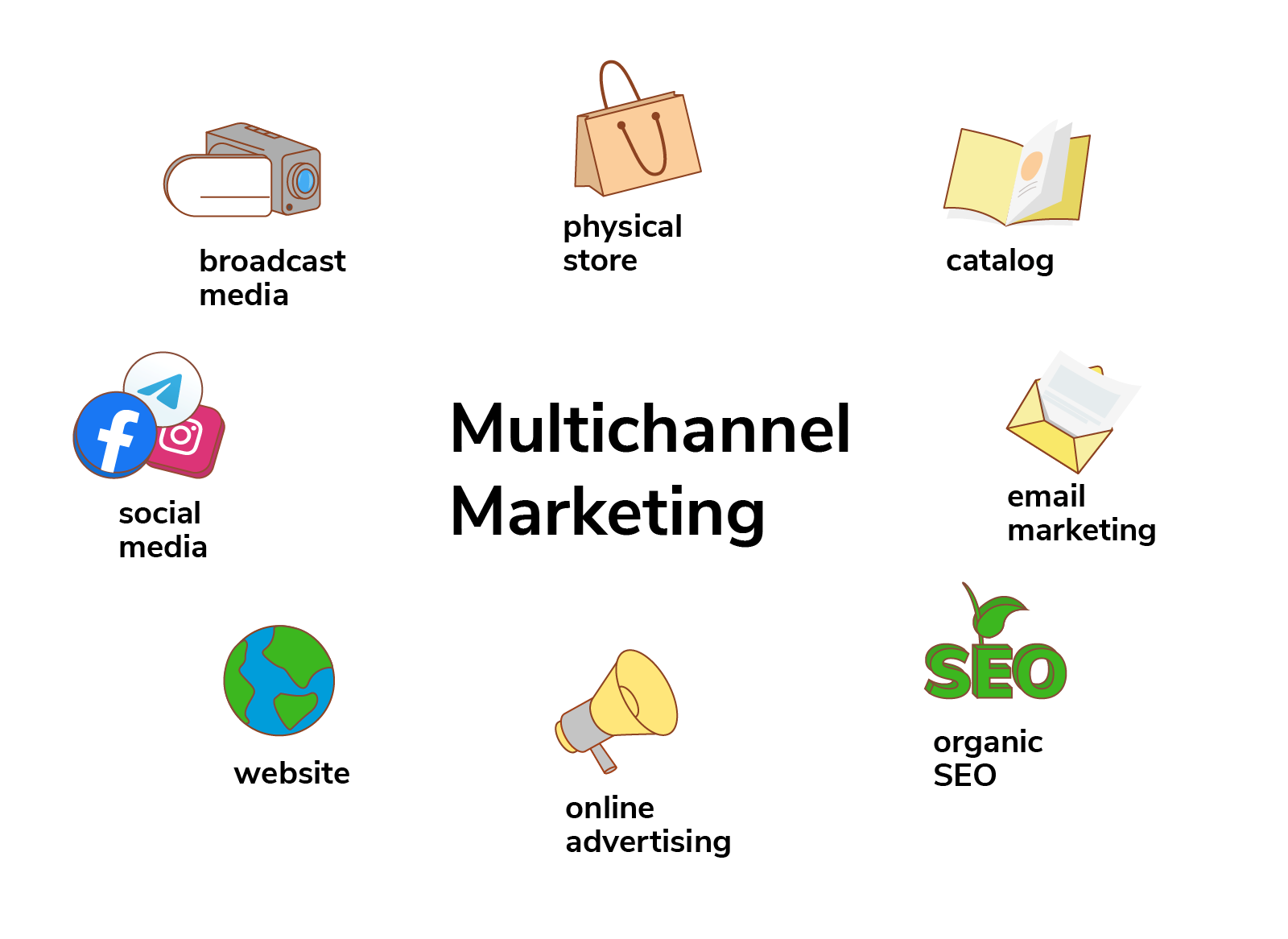
    In today’s digital age, consumers are no longer confined to a single touchpoint when interacting with brands. They seamlessly navigate between websites, social media platforms, email, mobile apps, and physical stores. This necessitates a multichannel marketing approach, reaching your audience across the channels they frequent most.

    But crafting a successful multichannel marketing strategy isn’t without its challenges. Here’s how to navigate some of the common hurdles and orchestrate a cohesive customer journey across multiple channels.

    Understanding Multichannel Marketing

    Multichannel marketing involves engaging with customers across multiple channels and platforms to deliver a cohesive and integrated brand experience. This can include both online and offline channels, such as social media, email, websites, mobile apps, print media, television, radio, and in-store experiences. The goal of multichannel marketing is to meet customers where they are, deliver relevant and personalized messaging, and guide them seamlessly through the buyer’s journey, regardless of the channel or device they use.

    Multichannel Marketing


    Data Fragmentation and Integration

    One of the biggest challenges of multichannel marketing is managing and integrating data from disparate sources. With customer interactions occurring across multiple channels and devices, data can become fragmented, siloed, and difficult to track and analyze. This fragmentation can lead to inconsistencies in messaging, disjointed customer experiences, and missed opportunities for personalization and targeting. To overcome this challenge, businesses need to invest in robust data management systems and technologies that allow for seamless integration of data from across channels and platforms.

    Consistency in Brand Messaging

    Maintaining consistency in brand messaging across multiple channels can be challenging, especially when each channel has its own unique characteristics and audience demographics. Inconsistent messaging can confuse customers, dilute brand identity, and undermine the effectiveness of marketing efforts. To address this challenge, businesses should develop a clear and cohesive brand message that resonates with their target audience and aligns with their brand values and objectives. This message should be tailored to each channel while maintaining a consistent tone, voice, and visual identity to ensure a unified brand experience.

    Channel Overload and Resource Allocation

    With the proliferation of digital channels and platforms, businesses may struggle to determine which channels are most effective for reaching their target audience and achieving their marketing goals. Managing multiple channels can also be resource-intensive, requiring time, effort, and budget to create and maintain content, monitor performance, and engage with customers. To overcome this challenge, businesses should prioritize channels based on their target audience’s preferences and behavior, focusing on those that offer the greatest potential for reaching and engaging with customers effectively.

    Integration of Offline and Online Channels

    Integrating offline and online channels presents another challenge for multichannel marketers. While online channels offer real-time tracking and analytics capabilities, offline channels such as print media, television, and in-store experiences may not provide the same level of data visibility. This can make it difficult to measure the effectiveness of offline marketing efforts and attribute conversions accurately. To address this challenge, businesses should explore strategies for bridging the gap between offline and online channels, such as QR codes, unique promo codes, and personalized URLs, to track and measure the impact of offline marketing activities on online conversions.

    Adapting to Evolving Consumer Behavior

    Consumer behavior is constantly evolving, driven by changes in technology, social trends, and economic factors. Keeping pace with these changes and adapting multichannel marketing strategies accordingly can be challenging for businesses. To address this challenge, businesses should stay informed about emerging trends and developments in consumer behavior, leverage data and analytics to gain insights into customer preferences and behavior, and continuously test and optimize their multichannel marketing strategies to ensure relevance and effectiveness.

    In conclusion, multichannel marketing offers businesses unprecedented opportunities for reaching and engaging with customers across various touchpoints. However, navigating the challenges of multichannel marketing requires careful planning, strategic execution, and ongoing optimization. By addressing data fragmentation, maintaining consistency in brand messaging, allocating resources effectively, integrating offline and online channels, and adapting to evolving consumer behavior, businesses can overcome these challenges and maximize the success of their multichannel marketing efforts.

  • Diving into the World of Interactive Content Marketing

    Diving into the World of Interactive Content Marketing

    Diving into the World of Interactive Content Marketing

    In the ever-evolving landscape of digital marketing, brands are continually seeking innovative ways to captivate audiences and drive engagement. One strategy that has gained significant traction in recent years is interactive content marketing. Interactive content goes beyond traditional static content by actively involving the audience in the experience, encouraging participation, and creating memorable interactions. In this article, we dive into the exciting world of interactive content marketing and explore its potential to enhance engagement, boost brand awareness, and drive conversions.

    Diving into the World of Interactive Content Marketing: Engage, Educate, Entertain

    In today’s content-saturated digital landscape, capturing and retaining audience attention is an ever-growing challenge. Static content can struggle to compete in an information-overloaded world. This is where interactive content marketing comes in.

    Interactive content marketing transcends traditional one-way communication. It invites users to actively participate, fostering a more engaging and memorable experience.

    But what exactly is interactive content, and how can you leverage it to achieve your marketing goals? Let’s dive in and explore the exciting possibilities!

    Interactive Content

    Beyond the Text and Static: What is Interactive Content?

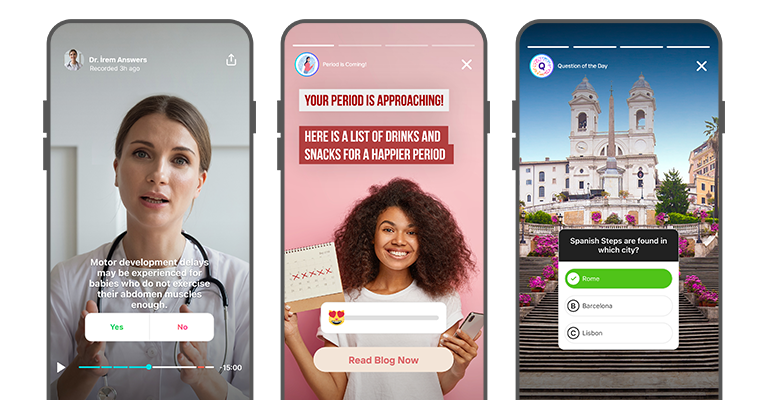
    Interactive content breaks the mold of passive content consumption. It incorporates elements that require user participation, transforming viewers from observers to active participants.

    Imagine quizzes that test your product knowledge, polls that gauge audience preferences, or augmented reality experiences that allow users to virtually interact with your product in their own environment.

    These are just a few examples of the diverse range of interactive content formats available to marketers today.

    Why Go Interactive? The Benefits of Engaging Your Audience

    The benefits of incorporating interactive content marketing into your strategy are numerous:

    • Boosted Engagement: Interactive content is inherently more engaging than static content. Users are actively involved in the experience, leading to higher levels of attention and participation.
    • Enhanced Learning and Recall: People learn and retain information better when they actively participate in the learning process. Interactive content allows users to explore information at their own pace and in a way that resonates with them.
    • Valuable User Data: Interactive content can generate valuable data about your audience’s preferences, needs, and behavior. This data can be used to personalize future marketing efforts and improve overall campaign effectiveness.
    • Building Brand Loyalty: Interactive content fosters a more memorable and positive brand experience. It allows users to connect with your brand on a deeper level, leading to increased brand loyalty and advocacy.

    Exploring the Interactive Content Universe: A Range of Formats

    The beauty of interactive content marketing lies in its versatility. Here are some popular formats to consider:

    • Quizzes and Assessments: Create interactive quizzes or assessments that allow users to test their knowledge or gauge their suitability for your product or service.
    • Calculators and ROI Estimators: Interactive calculators or ROI estimators provide users with a personalized estimate of potential benefits, making your value proposition more tangible.
    • Polls and Surveys: Gather valuable user insights and opinions through interactive polls and surveys.
    • Contests and Giveaways: Host interactive contests or giveaways to generate excitement, encourage participation, and expand your reach.
    • 360° Videos and Virtual Reality Experiences: Transport users directly into your world with immersive 360° videos or virtual reality experiences.

    Planning for Success: Creating Effective Interactive Content

    Here are some key considerations to ensure your interactive content marketing efforts hit the mark:

    • Align with Your Goals: Clearly define your marketing objectives before developing interactive content. What do you want users to achieve or learn after interacting with your content?
    • Know Your Audience: Tailor your interactive content to the needs and interests of your target audience.
    • Seamless User Experience: Ensure your interactive content is user-friendly and functions flawlessly across different devices.
    • Promote and Share Strategically: Leverage social media, email marketing, and other channels to promote your interactive content and reach your target audience.

    Interactive Content Marketing: A Strategy for the Future

    Interactive content marketing offers a powerful approach to engage your audience, educate them about your brand, and create a lasting impression. By embracing interactivity, you can transform your marketing efforts from static and forgettable to dynamic and engaging experiences that drive results.

    So, are you ready to dive into the exciting world of interactive content marketing? The potential to captivate your audience and propel your brand forward awaits!

  • Building Brand Authority through Thought Leadership Content

    Building Brand Authority through Thought Leadership Content

    Building Brand Authority through Thought Leadership Content

    In today’s competitive business landscape, establishing brand authority is essential for standing out and gaining the trust of consumers. One powerful way to achieve this is through thought leadership content – content that demonstrates expertise, provides valuable insights, and positions a brand as a leader in its industry. In this article, we explore the concept of thought leadership and how businesses can leverage it to build credibility, trust, and influence within their niche.

    In today’s digital age, consumers are bombarded with marketing messages. Brands need to stand out from the crowd, and establishing yourself as a thought leader is a powerful way to achieve that. Thought leadership content positions you as an expert in your field, fostering trust and credibility that resonates with potential customers.

    But how do you create thought leadership content that truly resonates and establishes your brand as an authority? Here are some key strategies to consider:

    Leadership Content

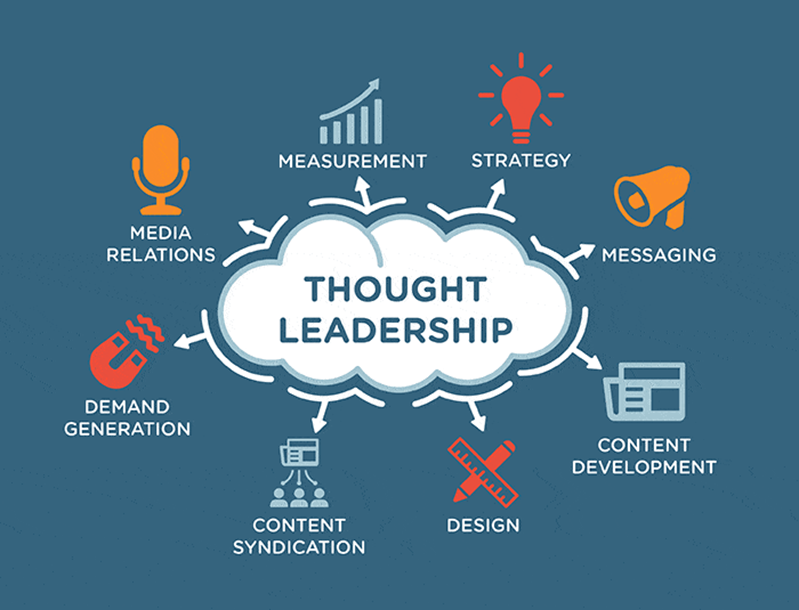
    Understanding Thought Leadership

    Thought leadership goes beyond traditional marketing tactics to establish a brand as an authority and a trusted source of information within its industry. Thought leaders are individuals or brands that are recognized for their expertise, innovation, and vision in a particular field. Thought leadership content is educational, informative, and thought-provoking, providing valuable insights, analysis, and perspectives that resonate with the target audience.

    Creating Valuable Content

    At the heart of thought leadership is valuable content that addresses the needs, interests, and challenges of the target audience. This can take many forms, including articles, blog posts, whitepapers, case studies, podcasts, webinars, videos, and more. The key is to provide original, insightful, and well-researched content that offers practical solutions, actionable advice, or thought-provoking ideas that can help your audience overcome obstacles, achieve their goals, or gain a deeper understanding of relevant industry trends and developments.

    Sharing Expertise and Insights

    Thought leadership content is an opportunity for brands to showcase their expertise, knowledge, and unique perspective on industry-related topics. By sharing insights, best practices, success stories, and lessons learned from real-world experiences, brands can demonstrate their credibility and authority within their niche. Thought leaders are not afraid to challenge conventional wisdom, offer bold predictions, or spark meaningful conversations that push the boundaries of industry norms and practices.

    Engaging with the Audience

    Thought leadership is not just about broadcasting information; it’s about engaging in meaningful conversations with your audience. Encourage feedback, comments, and discussions around your thought leadership content to foster a sense of community and collaboration. Actively participate in industry forums, social media discussions, and networking events to share your expertise, connect with like-minded professionals, and stay abreast of emerging trends and opportunities within your industry.

    Staying Relevant and Timely

    To maintain relevance and credibility as a thought leader, it’s essential to stay informed and up-to-date on industry trends, developments, and news. Monitor industry publications, attend conferences and events, and engage with thought leaders and influencers in your field to stay informed and connected. Look for opportunities to provide timely commentary, analysis, and insights on breaking news or emerging trends that are relevant to your audience.

    Building Relationships and Trust

    Thought leadership is not just about building brand awareness; it’s about building relationships and trust with your audience over time. Consistently delivering valuable, insightful, and relevant content will help establish your brand as a trusted advisor and go-to resource within your industry. By building trust and credibility with your audience, you can cultivate long-term relationships that lead to brand loyalty, advocacy, and ultimately, business success.

    Measuring Impact and Success

    Measuring the impact of thought leadership content can be challenging, as its influence is often qualitative rather than quantitative. However, there are several metrics that brands can track to gauge the effectiveness of their thought leadership efforts, including website traffic, engagement metrics such as likes, shares, comments, and brand sentiment. Additionally, brands can conduct surveys, interviews, or focus groups to gather feedback from their audience and assess the impact of their thought leadership initiatives.

    In conclusion, thought leadership content is a powerful tool for building brand authority, credibility, and influence within your industry. By creating valuable, insightful, and engaging content that showcases your expertise, shares your unique perspective, and fosters meaningful connections with your audience, you can establish your brand as a trusted advisor and thought leader within your niche. Thought leadership is not just about promoting your brand; it’s about providing value, inspiring action, and making a positive impact on your industry and the world.

  • Exploring the Future of AI in Digital Advertising

    Exploring the Future of AI in Digital Advertising

    Exploring the Future of AI in Digital Advertising

    In the fast-paced world of digital advertising, staying ahead of the curve is crucial for success. As technology continues to evolve, one innovation that is revolutionizing the advertising landscape is artificial intelligence (AI). From optimizing ad targeting to personalizing content delivery, AI is transforming the way advertisers reach and engage with their audiences. In this article, we explore the exciting possibilities and future trends of AI in digital advertising.

    Exploring the Future of AI in Digital Advertising: A Glimpse into a Transformative Landscape

    The digital advertising landscape is on the cusp of a revolution, and at the forefront of this change is artificial intelligence (AI). AI is poised to transform the way we target, personalize, and measure advertising campaigns, ushering in an era of unprecedented efficiency and effectiveness.

    But what exactly does the future hold for AI in digital advertising? Let’s delve into some of the emerging trends and explore how AI is likely to reshape the advertising landscape in the years to come.

     AI

    Understanding AI in Advertising

    AI refers to the simulation of human intelligence processes by machines, particularly computer systems. In the context of advertising, AI encompasses a range of technologies and algorithms that enable advertisers to automate and optimize various aspects of their campaigns. This includes predictive analytics, machine learning, natural language processing, and computer vision, among others. By leveraging AI-powered tools and platforms, advertisers can gain deeper insights into consumer behavior, streamline campaign management, and deliver more personalized and targeted ads.

    Enhancing Ad Targeting and Personalization

    One of the key benefits of AI in advertising is its ability to improve ad targeting and personalization. AI-powered algorithms analyze vast amounts of data, including demographic information, browsing history, purchase behavior, and social media activity, to identify patterns and preferences among target audiences. This enables advertisers to create highly targeted and relevant ads that resonate with individual users, increasing the likelihood of engagement and conversion.

    Optimizing Campaign Performance

    AI can also significantly improve campaign performance by optimizing various aspects of ad delivery and placement. AI-powered algorithms continuously analyze campaign data in real-time, adjusting targeting parameters, ad creative, bidding strategies, and budget allocation to maximize ROI and achieve campaign objectives. This automated optimization process allows advertisers to improve efficiency, reduce waste, and achieve better results with less manual intervention.

    Enabling Dynamic Creative Optimization

    Dynamic creative optimization (DCO) is another area where AI is making a significant impact in digital advertising. DCO utilizes AI-powered algorithms to automatically generate and optimize ad creative in real-time based on user data and behavior. This allows advertisers to deliver personalized and contextually relevant ads to individual users, increasing engagement and driving conversions. With DCO, advertisers can create highly customized ad experiences that resonate with their target audience, leading to higher click-through rates and improved campaign performance.

    Facilitating Conversational Advertising

    Conversational advertising is an emerging trend in digital marketing that leverages AI-powered chatbots and virtual assistants to engage with users in real-time conversations. AI-driven chatbots can interact with users, answer questions, provide recommendations, and even complete transactions directly within messaging apps or on websites. This enables advertisers to deliver personalized and interactive ad experiences that mimic human conversation, creating a more engaging and immersive brand interaction.

    Predicting and Anticipating Consumer Behavior

    AI-powered predictive analytics allows advertisers to forecast future trends and anticipate consumer behavior with greater accuracy. By analyzing historical data and identifying patterns and correlations, AI algorithms can predict which users are most likely to convert, which products or services are in high demand, and which marketing strategies are most effective. This enables advertisers to make data-driven decisions and allocate resources more effectively, maximizing ROI and staying ahead of the competition.

  • The Art of Storytelling in Content Marketing

    The Art of Storytelling in Content Marketing

    The Art of Storytelling in Content Marketing


    In the realm of content marketing, where brands compete for attention in a sea of digital noise, storytelling has emerged as a powerful tool for capturing hearts, minds, and wallets. At its core, storytelling is the art of conveying a message through narrative, engaging audiences on an emotional level, and creating lasting connections. In this article, we explore the transformative power of storytelling in content marketing and how businesses can harness this art form to drive engagement, build brand loyalty, and inspire action.

    The Art of Storytelling in Content Marketing: Captivate, Connect, Convert

    In the content marketing landscape, where information overload reigns supreme, stories are the antidote. They weave a captivating narrative that transcends dry facts and figures, fostering a connection with your audience on a deeper, emotional level.

    People have been wired for stories since the dawn of time. Cave paintings depicted hunting triumphs, folktales imparted wisdom, and myths explained the world around us. Storytelling is a fundamental human connection tool, and that very essence is what makes it so powerful in content marketing.

    Storytelling

    The Essence of Storytelling

    Storytelling is as old as humanity itself, with roots deeply embedded in our culture, traditions, and collective consciousness. From ancient myths and legends to modern novels and films, stories have the power to captivate, inspire, and evoke emotions in audiences of all ages. At its essence, storytelling is about sharing experiences, conveying meaning, and connecting with others on a human level.

    Connecting with Audiences

    In today’s digital age, where consumers are bombarded with advertisements and marketing messages at every turn, traditional marketing tactics often fall flat. Storytelling offers a refreshing alternative by allowing brands to engage audiences in a more meaningful and authentic way. By weaving narratives that resonate with their target audience’s values, aspirations, and desires, brands can create a sense of connection and belonging that transcends mere transactions.

    Creating Emotional Impact

    Emotions are at the heart of storytelling, driving our decisions, behaviors, and perceptions. By tapping into emotions such as joy, sadness, fear, or nostalgia, brands can create a powerful emotional bond with their audience, making their content more memorable and impactful. Whether it’s evoking empathy with a heartfelt story, sparking curiosity with a suspenseful narrative, or inspiring action with a compelling call-to-action, storytelling allows brands to leave a lasting impression on their audience.

    Building Brand Identity

    Storytelling plays a vital role in shaping a brand’s identity and personality. By crafting narratives that reflect their values, mission, and vision, brands can differentiate themselves from competitors and carve out a unique position in the market. Whether it’s sharing the origin story of the brand, highlighting customer success stories, or showcasing the people behind the brand, storytelling humanizes the brand and fosters a sense of authenticity and trust with consumers.

    Engaging Content Formats

    Storytelling can take many forms in content marketing, from blog posts and articles to videos, podcasts, social media posts, and more. The key is to choose the format that best suits the story you want to tell and the preferences of your target audience. Whether it’s a visual story told through captivating images and videos or an immersive story experienced through interactive content, the possibilities for storytelling in content marketing are endless.

    Authenticity and Transparency

    In an era of skepticism and distrust, authenticity and transparency are more important than ever in storytelling. Audiences crave authenticity and are quick to detect when brands are being disingenuous or insincere. By being honest, transparent, and authentic in their storytelling, brands can build credibility and trust with their audience, fostering long-term relationships that go beyond transactional exchanges.

    Measuring Success

    Measuring the success of storytelling in content marketing can be challenging, as its impact is often qualitative rather than quantitative. However, there are several metrics that brands can track to gauge the effectiveness of their storytelling efforts, including engagement metrics such as likes, shares, comments, and brand sentiment. Additionally, brands can conduct surveys, interviews, or focus groups to gather feedback from their audience and assess the impact of their storytelling initiatives.

    In conclusion, storytelling is a potent force in content marketing, allowing brands to connect with audiences, evoke emotions, and build lasting relationships. By crafting narratives that resonate with their target audience, brands can drive engagement, build brand loyalty, and inspire action, ultimately driving business success. As brands continue to navigate the ever-changing landscape of digital marketing, storytelling remains a timeless and invaluable tool for creating meaningful connections and driving meaningful impact.

  • Maximizing Reach with Targeted Display Advertising

    Maximizing Reach with Targeted Display Advertising

    Maximizing Reach with Targeted Display Advertising

    In the dynamic world of digital marketing, display advertising stands out as a versatile and effective tool for reaching and engaging with target audiences across the web. With its ability to deliver visually compelling ads to specific demographics, interests, and behaviors, display advertising offers businesses unparalleled opportunities to maximize their reach and drive meaningful interactions with potential customers. In this article, we delve into the intricacies of targeted display advertising and explore how businesses can leverage this powerful medium to enhance their marketing efforts.

    Maximizing Reach with Targeted Display Advertising: Captivate Audiences Across the Web

    In today’s digital age, consumers are bombarded with information. Display advertising, strategically placed visual ads across websites, can effectively cut through the noise and grab attention. But with so many eyeballs scrolling by, how do you ensure your ads resonate and reach the right audience?

    The answer lies in targeted display advertising: a laser-focused approach that puts your message in front of the people most likely to convert.

    Display Advertising

    Understanding Display Advertising

    Display advertising refers to the placement of visual ads on websites, mobile apps, and other digital platforms to promote products, services, or brands. Unlike search advertising, which targets users based on specific search queries, display advertising allows businesses to target audiences based on demographic information, interests, browsing behavior, and more. Display ads can take various forms, including banners, images, videos, and interactive rich media ads, providing flexibility and creativity in reaching and engaging with audiences.

    Targeting Specific Audiences

    One of the key advantages of display advertising is its ability to target specific audiences with precision and accuracy. By leveraging advanced targeting options provided by ad networks and platforms, businesses can tailor their ads to reach users who are most likely to be interested in their products or services. This can include targeting based on demographics such as age, gender, location, income level, interests, and online behavior, allowing businesses to deliver highly relevant and personalized ads to their target audience segments.

    Retargeting and Remarketing

    Retargeting, also known as remarketing, is a powerful strategy in display advertising that allows businesses to target users who have previously visited their website or interacted with their brand but did not complete a desired action, such as making a purchase or signing up for a newsletter. By placing tracking pixels or cookies on their website, businesses can track users’ browsing behavior and serve them targeted ads across the web to re-engage them and encourage them to take action. Retargeting ads have been shown to be highly effective in recapturing lost leads and driving conversions.

    Optimizing Ad Creatives

    In the crowded landscape of digital advertising, standing out is essential to capture users’ attention and drive engagement. Optimizing ad creatives to be visually appealing, compelling, and relevant to the target audience is crucial for maximizing the effectiveness of display advertising campaigns. This includes using high-quality images and graphics, compelling copy and messaging, clear calls-to-action (CTAs), and compelling offers or promotions to entice users to click on the ad and take the desired action.

    Measuring and Analyzing Performance

    As with any marketing initiative, measuring the performance of display advertising campaigns is essential for optimizing their effectiveness and maximizing return on investment (ROI). Key performance indicators (KPIs) to track include impressions, clicks, click-through rates (CTRs), conversion rates, and overall ROI. By leveraging analytics tools and platforms, businesses can gain valuable insights into the performance of their display ads, identify areas for improvement, and make data-driven decisions to optimize their campaigns for better results.

    Ready to Take Your Reach to the Next Level with Targeted Display Advertising?

    Targeted display advertising offers a strategic approach to reaching the right audience at the right time. By understanding your target market, leveraging creative ad formats, and tracking your results, you can maximize the reach of your campaigns and achieve your marketing goals.

    So, are you ready to explore the exciting world of targeted display advertising? The potential to captivate audiences across the web awaits!

  • Harnessing the Impact of Podcasting in Digital Marketing

    Harnessing the Impact of Podcasting in Digital Marketing

    Harnessing the Impact of Podcasting in Digital Marketing

    In the vast landscape of digital marketing, one medium has risen to prominence for its ability to captivate audiences, foster genuine connections, and drive engagement – podcasting. With millions of listeners tuning in to podcasts regularly, businesses are increasingly recognizing the power of this medium as a valuable tool for reaching and engaging with their target audience. In this article, we explore the impact of podcasting in digital marketing and how businesses can leverage this medium to enhance their marketing efforts.

    Harnessing the Impact of Podcasting in Digital Marketing: Reach Engaged Listeners, Build Brand Loyalty

    In the ever-evolving digital marketing landscape, podcasting has emerged as a powerful tool for reaching engaged audiences and building lasting brand connections. Podcasts offer an intimate, on-demand audio experience that allows listeners to tune in while commuting, exercising, or simply relaxing.

    This inherent intimacy fosters a unique connection between podcast hosts and their audience. Listeners come to trust and value the voices and perspectives they encounter in their favorite shows, creating a fertile ground for brand messaging.

    Podcasting

    Why Podcasting? A Targeted Approach to Reach Engaged Listeners

    Unlike traditional advertising methods, podcasting allows for highly targeted marketing. Podcasts exist on a wide range of topics, catering to niche interests and passionate communities.

    Imagine a brand that sells sustainable outdoor gear partnering with a popular adventure travel podcast. This targeted approach places your brand message directly in front of a highly engaged audience who are already receptive to your products or services.

    Beyond the Banner Ads: Creative Podcasting Marketing Strategies

    There are several ways to leverage the power of podcasting in your digital marketing strategy:

    • Podcast Sponsorships: Partner with relevant podcasts to sponsor episodes or segments. Ensure brand alignment and a natural integration of your message within the podcast’s narrative flow.
    • Guest Appearances: Industry experts within your company can be featured guests on relevant podcasts, offering valuable insights and establishing themselves as thought leaders in the space.
    • Create Your Own Podcast: Consider launching your own branded podcast to directly connect with your target audience, delve deeper into industry topics, and showcase your brand’s expertise.

    The Power of Storytelling: Podcasts Capture Attention

    Podcasts excel at storytelling. They allow you to engage listeners on an emotional level, fostering a deeper connection with your brand.

    Here are some storytelling strategies to leverage in your podcast marketing efforts:

    • Compelling Interviews: Feature captivating interviews with industry leaders, customers, or brand ambassadors to share diverse perspectives and real-life stories.
    • Customer Spotlights: Showcase the positive impact of your product or service by featuring customer success stories and testimonials.
    • Educational Content: Educate and inform your audience by creating podcast episodes focused on industry trends, challenges, and valuable solutions your brand offers.

    Measurable Results: Tracking the Impact of Your Podcasting Strategy

    Just like any marketing effort, tracking the results of your podcast marketing strategy is crucial. Here are some key metrics to consider:

    • Download Numbers: Monitor the number of downloads per episode to gauge audience interest.
    • Website Traffic: Track website traffic generated from podcast mentions or calls to action.
    • Social Media Engagement: Analyze social media mentions and engagement around your podcast appearances or sponsorships.
    • Lead Generation: Use unique UTM parameters or discount codes to track leads generated through your podcast marketing efforts.

    Beyond the Downloads: Building Brand Loyalty Through Podcasting

    Podcasting offers a unique opportunity to build brand loyalty. By consistently delivering high-quality content, engaging stories, and valuable insights, you position your brand as a trusted source of information and a thought leader within your industry.

    This fosters a sense of community around your podcast and your brand, encouraging listeners to become loyal brand advocates who not only consume your content but also recommend it to others.

    Ready to Harness the Power of Podcasting?

    Podcasting presents a dynamic and engaging platform to elevate your digital marketing strategy. By understanding your target audience, crafting creative podcast marketing strategies, and measuring your results, you can leverage the power of podcasting to reach engaged listeners, build brand loyalty, and propel your business forward.

    So, are you ready to dive into the world of podcasting? The potential to connect with your audience on a deeper level awaits!

  • Crafting Compelling Content for Effective Email Campaigns

    Crafting Compelling Content for Effective Email Campaigns

    Crafting Compelling Content for Effective Email Campaigns

    In the ever-evolving landscape of digital marketing, email campaigns remain a cornerstone of effective communication and customer engagement. As businesses strive to connect with their audience in meaningful ways, the importance of crafting compelling content for email campaigns cannot be overstated. In this article, we delve into the strategies and best practices for creating email content that captivates readers, drives action, and delivers results.

    Understanding the Power of Email Campaigns

    Email campaigns offer businesses a direct line of communication with their audience, allowing them to deliver targeted messages, promotions, and updates right to their subscribers’ inboxes. With billions of active email users worldwide, email campaigns have the potential to reach a wide audience and drive meaningful engagement and conversions.

    In the ever-crowded digital landscape, email marketing remains a powerful tool for connecting with your audience and nurturing leads. But with inboxes overflowing with messages, how do you ensure yours cuts through the noise and gets noticed?

    The answer lies in crafting compelling content that resonates with your audience and compels them to take action. Here’s how to turn your email campaigns from unread clutter to engaging experiences that drive results.

    Email Campaigns

    Know Your Audience: Personalization is Key

    The days of one-size-fits-all email blasts are over. Today’s savvy subscribers crave personalized experiences.

    Take the time to understand your audience demographics, interests, and purchase history. Segmentation allows you to tailor your content to specific groups, sending highly relevant messages that resonate with their needs and wants.

    Imagine sending birthday discount offers to loyal customers, or sharing targeted product recommendations based on past purchases. This level of personalization fosters a sense of connection and makes your emails feel less like marketing blasts and more like valuable, targeted communication.

    Segmentation and Personalization

    One of the keys to a successful email campaign is segmentation and personalization. By dividing your email list into smaller, more targeted segments based on demographics, interests, purchase history, or engagement level, you can tailor your content to resonate with each segment’s specific needs and preferences. Personalized emails have been shown to drive higher open rates, click-through rates, and conversions compared to generic mass emails.

    Compelling Subject Lines

    The subject line is the first thing recipients see when they receive your email, making it crucial for grabbing their attention and enticing them to open it. A compelling subject line should be concise, relevant, and enticing, sparking curiosity or offering value to the reader. Experimenting with different subject lines and testing their effectiveness can help you identify what resonates best with your audience.

    Engaging Content

    Once you’ve enticed recipients to open your email, the content inside must deliver value and engage them further. Whether it’s informative articles, product updates, special offers, or exclusive content, the key is to provide content that is relevant, valuable, and tailored to the needs and interests of your audience. Incorporating visually appealing images, videos, and interactive elements can also enhance engagement and make your emails more memorable.

    Clear Call-to-Action (CTA)

    Every email campaign should have a clear and compelling call-to-action (CTA) that prompts recipients to take the desired action, whether it’s making a purchase, signing up for an event, downloading a resource, or visiting your website. The CTA should be prominently displayed and accompanied by persuasive copy that clearly communicates the benefits of taking action.

    Mobile Optimization

    With the increasing use of smartphones and mobile devices, it’s essential to ensure that your email campaigns are optimized for mobile viewing. This means using responsive design techniques to ensure that your emails render correctly on various screen sizes and devices. Mobile-friendly emails not only provide a better user experience but also improve deliverability and engagement rates.

    Measuring and Analyzing Results

    As with any marketing campaign, measuring the performance of your email campaigns is essential for optimizing future efforts and achieving your goals. Key metrics to track include open rates, click-through rates, conversion rates, and overall ROI. By analyzing these metrics, you can gain valuable insights into what’s working well and identify areas for improvement.

  • Leveraging Social Media Advertising to Boost Sales

    Leveraging Social Media Advertising to Boost Sales

    Leveraging Social Media Advertising to Boost Sales

    In today’s digital age, social media isn’t just a place to connect with friends and family. It’s a bustling marketplace teeming with potential customers waiting to be discovered. But with so much noise and competition, how do you make your brand heard?

    Enter social media advertising: a laser-focused tool that puts your business directly in front of your target audience. It’s like having a virtual megaphone, allowing you to amplify your message and reach the exact people who are most likely to convert into loyal customers.

    In today’s digital age, where social media reigns supreme, businesses are constantly seeking innovative ways to connect with their target audience and drive sales. Amidst the myriad of marketing tactics available, one strategy stands out for its unparalleled reach and effectiveness – social media advertising. In this article, we explore the ins and outs of social media advertising and how businesses can harness its power to boost sales and achieve their marketing objectives.

    Social Media Advertising

    Why Social Media Advertising? Targeting Power at Your Fingertips

    Gone are the days of scattershot marketing campaigns. Social media advertising platforms offer unparalleled targeting capabilities. You can define your ideal customer profile based on demographics, interests, behaviors, and even online shopping habits.

    Imagine showcasing your product to users who have recently shown interest in similar items, or targeting busy professionals with solutions that simplify their lives. This granular targeting ensures your message resonates with the right people, maximizing your return on investment (ROI).

    Beyond Brochures: Engaging Ad Formats to Capture Attention

    Social media advertising isn’t just about static images and text. Today’s platforms offer a variety of engaging ad formats to grab attention and spark interest.

    • Compelling Images and Videos: High-quality visuals are the cornerstone of social media. Use eye-catching photos and short, captivating videos to showcase your products or services in action.
    • Interactive Features: Leverage features like polls, quizzes, and augmented reality (AR) filters to create a truly interactive experience for your audience.
    • Storytelling Power: Social media thrives on stories. Craft compelling narratives that connect with your audience on an emotional level.
    • Shoppable Posts: Make it easier than ever for users to convert with shoppable posts that allow them to purchase directly from within the platform.

    The Social Proof Advantage: Building Trust with Social Media Advertising

    Social media is a powerful tool for building trust and credibility. Here’s how advertising can leverage this:

    • Customer Testimonials: Feature video testimonials from satisfied customers to showcase the positive impact of your product or service.
    • Influencer Marketing: Partner with social media influencers who resonate with your target audience to promote your brand and build trust through genuine recommendations.
    • User-Generated Content (UGC): Encourage user-generated content by running contests or promotions that incentivize customers to share their experiences with your brand. Positive UGC acts as powerful social proof, validating your claims and building trust with potential customers.

    Measurable Results: Tracking Your Social Media Advertising Success

    Unlike traditional advertising methods, social media advertising offers the beauty of measurable results. You can track key metrics such as impressions, clicks, engagement rates, and most importantly, conversions.

    This data provides valuable insights into what’s working and what’s not. You can optimize your campaigns in real-time, refine your targeting, and ensure your budget is being spent effectively.

    Ready to Take Your Sales to the Next Level with Social Media Advertising?

    Social media advertising is a dynamic tool with the potential to supercharge your sales and propel your business forward. By understanding your target audience, leveraging engaging ad formats, building trust through social proof, and tracking your results, you can create a winning social media advertising strategy.

    So, are you ready to take the plunge? The world of social media advertising awaits!