Category: Content Marketing

  • Diving into Data: Social Media Metrics Demystified

    Diving into Data: Social Media Metrics Demystified

    Diving into Data: Social Media Metrics Demystified

    In the fast-paced world of social media marketing, success isn’t just about posting content—it’s about understanding the data behind it. Social media metrics provide valuable insights into the performance of your content, audience engagement, and overall social media strategy. By tracking and analyzing these metrics, businesses can make informed decisions, optimize their strategies, and drive meaningful results. In this post, we’ll demystify social media metrics and explore how they can help you unlock the full potential of your social media efforts.

    In the ever-evolving world of social media, where success hinges on audience engagement, the numbers don’t lie. Social media metrics offer invaluable insights into your content’s performance, audience behavior, and ultimately, the effectiveness of your overall strategy. But for many, navigating the sea of social media data can feel overwhelming. Fear not! This guide will demystify key metrics and equip you to transform data into actionable insights.

    Social Media Metrics

    Reach

    Reach refers to the total number of unique users who have seen your content on social media. It measures the size of your potential audience and the visibility of your posts. Tracking reach can help you gauge the effectiveness of your content distribution strategy and identify opportunities to expand your audience reach through tactics such as hashtag optimization, influencer partnerships, and paid advertising.

    Impressions

    Impressions represent the total number of times your content has been displayed on users’ screens, regardless of whether they engaged with it or not. While reach measures the number of unique users, impressions provide insight into the overall exposure and visibility of your content. Tracking impressions can help you assess the effectiveness of your content’s distribution and identify trends in user engagement and content consumption patterns.

    Engagement

    Engagement encompasses a variety of actions that users take with your content, such as likes, comments, shares, and clicks. It measures the level of interaction and interest generated by your posts and reflects the strength of your audience engagement. Tracking engagement metrics can help you identify which types of content resonate most with your audience, optimize your content strategy, and foster deeper connections with your followers.

    Click-Through Rate (CTR)

    Click-through rate (CTR) measures the percentage of users who clicked on a link or CTA within your social media post relative to the total number of impressions. It indicates the effectiveness of your calls-to-action and the level of interest or engagement generated by your content. Monitoring CTR can help you identify high-performing content, optimize your CTAs, and drive traffic to your website or landing pages.

    Conversion Rate

    Conversion rate measures the percentage of users who completed a desired action, such as making a purchase, signing up for a newsletter, or filling out a form, relative to the total number of visitors to your website or landing page. It reflects the effectiveness of your social media campaigns in driving tangible business outcomes. Tracking conversion rate can help you assess the ROI of your social media efforts, optimize your conversion funnel, and identify areas for improvement.

    Follower Growth

    Follower growth measures the rate at which your social media audience is growing over time. It reflects the success of your content strategy, brand awareness initiatives, and audience engagement efforts. Tracking follower growth can help you assess the health of your social media presence, identify factors influencing growth, and adjust your strategy to attract and retain followers.

    Sentiment Analysis

    Sentiment analysis involves analyzing the tone and sentiment of user comments, mentions, and interactions with your brand on social media. It provides insight into how users perceive and feel about your brand, products, or services. Monitoring sentiment can help you gauge customer satisfaction, identify potential issues or concerns, and proactively address feedback to improve brand perception and reputation.

    Share of Voice

    Share of voice measures the percentage of online conversations and mentions about your brand relative to your competitors within a specific industry or market. It provides insight into your brand’s visibility, influence, and competitive positioning in the digital landscape. Tracking share of voice can help you benchmark your performance against competitors, identify market trends and opportunities, and adjust your marketing strategy to gain a larger share of the conversation.

    In conclusion, social media metrics play a crucial role in helping businesses understand and optimize their social media performance. By tracking and analyzing metrics such as reach, impressions, engagement, click-through rate, conversion rate, follower growth, sentiment analysis, and share of voice, businesses can gain valuable insights into their audience, content strategy, and competitive landscape. Armed with this data, businesses can make informed decisions, optimize their social media efforts, and drive meaningful results. So, dive into your social media metrics today and unlock the full potential of your social media strategy!


  • From Likes to Leads: Conversion Optimization

    From Likes to Leads: Conversion Optimization

    From Likes to Leads: Conversion Optimization

    In the realm of digital marketing, driving traffic to your website or social media profiles is only half the battle. The ultimate goal is to convert those visitors into leads, customers, or subscribers. This process, known as conversion optimization, is crucial for maximizing the return on investment (ROI) of your marketing efforts and achieving your business objectives. In this post, we’ll delve into the intricacies of conversion optimization and share actionable strategies to help you turn likes into leads and ultimately drive business growth.

    So you’ve built a thriving social media following. Your audience is engaged, leaving comments and liking your posts. But how do you translate those likes into leads, and ultimately, paying customers? Enter the world of conversion optimization: the art of transforming casual followers into loyal brand advocates and driving real business results.

    Understanding the Conversion Journey:

    Conversion optimization isn’t about magic tricks or overnight success. It’s a strategic process of understanding your audience’s journey on social media and creating a smooth path towards conversion.

    Imagine your social media presence as a brick-and-mortar store. You wouldn’t expect casual window shoppers to magically turn into paying customers without a clear call to action, right? Social media conversion optimization follows the same principle.

    Conversion Optimization

    Understand Your Conversion Funnel

    Before diving into optimization tactics, it’s essential to understand the conversion funnel—the journey that users take from their initial interaction with your brand to becoming a customer or subscriber. Map out each stage of the funnel, from awareness and consideration to conversion and retention, and identify potential bottlenecks or points of friction that may be hindering the conversion process. This insight will serve as the foundation for your optimization efforts.

    Optimize Your Website for Conversions

    Your website is often the first point of contact between your brand and potential customers, making it a critical touchpoint for conversion optimization. Ensure that your website is user-friendly, visually appealing, and optimized for conversions across all devices. Streamline the navigation, minimize load times, and prominently display calls-to-action (CTAs) to guide users towards the desired conversion actions, whether it’s making a purchase, filling out a form, or subscribing to your newsletter.

    Create Compelling Landing Pages

    Landing pages play a pivotal role in conversion optimization, serving as dedicated destinations designed to drive specific conversion actions. Create targeted landing pages for your various marketing campaigns, promotions, or product offerings, and optimize them for maximum impact. Craft compelling headlines, use persuasive copywriting, and incorporate visually appealing graphics or multimedia elements to capture the attention of your audience and encourage them to take action.

    Test and Iterate with A/B Testing

    A/B testing, also known as split testing, is a powerful technique for optimizing conversion rates by comparing two versions of a webpage, email, or ad to determine which performs better. Experiment with different elements such as headlines, CTAs, visuals, and page layouts to identify what resonates most with your audience and drives higher conversions. Continuously test and iterate on your designs and messaging to refine your approach and maximize results over time.

    Leverage Social Proof

    Social proof is a psychological phenomenon where people tend to follow the actions of others when uncertain about what to do. Leverage social proof to instill trust and credibility in your brand and encourage conversions. Showcase customer testimonials, reviews, ratings, and user-generated content to demonstrate the value and satisfaction of your products or services. Highlighting endorsements from satisfied customers can help alleviate doubts and persuade prospects to take the plunge.

    Implement Retargeting Campaigns

    Retargeting, or remarketing, campaigns are an effective way to re-engage with users who have previously visited your website but did not complete a desired action. Use retargeting ads to remind these users of your products or services and entice them to return and complete their purchase or conversion. Segment your audience based on their behavior and interests, and tailor your retargeting campaigns with personalized messaging and offers to maximize effectiveness.

    Track and Analyze Key Metrics

    Tracking and analyzing key metrics is essential for measuring the success of your conversion optimization efforts and identifying areas for improvement. Monitor metrics such as conversion rates, click-through rates, bounce rates, and average session duration to assess the performance of your website and marketing campaigns. Use analytics tools to gain insights into user behavior, identify patterns or trends, and make data-driven decisions to optimize your conversion funnel.

    Offer Incentives and Discounts

    Incentives and discounts can be powerful motivators for driving conversions, especially for hesitant or price-conscious shoppers. Offer exclusive discounts, promotions, or incentives to incentivize users to take action and make a purchase. Whether it’s a limited-time offer, free shipping, or a special discount code, providing added value can help tip the scales in favor of conversion and encourage users to complete their transaction.

    In conclusion, conversion optimization is a multifaceted process that requires careful planning, testing, and refinement to drive meaningful results. By understanding your conversion funnel, optimizing your website and landing pages, testing and iterating with A/B testing, leveraging social proof, implementing retargeting campaigns, tracking and analyzing key metrics, and offering incentives and discounts, you can maximize the effectiveness of your marketing efforts and turn likes into leads, ultimately driving business growth and success. So, roll up your sleeves, dive into optimization, and watch your conversion rates soar!

  • Content Curation Strategies: Your Social Media Arsenal

    Content Curation Strategies: Your Social Media Arsenal

    Content Curation Strategies: Your Social Media Arsenal

    In the age of information overload, content curation has emerged as a vital strategy for businesses and content creators looking to cut through the clutter and deliver value to their audience. By carefully selecting, organizing, and sharing relevant content from third-party sources, businesses can position themselves as thought leaders, provide valuable resources to their audience, and maintain an active and engaging online presence. In this post, we’ll explore the importance of content curation and share effective strategies for curating compelling content that resonates with your audience on social media.

    Content Curation Strategies: Your Social Media Arsenal in a Content-Saturated World

    In the age of information overload, social media feeds are overflowing with content. For brands and creators alike, the struggle to consistently produce fresh, engaging content is real. But fear not, content curation steps in as your secret weapon!

    Content Curation Strategies

    Content Curation: More Than Just Sharing

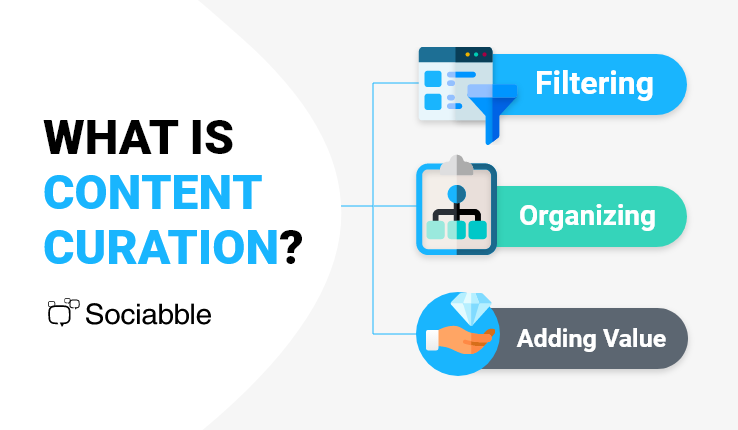
    Content curation goes beyond simply hitting the “share” button. It’s the art of selecting, refining, and presenting valuable content from credible sources to your audience. Think of it as being a curator in a museum, meticulously selecting the most captivating pieces for your audience to explore.

    Understand Your Audience

    Effective content curation begins with a deep understanding of your target audience—their interests, preferences, and pain points. Take the time to research and analyze your audience demographics, behavior, and content consumption habits to identify topics and themes that resonate with them. Use this insight to curate content that adds value, sparks conversation, and addresses the needs and interests of your audience.

    Establish Clear Goals

    Before embarking on your content curation journey, it’s essential to establish clear goals and objectives for your efforts. Are you looking to educate your audience, entertain them, or inspire them? Are you aiming to drive engagement, increase brand awareness, or generate leads? Define your goals and align your content curation strategy accordingly to ensure that your efforts are focused and effective.

    Curate Diverse Content Formats

    Variety is the spice of life, and the same holds true for content curation. Don’t limit yourself to a single content format—curate a diverse mix of articles, blog posts, videos, infographics, podcasts, and other multimedia content to keep your audience engaged and cater to different preferences. Experiment with different formats and styles to keep your content fresh and compelling.

    Source from Credible and Trusted Sources

    When curating content from third-party sources, it’s crucial to prioritize quality and credibility. Source content from reputable and trusted sources within your industry or niche to ensure that the information you share is accurate, reliable, and trustworthy. Avoid sharing content from questionable or unreliable sources, as it can damage your credibility and reputation.

    Add Value and Context

    Content curation is more than just sharing links—it’s about adding value and context to the content you curate. Provide your own insights, commentary, or opinions to help your audience understand why the content is relevant or valuable. Offer additional context, highlight key takeaways, or pose questions to spark conversation and engagement among your audience.

    Curate Evergreen and Timely Content

    Striking the right balance between evergreen and timely content is key to successful content curation. While evergreen content provides long-term value and relevance, timely content allows you to capitalize on current trends, news, and events to stay relevant and topical. Curate a mix of both evergreen and timely content to keep your feed fresh and engaging.

    Engage with Your Audience

    Content curation is not a one-way street—it’s a conversation. Engage with your audience by encouraging them to share their thoughts, opinions, and feedback on the content you curate. Respond to comments, answer questions, and participate in discussions to foster a sense of community and belonging among your audience.

    Measure and Iterate

    As with any marketing strategy, it’s essential to measure the performance of your content curation efforts and iterate based on insights and feedback. Track key metrics such as engagement rates, click-through rates, and social shares to gauge the effectiveness of your curated content. Use this data to refine your content curation strategy, experiment with new approaches, and continuously improve over time.

    In conclusion, content curation is a powerful strategy for businesses and content creators looking to provide value, maintain an active online presence, and engage with their audience on social media. By understanding your audience, establishing clear goals, curating diverse content formats, sourcing from credible sources, adding value and context, curating evergreen and timely content, engaging with your audience, and measuring and iterating on your efforts, you can harness the full potential of content curation to elevate your brand and connect with your audience in meaningful ways. So, start curating compelling content today and watch your social media presence thrive!

  • Harnessing Visuals: The Power of Instagram

    Harnessing Visuals: The Power of Instagram

    Harnessing Visuals: The Power of Instagram

    In the age of instant gratification, visuals reign supreme. With over a billion monthly active users, Instagram has become the undisputed king of visual storytelling, offering a powerful platform for brands to connect with their audience on a deeper level. But with endless scrolling feeds and fierce competition, how can brands stand out on Instagram?

    In today’s visually-driven digital landscape, Instagram has emerged as a powerhouse platform for businesses and content creators alike. With its emphasis on stunning visuals, engaging content, and a highly active user base, Instagram offers unparalleled opportunities for brands to connect with their audience, build brand awareness, and drive engagement. In this post, we’ll explore the myriad ways in which businesses can harness the power of Instagram to elevate their online presence and captivate their audience.

    Understanding the Instagram Landscape:

    Instagram thrives on high-quality visuals, from captivating photos to eye-catching videos. Think clean aesthetics, engaging captions, and strategic use of hashtags to maximize reach. The platform’s algorithm prioritizes user engagement, favoring posts that spark conversations and inspire action.

    Power of Instagram

    Crafting a Cohesive Brand Aesthetic:

    Developing a consistent visual identity is key to establishing brand recognition on Instagram. This doesn’t mean every post needs to look identical, but strive for a cohesive theme in terms of color palettes, editing styles, and overall tone.

    A strong brand aesthetic creates a sense of familiarity and professionalism, making your content instantly recognizable in a crowded feed.

    Beyond the Perfect Photo:

    While stunning visuals are crucial, captivating captions are equally important. Use storytelling to bring your photos and videos to life. Ask questions, spark conversations, and encourage users to share their experiences.

    Think of your captions as mini-conversations, enticing viewers to stop scrolling and engage with your content.

    The Power of Storytelling:

    Instagram Stories offer a fantastic opportunity to showcase a more behind-the-scenes glimpse into your brand. Use Stories to document events, share sneak peeks at new products, or host interactive polls and quizzes.

    The ephemeral nature of Stories (content disappears after 24 hours) creates a sense of urgency and encourages viewers to tune in before it’s gone.

    Harnessing the Power of Reels:

    Reels, Instagram’s short-form video answer to TikTok, have become a major player in the platform’s algorithm. Embrace creative freedom in Reels! Utilize trending audio tracks, showcase product tutorials, or host humorous skits that align with your brand voice.

    The key is to create engaging, entertaining Reels that capture attention and leave viewers wanting more.

    Collaborations and Influencer Marketing:

    Partnering with established Instagram influencers can be a strategic way to amplify your brand message and reach a wider audience. Look for influencers whose content aligns with your brand values and target demographic.

    Collaborations can take many forms: influencer takeovers of your brand’s story, co-created content, or product reviews featuring your offerings.

    User-Generated Content (UGC) is King:

    UGC is the holy grail of Instagram marketing. Encourage your audience to share photos and videos featuring your brand using a specific hashtag. This not only increases brand awareness but also fosters a sense of community and loyalty.

    Reposting user-generated content shows appreciation for your audience and demonstrates the real-world impact of your brand.

    Embrace the Power of Insights:

    Instagram Insights offers valuable data on your account’s performance. Track key metrics like reach, engagement rates, and website clicks to understand which content resonates with your audience and where you can refine your strategy.

    The ever-evolving world of Instagram presents a fantastic opportunity for brands to connect with their audience on a visual level. By harnessing the power of captivating visuals, strategic storytelling, and audience interaction, you can leverage Instagram to achieve your marketing goals. So, unleash your creativity, embrace the unique features of the platform, and watch your brand flourish on Instagram!

  • Creating Conversations: Community Management

    Creating Conversations: Community Management

    Creating Conversations: Community Management

    In the digital age, building a thriving online community has become a cornerstone of successful brand engagement and customer retention. As businesses strive to connect with their audience on a deeper level, community management has emerged as a critical strategy for fostering meaningful interactions and cultivating loyal relationships. In this post, we’ll delve into the art of community management and explore how businesses can leverage this powerful tool to create conversations, foster engagement, and cultivate a sense of belonging among their audience.

    Creating Conversations: Community Management – The Secret Weapon of Social Media Success

    In the bustling world of social media, where brands vie for attention amidst a constant stream of content, fostering genuine connections with your audience is the key to standing out. Here’s where community management steps in, transforming passive followers into active brand advocates.

    Community Management

    Community Management: More Than Just Liking and Responding

    Community management goes far beyond simply hitting the “like” button or responding to comments. It’s about cultivating a thriving online space where your audience feels valued, heard, and engaged.

    Think of it as hosting a virtual dinner party. You, the community manager, are the welcoming host, ensuring everyone feels comfortable, fostering conversations, and encouraging connections.

    Listen and Understand

    Effective community management begins with listening. Take the time to understand your audience’s needs, preferences, and pain points by actively monitoring conversations across various channels, including social media, forums, and review sites. Pay attention to what your community members are saying, identify common themes or questions, and use this insight to tailor your communication strategy and provide value-added solutions.

    Be Authentic and Transparent

    Authenticity is the cornerstone of successful community management. Be genuine in your interactions, show empathy towards your community members, and be transparent in your communications. Transparency breeds trust and fosters a sense of openness and authenticity within your community. Whether addressing customer concerns, sharing behind-the-scenes updates, or responding to feedback, prioritize honesty and integrity in all your interactions.

    Foster Engagement and Participation

    A vibrant online community thrives on active engagement and participation. Encourage your community members to share their thoughts, ask questions, and contribute to discussions by creating opportunities for interaction and collaboration. Host live Q&A sessions, initiate polls or surveys, organize contests or challenges, and facilitate peer-to-peer support forums to foster a sense of belonging and encourage meaningful connections among your audience.

    Provide Value and Support

    Your community members are your most valuable asset, so it’s essential to prioritize their needs and provide value-added support at every touchpoint. Offer educational resources, share industry insights, and provide actionable tips or advice to help your community members overcome challenges and achieve their goals. Be proactive in addressing customer inquiries or concerns, and go the extra mile to exceed their expectations and demonstrate your commitment to their success.

    Cultivate a Positive Culture

    A positive and inclusive culture is essential for fostering a supportive and welcoming community environment. Lead by example by modeling respectful and constructive communication, and set clear guidelines or community standards to ensure that all members feel safe and respected. Monitor conversations proactively, intervene if necessary to address any instances of negativity or toxicity, and foster a culture of mutual respect, diversity, and inclusion within your community.

    Measure and Iterate

    As with any marketing strategy, it’s crucial to measure the effectiveness of your community management efforts and iterate based on insights and feedback. Track key metrics such as engagement levels, sentiment analysis, community growth, and customer satisfaction to gauge the impact of your initiatives and identify areas for improvement. Use this data to refine your community management strategy, experiment with new approaches, and continuously evolve to meet the changing needs of your audience.

    In conclusion, community management is more than just moderating discussions—it’s about creating meaningful connections, fostering engagement, and cultivating a sense of belonging among your audience. By listening and understanding, being authentic and transparent, fostering engagement and participation, providing value and support, cultivating a positive culture, and measuring and iterating, businesses can harness the power of community management to build thriving online communities that drive brand loyalty, advocacy, and long-term success. So, roll up your sleeves, dive into the conversation, and watch your community flourish!

  • Navigating Trends: TikTok for Business

    Navigating Trends: TikTok for Business

    Navigating Trends: TikTok for Business

    In the ever-evolving landscape of social media, staying ahead of the curve is crucial for businesses looking to reach and engage with their target audience effectively. Enter TikTok, the rapidly growing platform that has taken the world by storm with its short-form video content and viral trends. While it may have started as a platform for Gen Z to showcase their dance moves and lip-syncing skills, TikTok has now become a powerful marketing tool for businesses of all sizes. In this post, we’ll explore how you can harness the power of TikTok for Business to elevate your brand and connect with your audience in a meaningful way.

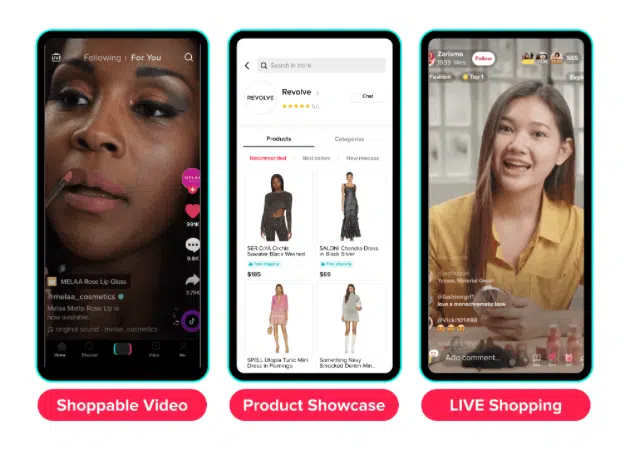
    Can a platform synonymous with viral dance challenges and lip-syncing battles truly be a goldmine for businesses? Absolutely! TikTok for Business has emerged as a game-changer, offering a dynamic space to reach a massive, highly engaged Gen Z audience and beyond.

    But for many businesses, the fast-paced, trend-driven nature of TikTok can seem daunting. Fear not! With the right approach, you can leverage the power of TikTok to build brand awareness, connect with your target audience, and drive real business results.

    TikTok

    Embrace Creativity

    One of the key ingredients to success on TikTok is creativity. With its emphasis on short, engaging video content, TikTok provides businesses with a unique opportunity to showcase their creativity and personality in a way that resonates with their audience. Whether it’s through entertaining skits, behind-the-scenes glimpses, or user-generated content challenges, embrace the creative freedom that TikTok offers to showcase your brand in a fresh and innovative light.

    Understand the Platform’s Audience

    To effectively leverage TikTok for Business, it’s essential to understand the platform’s audience demographics and preferences. While TikTok initially gained popularity among younger demographics, including Gen Z and Millennials, its user base has since expanded to include a broader range of age groups and interests. Take the time to research and analyze your target audience on TikTok, paying attention to trends, interests, and content preferences to tailor your approach accordingly.

    Participate in TikTok Challenges and Trends

    One of the hallmarks of TikTok is its viral challenges and trends that capture the attention of millions of users worldwide. By participating in popular challenges or creating your own branded challenges, you can tap into the platform’s viral nature and increase your brand visibility. Get creative with your approach, infuse your brand personality into the challenge, and encourage user participation to amplify your reach and engagement.

    Collaborate with TikTok Influencers

    Influencer marketing has become a cornerstone of many successful TikTok campaigns, with influencers playing a significant role in shaping trends and driving engagement on the platform. Partnering with TikTok influencers who align with your brand values and target audience can help you amplify your reach, build credibility, and generate authentic user engagement. Whether it’s through sponsored content, brand collaborations, or influencer takeovers, leverage the influence of TikTok creators to connect with your audience authentically.

    Utilize TikTok Ads

    In addition to organic content, TikTok offers a range of advertising options for businesses looking to reach a broader audience and drive specific objectives. From in-feed ads and branded hashtags to branded effects and top-view ads, TikTok ads provide businesses with the flexibility to create targeted campaigns tailored to their goals and budget. Experiment with different ad formats, creative elements, and targeting options to optimize your ad performance and maximize your return on investment.

    Monitor Performance and Iterate

    As with any marketing strategy, it’s essential to monitor the performance of your TikTok campaigns and iterate based on insights and feedback. Track key metrics such as views, engagement, follower growth, and conversion rates to gauge the effectiveness of your efforts and identify areas for improvement. Experiment with different content formats, posting schedules, and strategies to refine your approach and ensure long-term success on TikTok.

    In conclusion, TikTok for Business presents a wealth of opportunities for businesses looking to connect with their audience in a creative and authentic way. By embracing creativity, understanding your audience, participating in challenges and trends, collaborating with influencers, utilizing TikTok ads, and monitoring performance, you can harness the full potential of TikTok to elevate your brand, drive engagement, and achieve your business objectives. So, don’t wait any longer—dive into the world of TikTok for Business and unleash your brand’s creativity today!

  • Connecting with Audiences: Live Video Strategies

    Connecting with Audiences: Live Video Strategies

    Connecting with Audiences: Live Video Strategies

    In today’s fast-paced digital landscape, where attention spans are fleeting and content is king, live video has emerged as a powerful tool for engaging with audiences in real-time. From social media platforms to corporate webinars, live video has become a staple in the marketing toolkit of businesses and content creators alike. But how can you leverage this dynamic medium to its fullest potential? Let’s explore some effective live video strategies that can help you forge deeper connections with your audience.

    In today’s digital age, attention spans are shorter than ever, and the fight to capture audience interest is fierce. Enter live video: a dynamic, interactive medium that shatters the one-way communication barrier and fosters authentic connections in real-time. Whether you’re a seasoned entrepreneur, a budding artist, or a business looking to connect with your customers, live video offers a powerful platform to engage, educate, and convert.

    But simply hitting the “go live” button isn’t enough. To truly captivate your audience and leverage the power of live video, a strategic approach is essential. Here’s a roadmap to transform your live streams from good to captivating:

    Live Video Strategies

    Embrace Authenticity

    One of the most compelling aspects of live video is its ability to capture raw, unfiltered moments in real-time. Unlike pre-recorded content, live video allows you to showcase the authentic, human side of your brand or personality. Embrace imperfections, be genuine, and don’t be afraid to let your personality shine through. Audiences crave authenticity, and live video provides the perfect platform to deliver it.

    Plan with Purpose

    While spontaneity is part of the allure of live video, it’s essential to have a clear plan and purpose behind your broadcasts. Define your objectives, whether it’s to educate, entertain, or engage with your audience, and structure your content accordingly. Outline key talking points, incorporate interactive elements such as Q&A sessions or polls, and ensure a smooth flow throughout your broadcast to keep viewers engaged from start to finish.

    Promote in Advance

    Building anticipation is key to maximizing the impact of your live video broadcasts. Leverage your existing channels, such as social media, email newsletters, and website announcements, to promote your upcoming broadcasts in advance. Tease exciting content, highlight guest appearances or special features, and encourage your audience to mark their calendars and set reminders to tune in live. The more buzz you generate beforehand, the greater the turnout and engagement during your live broadcasts.

    Engage in Real-Time

    One of the biggest advantages of live video is the opportunity for real-time interaction with your audience. Encourage viewers to participate by asking questions, responding to comments, and addressing their concerns live on air. Acknowledge your viewers by name, create a sense of community, and make them feel like active participants rather than passive spectators. Engaging directly with your audience fosters a deeper connection and leaves a lasting impression long after the broadcast ends.

    Optimize for Discoverability

    To maximize the reach of your live video broadcasts, it’s essential to optimize for discoverability across various platforms. Use relevant keywords and hashtags in your video titles, descriptions, and accompanying posts to improve searchability and attract a wider audience. Consider cross-promoting your broadcasts on multiple platforms simultaneously to reach users across different channels. Additionally, leverage features such as scheduling tools and notifications to alert your audience when you’re about to go live, increasing the likelihood of engagement.

    Analyze and Iterate

    After each live video broadcast, take the time to analyze the performance and gather feedback from your audience. Pay attention to metrics such as viewership, engagement levels, and viewer retention to gauge the effectiveness of your strategies. Identify what worked well and what can be improved upon, and use these insights to refine your approach for future broadcasts. Continuous iteration and improvement are key to staying relevant and keeping your audience engaged over time.

    In conclusion, live video presents a unique opportunity to connect with audiences in a meaningful and authentic way. By embracing authenticity, planning with purpose, promoting in advance, engaging in real-time, optimizing for discoverability, and analyzing and iterating on your strategies, you can harness the full potential of live video to forge deeper connections, foster community engagement, and achieve your business objectives. So, the next time you go live, remember these strategies to captivate your audience and leave a lasting impression.

  • Enhancing Customer Engagement with Interactive Video Content

    Enhancing Customer Engagement with Interactive Video Content

    Enhancing Customer Engagement with Interactive Video Content

    In today’s digital age, capturing and retaining customer attention is an ever-growing challenge. Traditional video content, while powerful, can struggle to compete in an information-overloaded world.

    This is where interactive video content steps in. It transcends the limitations of static content, transforming viewers from passive observers to active participants, fostering a more engaging and memorable experience.

    But how exactly can you leverage interactive video content to enhance customer engagement and achieve your marketing goals? Let’s explore the exciting possibilities!

    In today’s digital age, where attention spans are short and competition for consumer attention is fierce, brands are constantly seeking innovative ways to captivate and engage their audience. One strategy that has emerged as a powerful tool for enhancing customer engagement is interactive video content. Interactive video content goes beyond traditional passive viewing experiences by allowing viewers to actively participate in the content, making it more immersive, memorable, and impactful. In this article, we’ll explore the benefits of interactive video content and how brands can leverage it to drive deeper engagement with their audience.

    Interactive Video Content

    Beyond the Linear: What is Interactive Video Content?

    Interactive video content breaks the mold of passive video consumption. It incorporates elements that invite viewers to actively participate, influencing the narrative, accessing additional information, or even shaping the overall experience.

    Imagine product explainer videos with clickable hotspots that reveal detailed specifications, or choose-your-own-adventure style videos where viewers make choices that determine the storyline. These are just a few examples of the diverse range of interactive video formats available today.

    Why Go Interactive? The Power of Engagement

    The benefits of incorporating interactive video content into your marketing strategy are numerous:

    • Boosted Engagement: Interactive videos are inherently more engaging than static videos. Users are actively involved in the experience, leading to higher levels of attention and participation.
    • Enhanced Learning and Recall: Research shows that people learn and retain information better when they actively participate in the learning process. Interactive video content allows viewers to explore information at their own pace and in a way that resonates with them.
    • Valuable User Data: Interactive video content can generate valuable data about your audience’s preferences, needs, and behavior. This data can be used to personalize future video content, improve campaign effectiveness, and understand customer journeys better.
    • Building Brand Loyalty: Interactive video content fosters a more memorable and positive brand experience. It allows users to connect with your brand on a deeper level, leading to increased brand loyalty and advocacy.

    Exploring the Interactive Content Universe: A Range of Formats

    The beauty of interactive video content marketing lies in its versatility. Here are some popular formats to consider:

    • Hotspots and Clickable Overlays: Enrich your videos with clickable hotspots that reveal additional information, product details, or links to relevant webpages upon user interaction.
    • Branching Narratives and Choose-Your-Own-Adventure: Create video experiences where viewers make choices that influence the storyline, fostering a sense of control and deeper engagement.
    • Interactive Quizzes and Polls: Embed quizzes or polls within your videos to assess audience understanding, gather valuable feedback, and personalize the viewing experience based on user responses.
    • 360° Videos and Virtual Reality Experiences: Transport users directly into your world with immersive 360° videos or interactive virtual reality experiences that allow them to explore your product or environment in a completely new way.

    Creating Compelling Interactive Video Content: A Strategic Approach

    Here are some key considerations to ensure your interactive video content marketing efforts hit the mark:

    • Align with Your Goals: Clearly define your marketing objectives before developing interactive video content. What action do you want viewers to take after engaging with your video?
    • Know Your Audience: Tailor your interactive content to the needs and interests of your target audience. What kind of interactive elements would resonate most with them?
    • Seamless User Experience: Ensure your interactive video content is user-friendly and functions flawlessly across different devices.
    • Promote and Share Strategically: Leverage social media, email marketing, and other channels to promote your interactive video content and reach your target audience.

    The Future of Interactive Video Content: Personalization and Data-Driven Strategies

    The future of interactive video content is bright. As technology evolves, we can expect even more personalized and data-driven experiences. Imagine interactive video content that adapts to viewer behavior in real-time, recommending additional resources or offering personalized product suggestions based on user choices.

    By embracing interactive video content, you can transform your marketing efforts from static and forgettable to dynamic and engaging experiences that drive results. So, are you ready to create interactive video content that captures attention, enhances customer engagement, and propels your brand forward?

  • The Evolution of Programmatic Advertising in Media Services

    The Evolution of Programmatic Advertising in Media Services

    The Evolution of Programmatic Advertising in Media Services

    The world of media services has undergone a dramatic transformation in recent years, and at the forefront of this change is programmatic advertising. This innovative approach to ad buying has revolutionized the way media is purchased and managed, replacing manual processes with intelligent automation powered by algorithms.

    But how exactly has programmatic advertising evolved, and what does the future hold for this transformative technology? Let’s delve into the fascinating journey of programmatic advertising and explore the exciting possibilities that lie ahead.

    In the ever-evolving landscape of media services, one of the most significant developments in recent years has been the rise of programmatic advertising. Programmatic advertising has transformed the way media services buy and sell ad inventory, offering unparalleled efficiency, targeting capabilities, and scalability. In this comprehensive guide, we’ll explore the evolution of programmatic advertising in media services, from its humble beginnings to its current status as a dominant force in digital advertising.

    Programmatic Advertising

    From Manual Negotiation to Real-Time Bidding: The Rise of Automation

    Traditionally, media buying involved manual negotiations between advertisers and publishers. This process was time-consuming, labor-intensive, and often lacked transparency.

    Programmatic advertising emerged as a solution, introducing real-time bidding (RTB) exchanges. These exchanges function like online marketplaces where advertisers can bid on ad placements across a vast network of websites and apps, all happening in milliseconds.

    Data Takes Center Stage: Targeting Audiences with Precision

    Programmatic advertising goes beyond automation. It leverages the power of data to deliver highly targeted advertising campaigns. Advertisers can utilize various data sources, including demographics, interests, browsing behavior, and purchase history, to target their ideal audience segments with laser precision.

    This data-driven approach ensures that ads reach the most relevant users, increasing campaign effectiveness and maximizing return on investment (ROI).

    The Rise of Programmatic Direct Deals: A Hybrid Approach

    The programmatic landscape isn’t limited to RTB auctions. Programmatic direct deals offer a hybrid approach, allowing advertisers to negotiate guaranteed ad inventory directly with publishers at pre-set prices. This provides more control and higher viewability rates compared to open RTB exchanges.

    The Future of Programmatic Advertising: Artificial Intelligence Takes the Wheel

    As artificial intelligence (AI) continues to evolve, its influence on programmatic advertising is undeniable. AI algorithms are already playing a significant role in:

    • Automated Bidding Strategies: AI can analyze complex data sets and employ sophisticated bidding strategies to optimize ad spend and maximize campaign performance.
    • Creative Optimization: AI can analyze user behavior and preferences to dynamically adjust ad creatives in real-time, ensuring the most effective message is delivered to each individual viewer.
    • Fraud Detection: AI algorithms can identify and prevent fraudulent ad activity, safeguarding advertiser budgets and protecting campaign integrity.

    The Benefits of Programmatic Advertising for Media Services

    For media service providers, programmatic advertising offers a multitude of advantages:

    • Increased Efficiency: Automating tedious tasks frees up valuable time and resources, allowing media service providers to focus on developing strategic marketing campaigns.
    • Improved Targeting: Reaching the right audience is paramount. Programmatic advertising allows for highly targeted campaigns, leading to better engagement and conversion rates.
    • Data-Driven Insights: Programmatic platforms provide valuable data and insights into campaign performance, allowing media service providers to optimize strategies and demonstrate value to clients.
    • Transparency and Control: Despite automation, programmatic platforms offer greater transparency into campaign performance and budget allocation compared to traditional methods.

    The Evolving Role of Media Service Providers in the Programmatic Age

    While automation plays a crucial role, media service providers remain essential in the programmatic advertising landscape. Here’s how their role is evolving:

    • Strategic Planning and Campaign Management: Media service providers offer expertise in developing campaign strategies, selecting the right programmatic channels, and managing complex programmatic campaigns.
    • Data Analysis and Optimization: The ability to interpret vast amounts of programmatic data and translate them into actionable insights remains a core competency of media service providers.
    • Creative Development and Storytelling: Even in a programmatic world, compelling creative content is king. Media service providers can help craft engaging ad narratives that resonate with target audiences.

    Programmatic Advertising: A Powerful Tool for Modern Media Services

    Programmatic advertising has transformed the media buying landscape, offering a data-driven and efficient approach to reaching target audiences. As AI continues to evolve, the future of programmatic advertising is brimming with possibilities. Media service providers who embrace this technology and leverage its power can deliver exceptional value to their clients and stay ahead of the curve in the ever-changing world of advertising.

  • Implementing Effective SEO Strategies for Media Services

    Implementing Effective SEO Strategies for Media Services

    Implementing Effective SEO Strategies for Media Services

    In the fast-paced world of media services, where competition is fierce and audience attention is at a premium, implementing effective SEO strategies is crucial for staying ahead of the curve and maximizing visibility and engagement. Search engine optimization (SEO) plays a critical role in ensuring that media services are discoverable, relevant, and authoritative in the eyes of search engines like Google. In this comprehensive guide, we’ll explore key SEO strategies tailored specifically for media services, helping you to increase your online presence, attract more traffic, and ultimately, grow your audience and revenue.

    Understanding SEO for Media Services

    SEO for media services involves optimizing digital content, such as articles, videos, podcasts, and multimedia content, to improve its visibility and ranking in search engine results pages (SERPs). The goal is to ensure that your content is easily discoverable by users searching for relevant topics or keywords related to your media services. Effective SEO strategies help to increase organic traffic, enhance brand visibility, and establish your media service as a trusted authority in your niche.

    In today’s digital age, a strong online presence is crucial for any media service provider, from video production companies to graphic designers. But with a saturated online marketplace, how do you ensure your media services stand out and attract your ideal clients?

    The answer lies in effective Search Engine Optimization (SEO) strategies. By optimizing your website and online presence for relevant search terms, you can increase your visibility in search engine results pages (SERPs) and connect with potential clients actively searching for the services you offer.

    SEO Strategies

    Keyword Research and Targeting

    Keyword research is the foundation of any successful SEO strategy. Start by identifying relevant keywords and phrases that your target audience is likely to search for when looking for media services like yours. Use keyword research tools like Google Keyword Planner, SEMrush, or Ahrefs to discover high-volume, low-competition keywords that are relevant to your niche. Once you’ve identified your target keywords, incorporate them strategically into your content, including titles, headings, meta descriptions, and body copy, to improve your chances of ranking higher in search results.

    Optimizing Content for Search Intent

    Understanding search intent is crucial for optimizing content effectively. Search engines like Google prioritize content that best satisfies the user’s search intent, whether it’s informational, navigational, transactional, or commercial. Tailor your content to align with the intent behind users’ search queries. For example, if users are searching for “how-to guides for video editing,” create comprehensive tutorials or guides that address their specific needs and provide valuable insights and tips related to video editing.

    Creating High-Quality and Engaging Content

    High-quality content is essential for SEO success. Focus on creating valuable, informative, and engaging content that resonates with your target audience. Whether it’s articles, videos, podcasts, or multimedia content, aim to provide unique insights, actionable advice, or entertaining storytelling that sets your media service apart from competitors. Invest in professional production values, compelling visuals, and captivating storytelling to keep users engaged and coming back for more.

    Optimizing Website Structure and Navigation

    A well-structured website is critical for SEO performance. Ensure that your website is easy to navigate and user-friendly, with clear navigation menus, logical site architecture, and intuitive user interface design. Organize your content into relevant categories and subcategories, and use internal linking to help search engines understand the hierarchy and relationships between different pages on your site. Optimize page load speed, mobile responsiveness, and site security to provide users with a seamless browsing experience across devices.

    Utilizing Multimedia and Visual Content

    Multimedia and visual content play a crucial role in engaging users and enhancing SEO performance. Incorporate a variety of multimedia elements, such as images, videos, infographics, and interactive content, to enrich your website and keep users engaged. Optimize multimedia content for search by using descriptive filenames, alt text, and captions that include relevant keywords. Additionally, consider creating transcripts or captions for audio and video content to make it accessible to users with disabilities and improve search engine indexing.

    Monitoring Performance and Iterating

    Continuous monitoring and optimization are essential for maintaining and improving SEO performance over time. Use web analytics tools like Google Analytics or Search Console to track key metrics such as organic traffic, keyword rankings, click-through rates, and conversion rates. Analyze this data regularly to identify trends, opportunities, and areas for improvement. Iterate your SEO strategies based on insights gathered from data analysis, testing different approaches, and refining your tactics to achieve better results.

    In conclusion, implementing effective SEO strategies is essential for media services looking to increase their online visibility, attract more traffic, and build a loyal audience. By focusing on keyword research and targeting, optimizing content for search intent, creating high-quality and engaging content, optimizing website structure and navigation, utilizing multimedia and visual content, and monitoring performance and iterating, media services can improve their SEO performance and achieve their business objectives in the competitive digital landscape.