Category: Content Marketing

  • Conquering Content Marketing: Strategies that Drive Results

    Conquering Content Marketing: Strategies that Drive Results

    Conquering Content Marketing: Strategies that Drive Results

    In the digital age, where attention spans are shorter than ever and competition for consumer attention is fiercer than ever, content marketing has emerged as a powerful strategy for businesses looking to stand out from the crowd and engage their audience in meaningful ways. From blog posts and videos to podcasts and social media posts, content marketing allows brands to connect with their audience, build trust, and drive results. In this blog post, we’ll explore some effective strategies for conquering content marketing and achieving your business goals.
    Content Marketing
    xr:d:DAFqRyPujys:5,j:7540550011958492091,t:23080108

    Content Marketing Conquest: Slay the Scroll and Rule the Engagement Game

    In the vast digital kingdom, content marketing reigns supreme. It’s the mighty weapon that slays the scroll, captivates audiences, and propels brands to the top of the search results (and customer hearts!). But conquering content marketing isn’t a solo quest. It requires a strategic plan, a touch of creativity, and a whole lot of audience understanding.

    So, brave warriors, here are the battle tactics to equip you for content marketing domination:

    1. Know Your Audience: Become a Mastermind of Their Needs and Desires

    Before crafting a single sentence, embark on a quest to understand your audience. What are their pain points? What topics pique their curiosity? What kind of content resonates most (articles, infographics, captivating videos)? Unearthing these desires equips you to create content that truly connects and solves their problems.

    2. Content Variety is the Spice of Life (and Engagement):

    Don’t get stuck in a content rut! Variety keeps your audience engaged. Informative blog posts can be paired with eye-catching infographics. In-depth tutorials can be complemented by lighthearted social media snippets. Remember, a diverse content library caters to different learning styles and preferences.

    3. The Power of Storytelling: Weave a Narrative that Captivates

    Facts and figures are important, but stories are what truly capture hearts. Infuse your content with a narrative, whether it’s a customer success story, an industry challenge overcome, or a glimpse into a day in the life at your company. Stories make your brand relatable and forge deeper connections with your audience.

    4. Embrace the Power of Visuals: A Picture is Worth a Thousand Words (or Likes)

    Let’s face it, people are visual creatures. Images, infographics, and videos break up text-heavy content, making it easier to digest and more visually appealing. Plus, high-quality visuals can significantly boost engagement and brand recall.

    5. SEO: The Secret Weapon for Content Visibility

    Search Engine Optimization (SEO) ensures your fantastic content gets discovered. Research relevant keywords and strategically incorporate them into your content. Optimize titles, meta descriptions, and headers to make search engines understand your content’s value and improve your website’s ranking.

    6. The Art of the Call to Action (CTA): Don’t Leave Them Hanging!

    Don’t let your audience wander off after devouring your content. Include clear CTAs (calls to action) that prompt them to take the next step. Whether it’s subscribing to your newsletter, downloading an ebook, or contacting you for a consultation, a well-crafted CTA keeps the conversation going and fosters conversions.

    7. The Content Conversation Never Ends: Engagement is the Crown Jewel

    Publishing a piece of content isn’t the finish line; it’s the starting point for an ongoing conversation. Encourage audience engagement by responding to comments, participating in discussions, and actively promoting your content across various platforms. Social media is a goldmine for fostering engagement, so leverage it to its full potential.

    8. Repurpose and Reuse Like a Content Marketing Pro

    You’ve poured your heart and soul into crafting a stellar piece of content. Don’t let it gather dust! Repurpose your content into different formats to maximize its reach. A blog post can be transformed into a social media series, an infographic can be adapted into a video script, and an insightful presentation can be turned into a downloadable guide.

    9. Measure, Analyze, and Adapt: Sharpen Your Content Strategy

    Content marketing is an ongoing journey. Track key metrics like website traffic, engagement rates, and conversions to understand what resonates with your audience. Use this data to refine your strategy, experiment with new approaches, and ensure your content marketing efforts continue to yield impressive results.

    10. Consistency is King (or Queen): The Long Game to Content Marketing Glory

    Building a loyal audience takes time and dedication. Develop a consistent content calendar and stick to it. Regularly publishing fresh, high-quality content keeps your audience coming back for more and establishes you as a thought leader in your industry.

    By wielding these content marketing strategies, you’ll be well on your way to conquering the digital landscape. Remember, it’s not just about creating content; it’s about creating connections, sparking conversations, and engaging your audience in a meaningful way. So, unleash your inner content marketing warrior, and get ready to reign supreme in the kingdom of digital engagement!
  • Emerging Trends in Digital Marketing for 2024

    Emerging Trends in Digital Marketing for 2024

    Emerging Trends in Digital Marketing for 2024

    In the ever-evolving landscape of digital marketing, staying ahead of the curve is essential for success. As we embark on a new year, it’s crucial to keep a finger on the pulse of the latest trends and developments shaping the industry. From the rise of artificial intelligence to the growing importance of sustainability, 2024 promises to be an exciting year for digital marketers. In this blog post, we’ll explore some of the emerging trends in digital marketing for 2024 and share insights on how you can leverage them to stay ahead of the competition.

    Digital Marketing

    2024: A Digital Marketing Odyssey – Unveiling the Trends Shaping the Future

    Fasten your seatbelts, digital marketing voyagers! We’re embarking on a journey to explore the uncharted territories of 2024’s marketing landscape. Buckle up and get ready to discover the trends that will propel your brand to new heights.

    1. The Rise of the Machines (But in a Good Way): Artificial Intelligence (AI) and Machine Learning (ML) to the Rescue

    AI and ML are no longer science fiction; they’re becoming an integral part of the digital marketing toolkit. Expect to see these technologies powering:

    • Hyper-personalization: Imagine ad experiences and website content that adapt to individual user preferences in real-time. AI and ML make this a reality, enabling marketers to deliver an unmatched level of personalization.
    • Smart Bidding and Marketing Automation: AI can analyze vast amounts of data to optimize ad campaigns and automate repetitive tasks, freeing up your time to focus on strategic initiatives.
    • Content Creation on Steroids: AI-powered tools can assist with content creation, from generating topic ideas to suggesting relevant keywords and even writing drafts. However, the human touch will always be irreplaceable for crafting truly engaging content.

    2. The Metaverse Beckons: Unveiling the Marketing Potential of Virtual Worlds

    The Metaverse, a network of interconnected virtual worlds, is no longer just a futuristic concept. Forward-thinking brands are already exploring its marketing potential. Imagine hosting virtual product launches, creating immersive brand experiences, or offering exclusive content within these digital spaces. The Metaverse opens doors to a whole new way of connecting with audiences.

    3. The Reign of the Niche Continues: Micro-Influencers Take Center Stage

    While mega-influencers still hold some sway, the tide is turning towards micro-influencers. These social media stars boast smaller but highly engaged followings, often built around specific niches. Partnering with micro-influencers allows for targeted marketing campaigns that resonate deeply with a relevant audience.

    4. Short and Sweet: The Power of Short-Form Video Content

    Our attention spans are shrinking, and video content reigns supreme. Platforms like TikTok and Instagram Reels have exploded in popularity, and this trend is here to stay. Bite-sized video content is a fantastic way to grab attention, tell engaging stories, and promote your brand in a fun and dynamic way.

    5. The Evolving Landscape of Social Commerce: From Browsing to Buying in a Click

    Social media platforms are no longer just places to connect; they’re becoming shopping destinations. Social commerce features like shoppable posts and live streams that convert viewers into buyers are streamlining the purchasing journey. This trend is expected to continue its meteoric rise in 2024.

    6. Listen Up! The Growing Importance of Voice Search

    Voice search technology is rapidly evolving, and people are increasingly using voice assistants to find information and make purchases. Optimizing your website and content for voice search will be crucial to ensure your brand is found when users ask those all-important questions.

    7. Customer Experience (CX) Reigns Supreme: Building Brand Loyalty Through Empathy

    In a world saturated with marketing messages, exceptional customer experience (CX) is the ultimate differentiator. Focus on building genuine connections with your audience, providing personalized service, and addressing their needs promptly. By prioritizing CX, you’ll foster brand loyalty and keep customers coming back for more.

    8. Data Privacy Takes Center Stage: Embracing a Cookieless Future

    With growing concerns around data privacy, third-party cookies are on the decline. This necessitates a shift towards zero-party data, information that users willingly share with brands. Building trust and creating engaging content that encourages users to share their preferences will be paramount in the cookieless future.

    9. Sustainability: A Cause We Can All Get Behind

    Consumers are becoming increasingly environmentally conscious. Incorporating sustainable practices into your marketing strategy and highlighting your brand’s commitment to environmental responsibility will resonate with this growing segment of the market.

    10. The Human Touch Endures: Authenticity is Key in a Digital World

    While technology is at the forefront of digital marketing, the human touch remains irreplaceable. Building trust and fostering genuine connections with your audience is crucial for long-term success. Let your brand personality shine through, connect with your audience on an emotional level, and create marketing campaigns that are both informative and inspiring.

    The digital marketing landscape is constantly evolving, and these trends offer a glimpse into the exciting future that awaits. By embracing these emerging strategies and staying ahead of the curve, you can ensure your brand thrives in the ever-changing world of digital marketing. So, get ready to navigate the uncharted territories of 2024 and transform your brand into a digital marketing pioneer

  • Understanding Google Analytics for Digital Insights

    Understanding Google Analytics for Digital Insights

    Understanding Google Analytics for Digital Insights

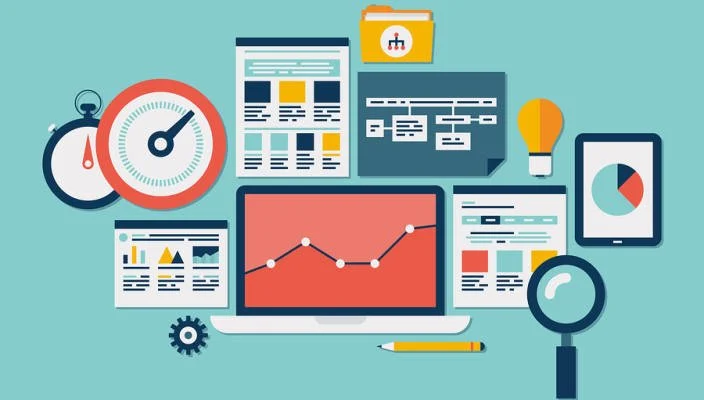
    In the dynamic world of digital marketing, knowledge is power – and when it comes to understanding your audience, tracking your website’s performance, and making data-driven decisions, there’s no tool quite like Google Analytics. With its robust suite of features and capabilities, Google Analytics provides invaluable insights that can help you optimize your digital strategy, improve user experience, and drive meaningful results for your business. In this blog post, we’ll delve into the importance of Google Analytics for gaining digital insights and share some key tips for leveraging its power to your advantage.

    Google Analytics

    Demystifying the Data Maze: Unveiling the Power of Google Analytics for Digital Domination

    Ever felt overwhelmed by website traffic data? Confused by all those charts and graphs in Google Analytics? Fear not, digital warriors! Google Analytics is a treasure trove of insights, but it can seem like a foreign language at first glance. Here’s your decoder ring to unlock the power of this essential digital marketing tool:

    1. Google Analytics: Your Website’s GPS

    Think of Google Analytics as your website’s global positioning system (GPS). It tracks website traffic, user behavior, and conversions, providing invaluable insights into how visitors interact with your digital space. By understanding these insights, you can refine your website, optimize your marketing campaigns, and ultimately achieve your digital goals.

    2. Setting Up for Success: Website Tracking and Goals

    Before you delve into the data, ensure your website is properly set up with Google Analytics tracking. This involves adding a small piece of code to your website that anonymously collects user data.

    Next, define your website goals. Do you want visitors to download a white paper, sign up for your newsletter, or make a purchase? Setting clear goals allows Google Analytics to track conversions and measure the success of your website and marketing efforts.

    3. Traffic Acquisition: Where Do Your Visitors Come From?

    One of the most fundamental reports in Google Analytics is traffic acquisition. This report reveals how visitors find your website. Are they coming from organic search, social media referrals, paid advertising campaigns, or directly typing in your URL? Understanding your traffic sources allows you to identify the most effective marketing channels and optimize your strategies accordingly.

    4. Audience Insights: Getting to Know Your Visitors

    Google Analytics doesn’t just tell you how many visitors you have; it also reveals who they are (well, anonymously!). You can gain insights into demographics like age, location, and even interests. Understanding your audience profile allows you to tailor your website content and marketing messages to resonate with the right people.

    5. User Behavior: Unveiling the Visitor Journey

    So, what do visitors do once they land on your website? Google Analytics provides valuable insights into user behavior. Track which pages visitors frequent, how long they stay on your website, and where they drop off. This data helps you identify areas for improvement, such as optimizing slow-loading pages or streamlining your checkout process.

    6. Conversions: Tracking Success and Measuring ROI

    Remember those website goals you set earlier? Google Analytics tracks conversions, allowing you to see how many visitors take the desired action, whether it’s making a purchase, subscribing to your email list, or downloading a resource. This data enables you to measure the return on investment (ROI) of your marketing efforts and identify areas for improvement.

    7. Dive Deeper: Advanced Features for the Data-Driven Marketer

    Google Analytics offers a vast array of advanced features for the data-driven marketer. Explore features like custom reports, segmenting your audience for even more granular insights, and integrating Google Analytics with other marketing tools to create a unified data ecosystem.

    8. From Data to Action: Turning Insights into Website Optimization

    The true power of Google Analytics lies in using the data to take action. By analyzing visitor behavior and identifying areas for improvement, you can optimize your website for better user experience and higher conversion rates.

    9. Embrace the Learning Curve: Google Analytics is a Journey

    Don’t expect to become a Google Analytics master overnight. There’s a learning curve involved, but countless online resources and tutorials are available to help you navigate this powerful tool. Experiment, explore different reports, and don’t be afraid to ask questions in online marketing forums.

    10. Google Analytics: Your Partner in Digital Growth

    By harnessing the power of Google Analytics, you can transform website data from a confusing maze into a roadmap for digital success. With ongoing exploration and data-driven insights, you can optimize your website, refine your marketing strategies, and ultimately achieve your digital goals. So, log in to your Google Analytics dashboard, unleash your inner data detective, and get ready to transform your website into a digital powerhouse!

  • Optimizing Website Design for Digital Conversions

    Optimizing Website Design for Digital Conversions

    Optimizing Website Design for Digital Conversions

    In the competitive world of digital marketing, your website serves as the virtual storefront for your business. It’s the first impression that potential customers have of your brand, and it plays a crucial role in determining whether visitors stay and engage or click away in search of a better experience elsewhere. That’s why optimizing your website design for digital conversions is essential for driving meaningful results and achieving your business goals. In this blog post, we’ll explore the importance of website design in digital conversions and share some key strategies for optimizing your site for maximum impact.

    Website Design

    Website Design: From Digital Eyesore to Conversion Magnet – Unleash the Optimization Power!

    Imagine a beautifully designed storefront with broken windows, a confusing layout, and products hidden in dark corners. Not exactly a recipe for customer success, right? The same applies to websites. A visually appealing design is a great start, but for true digital dominance, your website needs to be optimized for conversions.

    So, how do you transform your website from a passive observer to an active conversion machine? Let’s explore some website design optimization strategies that turn visitors into loyal customers:

    1. First Impressions Matter: Welcome Visitors with Clarity and Cohesiveness

    The moment a visitor lands on your website, the clock starts ticking. You have a limited window to capture their attention and guide them towards your desired action. That’s where a clear and cohesive design comes in.

    • Clean and Simple Navigation: Make it easy for visitors to find what they’re looking for. A user-friendly navigation bar with clear labels is essential.
    • Visually Consistent Branding: Maintain a consistent brand identity throughout your website, from color scheme and fonts to overall layout. This builds trust and establishes brand recognition.
    • High-Quality Images and Videos: Visuals are powerful storytelling tools. Use high-quality images and videos that showcase your products, services, and brand personality. But remember, optimize them for fast loading speeds – no one enjoys waiting for a website to crawl.

    2. Content is King, But User Experience is Queen (or King):

    Content is crucial, but how you present it is equally important. Structure your content for easy consumption – digestible paragraphs, clear headings, and bullet points for key takeaways.

    • Mobile-First Design: Remember, a significant portion of website traffic comes from mobile devices. Ensure your website is responsive and adapts seamlessly to different screen sizes.
    • White Space is Your Friend: Don’t clutter your website with too much information. Use white space strategically to create visual breathing room and guide the visitor’s eye towards important elements.
    • Calls to Action (CTAs) That Convert: Tell your visitors what you want them to do next. Include clear and compelling CTAs throughout your website, whether it’s “Buy Now,” “Contact Us,” or “Download Our Free Guide.”

    3. Embrace the Power of Social Proof:

    People trust other people’s experiences. Showcase positive customer testimonials, case studies, and social media mentions on your website. Seeing positive social proof builds confidence and encourages visitors to take the next step.

    4. SEO Optimization: The Search Engine Matchmaker:

    Search Engine Optimization (SEO) ensures your website gets discovered by the right people searching for your offerings.

    • Keyword Research: Identify relevant keywords that your target audience uses to find solutions like yours. Strategically incorporate these keywords into your website content, page titles, and meta descriptions.
    • Fast Loading Speeds: Search engines (and website visitors) prioritize fast loading times. Optimize your website images, code, and plugins to ensure lightning-speed performance.

    5. A/B Testing: The Art of Continuous Improvement:

    Website design optimization is an ongoing process. Don’t be afraid to experiment! A/B testing allows you to compare different versions of website elements like headlines, CTAs, or page layouts. See what resonates best with your audience and continuously refine your website design for maximum impact.

    Website Design: A Conversion Catalyst

    By implementing these optimization strategies, you can transform your website design from a digital eyesore into a conversion magnet. Remember, a well-designed website doesn’t just look good – it guides visitors toward your goals, fosters trust, and ultimately drives digital success. So, unleash the optimization power within your website design and watch your conversion rates soar!

  • The 10 Importance of Email Marketing in Digital Campaigns

    The 10 Importance of Email Marketing in Digital Campaigns

    The 10 Importance of Email Marketing in Digital Campaigns

    In the ever-evolving landscape of digital marketing, one strategy has stood the test of time and continues to deliver impressive results: email marketing. While social media, SEO, and PPC advertising often hog the spotlight, email marketing quietly remains one of the most powerful tools in the marketer’s arsenal. In this blog post, we’ll delve into the importance of email marketing in digital campaigns and why it should be a cornerstone of your marketing strategy.

    Email Marketing

    Don’t Sleep on Email Marketing: Why It’s Your Digital Campaign BFF

    In the age of flashy social media trends and ever-evolving marketing tactics, it’s easy to overlook a tried-and-true champion: email marketing. But hold on before you hit the archive button on that email draft. Email marketing remains a powerful tool in your digital campaign arsenal, offering a direct line of communication with a highly engaged audience.

    So, why should email marketing be your BFF in the world of digital campaigns? Let’s dive into the reasons why this trusty channel deserves a starring role in your marketing strategy:

    1. Permission-Based Powerhouse: Unlike some marketing tactics that feel intrusive, email marketing is permission-based. People have opted in to receive your messages, indicating a genuine interest in your brand and offerings. This translates to higher engagement rates and a more receptive audience compared to cold outreach methods.

    2. Targeted Communication: Segmentation is Your Superpower: Gone are the days of blasting generic emails to a massive list. Email marketing allows for segmentation, the art of dividing your audience into smaller groups with common interests or demographics. This enables you to send highly targeted emails that resonate with specific segments, increasing the relevancy and effectiveness of your messages.

    3. Personalization: The Magic Touch That Converts: People crave a personal touch. Email marketing lets you personalize your messages with subscriber names, purchase history, or website browsing behavior. Imagine receiving an email that addresses you by name and recommends products you’ve shown interest in – that’s the power of personalization, and it can significantly boost conversion rates.

    4. Building Relationships That Last: Email marketing is a two-way street. Use it to nurture relationships with your subscribers. Provide valuable content, offer exclusive discounts, or simply share industry insights. By fostering connections and building trust, you cultivate a loyal subscriber base that’s more likely to convert into paying customers and brand advocates.

    5. A Treasure Trove of Data-Driven Insights: Email marketing platforms provide a wealth of data about your subscribers’ behavior. Track open rates, click-through rates, and conversion rates to understand what resonates with your audience. Use this data to refine your email strategy, craft more compelling content, and ultimately achieve your marketing goals.

    6. Measurable ROI: Track Your Success Like a Pro: Unlike some marketing channels, email marketing offers clear, measurable results. Track key metrics like open rates and click-through rates to gauge subscriber engagement. Analyze conversion rates to see how your email campaigns translate into sales or other desired outcomes. This data-driven approach allows you to measure your return on investment (ROI) and identify areas for improvement.

    7. Budget-Friendly Marketing Magic: Compared to some marketing channels, email marketing is a cost-effective way to reach a large audience. The barrier to entry is low, making it accessible to businesses of all sizes. You can leverage free email marketing tools to get started, and as your campaign grows, you can explore more advanced features offered by paid platforms.

    8. Automation is Your Friend: Streamline your email marketing efforts with automation. Set up automated welcome emails for new subscribers, send birthday greetings with special offers, or trigger drip campaigns based on subscriber behavior. Automation saves you time and ensures your subscribers receive relevant messages at the right time.

    9. Multi-Channel Marvel: The Power of Integration: Email marketing doesn’t exist in a silo. Integrate it with your other digital marketing channels. Include social media links in your emails, promote your email list on your website, and leverage email automation to nurture leads generated through other marketing efforts. This cohesive approach maximizes your reach and impact.

    10. It’s Not Dead, It’s Evolving: Email marketing isn’t a relic of the past; it’s constantly evolving. New technologies like interactive content and personalized video greetings are making email experiences even more engaging. Embrace these innovations to stay ahead of the curve and ensure your email marketing remains a powerful tool in your digital campaign arsenal.

    So, next time you’re crafting your digital marketing strategy, don’t underestimate the power of email marketing. By building a strong email list, creating engaging content, and leveraging data-driven insights, you can transform email marketing into a powerful driver of brand awareness, customer engagement, and ultimately, digital campaign success. Stay tuned for our next post where we delve into crafting irresistible email campaigns that convert!

  • The Power of SEO in Digital Marketing

    The Power of SEO in Digital Marketing

    The Power of SEO in Digital Marketing

    In the bustling realm of digital marketing, where every click, like, and share counts, one key acronym reigns supreme: SEO. Search Engine Optimization, or SEO, isn’t just a buzzword thrown around in marketing circles; it’s the very backbone of successful online visibility and growth. In the vast landscape of the internet, where countless businesses vie for attention, mastering the art of SEO is like discovering the Holy Grail for digital marketers.

    SEO

    Unveiling the Search Engine Magnet: How SEO Powers Your Digital Marketing

    Imagine a bustling marketplace overflowing with potential customers, all searching for exactly what you offer. Sounds like a marketer’s dream, right? Well, that marketplace exists – it’s the vast digital landscape, and the key to unlocking its potential is SEO.

    Think of SEO (Search Engine Optimization) as the neon sign that draws those customers straight to your door. By strategically optimizing your website and content, you make it easier for search engines to understand your brand and, more importantly, connect you with users actively seeking your products or services.

    Imagine this: You have a stellar website showcasing your products or services, but it’s like a hidden gem buried deep in the digital abyss. Without proper SEO, your website might as well be invisible to potential customers searching for what you offer. That’s where the magic of SEO comes into play – it’s the beacon that guides your target audience straight to your virtual doorstep.

    At its core, SEO is about understanding how search engines like Google work and leveraging that knowledge to your advantage. When someone types a query into a search engine, they’re essentially asking a question. Your goal as a digital marketer is to ensure that your website provides the best answer to that question. This involves optimizing various elements of your website – from keywords and meta descriptions to site speed and mobile-friendliness – to ensure that search engines recognize your site as a relevant and authoritative source of information.

    But SEO is more than just optimizing for search engines; it’s about optimizing for the user experience as well. A well-optimized website not only ranks higher in search results but also provides a seamless and enjoyable browsing experience for visitors. From intuitive navigation to informative content, every aspect of your website should be designed with the user in mind. After all, happy users are more likely to convert into loyal customers.

    One of the most powerful aspects of SEO is its ability to generate organic traffic. Unlike paid advertising, which stops the moment you stop paying, organic traffic is sustainable and long-lasting. By consistently producing high-quality content that resonates with your target audience and optimizing it for search engines, you can attract a steady stream of organic traffic to your website without breaking the bank.

    But perhaps the true beauty of SEO lies in its scalability and adaptability. Whether you’re a small startup or a multinational corporation, SEO levels the playing field and allows you to compete with industry giants on equal footing. By continuously monitoring and adjusting your SEO strategy based on changing algorithms and market trends, you can stay ahead of the curve and maintain your competitive edge in the ever-evolving digital landscape.

    In conclusion, SEO isn’t just a tool in the digital marketer’s arsenal – it’s the cornerstone of online success. By harnessing the power of SEO, you can increase your online visibility, reach your target audience, and drive sustainable growth for your business. So, if you haven’t already embraced the magic of SEO, there’s no better time than now to unlock its full potential and take your digital marketing efforts to new heights.

  • Maximizing ROI with Data-Driven Marketing

    Maximizing ROI with Data-Driven Marketing

    From Intuition to Insight: Maximizing ROI with Data-Driven Marketing

    In today’s data-rich environment, businesses have access to a wealth of information that can be leveraged to inform strategic decision-making and drive marketing success. Data-driven marketing, also known as DDM, is a methodology that relies on data analysis and insights to optimize marketing strategies, enhance targeting, and maximize return on investment (ROI). In this article, we’ll delve into the power of data-driven marketing and explore how businesses can harness data to achieve their marketing goals effectively.

    Data-Driven Marketing

    In the world of marketing, where budgets are tight and competition is fierce, achieving a high return on investment (ROI) is paramount. Gone are the days of relying solely on gut instinct and creative flair. Today, data-driven marketing reigns supreme, offering a powerful approach to optimize campaigns, maximize efficiency, and ultimately, squeeze every drop of value from your marketing spend.

    Why Data Matters

    Data is the lifeblood of data-driven marketing. It’s the fuel that powers insights, allowing you to see beyond the surface and understand what truly resonates with your audience. Here’s how data can transform your marketing efforts:

    • Uncover Customer Behavior: Website analytics, social media data, and customer surveys reveal valuable insights into user behavior. You can see which content resonates, how visitors navigate your website, and which marketing channels drive the most conversions.

    • Personalization Powerhouse: Leverage data to personalize your marketing messages. Imagine sending targeted email campaigns based on past purchases or displaying relevant ads based on browsing history. Data empowers this level of personalization, leading to higher engagement and conversion rates.

    • Identify Campaign Performance: Data allows you to track the performance of your marketing campaigns in real-time. Metrics like click-through rates, conversion rates, and cost-per-acquisition (CPA) provide a clear picture of what’s working and what needs improvement.

    • Optimize for Success: With data insights at your fingertips, you can continuously optimize your marketing campaigns. A/B test different ad copy, landing pages, and CTAs to see what resonates best with your audience, allowing you to refine your strategy for maximum impact.

    • Measure What Matters: Data-driven marketing allows you to move beyond vanity metrics like follower count or website traffic. Instead, you can focus on metrics that truly matter – metrics that demonstrate the impact your marketing efforts have on your business goals, such as lead generation, sales conversions, or customer lifetime value.

    Embracing the Data-Driven Mindset

    Making the shift towards data-driven marketing requires a change in mindset. Here are some key steps to get you started:

    • Define Your Goals: What do you want to achieve with your marketing efforts? Increased brand awareness, lead generation, or boosting website traffic? Clearly defined goals will guide your data collection and analysis.

    • Invest in the Right Tools: There are numerous marketing analytics tools available, from website analytics platforms to social media listening tools. Choose tools that align with your needs and budget.

    • Develop Data Literacy: Empower your marketing team to understand and interpret data. Invest in training or workshops to bridge the gap between data and actionable insights.

    • Focus on Actionable Insights: Don’t get bogged down in the data itself. The key is to translate data insights into actionable steps that can improve your marketing campaigns.

    • Embrace a Testing Culture: Data empowers you to test different strategies and tactics. Don’t be afraid to experiment, learn from the results, and continuously refine your approach.

    The Future is Data-Driven

    Data-driven marketing is not a fad; it’s the future of marketing. By harnessing the power of data, you can gain a deeper understanding of your audience, personalize your marketing messages, and optimize your campaigns for maximum ROI. In a world saturated with marketing messages, data empowers you to cut through the noise and reach your target audience in a meaningful way.

    So, are you ready to shed the guesswork and embrace the power of data-driven marketing? Get ready to unlock a new level of marketing efficiency, maximize your ROI, and watch your brand thrive in the data-driven age.

  • Understanding PPC Advertising

    Understanding PPC Advertising

    Demystifying PPC Advertising: Pay Per Click Your Way to Success

    In the ever-competitive world of online marketing, businesses are constantly seeking ways to reach their target audience and drive website traffic. That’s where PPC advertising, or pay-per-click advertising, comes in. It’s a powerful tool that allows businesses to strategically place targeted ads on search engines, social media platforms, and other websites. But how exactly does PPC work, and how can you leverage it for your business?

    PPC Advertising

    Understanding the PPC Landscape

    PPC operates on a simple premise: advertisers bid on specific keywords or phrases relevant to their products or services. When a user searches for those keywords, the advertiser’s ad has the potential to appear at the top of search engine results pages (SERPs) or on relevant websites. The advertiser only pays when a user clicks on their ad, hence the term “pay-per-click.”

    There are several popular PPC advertising platforms, with Google Ads being the most widely used. Here’s a breakdown of some key PPC concepts:

    • Keywords: These are the words or phrases users type into search engines. Choosing the right keywords is crucial for targeting the right audience.

    • Bids: Advertisers compete for ad placement by bidding on keywords. The higher the bid, the higher the chance your ad will be displayed.

    • Quality Score: This metric assesses the relevance of your ad to your chosen keywords and landing page. A high-quality score can lead to lower costs and better ad placement.

    • Landing Pages: When someone clicks on your ad, they’re directed to a specific landing page on your website designed to convert them into a customer, lead, or subscriber.

    The Benefits of PPC Advertising

    PPC offers several advantages for businesses of all sizes:

    • Targeted Reach: Reach potential customers who are actively searching for products or services like yours.

    • Measurable Results: Track the performance of your campaigns in real-time, allowing you to optimize your strategy for maximum impact.

    • Fast Results: See results quickly compared to organic SEO efforts that take time to build momentum.

    • Control Your Budget: Set a budget for your PPC campaigns and only pay for clicks you receive.

    • Flexibility: PPC campaigns can be customized to target specific demographics, locations, and even devices.

    Getting Started with PPC Advertising

    Ready to explore the world of PPC advertising? Here are some initial steps to get you started:

    • Define your goals: What do you want to achieve with your PPC campaign? Increase website traffic, generate leads, or boost sales?

    • Identify your target audience: Who are you trying to reach? Understanding your ideal customer is essential for crafting effective ad copy.

    • Keyword research: Use keyword research tools to identify relevant keywords with high search volume and low competition.

    • Craft compelling ad copy: Your ad copy needs to be clear, concise, and persuasive to grab attention and encourage clicks.

    • Optimize your landing pages: Ensure your landing pages are relevant to your ad copy and designed to convert visitors into leads or customers.

    • Track and analyze your results: Monitor the performance of your campaigns and make adjustments as needed to optimize your strategy.

    Beyond the Basics: Advanced PPC Strategies

    As you gain experience with PPC, consider exploring more advanced strategies such as:

    • Remarketing: Reconnect with website visitors who haven’t converted yet by showing them targeted ads on other websites they visit.

    • Shopping Ads: Showcase your products directly on search engine results pages with visually appealing product listings.

    • Local Services Ads: Increase your visibility for local searches by promoting your business through Google My Business listings.

    PPC advertising can be a powerful tool for driving online traffic, generating leads and achieving your marketing goals. By understanding the core principles, crafting compelling ad copy, and continuously optimizing your campaigns, you can unlock the potential of PPC and take your online marketing efforts to the next level. So, are you ready to explore the exciting world of PPC advertising and watch your clicks turn into conversions?

  • Effective Email Marketing Techniques

    Effective Email Marketing Techniques

    Subject Lines that Sizzle & Strategies that Sell: Mastering Effective Email Marketing

    In the ever-evolving landscape of digital marketing, email remains a cornerstone strategy for businesses to engage with their audience, nurture leads, and drive conversions. With the right approach, email marketing can deliver remarkable results, providing a direct line of communication to prospects and customers alike. In this article, we’ll explore some effective email marketing techniques to help you optimize your campaigns and achieve your marketing objectives.

    Email Marketing

    In today’s digital age, inboxes are overflowing with messages vying for our attention. Yet, email marketing remains a powerful tool for businesses to connect with customers, nurture leads, and drive sales. But with so much competition, how do you craft emails that stand out from the crowd and resonate with your audience?

    The answer lies in effective email marketing techniques – a blend of strategic planning, compelling content, and audience understanding. Here are some key areas to focus on:

    Building Your List: The Foundation of Success

    Your email list is the lifeblood of your email marketing efforts. It’s where you cultivate relationships with potential and existing customers. Here’s how to build a strong foundation:

    • Offer valuable incentives: Encourage signups by providing gated content like ebooks, white papers, or exclusive discounts in exchange for email addresses.

    • Craft compelling signup forms: Don’t ask for too much information upfront. Keep signup forms concise and highlight the benefits of subscribing.

    • Leverage website pop-ups (strategically): Well-timed pop-ups can be effective in capturing email addresses, but use them sparingly to avoid being intrusive.

    Segmentation is Key: Tailoring Content for Maximum Impact

    One size definitely does not fit all in email marketing. Segmenting your email list allows you to send targeted messages that resonate with specific audience segments.

    • Segment by demographics: Personalize emails based on subscriber demographics like age, location, or interests.

    • Segment by behavior: Target emails based on past purchase history, website browsing activity, or email engagement.

    • Segment by lifecycle stage: Are they a new lead, a loyal customer, or somewhere in between? Tailor your message to their specific needs and interests.

    Subject Lines that Sing: The Art of the First Impression

    Your subject line is critical. It’s the first thing subscribers see and determines whether they open your email. Here are some tips for crafting winning subject lines:

    • Keep it concise and clear: Aim for under 50 characters to avoid truncation in inboxes.

    • Personalize when possible: Use subscriber names or locations to grab attention.

    • Spark curiosity: Pose a question, tease a benefit, or create a sense of urgency.

    • Test different variations: A/B test subject lines to see what resonates best with your audience.

    Content is King: Crafting Emails that Convert

    Once you’ve got them to open, keep them engaged with valuable content. Here’s how to create emails that convert:

    • Focus on the benefits: Highlight how your product or service solves their problems or improves their lives.

    • Keep it scannable: Use bullet points, short paragraphs, and clear headings for easy reading on mobile devices.

    • Incorporate visuals: Images, infographics, and GIFs can break up text and enhance engagement.

    • Embrace the power of storytelling: Weave stories into your emails to connect with your audience on an emotional level.

    Calls to Action: The Clear Path to Conversion

    Every email should have a clear call to action (CTA). Tell your subscribers exactly what you want them to do next, whether it’s visiting your website, making a purchase, or downloading a resource. Here are some tips for crafting effective CTAs:

    • Use strong verbs: Words like “download,” “learn more,” or “shop now” create a sense of urgency.

    • Make it visually distinct: Use contrasting colors and clear buttons to make your CTA stand out.

    • A/B test different CTAs: Experiment with different wording and placement to see what drives the most clicks.

    Embrace Automation: Streamlining Your Workflows

    Email marketing doesn’t have to be a time-consuming endeavor. Leverage email marketing automation tools to streamline workflows and send targeted campaigns based on specific triggers or subscriber behavior.

    By implementing these effective email marketing techniques, you can transform your inbox from a black hole to a powerful platform for customer engagement and sales growth. Remember, the key lies in understanding your audience, crafting compelling content, and building genuine connections through email. So, are you ready to unleash the power of email marketing for your brand?

  • The Power of Social Media in Marketing

    The Power of Social Media in Marketing

    The Power of Social Media in Marketing: Building Bridges, not Walls

    Social media has woven itself into the fabric of our daily lives. We scroll through timelines, like photos, and share snippets of our world with a click. But beyond the realm of personal connection, social media has become an undeniable force in the marketing landscape. It’s a dynamic ecosystem brimming with potential for brands to connect with their audience, build communities, and ultimately, achieve marketing goals.

    Social Media

    So, how exactly can you harness the power of social media for your brand? Let’s dive into some key strategies:

    Finding Your Voice: Authenticity is King (and Queen)

    In the age of information overload, generic marketing messages fall flat. Social media thrives on authenticity. It’s your chance to showcase your brand’s unique personality, values, and the human element behind your business.

    • Speak your brand’s language: What kind of tone and style resonate with your target audience? Are you playful and humorous, or informative and authoritative? Let your brand voice shine through in your content.

    • Show, don’t tell: People connect with visuals. Utilize high-quality images, eye-catching videos, and captivating stories to grab attention and tell your brand story in a way that resonates.

    • Embrace the power of storytelling: Human beings are wired for stories. Social media is the perfect platform to share your brand story, customer testimonials, and behind-the-scenes glimpses that allow your audience to connect with you on a deeper level.

    Building Bridges, Not Walls: The Art of Fan Engagement

    Social media is a two-way street. It’s not just about broadcasting messages; it’s about fostering genuine interactions with your audience. Here’s where community building comes in:

    • Respond to comments and messages promptly: Show your audience you care by acknowledging their questions, feedback, and praise.

    • Run contests and giveaways: A little friendly competition can go a long way in boosting engagement. Host contests or giveaways that encourage user-generated content or brand interaction.

    • Partner with influencers: Strategic influencer partnerships can introduce your brand to a wider audience and leverage the credibility of trusted voices in your industry.

    • Embrace social listening: Pay attention to what your audience is saying about your brand and industry. Use social media listening tools to track brand mentions, identify trends, and address any customer concerns promptly.

    Content is King (and Queen, Remember?): Variety is the Spice of Social Life

    Social media is a content machine, and you need a diverse arsenal to keep your audience engaged.

    • Mix it up: Don’t rely solely on self-promotional content. Create a healthy mix of informative blog posts, industry news, entertaining videos, and interactive polls to keep your audience coming back for more.

    • Go live!: Live video sessions offer a unique opportunity to connect with your audience in real-time. Host Q&A sessions, product demonstrations, or behind-the-scenes tours to add a touch of authenticity and interactivity to your social media strategy.

    • Embrace the power of visuals: High-quality images and videos are processed faster and retain attention longer than text alone. Use captivating visuals to grab attention and make your content more shareable.

    The Power of Data: Measuring What Matters

    Social media marketing isn’t just about creating great content; it’s about understanding what resonates with your audience. Here’s where social media analytics come into play:

    • Track key metrics: Analyze metrics like follower growth, engagement rates, click-through rates, and website traffic to understand what content is performing well and what needs tweaking.

    • Refine your strategy: Use data insights to refine your social media strategy and tailor your content to better align with your audience’s preferences.

    • Embrace A/B testing: Test different headlines, visuals, and post formats to see what resonates best with your audience.

    Social media marketing is a journey, not a destination. By embracing these strategies, creating engaging content, and fostering genuine connections with your audience, you can harness the immense power of social media to elevate your brand and achieve your marketing goals. So, are you ready to embark on this exciting journey and unlock the potential of social media for your brand?