Category: Content Marketing

  • 2024 Building Your Brand: Strategies for Creating a Strong Online Presence

    2024 Building Your Brand: Strategies for Creating a Strong Online Presence

    2024 Building Your Brand: Strategies for Creating a Strong Online Presence

    In today’s digital age, building a strong brand presence online is essential for standing out in a crowded marketplace and connecting with your target audience. Whether you’re a new startup or an established business, having a well-defined brand and a cohesive online presence can help you attract customers, foster brand loyalty, and drive long-term success. In this blog post, we’ll explore effective branding strategies that can help you create a strong online presence and elevate your brand to new heights.

    Building Your Brand

    Building Your Brand: Strategies for Creating a Strong Online Presence

    1. Define Your Brand Identity: The foundation of any successful branding strategy is a clear and cohesive brand identity. Start by defining your brand’s mission, values, personality, and unique selling propositions. What sets your brand apart from the competition? What do you want your brand to be known for? Define your brand’s voice, tone, and visual identity, including your logo, color palette, typography, and imagery, to create a consistent and memorable brand image.
    2. Know Your Target Audience: Understanding your target audience is crucial for building a brand that resonates with your customers. Conduct market research to identify your target demographic, including their demographics, interests, needs, and pain points. What motivates them? What challenges do they face? Use this information to tailor your brand messaging, content, and marketing efforts to appeal to your target audience and address their needs effectively.
    3. Create Compelling Content: Content marketing is a powerful tool for building brand awareness and engaging with your audience online. Create high-quality, valuable, and relevant content that educates, entertains, or inspires your audience. Whether it’s blog posts, articles, videos, podcasts, or social media posts, focus on providing content that adds value to your audience’s lives and showcases your brand’s expertise, personality, and values.
    4. Build a Strong Online Presence: Establishing a strong online presence is essential for reaching and engaging with your target audience. Create a professional website that reflects your brand identity and provides a seamless user experience. Optimize your website for search engines (SEO) to improve your visibility in search engine results and attract organic traffic. Leverage social media platforms to connect with your audience, share content, and build relationships with your followers.
    5. Engage with Your Audience: Building a strong brand is about more than just broadcasting your message—it’s about engaging with your audience and building meaningful relationships. Encourage interaction and feedback from your audience through comments, reviews, surveys, and social media engagement. Respond promptly to customer inquiries, address feedback and concerns, and show appreciation for your customers’ support to build trust and loyalty.
    6. Consistency is Key: Consistency is crucial for building a strong brand presence online. Ensure that your brand messaging, visual identity, and tone of voice are consistent across all touchpoints, including your website, social media profiles, marketing materials, and customer interactions. Consistency helps reinforce your brand’s identity and values, making it easier for customers to recognize and connect with your brand wherever they encounter it.
    7. Tell Your Story: Every brand has a story to tell—what’s yours? Share your brand’s story, values, and journey with your audience to humanize your brand and connect on a deeper level. Whether it’s through blog posts, About Us pages, videos, or social media posts, storytelling helps create an emotional connection with your audience and differentiate your brand from the competition.
    8. Monitor and Adapt: The digital landscape is constantly evolving, so it’s essential to monitor your brand’s online presence and adapt your strategy accordingly. Keep an eye on key metrics like website traffic, social media engagement, and brand sentiment to gauge the effectiveness of your branding efforts. Use this data to identify areas for improvement, experiment with new strategies, and refine your approach to better meet the needs and preferences of your audience.

    Data is your friend when it comes to building a strong brand. Utilize website analytics tools and social media insights to track user engagement, identify content that resonates, and understand your audience’s behavior. Data-driven insights can help you refine your branding strategy and optimize your online presence for maximum impact.

    Building a strong brand takes time, dedication, and a consistent effort. By implementing these strategies and focusing on creating a positive user experience, you can establish a strong online presence that resonates with your target audience, fosters brand loyalty, and ultimately drives business growth.

    Stay tuned for our next post, where we’ll delve deeper into specific branding tactics and how VE Digital can help you develop a comprehensive branding strategy for your business!
  • The importance of Content Marketing for your business

    The importance of Content Marketing for your business

    The Content Marketing Powerhouse: Why Your Business Needs It to Thrive

    Content Marketing
    Content Marketing

    Content Marketing Powerhouse

    In today’s digital age, attention spans are shorter than ever, and competition is fierce. So, how do you cut through the noise and make your business stand out? Enter content marketing: your secret weapon for attracting, engaging, and converting customers.

    Content Marketing: More Than Just Blogs (But Blogs Are Great!)

    Forget pushy sales pitches. Content marketing is about creating and sharing valuable, relevant content that resonates with your target audience. It’s about building trust, establishing yourself as an expert, and ultimately, driving sales.

    Here’s why content marketing is a powerhouse for your business:

    • Attract New Customers: High-quality content gets found in search engines, attracting potential customers who are already interested in what you offer.
    • Build Trust and Credibility: By sharing valuable information and insights, you position yourself as a thought leader in your industry, fostering trust and credibility with your audience.
    • Nurture Leads: Content allows you to nurture leads throughout the buying journey. Informative blog posts can educate potential customers, while compelling case studies showcase your expertise and build confidence.
    • Boost Engagement: Great content keeps your audience engaged. Social media posts, infographics, and videos can spark conversations and build a loyal following.
    • Improve SEO Ranking: Regularly publishing relevant content optimized with keywords signals to search engines that your website is a valuable resource, improving your search ranking and organic traffic.

    But where do you start? Don’t worry, we’ve got you covered!

    • Identify Your Audience: Understanding your ideal customer is key. What are their pain points? What kind of content would they find valuable?
    • Content Variety is Key: Cater to different learning styles with a mix of formats. Blog posts, infographics, videos, webinars, and ebooks can all be powerful tools.
    • Focus on Quality, Not Quantity: One well-researched and engaging piece of content is worth ten mediocre ones.
    • Promote Your Content: Don’t just publish and pray. Share your content on social media, email it to your subscribers, and consider paid advertising to reach a wider audience.
    • Track and Analyze: Use website analytics to see what content resonates with your audience and adapt your strategy accordingly.
    Content Marketing
    Content Marketing

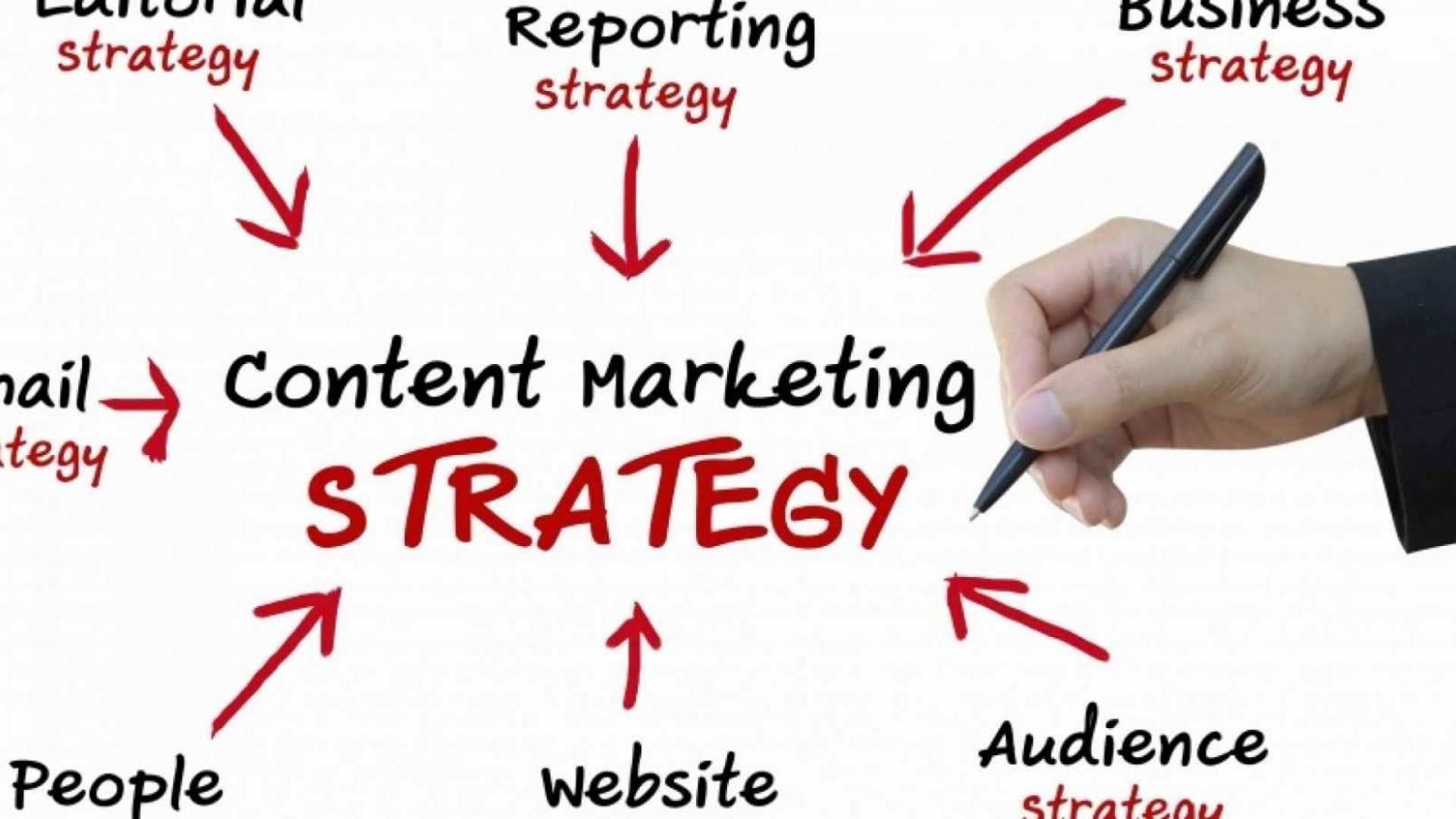
    A strategy is a plan of action designed to accomplish a long-term or overall goal. On the other hand, a digital marketing strategy involves a combination of planned activities carried out online to achieve a specific business objective. In other words, it means performing predictable activities at the right time through the most appropriate online channels to increase revenue and build relationships.

    The term content marketing refers to a method of marketing that includes creating and sharing online content that doesn’t just promote a brand, but rather is designed to encourage its audience to visit a brand’s website. Brand awareness is increased by using storytelling and sharing information.

    The goal is to get the readers to take a step toward becoming a customer, such as requesting more information, signing up, or making a purchase. Generally, content marketing is about offering benefits to the consumer rather than only marketing a brand. Content marketing can include blog posts, white papers, digital books, podcasts, digital videos, etc. With content marketing, you can build a sustainable relationship with your clients that can lead to numerous sales over time.

    Content marketing is an investment that pays off in the long run. By consistently creating valuable content, you’ll attract more visitors, build stronger relationships with your audience, and ultimately, grow your business.

    Ready to unlock the power of content marketing? Let’s get started!

    In the comments below, share what kind of content you’d love to see from VE Digital. We’re all ears (and eyes)!

  • 2024 The Power of Influencer Marketing in Today’s Digital Landscape

    2024 The Power of Influencer Marketing in Today’s Digital Landscape

    2024 The Power of Influence: How Influencer Marketing Captivates Audiences in the Digital Age

    Influencer Marketing

    How Influencer Marketing Captivates Audiences in the Digital Age

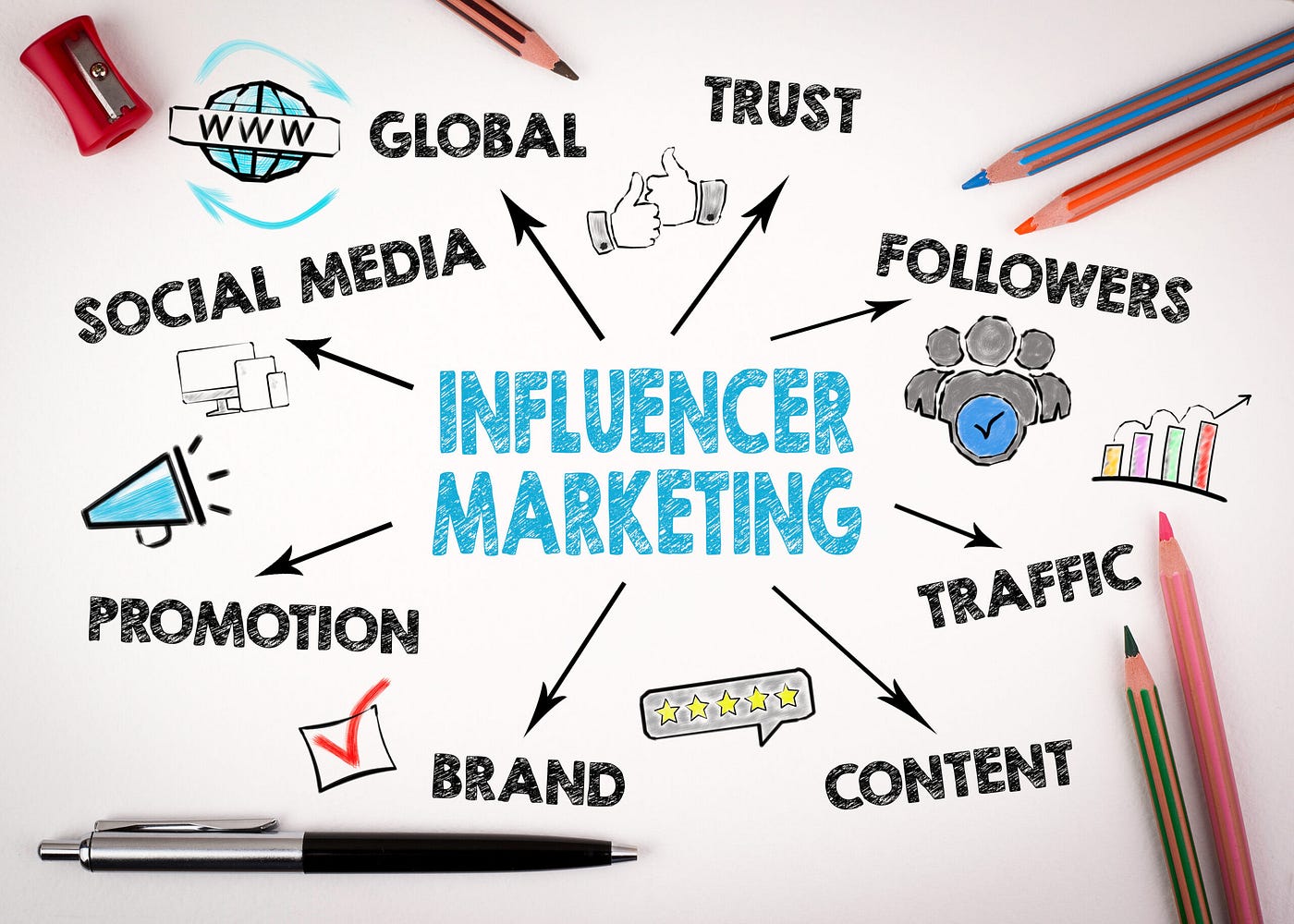
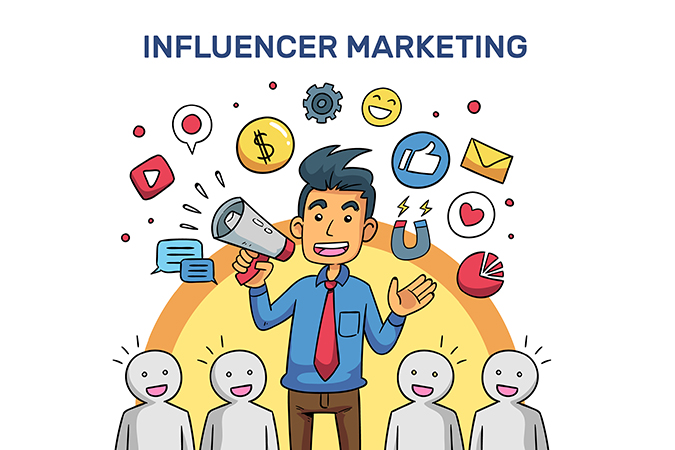
    In the age of social media, where recommendations travel faster than ever before, one marketing strategy has emerged as a powerful tool for brands: influencer marketing. But influencer marketing goes beyond simply throwing a product at a celebrity and hoping for the best. It’s about building genuine connections with influential voices who resonate with your target audience.

    Why Influencer Marketing Works: The Power of Trust and Authenticity

    Consumers today are bombarded with advertising messages. They’ve become adept at tuning out traditional ads. But influencer marketing cuts through the noise by leveraging the power of trust and authenticity. People trust the recommendations of people they admire and follow online. When an influencer they connect with shares a positive experience with your brand, it can be incredibly persuasive.

    Finding Your Ideal Influencers: Quality Over Quantity

    Not all influencers are created equal. Forget chasing after the biggest names with millions of followers. Instead, focus on finding micro-influencers or niche influencers who have a highly engaged audience that aligns perfectly with your brand. These influencers often have stronger relationships with their followers, leading to more genuine endorsements and higher conversion rates.

    Building Authentic Partnerships: Collaboration, Not Dictation

    The best influencer marketing campaigns are built on collaboration, not dictation. Provide influencers with creative freedom to showcase your product or service in a way that feels natural to their audience and style. Authenticity is key! Let their creativity shine and watch your brand message resonate with their followers on a deeper level.

    Measuring Success: Beyond Vanity Metrics

    Don’t get caught up in vanity metrics like follower count or likes. While these numbers can be enticing, they don’t always tell the whole story. Focus on metrics that demonstrate engagement, such as comments, shares, click-through rates, and website traffic. Track these metrics before, during, and after your campaign to measure the true impact of your influencer marketing efforts.

    Influencer Marketing

    The Influencer Marketing Landscape: A Continuous Evolution

    In today’s digital landscape, the power of influencer marketing has emerged as a dominant force in shaping consumer behavior and driving brand awareness. With the rise of social media platforms, influencers have become key players in influencing purchasing decisions and shaping trends. This article explores the transformative impact of influencer marketing in the digital age, highlighting its effectiveness in reaching target audiences and driving engagement.

    The world of influencer marketing is constantly evolving. New platforms emerge, and consumer preferences shift. Stay ahead of the curve by following industry trends, exploring new platforms, and adapting your strategies to resonate with your audience.

    Influencer marketing leverages the credibility and reach of individuals who have amassed a loyal following on social media platforms. These influencers, ranging from celebrities to niche experts, hold sway over their audiences, who trust their recommendations and opinions. By partnering with influencers, brands can tap into their vast networks and connect with consumers in a more authentic and relatable manner.

    One of the key strengths of influencer marketing lies in its ability to target specific demographics with precision. Unlike traditional advertising methods, which often cast a wide net, influencer marketing allows brands to reach niche audiences with tailored content. For example, a beauty brand can collaborate with a makeup artist influencer to promote its latest products to beauty enthusiasts, ensuring that the message resonates with the right audience segment.

    The Power of Influence: A Win-Win Proposition

    Influencer marketing, when done right, benefits everyone involved. Brands gain access to engaged audiences and build brand awareness. Influencers can connect with their followers in new ways and potentially monetize their platforms. And most importantly, consumers discover new products and services through trusted voices they value.

    Ready to Harness the Power of Influence? Share your Thoughts!

    Influencer marketing can be a powerful tool to elevate your brand strategy. Have you experimented with influencer marketing? What tips would you share with others just starting out? Let’s continue the conversation in the comments below!

  • 5 Ways Social Media Marketing Can Boost Your E-commerce Sales

    5 Ways Social Media Marketing Can Boost Your E-commerce Sales

    5 Ways Social Media Marketing Can Boost Your E-commerce Sales

    Social Media Marketing

    social media marketing for e-commerce

    In today’s digital world, social media isn’t just about connecting with friends and family. It’s a powerful marketing tool that can help e-commerce businesses reach new audiences, build brand awareness, and ultimately drive sales. But with so many platforms and strategies to consider, how do you leverage social media to take your e-commerce business to the next level?

    Here are 5 effective ways social media marketing can supercharge your e-commerce sales:

    1. Showcase Your Products and Tell Their Stories

    Social media is a fantastic platform to visually showcase your products. High-quality photos and videos can capture attention, highlight product features, and spark buying interest. But don’t just stop at product shots! Tell the story behind your brand and your products. What makes them unique? How can they benefit your customers’ lives?

    2. Engage with Your Audience and Build Relationships

    Social media is a two-way street. Don’t just broadcast messages – actively engage with your audience! Respond to comments and questions promptly, run interactive polls and contests, and host live Q&A sessions. Building relationships with your audience fosters trust and loyalty, making them more likely to convert from followers to customers.

    3. Leverage the Power of Influencer Marketing

    Partnering with social media influencers can be a game-changer for your e-commerce brand. Influencers have established audiences who trust their recommendations. A well-placed endorsement from a relevant influencer can introduce your products to a whole new pool of potential customers and drive significant sales.

    4. Run Targeted Social Media Ads

    Social media advertising platforms offer powerful targeting options. You can tailor your ads to reach users based on demographics, interests, and online behavior. This laser-focused approach ensures your ads are seen by people most likely to be interested in your products, maximizing your return on investment (ROI).

    5. Promote Special Offers and Discounts

    Social media is a great way to announce sales, discounts, and exclusive promotions. Create a sense of urgency with limited-time offers or flash sales. You can also use social media to reward loyal customers with exclusive deals and discount codes.

    Social Media Marketing

    Social Media Marketing: A Recipe for E-commerce Success

    Social media has become a significant traffic source for eCommerce stores worldwide because of its large number of users.

    With roughly 4.65 billion users on social media platforms representing a wide range of cultures and needs, it’s safe to assume that a significant portion of this number is your target demographic.

    It gets even better because a vast percentage of these users (about 78%) base their purchasing decisions on what they see on social media.

    With social media, you gain access to a pool of prospective customers who get to see your products and services.

    However, despite its obvious advantages, you need an effective strategy to get the best results for your eCommerce business, which is where social media marketing comes in.

    In this piece, you’ll find several ways to use social media to grow your eCommerce business and tips to assist you in putting each strategy into action.

    Social media eCommerce marketing or SMM is simply the use of social media to promote products and services.

    It provides the avenue to engage current and potential customers while promoting the company’s culture, mission, and brand tone.

    With social media making purchases easier, eCommerce grows in leaps and bounds. For instance, consumers worldwide are starting to utilize social media to locate products. At least 85% of Gen Z acknowledged using social media to discover new products.

    In addition, Instagram helps 80% of potential shoppers to decide whether to purchase a product or service.

    By implementing these strategies, you can turn social media into a powerful engine for your e-commerce business. Remember, social media marketing is an ongoing process. Experiment with different tactics, track your results and refine your approach to maximize your impact.

    Ready to take your social media marketing to the next level? Share your experiences and ask questions in the comments below! We’d love to hear from you.