Category: Facebook Management

  • The Power of Video Marketing for Increasing Online Engagement

    The Power of Video Marketing for Increasing Online Engagement

    The Power of Video Marketing for Increasing Online Engagement

    In the fast-paced digital landscape of 2024, Video Marketing is not just a trend—it’s a powerhouse strategy for boosting online engagement and driving brand success. As users flock to video content on platforms like TikTok, Instagram Reels, and YouTube Shorts, integrating video into your marketing mix is essential for capturing attention and fostering deeper connections with your audience. Here’s how Video Marketing can elevate your online engagement and why it should be at the forefront of your strategy.
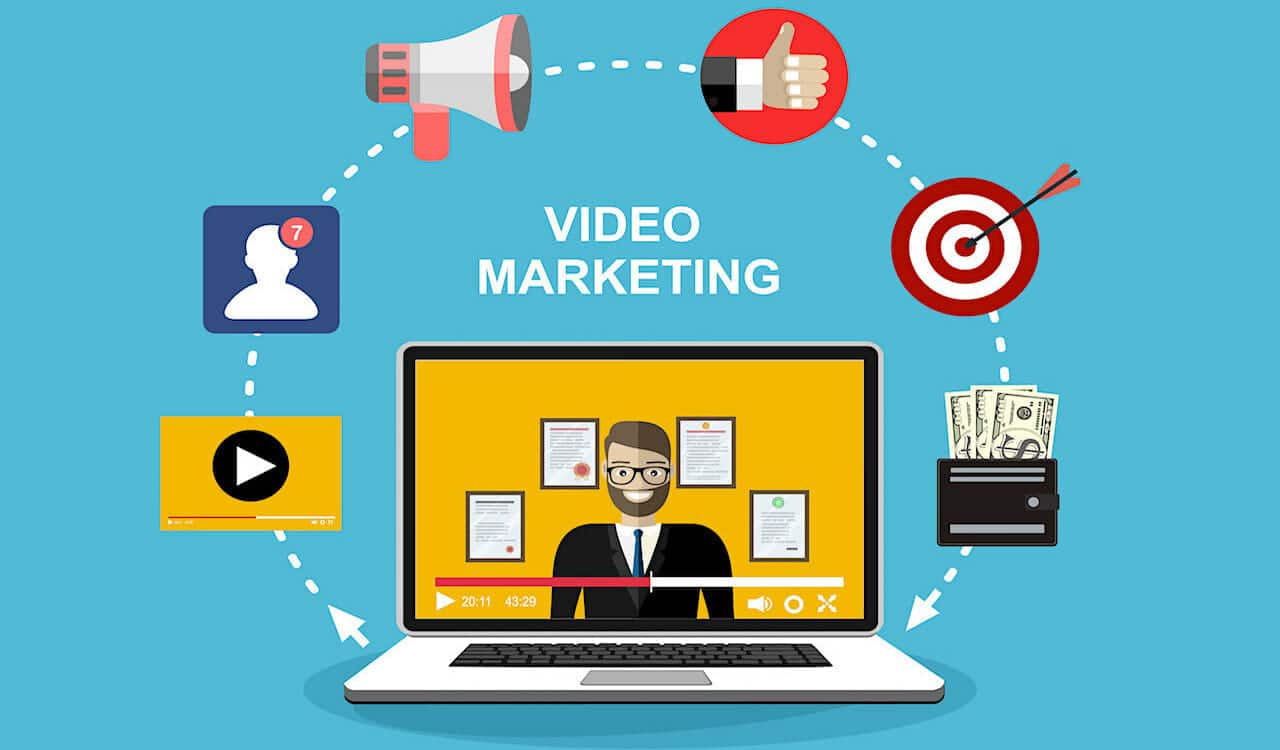
    Video Marketing

    1. Capture Attention with Compelling Visuals

    In an age where attention spans are shrinking, Video Marketing offers a dynamic way to capture and retain viewers’ attention. Videos combine visuals, sound, and motion to create compelling content that stands out in crowded feeds. Use eye-catching thumbnails and engaging intros to draw viewers in immediately. Whether it’s a high-energy promotional video, a captivating brand story, or an educational how-to, compelling visuals and engaging narratives ensure your message is noticed and remembered.

    2. Boost Engagement with Interactive Elements

    Interactive videos are transforming the way brands engage with their audience. Features like polls, quizzes, and clickable CTAs (calls to action) turn passive viewing into an interactive experience. Platforms like Instagram and YouTube offer built-in tools for adding interactive elements to your videos, making them more engaging and actionable. For instance, YouTube’s end screens and cards can drive viewers to other content or your website, while Instagram Stories’ polls and questions can directly involve your audience in the content creation process. These interactive features not only enhance engagement but also provide valuable insights into your audience’s preferences and behaviors.

    3. Enhance Storytelling with Authenticity

    Authenticity is a major factor in driving engagement, and Video Marketing excels at telling genuine stories. Share behind-the-scenes footage, customer testimonials, or real-life case studies to showcase the human side of your brand. Authentic content builds trust and fosters a stronger emotional connection with your audience. For example, a day-in-the-life video of your team or a behind-the-scenes look at your product development process can provide transparency and build credibility. Authentic storytelling resonates with viewers and encourages them to engage with your brand on a deeper level.

    4. Leverage User-Generated Content

    User-generated content (UGC) is a powerful form of social proof that can significantly boost your Video Marketing efforts. Encourage your customers to create and share videos featuring your products or services. UGC not only provides authentic endorsements from real users but also expands your reach as these videos are shared within their networks. Create branded challenges or contests to motivate users to participate and showcase their creativity. Featuring UGC in your marketing campaigns not only increases engagement but also builds a sense of community around your brand.

    5. Optimize for Mobile Viewing

    With the majority of video consumption happening on mobile devices, optimizing your video content for mobile viewing is crucial. Ensure that your videos are formatted correctly for different screen sizes and that they load quickly to avoid frustrating users. Use concise, impactful messaging and visually appealing elements that work well on smaller screens. Additionally, consider creating vertical or square videos for platforms like Instagram and TikTok, where these formats are more user-friendly. Mobile optimization enhances the viewing experience and increases the likelihood of higher engagement rates.

    6. Utilize Data Analytics for Continuous Improvement

    To maximize the impact of your Video Marketing efforts, leverage data analytics to monitor performance and gain insights. Track key metrics such as view counts, watch time, engagement rates, and click-through rates to evaluate the effectiveness of your videos. Use this data to understand what types of content resonate most with your audience and identify areas for improvement. For instance, if you notice that shorter, more dynamic videos have higher engagement, consider adjusting your content strategy accordingly. Data-driven insights enable you to refine your approach and continuously improve your video marketing strategy.

    7. Incorporate Trends and Challenges

    Staying on top of current trends and challenges can give your Video Marketing strategy an extra edge. Participate in popular challenges, use trending music or hashtags, and align your content with seasonal or viral trends to tap into broader conversations and increase visibility. Engaging with trends shows that your brand is current and relevant, which can attract a wider audience and boost engagement. However, ensure that any trends you participate in align with your brand values and messaging to maintain authenticity.

    8. Create Value-Driven Content

    Providing value through your video content is key to driving engagement. Focus on creating videos that educate, entertain, or solve problems for your audience. Tutorials, how-to guides, and expert insights are effective formats for delivering valuable information. By addressing your audience’s needs and interests, you position your brand as a helpful and knowledgeable resource. Value-driven content not only encourages viewers to engage but also fosters loyalty and positions your brand as a trusted authority in your industry.

    By integrating these strategies into your Video Marketing efforts, you can enhance online engagement and drive meaningful interactions with your audience. Embrace the power of compelling visuals, interactive elements, and authentic storytelling to captivate your viewers and create lasting connections. Optimize for mobile, leverage user-generated content, and stay agile with trends to keep your video content fresh and relevant. With a well-executed video marketing strategy, you can elevate your brand’s presence and achieve impressive results in the dynamic digital landscape of 2024.


  • 5 Common Digital Marketing Mistakes and How to Avoid Them

    5 Common Digital Marketing Mistakes and How to Avoid Them

    5 Common Digital Marketing Mistakes and How to Avoid Them


    In the ever-evolving world of digital marketing, making mistakes is almost inevitable—but learning from them is the key to growth. As we navigate through 2024, understanding and avoiding Digital Marketing Mistakes is crucial for crafting strategies that drive results. Here’s a deep dive into the five most common pitfalls in digital marketing and how you can steer clear of them to supercharge your campaigns.

    Digital Marketing


    1. Ignoring Data-Driven Insights

    One of the biggest Digital Marketing Mistakes is neglecting to use data-driven insights to guide your strategy. In 2024, data isn’t just a nice-to-have—it’s essential. Failing to analyze data can lead to misguided campaigns and wasted resources. To avoid this, invest in robust analytics tools like Google Analytics, HubSpot, or SEMrush. Regularly review metrics such as traffic sources, user behavior, and conversion rates. Use these insights to make informed decisions, optimize your strategies, and adapt to changing trends.

    2. Overlooking Mobile Optimization

    With mobile internet usage surpassing desktop, overlooking mobile optimization is a major Digital Marketing Mistake. A website that isn’t mobile-friendly can frustrate users and drive them away. Ensure your site is responsive, loads quickly on mobile devices, and provides a seamless user experience across all screen sizes. Tools like Google’s Mobile-Friendly Test can help you identify and fix issues. Prioritizing mobile optimization not only improves user experience but also boosts your search engine rankings, as Google uses mobile-first indexing.

    3. Neglecting SEO Best Practices

    SEO remains a cornerstone of effective digital marketing, and neglecting SEO best practices is a costly mistake. Relying solely on paid ads without investing in organic search can limit your long-term success. Ensure your content is optimized with relevant keywords, includes high-quality backlinks, and adheres to on-page SEO techniques. Regularly update your content to keep it fresh and relevant. By integrating SEO into your overall strategy, you’ll improve your search engine visibility and attract more organic traffic.

    4. Failing to Engage with Your Audience

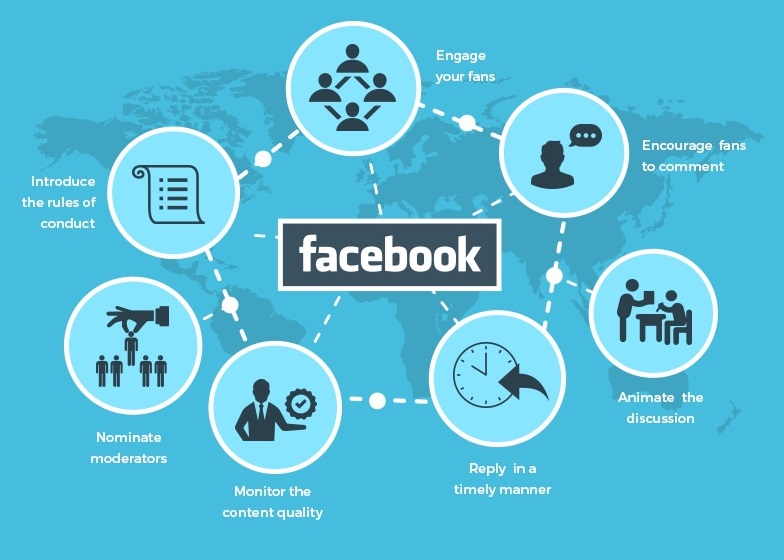
    Another common Digital Marketing Mistake is failing to actively engage with your audience. Simply broadcasting messages without interaction can alienate potential customers. Focus on building relationships by responding to comments, participating in conversations, and addressing feedback. Utilize social media platforms to engage directly with your audience through polls, Q&A sessions, and live streams. Engaging with your audience not only enhances brand loyalty but also fosters a sense of community around your brand.

    5. Lack of Clear Goals and KPIs

    Without clear goals and key performance indicators (KPIs), your digital marketing efforts can become unfocused and ineffective. One of the top Digital Marketing Mistakes is not setting specific, measurable objectives for your campaigns. Define your goals—whether it’s increasing website traffic, generating leads, or boosting sales—and establish KPIs to track your progress. Regularly review your performance against these goals to ensure your strategies are aligned and make adjustments as needed. Having clear goals and KPIs helps maintain focus and drives more effective marketing efforts.

    6. Inconsistent Branding Across Channels

    Consistency in branding is crucial for building a strong online presence. Inconsistencies in your messaging, visuals, or tone across different channels can confuse your audience and dilute your brand identity. Ensure that your branding elements—such as your logo, color scheme, and voice—are uniform across all platforms, including your website, social media profiles, and email marketing. A cohesive brand image enhances recognition and trust, making your marketing efforts more impactful.

    7. Ignoring Emerging Trends and Technologies

    The digital marketing landscape is constantly evolving, and ignoring emerging trends and technologies is a significant Digital Marketing Mistake. Staying updated with trends like AI-driven marketing, voice search optimization, and social commerce is essential for staying competitive. Subscribe to industry blogs, attend webinars, and experiment with new tools and techniques. By keeping abreast of innovations, you can integrate cutting-edge strategies into your campaigns and maintain a forward-thinking approach.

    8. Underestimating the Power of Content Marketing

    Content marketing continues to be a driving force in digital marketing, and underestimating its power is a critical error. Focusing solely on ads and neglecting content can result in missed opportunities for organic engagement and brand building. Invest in creating high-quality, valuable content that addresses your audience’s needs and interests. Diversify your content formats—such as blogs, videos, and infographics—and distribute them across relevant channels to maximize your reach and impact.

    9. Poorly Managed Social Media Accounts

    Social media is a powerful tool, but poorly managed accounts can lead to ineffective campaigns and negative perceptions. Avoid inconsistencies in posting, neglecting engagement, or mismanaging brand interactions. Develop a well-planned social media strategy that includes regular posting, engaging with followers, and analyzing performance metrics. Utilize social media management tools to streamline your efforts and maintain a consistent, professional presence across platforms.

    10. Neglecting A/B Testing and Optimization

    A/B testing is a valuable method for optimizing your digital marketing campaigns, yet many overlook its benefits. Failing to test different versions of your ads, emails, or landing pages means missing out on opportunities to refine and enhance your performance. Implement A/B testing to compare various elements and determine what resonates best with your audience. Use the results to optimize your campaigns and drive better results.

    By avoiding these common Digital Marketing Mistakes, you’ll set yourself up for success in the dynamic world of digital marketing. Stay informed, be proactive, and continuously refine your strategies to enhance your brand’s online presence and achieve your marketing goals.

  • Facebook Marketing Trends to Watch

    Facebook Marketing Trends to Watch

    Facebook Marketing Trends to Watch

    Facebook, the titan of social media, continues to evolve with new features and trends that shape digital marketing strategies worldwide. As businesses adapt to changes in consumer behavior and technological advancements, staying updated with Facebook trends is crucial for maximizing engagement and achieving marketing goals. Here’s a comprehensive look at the latest Facebook marketing trends to watch out for in 2024:

    Facebook Marketing

    1. Video Content Dominance

    Why it Matters: Video remains king on Facebook, driving higher engagement and visibility. The platform continues to prioritize video content in news feeds, making it essential for brands to invest in high-quality video production.

    Implementation Tips:

    • Live Streaming: Utilize Facebook Live for real-time engagement with your audience. Host Q&A sessions, product launches, or behind-the-scenes tours.
    • Short-form Videos: Create snackable content using Facebook Stories and Reels to capture attention quickly and convey messages effectively.
    • Interactive Videos: Incorporate polls, quizzes, and clickable elements within videos to enhance user engagement and encourage interaction.

    2. Augmented Reality (AR) Experiences

    Why it Matters: Facebook’s AR capabilities are expanding, offering innovative ways for brands to create immersive experiences that resonate with users.

    Implementation Tips:

    • AR Filters and Lenses: Develop branded AR filters and lenses to allow users to interact with your products or services creatively.
    • Virtual Try-Ons: Enable customers to virtually try on products like makeup, clothing, or accessories directly within Facebook using AR technology.
    • AR Ads: Experiment with AR ads to increase engagement and drive conversions by showcasing products in an interactive and engaging format.

    3. Ephemeral Content on Stories

    Why it Matters: Stories have become immensely popular across social platforms, including Facebook. Ephemeral content boosts engagement by creating a sense of urgency and FOMO (Fear Of Missing Out).

    Implementation Tips:

    • Daily Updates: Share behind-the-scenes content, product demos, or user-generated content (UGC) through Stories to keep your audience engaged.
    • Exclusive Offers: Run limited-time promotions or discounts exclusively through Stories to incentivize immediate action.
    • Interactive Features: Use stickers, polls, and questions to encourage audience interaction and feedback.

    4. Community Building and Groups

    Why it Matters: Facebook Groups continue to thrive as communities where users with shared interests connect, engage in discussions, and seek valuable content.

    Implementation Tips:

    • Branded Groups: Create and nurture branded Facebook Groups to foster a loyal community around your brand. Encourage discussions, share exclusive content, and provide customer support.
    • Group Engagement: Actively participate in group conversations, address member questions, and leverage group insights to tailor content and offerings.
    • Collaborations: Partner with influencers or industry experts to co-moderate groups and amplify reach within niche communities.

    5. Personalization and AI-driven Recommendations

    Why it Matters: Facebook’s AI algorithms are becoming more sophisticated in delivering personalized content and recommendations to users.

    Implementation Tips:

    • Dynamic Ads: Utilize Facebook’s dynamic ad formats to deliver personalized recommendations based on user behavior and preferences.
    • Custom Audience Targeting: Leverage Facebook’s advanced targeting options to reach specific segments of your audience with tailored messaging.
    • Chatbots: Implement AI-powered chatbots on Facebook Messenger to automate customer interactions, provide instant responses, and enhance user experience.

    6. Social Commerce and Shopping Features

    Why it Matters: Facebook continues to integrate shopping functionalities to facilitate seamless e-commerce experiences directly on the platform.

    Implementation Tips:

    • Facebook Shops: Set up a Facebook Shop to showcase products, enable transactions, and streamline the purchasing process for users.
    • In-Stream Shopping: Tag products in live videos or posts to allow viewers to purchase directly while engaging with your content.
    • Customer Reviews and Recommendations: Encourage customers to leave reviews and recommendations on Facebook, influencing potential buyers’ decisions.

    7. Sustainability and Social Responsibility

    Why it Matters: Consumers increasingly prefer brands that demonstrate commitment to sustainability and social causes. Facebook trends reflect this shift towards ethical and responsible business practices.

    Implementation Tips:

    • CSR Initiatives: Share stories and updates on your brand’s sustainability efforts, charitable contributions, or community involvement through Facebook posts and Stories.
    • Educational Content: Raise awareness about environmental issues or social causes relevant to your brand values through informative content and campaigns.
    • Transparency: Communicate openly about your sustainability practices, ethical sourcing, and corporate responsibility efforts to build trust with your audience.

    Stay Ahead with Facebook Marketing Trends

    By leveraging these emerging Facebook marketing trends, businesses can forge deeper connections with their audience, drive engagement, and achieve meaningful results in 2024 and beyond. Embrace innovation, experiment with new features, and adapt your strategies to capitalize on the evolving landscape of social media marketing.

    Stay tuned for more updates and insights on navigating the ever-changing world of digital marketing. Explore new opportunities, refine your approach, and stay ahead of the curve with strategic Facebook marketing practices that resonate with your audience and drive business growth.

  • Industry Insights: Digital Marketing Trends

    Industry Insights: Digital Marketing Trends

    Industry Insights: Digital Marketing Trends

    In the fast-evolving realm of digital marketing, staying ahead of trends is not just beneficial—it’s essential for maintaining competitiveness and relevance. As technology continues to reshape consumer behaviors and business practices, understanding the latest digital trends becomes crucial for crafting effective marketing strategies. Let’s dive into the emerging trends that are reshaping the digital marketing landscape:

    Digital Marketing Trends

    1. Artificial Intelligence (AI) Integration

    Artificial Intelligence continues to revolutionize digital marketing by enhancing personalization, automation, and predictive analytics. AI-powered tools analyze vast amounts of data to uncover actionable insights, optimize ad campaigns, and deliver personalized experiences to consumers. From chatbots that provide instant customer support to predictive analytics that forecast consumer behavior, AI is reshaping how brands engage with their audiences.

    2. Voice Search Optimization

    The prevalence of voice-enabled devices like smart speakers and virtual assistants has led to a surge in voice search queries. Optimizing content for voice search involves using natural language keywords, answering common questions concisely, and ensuring your website is structured for featured snippets. Brands that adapt to voice search trends can enhance their visibility in search engine results and cater to the growing number of voice-first users.

    3. Video Marketing Dominance

    Video content continues to reign supreme across digital platforms. From short-form videos on TikTok and Instagram Reels to long-form content on YouTube, video marketing allows brands to engage audiences in more immersive and memorable ways. Live streaming, interactive videos, and personalized video messaging are gaining traction as brands seek to connect authentically with consumers through visual storytelling.

    4. Ephemeral Content on Social Media

    Ephemeral content, such as Stories on platforms like Instagram, Facebook, and Snapchat, has transformed how brands engage with audiences in real-time. These temporary posts encourage urgency and FOMO (Fear Of Missing Out), prompting immediate engagement from viewers. Brands leverage ephemeral content to showcase behind-the-scenes moments, product launches, and limited-time offers, fostering a sense of exclusivity and urgency among followers.

    5. Privacy and Data Protection

    As consumers become increasingly aware of data privacy issues, brands are prioritizing transparency and compliance with regulations like GDPR and CCPA. Building trust through responsible data handling practices not only strengthens customer relationships but also ensures legal compliance and mitigates risks associated with data breaches. Brands that prioritize privacy and data protection gain a competitive edge in an era of heightened consumer scrutiny.

    6. Interactive Content Experiences

    Interactive content formats, such as quizzes, polls, and interactive infographics, captivate audiences by encouraging active participation. These engaging experiences not only entertain users but also provide valuable insights into consumer preferences and behaviors. Brands leverage interactive content to educate, entertain, and collect user-generated data, driving higher engagement and conversions.

    7. Augmented Reality (AR) and Virtual Reality (VR)

    AR and VR technologies are reshaping digital marketing by offering immersive brand experiences. Retailers use AR to allow customers to virtually try on products, while travel brands offer virtual tours of destinations. Marketers leverage these technologies to create memorable experiences that differentiate their brands and drive engagement. As AR and VR become more accessible, their adoption in marketing strategies is expected to grow.

    8. Sustainability and Purpose-Driven Marketing

    Consumers increasingly expect brands to demonstrate commitment to sustainability and social responsibility. Purpose-driven marketing initiatives that support environmental causes, social justice, or community initiatives resonate with socially-conscious consumers. Brands that authentically align their values with meaningful causes not only attract loyal customers but also contribute positively to society, fostering a positive brand image.

    9. Omni-Channel Marketing Strategies

    Omni-channel marketing integrates multiple channels, both online and offline, to create seamless and cohesive customer experiences. Brands use data-driven insights to deliver personalized messages across various touchpoints, ensuring consistency and relevance throughout the customer journey. By optimizing omni-channel strategies, brands enhance customer satisfaction, increase retention rates, and drive revenue growth.

    10. Adaptability and Agility in Marketing

    In a dynamic digital landscape, adaptability and agility are critical for success. Brands that embrace experimentation, monitor trends, and quickly pivot strategies based on data insights gain a competitive advantage. Continuous learning, staying informed about industry trends, and embracing innovation enable marketers to navigate uncertainties and capitalize on emerging opportunities effectively.

    Embrace the Future of Digital Marketing

    The digital marketing landscape continues to evolve at a rapid pace, driven by technological advancements, shifting consumer behaviors, and regulatory changes. By embracing these emerging trends and incorporating them into your marketing strategies, you can position your brand for growth, relevance, and success in an increasingly competitive marketplace.

    Stay tuned for more updates and insights on the latest digital trends shaping the future of marketing. Explore innovative approaches, leverage new technologies, and adapt your strategies to meet the evolving expectations of today’s digital-savvy consumers.

  • Effective Facebook Content Strategies

    Effective Facebook Content Strategies

    Effective Facebook Content Strategies

    Creating effective content on Facebook requires more than just posting updates—it’s about crafting compelling narratives, understanding your audience, and leveraging the platform’s features to drive engagement. Whether you’re aiming to increase brand awareness, drive traffic, or foster community engagement, mastering Facebook content strategies is essential. Here’s a comprehensive guide to crafting compelling Facebook content that resonates with your audience and boosts your social media presence:

    Facebook Content

    1. Know Your Audience Inside Out

    Understanding your target audience is the cornerstone of effective Facebook content strategy. Conduct audience research to identify demographics, interests, behaviors, and pain points. Use Facebook Insights or audience analytics tools to gain valuable insights into what resonates with your audience and tailor your content accordingly.

    2. Create Engaging Visual Content

    Visuals are king on Facebook. Use high-quality images, videos, infographics, and carousel posts to capture attention in the news feed. Ensure visuals are eye-catching, relevant to your brand, and optimized for mobile viewing. Experiment with different formats to see what garners the most engagement from your audience.

    3. Craft Compelling Copy

    Accompany your visuals with compelling copy that grabs attention and encourages interaction. Keep your captions concise yet informative, using a clear call-to-action (CTA) to prompt likes, comments, shares, or clicks. Incorporate relevant hashtags to increase discoverability and join relevant conversations on Facebook.

    4. Tell Stories That Resonate

    Humans connect through stories. Use Facebook as a platform to tell authentic stories that resonate with your audience’s emotions and values. Share customer testimonials, behind-the-scenes glimpses, success stories, or user-generated content (UGC) to humanize your brand and build trust with your community.

    5. Use Facebook Live for Real-Time Engagement

    Harness the power of Facebook Live to connect with your audience in real-time. Host Q&A sessions, product demos, behind-the-scenes tours, or live events to foster direct interaction and engagement. Notify your audience in advance to maximize attendance and engagement during live broadcasts.

    6. Run Contests and Giveaways

    Contests and giveaways are effective in driving engagement and expanding your reach on Facebook. Encourage participation by asking users to like, comment, share, or tag friends to enter. Ensure contests comply with Facebook’s guidelines and offer valuable prizes that resonate with your audience’s interests.

    7. Encourage User-Generated Content (UGC)

    Empower your audience to create content for your brand. Encourage users to share their experiences, photos, or testimonials related to your products or services. Repost UGC with proper credit to foster community spirit and authenticity. User-generated content not only engages your audience but also builds brand advocacy.

    8. Engage with Your Audience

    Social media is a two-way street. Actively engage with your audience by responding to comments, messages, and mentions promptly. Encourage conversation by asking questions, seeking feedback, or conducting polls. Show appreciation for positive interactions and address concerns or inquiries professionally.

    9. Schedule Content Consistently

    Maintain a consistent posting schedule to keep your audience engaged and maintain visibility in their news feeds. Use Facebook Insights to determine the best times to post based on when your audience is most active. Experiment with scheduling tools to automate posts while ensuring each one is timely and relevant.

    10. Monitor Performance and Adapt

    Regularly monitor the performance of your Facebook content using analytics tools. Track metrics such as reach, engagement rate, clicks, shares, and conversions. Analyze what content performs well and what doesn’t, then adapt your strategy accordingly. Test different strategies, formats, and content types to optimize your Facebook content for maximum impact.

    Elevate Your Facebook Content Strategy Today

    By implementing these effective Facebook content strategies, you can enhance engagement, expand your reach, and build meaningful connections with your audience on the world’s largest social media platform. Stay attuned to your audience’s preferences, embrace creativity, and consistently deliver valuable content that resonates with their interests and needs.

    Stay tuned for more insights and actionable tips on optimizing your social media presence and driving measurable results through effective Facebook content strategies. Explore innovative approaches, leverage new features, and engage with your audience authentically to achieve your social media marketing goals.

  • Facebook Advertising Strategies for B2B

    Facebook Advertising Strategies for B2B

    Facebook Advertising Strategies for B2B

    In the realm of B2B marketing, leveraging Facebook’s extensive reach and targeting capabilities can unlock powerful opportunities to connect with businesses, generate leads, and drive conversions. While traditionally seen as a platform for B2C marketing, Facebook offers robust tools and strategies tailored for B2B companies aiming to reach decision-makers and stakeholders. Here’s a comprehensive guide to crafting effective Facebook advertising strategies specifically designed for B2B success:

    Facebook Advertising

    1. Define Your Audience with Precision

    Successful B2B marketing on Facebook begins with identifying and targeting the right audience segments. Utilize Facebook’s detailed targeting options to narrow down your audience based on industry, job title, company size, interests, and behaviors. Tailor your messaging and ad content to resonate with decision-makers who have the authority and budget to engage with your business solutions.

    2. Craft Compelling and Educational Content

    Create content that addresses the pain points, challenges, and goals of your target audience in the B2B space. Educational content such as whitepapers, case studies, industry reports, and webinars resonate well with professionals seeking valuable insights and solutions. Position your brand as a thought leader by sharing expertise and providing actionable information that demonstrates your understanding of industry-specific issues.

    3. Utilize Lead Generation Ads

    Deploy Facebook’s lead generation ads to capture valuable leads directly within the platform. These ads feature a built-in lead form that allows prospects to submit their contact information without leaving Facebook. Offer incentives such as ebooks, free consultations, or exclusive content to encourage sign-ups and nurture leads through targeted follow-up campaigns.

    4. Highlight Customer Success Stories

    Showcase testimonials, success stories, and client case studies to build credibility and trust among potential B2B clients. Highlight how your solutions have helped businesses overcome challenges, achieve goals, and drive measurable results. Use carousel ads or video testimonials to effectively convey your brand’s value proposition and showcase real-world outcomes.

    5. Optimize for Mobile Responsiveness

    Ensure your Facebook ads and landing pages are optimized for mobile devices, as professionals often browse Facebook on smartphones and tablets. Optimize loading times, simplify navigation, and ensure a seamless user experience across all devices. Mobile-friendly content enhances engagement and encourages prospects to take action regardless of their device preference.

    6. Retarget Based on Engagement and Website Visits

    Implement retargeting strategies to re-engage prospects who have shown interest in your offerings but haven’t yet converted. Set up Facebook Pixel on your website to track user behavior and create custom audiences based on specific actions such as page visits, content downloads, or abandoned cart activity. Serve personalized ads to these audiences to nurture leads through the sales funnel.

    7. Focus on Thought Leadership and Educational Webinars

    Host educational webinars or live Q&A sessions targeting B2B professionals interested in industry insights and best practices. Promote these events through Facebook ads to attract a qualified audience and capture leads interested in learning from your expertise. Use webinar registrations as an opportunity to expand your email list and establish direct communication with potential clients.

    8. A/B Test Ad Creatives and Messaging

    Continuously optimize your Facebook ads by conducting A/B tests on different ad creatives, messaging variations, and call-to-action buttons. Test elements such as headlines, visuals, ad formats, and ad placements to identify which combinations resonate most effectively with your B2B audience. Use data-driven insights to refine your ad strategy and maximize campaign performance.

    9. Monitor and Measure Performance Metrics

    Track key performance metrics such as click-through rates (CTR), conversion rates, cost per lead (CPL), and return on ad spend (ROAS) to evaluate the effectiveness of your Facebook advertising campaigns. Use Facebook Ads Manager and analytics tools to analyze campaign performance, identify trends, and make data-driven decisions to optimize budget allocation and ad targeting.

    10. Stay Updated with Platform Changes and Best Practices

    Keep abreast of Facebook’s platform updates, algorithm changes, and best practices for B2B marketing. Adapt your strategies to leverage new features such as Messenger ads, video ads, or dynamic product ads that enhance engagement and drive results. Stay proactive in exploring emerging trends and opportunities to maintain a competitive edge in the evolving landscape of Facebook advertising.

    By implementing these strategic approaches, B2B marketers can harness the full potential of Facebook advertising to reach, engage, and convert decision-makers within their target industries. Embrace the versatility of Facebook’s ad platform to showcase your expertise, nurture leads, and foster meaningful business relationships. Watch this space for more insights and actionable tips to elevate your B2B marketing efforts and achieve measurable success on Facebook.

  • Facebook Page Optimization Strategies

    Facebook Page Optimization Strategies

    Facebook Page Optimization Strategies

    In today’s digital age, a well-optimized Facebook Page is essential for businesses aiming to enhance visibility, engage with their audience, and drive conversions. With over 2.89 billion monthly active users, Facebook offers a powerful platform to connect with potential customers and build a loyal community around your brand. Here are effective strategies to optimize your Facebook Page and maximize its impact on your marketing efforts.

    Facebook Page

    1. Optimize Your Page Information

    Start by ensuring that your Facebook Page information is complete, accurate, and up-to-date. Include essential details such as your business name, address, phone number, website URL, and business hours. Use relevant keywords in your Page description and About section to improve discoverability in search results. Verify your business Page to build trust and credibility among your audience.

    2. Create a Compelling Profile Picture and Cover Photo

    Your profile picture and cover photo are prime real estate on your Facebook Page. Choose a high-resolution profile picture that represents your brand effectively, such as your logo or a recognizable brand symbol. Your cover photo should visually convey your brand’s personality, showcase products or services, or highlight promotions. Ensure both images are optimized for mobile devices and adhere to Facebook’s recommended dimensions.

    3. Utilize Call-to-Action (CTA) Button

    Maximize engagement and drive specific actions from visitors by utilizing the CTA button on your Facebook Page. Choose from options such as “Shop Now,” “Sign Up,” “Contact Us,” or “Learn More” based on your business objectives. Customize the CTA button to direct users to your website, landing page, contact form, or online store. Regularly review and update your CTA button to align with current marketing campaigns or promotions.

    4. Optimize Your About Section

    Craft a compelling About section that succinctly describes your business, products, services, and unique value proposition. Use relevant keywords naturally within the text to improve SEO and attract users searching for your offerings. Include links to your website, other social media profiles, and important contact information. Keep the tone informative yet engaging to capture the interest of potential customers visiting your Page.

    5. Publish High-Quality and Relevant Content

    Consistently share valuable and engaging content that resonates with your target audience. Use a mix of posts, including text updates, images, videos, links, and polls, to keep your Page dynamic and interactive. Tailor your content to address the interests, challenges, and preferences of your audience while showcasing your brand’s expertise and personality. Experiment with different content formats to gauge what generates the highest engagement.

    6. Engage with Your Audience

    Foster meaningful interactions with your audience by responding promptly to comments, messages, and reviews on your Page. Encourage conversations by asking questions, seeking feedback, and inviting users to share their experiences. Show appreciation for positive feedback and address concerns or inquiries professionally and promptly. Engagement signals to Facebook that your Page is active and responsive, potentially increasing organic reach.

    7. Use Facebook Insights for Data-Driven Decisions

    Harness the power of Facebook Insights to gain valuable analytics about your Page performance, audience demographics, reach, engagement metrics, and more. Use these insights to refine your content strategy, understand what resonates with your audience, and optimize posting times. Monitor key metrics regularly to track progress towards your goals and make informed decisions to improve overall Page effectiveness.

    8. Optimize for Mobile Users

    With a significant portion of Facebook users accessing the platform via mobile devices, ensure your Page is optimized for mobile responsiveness. Test your Page across different devices and screen sizes to ensure seamless navigation, readability, and functionality. Optimize load times by minimizing large files and optimizing images for fast loading speeds. A mobile-friendly experience enhances user satisfaction and encourages longer engagement sessions.

    9. Utilize Facebook Ads for Enhanced Reach

    Complement your organic efforts with Facebook Ads to expand your reach and amplify engagement with targeted audiences. Experiment with different ad formats, audience targeting options, and budget allocations to maximize ROI. Use Facebook’s ad analytics to track performance metrics, optimize campaigns in real-time, and refine targeting parameters based on audience behavior and engagement.

    10. Stay Updated with Facebook’s Features and Best Practices

    Keep abreast of Facebook’s latest features, algorithm updates, and best practices for Pages to maintain relevance and effectiveness. Adapt your strategy accordingly to leverage new opportunities, such as Facebook Shops, live video streaming, or Stories. Participate in Facebook groups and communities to stay informed, exchange insights with peers, and discover innovative ways to optimize your Page for better results.

    Optimizing your Facebook Page requires a strategic approach, ongoing monitoring, and a commitment to delivering valuable content and experiences to your audience. By implementing these proven strategies, you can enhance your Page’s visibility, engagement, and ultimately, achieve your business objectives effectively on the world’s largest social media platform. Stay tuned for more expert tips and insights to elevate your social media marketing efforts and drive success in a competitive digital landscape.


  • How to Manage Facebook Ads Effectively

    How to Manage Facebook Ads Effectively

    How to Manage Facebook Ads Effectively

    In today’s digital marketing landscape, Facebook Ads have become a powerful tool for businesses to reach their target audiences, drive engagement, and achieve measurable results. However, managing Facebook Ads effectively requires more than just setting up campaigns; it involves strategic planning, continuous optimization, and a deep understanding of your audience. Let’s explore essential tips and best practices to help you maximize the effectiveness of your Facebook Ads campaigns.

    Facebook Ads

    1. Setting Clear Objectives

    Before diving into Facebook Ads, define your objectives clearly. Are you looking to increase brand awareness, generate leads, drive website traffic, boost sales, or promote a specific product/service? Each objective will shape your campaign strategy and metrics for success. Setting SMART goals (Specific, Measurable, Achievable, Relevant, Time-bound) ensures clarity and aligns your efforts with your business objectives.

    2. Understanding Your Audience

    Successful Facebook Ads start with knowing your target audience inside out. Utilize Facebook’s audience insights tools to gather demographic data, interests, behaviors, and preferences of your ideal customers. Create detailed buyer personas to guide your ad targeting and messaging. Segment your audience based on various criteria to deliver personalized content that resonates with different segments of your audience.

    3. Crafting Compelling Ad Creatives

    Capture attention and drive engagement with visually appealing and compelling ad creatives. Use high-quality images or videos that align with your brand identity and resonate with your target audience. Incorporate clear and concise ad copy that highlights the value proposition and encourages action. Experiment with different ad formats (carousel, slideshow, collection ads) to determine which performs best for your objectives.

    4. Implementing Advanced Targeting Options

    Take advantage of Facebook’s advanced targeting options to refine your audience targeting further. Use custom audiences to retarget website visitors, email subscribers, or users who have interacted with your app. Lookalike audiences allow you to reach new users who share similar characteristics with your existing customers. Layer targeting options based on demographics, interests, behaviors, and connections to maximize relevance and reach.

    5. Setting Budgets and Bidding Strategies

    Allocate your budget wisely across campaigns, ad sets, and individual ads based on their performance and objectives. Choose between daily or lifetime budgets depending on your campaign duration and goals. Experiment with bidding strategies such as cost-per-click (CPC), cost-per-thousand impressions (CPM), or cost-per-acquisition (CPA) to optimize for your desired outcomes, whether it’s clicks, impressions, or conversions.

    6. Monitoring and Analyzing Performance

    Regularly monitor the performance of your Facebook Ads using Facebook Ads Manager and other analytics tools. Track key metrics such as click-through rates (CTR), conversion rates, cost per acquisition (CPA), return on ad spend (ROAS), and overall campaign ROI. Analyze which ads and audience segments are performing well and which ones need optimization. Use A/B testing to experiment with different variables (ad creatives, audiences, placements) and refine your strategies based on data-driven insights.

    7. Optimizing Ad Campaigns

    Continuous optimization is crucial for maximizing the effectiveness of your Facebook Ads. Adjust targeting parameters, ad creatives, and bidding strategies based on performance data to improve ad relevance and achieve better results. Test different ad elements, such as headlines, calls-to-action, and visuals, to identify winning combinations that resonate with your audience and drive conversions.

    8. Utilizing Facebook Pixel

    Integrate Facebook Pixel with your website to track user interactions and gather valuable data for optimization and retargeting purposes. Set up conversion events to track specific actions taken by users, such as purchases, sign-ups, or downloads. Use Pixel data to create custom audiences, optimize ad delivery, and measure the effectiveness of your ad campaigns more accurately.

    9. Complying with Facebook Advertising Policies

    Adhere to Facebook’s advertising policies and guidelines to ensure your ads are approved promptly and reach your intended audience. Familiarize yourself with prohibited content, restricted industries, and community standards to avoid ad disapprovals or account suspensions. Maintain transparency and honesty in your ad content to build trust with users and enhance ad performance.

    10. Staying Updated with Latest Features and Trends

    Facebook’s ad platform is constantly evolving with new features, tools, and ad formats. Stay informed about updates and industry trends to leverage new opportunities and stay ahead of competitors. Experiment with emerging trends such as video ads, interactive ads, messenger ads, and stories ads to engage users in innovative ways and drive higher engagement and conversions.

    Mastering Facebook Ads requires a combination of strategic planning, creative execution, and data-driven optimization. By understanding your audience, crafting compelling ad creatives, leveraging advanced targeting options, and continuously optimizing your campaigns, you can achieve your marketing objectives effectively on the world’s largest social media platform. Stay tuned for more insights and expert tips on enhancing your Facebook Ads strategy for optimal results.

  • Trends in Facebook Paid Advertising for Enhanced Visibility

    Trends in Facebook Paid Advertising for Enhanced Visibility

    Trends in Facebook Paid Advertising for Enhanced Visibility

    Paid advertising on Facebook continues to evolve, offering marketers new opportunities to enhance visibility, reach targeted audiences, and achieve marketing objectives effectively. Staying abreast of the latest trends in Facebook paid advertising is crucial for maximizing ROI and staying competitive in the digital landscape. Discover the current trends shaping Facebook paid advertising and how you can leverage them to amplify your brand’s visibility and engagement.

    Paid Advertising

    1. Emphasis on Video Ads

    Video ads remain a dominant trend in Facebook paid advertising due to their ability to capture attention and convey messages effectively. Short-form videos, in particular, are gaining popularity for their engaging format that resonates with mobile users. Marketers should focus on creating compelling video content that is concise, visually appealing, and optimized for viewing on both desktop and mobile devices.

    2. Interactive Ad Formats

    Interactive ad formats, such as polls, quizzes, and playable ads, are becoming increasingly popular on Facebook. These formats encourage user engagement by inviting viewers to interact with the content actively. Marketers can leverage interactive ads to collect user feedback, gauge preferences, and increase time spent engaging with their brand’s messaging.

    3. Personalized Advertising

    Personalization continues to be a key trend in Facebook paid advertising, allowing marketers to tailor ad content based on user demographics, interests, and behaviors. Dynamic ads, which automatically personalize content based on user interactions with your website or app, are particularly effective in driving conversions and maximizing ad relevance.

    4. Story Ads

    Facebook Story ads have gained momentum as users increasingly engage with Stories across social media platforms. These vertical, full-screen ads appear seamlessly within users’ Stories feeds, offering a non-intrusive yet impactful way to reach audiences. Marketers can use Story ads to deliver timely promotions, behind-the-scenes content, or interactive experiences that resonate with users in a more authentic manner.

    5. Augmented Reality (AR) Ads

    Augmented Reality (AR) ads are transforming the advertising landscape on Facebook by allowing users to interact with virtual elements overlaid onto their real-world environment. Brands can create immersive experiences that showcase products, demonstrate features, or allow users to try on virtual versions of products before making a purchase. AR ads enhance engagement and provide a memorable brand experience that encourages conversions.

    6. Enhanced Targeting Options

    Facebook’s advanced targeting capabilities enable marketers to reach highly specific audience segments based on a wide range of criteria, including demographics, interests, behaviors, and even life events. Custom Audience targeting allows brands to retarget users who have previously interacted with their website, app, or Facebook content, maximizing ad relevancy and conversion rates.

    7. Integration with Messenger

    Advertising on Facebook Messenger offers brands a direct channel to engage with users in a more personalized and conversational manner. Messenger ads appear within users’ message threads, allowing brands to initiate conversations, provide customer support, and drive actions such as bookings or purchases seamlessly.

    Case Studies: Successful Implementation of Facebook Paid Advertising Trends

    Let’s explore examples of brands that have successfully leveraged current trends in Facebook paid advertising:

    • Adidas and Interactive Polls: Adidas used interactive polls in their Facebook ads to engage users and gather insights about customer preferences for new product releases. This interactive approach not only increased engagement but also provided valuable market research data.
    • IKEA and Augmented Reality Ads: IKEA implemented AR ads on Facebook that allowed users to visualize furniture in their own space using their smartphone camera. This innovative approach enhanced the shopping experience and drove higher conversion rates by reducing purchase uncertainty.

    Final Thoughts

    Understanding and leveraging current trends in Facebook paid advertising is essential for achieving visibility, engagement, and ROI. By embracing video ads, interactive formats, personalization, and emerging technologies like AR, brands can create impactful campaigns that resonate with their target audience and drive meaningful interactions.

    Stay tuned for more insights and practical tips on optimizing your Facebook advertising strategy to stay ahead of the curve. Start implementing these trends today to elevate your brand’s visibility and effectiveness in the competitive digital landscape. Let’s maximize your Facebook paid advertising efforts and achieve remarkable results together!

  • Incorporating Memes into Your Facebook Trend Marketing Strategy

    Incorporating Memes into Your Facebook Trend Marketing Strategy

    Incorporating Memes into Your Facebook Trend Marketing Strategy

    Engaging with trending memes has become more than just a pastime on social media—it’s now a powerful tool for marketers to connect with audiences, boost engagement, and enhance brand visibility. On Facebook, where viral content spreads like wildfire, integrating memes into your trend marketing strategy can amplify your reach and resonate deeply with your target demographic. Explore how leveraging trending memes can elevate your Facebook marketing efforts and drive meaningful interactions.

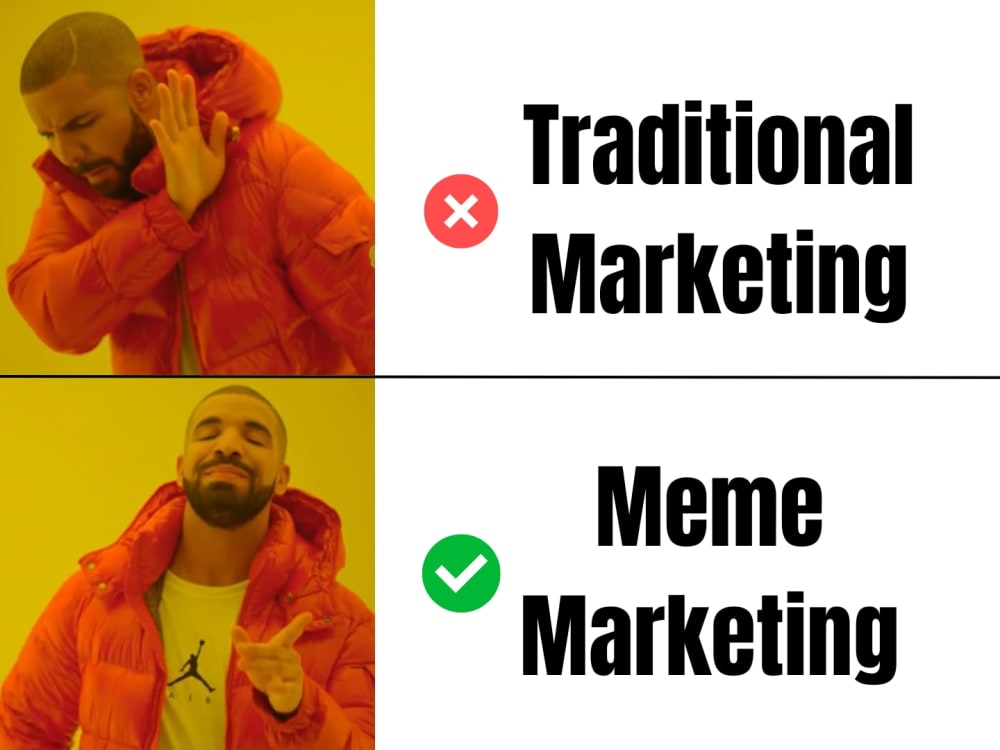
    Memes

    The Power of Memes in Social Media Marketing

    Memes are cultural phenomena—humorous images, videos, or text that spread rapidly across the internet. They often encapsulate relatable experiences, current events, or pop culture references in a concise and shareable format. On Facebook, memes serve as a universal language, uniting users through humor, nostalgia, or social commentary. By tapping into meme culture, brands can humanize their presence, spark conversations, and foster community engagement in a way that feels authentic and relevant.

    Benefits of Using Memes in Facebook Marketing

    1. Instantaneous Engagement

    Memes are designed to capture attention quickly and elicit immediate reactions. Their humorous or relatable nature encourages likes, shares, and comments, driving high engagement rates on Facebook. By incorporating memes into your content strategy, you can increase visibility and extend your reach organically as users share content with their networks.

    2. Enhancing Brand Personality

    Memes allow brands to showcase their personality and connect with audiences on a more personal level. By participating in meme culture, brands can demonstrate a sense of humor, wit, or cultural awareness that resonates with their target demographic. This humanizes the brand and builds affinity among followers who appreciate the brand’s ability to stay current and relevant.

    3. Capitalizing on Viral Trends

    Memes often originate from viral trends, news events, or pop culture moments that capture widespread attention. By monitoring trending memes on Facebook, marketers can capitalize on these cultural touchpoints to create timely and impactful content. Aligning your brand message with popular memes can increase engagement and ensure your content remains relevant and shareable.

    Strategies for Incorporating Memes into Your Facebook Strategy

    1. Stay Relevant and Current

    Monitor trending memes and cultural references on Facebook to stay informed about what resonates with your audience. Incorporate memes that align with your brand’s tone and values, ensuring they enhance rather than detract from your message.

    2. Customize Memes for Brand Messaging

    Adapt popular memes to include your brand’s messaging, products, or services creatively. Incorporate branded elements such as logos, slogans, or hashtags to maintain brand visibility while participating in meme culture authentically.

    3. Foster Engagement Through User-Generated Memes

    Encourage your audience to create and share memes related to your brand or products. Host meme contests, challenges, or polls on Facebook to encourage user participation and generate user-generated content that amplifies brand awareness and engagement.

    4. Use Memes for Storytelling and Education

    Memes can be effective tools for storytelling or conveying educational messages in a lighthearted and memorable way. Use memes to simplify complex topics, illustrate product features, or share customer testimonials creatively on Facebook.

    Case Studies: Successful Use of Memes in Facebook Marketing

    Let’s explore how brands have successfully incorporated memes into their Facebook marketing strategies:

    • Netflix’s Memes for Show Promotion: Netflix uses memes related to their original shows and movies to create buzz and drive viewership on Facebook. By tapping into fan culture and humor, Netflix engages audiences and builds anticipation for new releases.
    • Oreo’s Timely Memes: Oreo consistently creates timely and relevant memes tied to current events, holidays, or cultural phenomena on Facebook. By aligning their content with trending topics, Oreo maintains relevance and encourages shares among followers.

    Final Thoughts

    Integrating memes into your Facebook trend marketing strategy can elevate your brand’s presence, foster community engagement, and increase viral potential. By embracing meme culture responsibly and authentically, brands can leverage humor and relatability to connect with audiences on a deeper level.

    Stay tuned for more insights and practical tips on optimizing your social media strategy with engaging content formats. Start exploring the world of memes today to unlock new opportunities for creativity, connection, and conversation on Facebook. Let’s make your brand’s Facebook presence meme-tastic!