Category: Facebook Management

  • Best Practices for Running a Successful Facebook Ad Campaign

    Best Practices for Running a Successful Facebook Ad Campaign

    Best Practices for Running a Successful Facebook Ad Campaign

    Running a successful Facebook ad campaign requires strategic planning, thoughtful execution, and continuous optimization to achieve your marketing objectives effectively. With its extensive targeting options, robust analytics, and vast user base, Facebook remains a powerhouse for digital advertising. Whether you’re looking to drive website traffic, generate leads, increase sales, or boost brand awareness, implementing these best practices will help you maximize the impact of your Facebook ad campaigns.
    Facebook Ad

    1. Define Clear Objectives and KPIs

    Before launching a Facebook ad campaign, clearly define your objectives. Are you aiming to increase conversions, grow your email list, promote a new product, or enhance brand visibility? Align your campaign goals with specific Key Performance Indicators (KPIs) such as click-through rate (CTR), conversion rate, cost per acquisition (CPA), or return on ad spend (ROAS). Establishing clear objectives will guide your campaign strategy and measurement of success.

    2. Understand Your Target Audience

    Utilize Facebook’s detailed targeting options to reach your ideal audience based on demographics, interests, behaviors, and location. Understand who your target audience is, what their pain points are, and how your product or service solves their problems. Segment your audience into distinct groups to tailor ad messaging and creative that resonates with each segment’s preferences and needs.

    3. Create Compelling Ad Copy and Visuals

    Craft compelling ad copy that grabs attention and communicates your value proposition succinctly. Highlight benefits, solutions, or unique selling points that differentiate your offering from competitors. Use clear and concise language, incorporate persuasive calls-to-action (CTAs), and ensure your messaging aligns with the audience’s motivations and interests. Pair your ad copy with eye-catching visuals or videos that reinforce your message and capture interest quickly.

    4. Choose the Right Ad Format

    Facebook offers various ad formats to suit different campaign objectives and audience preferences:

    • Image Ads: Simple yet effective for showcasing products or lifestyle images.
    • Video Ads: Engage viewers with compelling videos that tell stories or demonstrate products.
    • Carousel Ads: Display multiple images or videos in a single ad, ideal for showcasing product features or storytelling.
    • Slideshow Ads: Create lightweight video-like ads from images.
    • Collection Ads: Showcase multiple products in a visually immersive format.

    Select the ad format that best aligns with your campaign goals and resonates with your target audience’s preferences.

    5. Set a Realistic Budget and Bidding Strategy

    Allocate a realistic budget based on your campaign objectives, audience size, and competition within your industry. Choose a bidding strategy that aligns with your goals—whether it’s maximizing conversions, controlling costs, or optimizing for impressions. Monitor your ad spend closely and adjust bidding strategies based on performance data to achieve the best results within your budget.

    6. Implement Conversion Tracking

    Set up Facebook Pixel—a piece of code that tracks user interactions on your website—to measure and optimize ad performance accurately. Track key actions such as purchases, sign-ups, or downloads to attribute conversions to specific ad campaigns. Use conversion data to refine targeting, adjust ad creatives, and optimize bidding strategies for maximum ROI.

    7. Test and Optimize Continuously

    A/B testing is crucial for optimizing Facebook ad campaigns. Experiment with different ad creatives, copy variations, audience segments, and ad placements to identify what resonates best with your audience. Test one variable at a time to isolate the impact on performance metrics. Continuously monitor ad performance, analyze results, and iterate on your strategy to improve ad relevance and achieve higher engagement and conversion rates.

    8. Leverage Retargeting Campaigns

    Retargeting campaigns target users who have interacted with your brand but haven’t completed a desired action, such as making a purchase or filling out a form. Set up custom audiences based on website visitors, email subscribers, or previous customers to re-engage them with tailored ad messaging. Use dynamic ads to display products or content that users have shown interest in, encouraging them to revisit your website and convert.

    9. Monitor and Analyze Performance Metrics

    Regularly monitor key performance metrics such as CTR, conversion rate, cost per conversion, and ROAS using Facebook Ads Manager. Analyze demographic insights, placement performance, and ad frequency to identify trends and opportunities for improvement. Use data-driven insights to make informed decisions, reallocate budgets to top-performing campaigns, and optimize underperforming ads for better results.

    10. Stay Updated with Facebook Advertising Policies and Best Practices

    Stay informed about Facebook’s advertising policies, guidelines, and best practices to ensure compliance and maximize campaign effectiveness. Adhere to platform rules regarding ad content, targeting practices, and privacy policies to avoid ad disapproval or account restrictions. Regularly review updates from Facebook Ads Help Center and participate in Facebook’s Blueprint courses to stay ahead of changes and leverage new features effectively.

    By implementing these best practices, marketers can create and optimize successful Facebook ad campaigns that resonate with their target audience, drive meaningful engagement, and achieve measurable business outcomes. Continuously refine your strategy based on performance data and industry trends to maintain campaign effectiveness and stay competitive in the digital landscape.

  • How to Use Influencer Marketing to Boost Your Brand

    How to Use Influencer Marketing to Boost Your Brand

    How to Use Influencer Marketing to Boost Your Brand

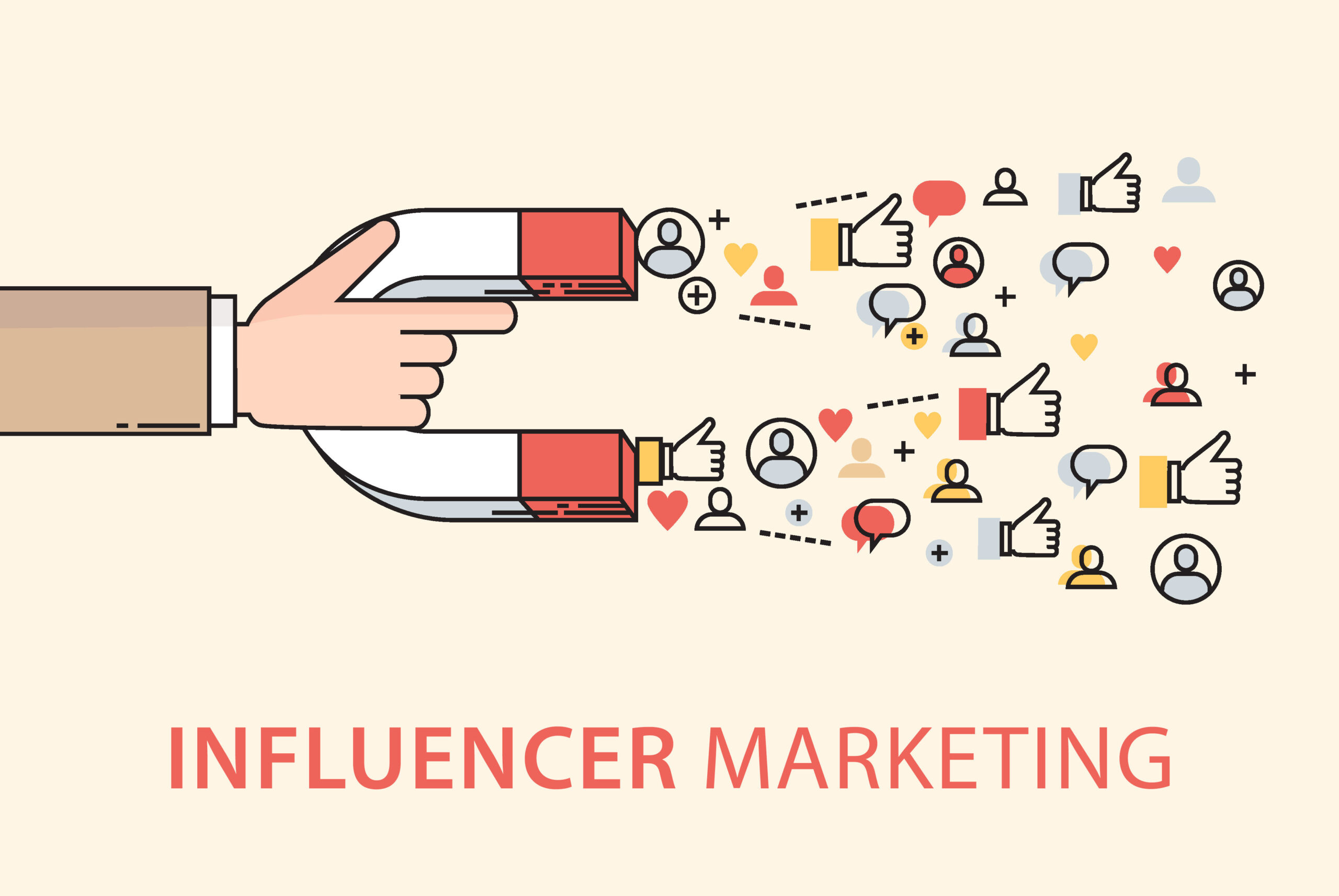
    Influencer marketing has emerged as a potent strategy for brands looking to expand their reach, enhance credibility, and engage with targeted audiences authentically. Leveraging influencers—individuals with dedicated and engaged followings—allows brands to tap into established communities and leverage their influence to promote products or services. Here’s a comprehensive guide on how to harness the power of influencer marketing effectively to boost your brand’s visibility and achieve marketing goals.

    Influencer Marketing


    1. Define Your Goals and Target Audience

    Before diving into influencer marketing, it’s essential to define clear goals. Are you aiming to increase brand awareness, drive sales, or build brand loyalty? Understanding your objectives will guide your influencer selection and campaign strategy. Similarly, identify your target audience—demographics, interests, behaviors—to ensure alignment between the influencer’s followers and your ideal customer profile.

    2. Identify Relevant Influencers

    Choosing the right influencers is crucial for the success of your campaign. Look for influencers whose values, content style, and audience demographics align with your brand. Consider factors such as follower demographics, engagement rates, content authenticity, and previous brand collaborations. Tools like social media analytics platforms and influencer marketing platforms can aid in identifying suitable influencers based on these criteria.

    3. Establish Authentic Relationships

    Building authentic relationships with influencers is key to a successful collaboration. Reach out to influencers whose content resonates with your brand’s values and goals. Personalize your outreach to demonstrate genuine interest in their work and audience. Establish clear communication regarding campaign expectations, deliverables, timelines, and compensation to ensure a mutually beneficial partnership.

    4. Collaborate on Creative Campaigns

    Collaborate with influencers to develop creative campaign concepts that align with both your brand’s messaging and the influencer’s unique style. Allow influencers creative freedom to showcase your product or service authentically to their audience. Whether it’s through sponsored posts, product reviews, giveaways, or influencer takeovers, ensure the content adds value and resonates with their followers.

    5. Leverage Different Types of Influencers

    Consider working with a mix of influencers to diversify your reach and impact. Macro influencers with large followings can amplify brand awareness on a broad scale, while micro influencers with smaller, niche audiences often have higher engagement rates and more targeted influence. Nano influencers, with their hyper-local or specialized followings, can foster deep community engagement and trust.

    6. Monitor and Measure Performance

    Monitor the performance of influencer campaigns using relevant metrics such as reach, engagement (likes, comments, shares), click-through rates (CTR), and conversions. Utilize tracking links, unique promo codes, or affiliate marketing tools to attribute sales and ROI directly to influencer efforts. Analyze campaign data to identify top-performing influencers, content formats, and messaging strategies for future optimization.

    7. Disclose Sponsored Content Ethically

    Maintain transparency and ethical standards in influencer marketing by ensuring influencers clearly disclose sponsored content to their followers. Compliance with FTC guidelines and platform-specific regulations builds trust with your audience and mitigates legal risks associated with influencer partnerships. Encourage influencers to use hashtags like #ad, #sponsored, or #partner to denote paid collaborations.

    8. Foster Long-Term Partnerships

    Nurture long-term relationships with influencers who align with your brand values and consistently deliver results. Long-term partnerships allow influencers to become advocates for your brand, fostering authenticity and credibility among their followers over time. Collaborate on ongoing campaigns, ambassador programs, or exclusive partnerships to maintain momentum and deepen influencer-brand relationships.

    9. Repurpose Influencer Content

    Maximize the impact of influencer-generated content by repurposing it across your brand’s digital channels. Share influencer-created posts, reviews, testimonials, and user-generated content (UGC) on your social media profiles, website, email newsletters, and advertising campaigns. User-generated content reinforces social proof and authenticity, resonating with potential customers and strengthening your brand’s reputation.

    10. Stay Updated with Industry Trends

    Stay abreast of evolving influencer marketing trends, platform updates, and best practices to refine your strategies continuously. Experiment with new content formats, emerging social media platforms, and innovative influencer collaboration methods to stay ahead of competitors and connect with your audience effectively. Adapt your influencer marketing strategy based on consumer behavior shifts and industry insights to maintain relevance and maximize campaign success.

    Incorporating influencer marketing into your overall marketing strategy can yield significant benefits by leveraging influencers’ authority, credibility, and engaged audiences. By strategically selecting influencers, fostering genuine relationships, and collaborating on compelling campaigns, you can amplify your brand’s reach, enhance consumer trust, and achieve your marketing objectives effectively.

  • Importance of Content Curation in Social Media Marketing

    Importance of Content Curation in Social Media Marketing

    Importance of Content Curation in Social Media Marketing

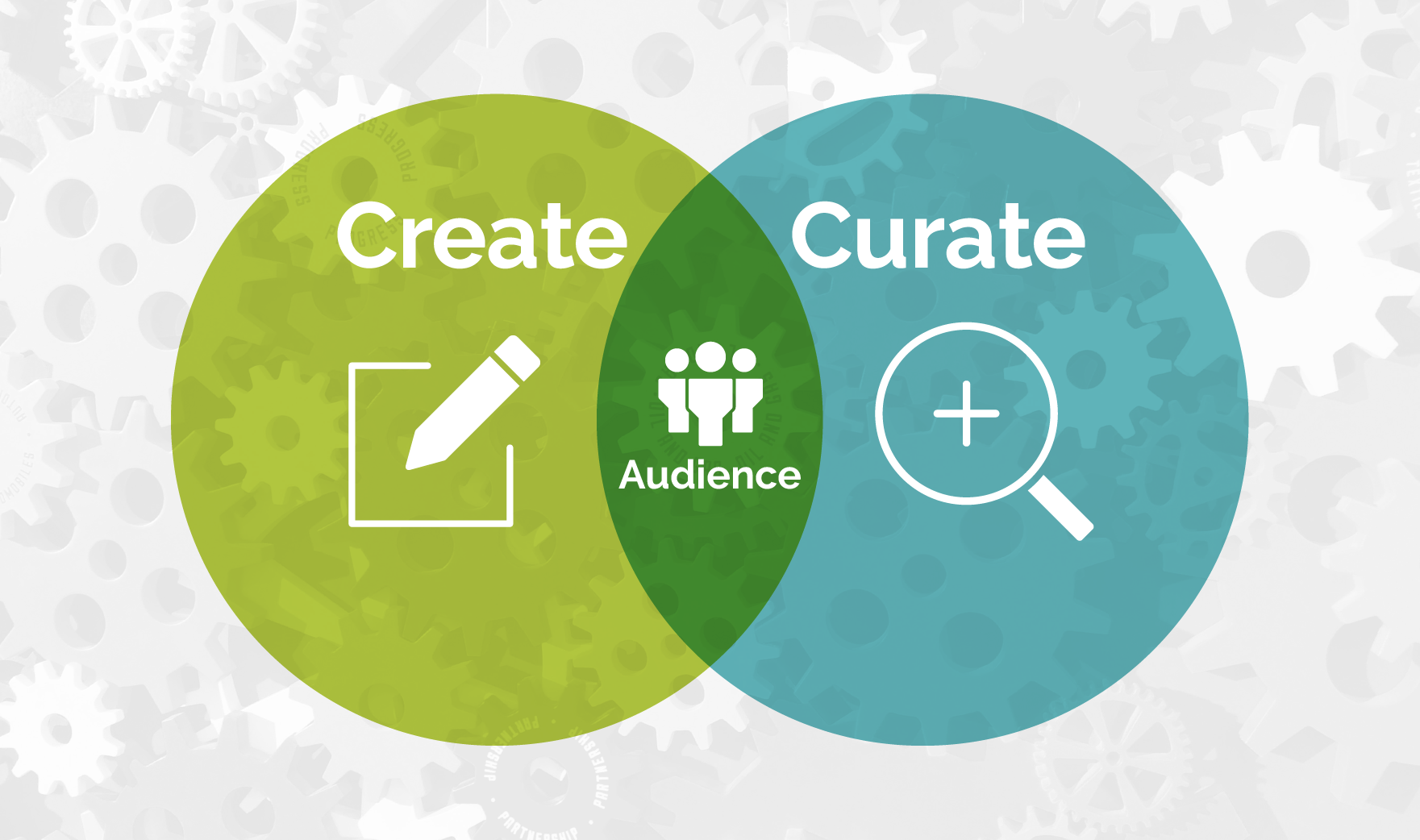
    Content curation has become a cornerstone of effective social media marketing strategies, enabling brands to consistently provide valuable, relevant content to their audience. In an era inundated with information, curating content allows businesses to cut through the noise, establish authority, and engage their followers authentically. Let’s delve into why content curation is crucial for successful social media marketing and how businesses can leverage it to enhance their online presence.

    Content Curation

    1. Providing Value and Relevance

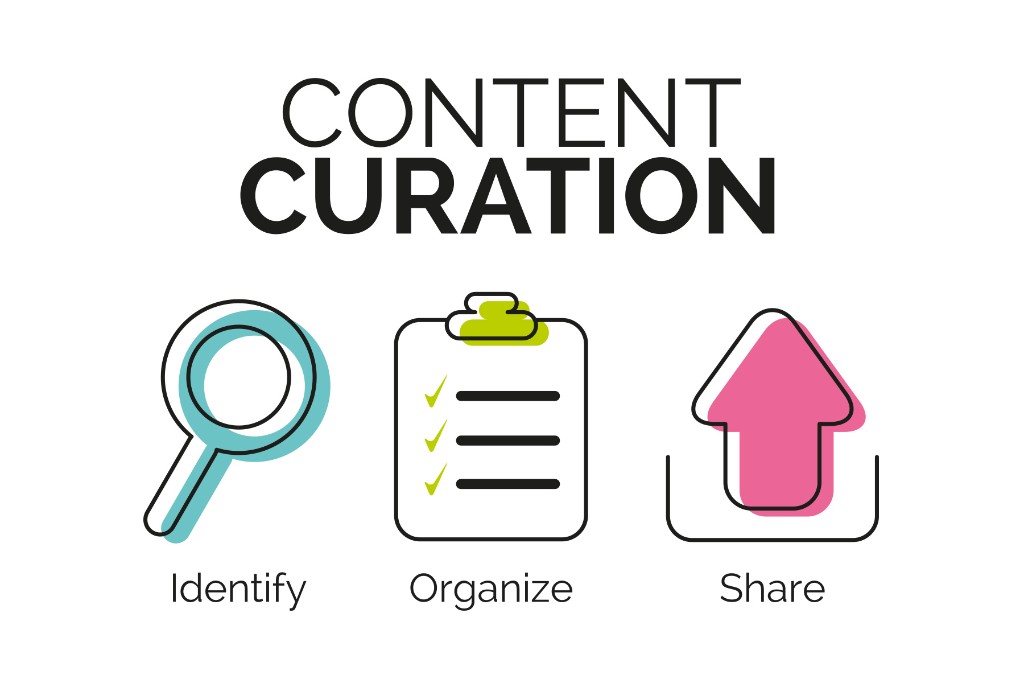
    Content curation involves finding, organizing, and sharing third-party content that is valuable and relevant to your audience. By curating content from reputable sources within your industry, you position your brand as a knowledgeable resource that cares about delivering useful information. This not only enhances your credibility but also fosters trust and loyalty among your followers.

    2. Filling Gaps in Your Content Calendar

    Maintaining a consistent posting schedule is key to staying visible and engaging on social media. Content curation allows you to supplement your original content with curated posts, ensuring your feed remains active and diverse. It helps fill gaps in your content calendar, especially during periods when you may not have new content ready to publish. This consistency keeps your audience engaged and prevents your social media channels from becoming stagnant.

    3. Building Relationships and Community

    Sharing curated content enables you to engage with other content creators, influencers, and industry experts. By crediting and tagging the original creators, you initiate conversations and build relationships within your niche community. This networking not only expands your reach but also opens doors to potential collaborations and partnerships, further amplifying your brand’s visibility and authority.

    4. Demonstrating Industry Knowledge

    Curating content allows you to showcase your understanding of industry trends, developments, and best practices. By sharing insightful articles, research findings, or thought-provoking opinions from experts, you position your brand as a thought leader in your field. This enhances your reputation among followers who look to your social media channels for relevant and up-to-date information.

    5. Diversifying Content Types

    Effective social media strategies encompass a variety of content types to cater to different audience preferences. Content curation adds diversity to your content mix by incorporating articles, videos, infographics, and more from various sources. This variety not only keeps your feed interesting but also attracts different segments of your audience who consume content in different formats.

    6. Saving Time and Resources

    Creating original content consistently can be time-consuming and resource-intensive. Content curation allows you to leverage existing high-quality content created by others, saving time and resources while maintaining content quality. This efficiency frees up your team to focus on other aspects of your social media strategy, such as engagement, community management, and analytics.

    7. Enhancing SEO and Social Media Reach

    Sharing curated content that resonates with your audience encourages likes, shares, and comments, which in turn increases your social media engagement metrics. Platforms like Facebook and LinkedIn reward engaging content by boosting its visibility in users’ feeds. Additionally, when you tag or mention the original creators in your curated posts, you may attract their audience to engage with your content, thereby expanding your reach organically.

    8. Staying Agile and Responsive

    In a rapidly evolving digital landscape, staying agile and responsive is crucial for maintaining relevance. Content curation allows you to react quickly to trending topics, breaking news, or industry shifts by sharing timely content from trusted sources. This responsiveness demonstrates your brand’s ability to stay informed and adaptive, which resonates positively with your audience.

    9. Measuring Impact and Refining Strategy

    Analyzing the performance of curated content provides valuable insights into what resonates best with your audience. Use social media analytics tools to track metrics such as engagement rates, clicks, shares, and follower growth attributed to curated posts. These insights help you refine your content curation strategy, optimize future posts, and maximize the impact of your social media efforts.

    10. Supporting Thoughtful Conversation

    Curating content sparks meaningful conversations among your audience. When you share thought-provoking articles or industry news, you encourage followers to comment, share their opinions, and engage with each other. Facilitating these discussions not only increases your post’s visibility but also deepens the sense of community around your brand.

    Incorporating content curation into your social media marketing strategy enables you to deliver consistent value, engage authentically with your audience, and position your brand as a trusted authority in your industry. By curating high-quality content that aligns with your brand’s values and resonates with your audience’s interests, you can foster meaningful relationships and drive long-term success on social media.

  • The Impact of Video Marketing on Brand Awareness

    The Impact of Video Marketing on Brand Awareness

    The Impact of Video Marketing on Brand Awareness

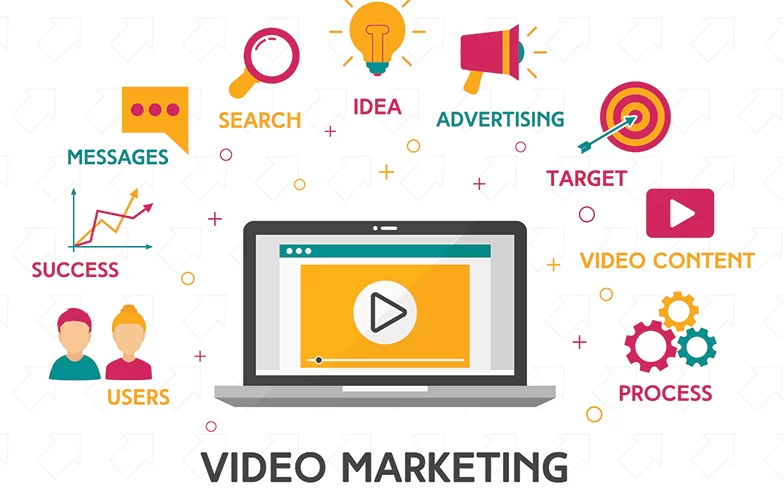
    In the fast-paced digital landscape of today, video marketing has emerged as a powerful tool for businesses to enhance brand awareness and connect with their target audience in meaningful ways. Leveraging the visual and auditory appeal of videos, brands can convey their message effectively, leaving a lasting impression on viewers. Let’s explore how video marketing influences brand awareness and why it has become an indispensable strategy in the realm of digital marketing.

    In a world bombarded by information overload, attention spans are shrinking faster than ever. This is where video marketing swoops in, cape flowing, to grab viewers by the eyeballs and turn them into loyal brand fans. But how exactly does video marketing work its magic on brand awareness? Let’s delve into the compelling world of moving images and explore the reasons why you need video in your marketing arsenal.

    Video Marketing

    Captivating Visual Content

    Videos have a unique ability to capture attention and engage viewers. Unlike text-based content, videos combine visual elements, sound, and sometimes text overlays to create a multi-sensory experience. This dynamic format allows brands to tell compelling stories, showcase products or services, and evoke emotions that resonate with their audience.

    Enhanced Engagement and Interaction

    One of the key advantages of video marketing is its ability to foster deeper engagement with the audience. According to studies, viewers are more likely to retain information presented in video format compared to text alone. Moreover, interactive elements such as clickable links, polls, and calls-to-action (CTAs) within videos encourage viewers to interact with the content, driving further engagement and increasing brand recall.

    Expanding Reach Across Channels

    With the proliferation of social media and video-sharing platforms like YouTube, Instagram, and TikTok, brands have unprecedented opportunities to reach a global audience. Each platform offers unique features and demographics, allowing businesses to tailor their video content to specific target markets. Whether through sponsored ads, influencer partnerships, or organic content, videos can amplify a brand’s reach and attract new audiences.

    Building Trust and Credibility

    Effective video marketing humanizes brands by putting faces behind the products or services. By featuring customer testimonials, behind-the-scenes footage, or interviews with company experts, brands can establish trust and credibility with their audience. Authenticity in video content resonates with viewers, fostering a sense of connection and loyalty towards the brand.

    Boosting SEO and Website Traffic

    Video content can significantly improve a brand’s search engine optimization (SEO) efforts. Search engines prioritize video content in search results, making it easier for brands to increase their online visibility. Embedding videos on your website can also enhance dwell time and reduce bounce rates, signaling search engines that your content is valuable and relevant to users.

    Measuring Success with Analytics

    Analytics play a crucial role in optimizing video marketing campaigns. Platforms like YouTube and social media channels provide robust analytics tools that offer insights into viewer behavior, engagement metrics, and conversion rates. By analyzing these metrics, brands can refine their video strategies, identify top-performing content, and make data-driven decisions to maximize ROI.

    Adapting to Evolving Trends

    As consumer preferences and technology evolve, so do video marketing trends. Brands must stay agile and adapt their video strategies to reflect current trends and audience expectations. From live streaming and 360-degree videos to short-form content and interactive storytelling, staying ahead of the curve allows brands to maintain relevance and captivate their audience effectively.

    Conclusion

    Video marketing continues to reshape the digital marketing landscape, offering brands unparalleled opportunities to increase brand awareness, engage audiences, and drive conversions. By harnessing the power of visual storytelling, optimizing for SEO, and leveraging analytics to refine strategies, brands can establish a strong online presence and build lasting relationships with their target audience.

    Embracing video marketing isn’t just about keeping up with trends—it’s about creating compelling content that resonates with viewers, inspires action, and ultimately, elevates your brand above the noise in today’s competitive market.

  • Top Trends in TikTok Marketing

    Top Trends in TikTok Marketing

    Top Trends in TikTok Marketing

    With its mesmerizing blend of short-form videos, catchy music, and endless creativity, TikTok has exploded into a social media phenomenon. But for brands, it’s more than just a platform for entertainment – it’s a dynamic landscape brimming with marketing potential. So, how can you leverage the power of TikTok to connect with Gen Z and propel your brand to new heights? Let’s dive into the top trends that are taking TikTok marketing by storm!

    TikTok Marketing

    1. Hashtag Challenges: A Gateway to Discovery and Engagement

    Hashtag challenges are the beating heart of TikTok. These user-generated content (UGC) campaigns encourage creativity and participation. Create a branded hashtag challenge that aligns with your brand identity and invites users to participate by showcasing their talent, humor, or unique take on a specific theme. This is a fantastic way to generate brand awareness, user engagement, and potentially go viral!

    2. Partner Up with Influencers: Harnessing the Power of Creators

    TikTok boasts a vibrant creator community. Partnering with the right influencers can be a game-changer for your TikTok marketing strategy. Identify creators who resonate with your target audience and whose content aligns with your brand values. Collaborate on sponsored content, product reviews, or fun challenges to leverage their established audience and amplify your reach.

    3. Embrace Authenticity: Let Your Brand Personality Shine

    People connect with brands that feel real. TikTok thrives on authenticity. Don’t be afraid to showcase your brand personality, inject some humor into your content, and even participate in trending challenges with a unique brand twist. This human touch fosters trust and connection with your audience.

    4. Short and Sweet Storytelling: Captivate in Seconds

    Attention spans are short on TikTok. Craft compelling narratives within the confines of the platform’s short-form video format. Use storytelling techniques to hook viewers in the first few seconds, keep them engaged throughout the video, and leave them wanting more. Experiment with different video formats – tutorials, behind-the-scenes glimpses, or humorous product demonstrations – to find what resonates best with your audience.

    5. Duet It Out: Leverage User Interaction Features

    TikTok’s interactive features are goldmines for engagement. The duet function allows users to create side-by-side videos alongside existing content. Encourage users to duet with your branded content, adding their own creative spin or reacting to your message. This two-way interaction fosters a sense of community and keeps your audience actively involved.

    6. Hop on the Trend Train: Embrace What’s Hot (But Keep it On-Brand)

    Staying relevant on TikTok is key! Keep your finger on the pulse of trending sounds, challenges, and dance routines. But remember, don’t just blindly follow every trend. Infuse trending elements with your brand identity to create content that feels fresh and authentic. This keeps your brand visible while staying true to its core message.

    7. Live it Up with TikTok Live: Go Beyond Pre-Recorded Content

    Live video offers a unique opportunity to connect with your audience in real-time. Host live Q&A sessions, conduct product demonstrations, or offer exclusive behind-the-scenes glimpses during live events. The interactive nature of live video allows you to build a stronger connection with your audience and answer their questions in real-time.

    8. Leverage Influencer Duets: Double Down on Creator Power

    Take influencer partnerships to the next level with influencer duets. Partner with two complementary creators and have them duet a branded challenge or video concept. This taps into the reach of both creators, broadens your audience reach, and injects a fun, collaborative element into your content.

    9. Stitch It Together: Remixing Content for Maximum Engagement

    The “Stitch” feature allows users to seamlessly combine clips from existing videos with their own creative response. Encourage users to stitch together your branded content with their own take, adding commentary, reactions, or building upon your original message. This fosters user-generated content (UGC) in a new form, keeping your brand at the center of the conversation.

    10. Leverage TikTok Ads: Target Your Ideal Audience

    Organic reach is important, but paid advertising can be a powerful tool. Explore TikTok’s advertising options to target your ideal audience with laser precision. Create engaging video ads that showcase your brand story, promote new products, or drive traffic to your website.

    By embracing these top trends and tailoring them to your unique brand voice, you can transform your TikTok presence from a silent observer to a thriving marketing force. Remember, authenticity, creativity, and audience engagement are key to success on TikTok. So, grab your smartphone, unleash your creativity, and get ready to join the vibrant world of TikTok marketing!

  • How to Use Facebook Ads Effectively

    How to Use Facebook Ads Effectively

    How to Use Facebook Ads Effectively

    In the digital age, Facebook Ads have revolutionized the way businesses connect with their target audiences, allowing for precise targeting, engaging creatives, and measurable results. Whether you’re a small startup or a well-established brand, harnessing the power of Facebook Ads can significantly enhance your marketing efforts and drive meaningful business growth. Here’s a comprehensive guide on how to use Facebook Ads effectively to maximize your advertising ROI and achieve your business objectives.

    Understanding Facebook Ads

    Facebook Ads is a robust advertising platform that enables businesses to reach a highly targeted audience based on demographics, interests, behaviors, and location. With billions of users worldwide, Facebook offers unparalleled opportunities to promote your products or services, drive website traffic, increase app installs, generate leads, and more.

    Facebook Ads

    1. Setting Clear Objectives

    Before diving into Facebook Ads, define your advertising objectives clearly. Are you looking to increase brand awareness, drive conversions, boost sales, or grow your email list? Setting specific and measurable goals will guide your ad strategy and help you determine the most relevant metrics for tracking success.

    2. Audience Targeting and Segmentation

    Facebook’s powerful targeting options allow you to tailor your ads to reach the right audience. Utilize demographics such as age, gender, location, education, and income level to narrow down your target audience. Additionally, leverage interests, behaviors, and even custom audiences (based on your existing customer data) to refine your targeting further.

    3. Compelling Ad Creative

    Capture your audience’s attention with visually appealing and compelling ad creatives. Use high-quality images or videos that resonate with your target audience and align with your brand’s message. Incorporate engaging copy that clearly communicates your value proposition and encourages action, whether it’s clicking through to your website or making a purchase.

    4. Ad Formats and Placement

    Choose the right ad format and placement to maximize engagement and visibility. Facebook offers various ad formats including carousel ads, single image or video ads, slideshow ads, and collection ads. Experiment with different formats to see which performs best for your objectives and audience. Consider where your ads will appear (e.g., Facebook News Feed, Instagram feed, Stories, Messenger) to optimize reach and impact.

    5. Budgeting and Bidding Strategies

    Set a realistic budget for your Facebook Ads campaign based on your advertising goals and expected return on investment (ROI). Facebook allows you to choose between daily or lifetime budgets and offers bidding options such as cost-per-click (CPC), cost-per-thousand-impressions (CPM), or cost-per-action (CPA). Monitor your campaign’s performance closely and adjust your budget and bidding strategy as needed to optimize results.

    6. Monitoring and Optimization

    Regularly monitor the performance of your Facebook Ads using Facebook Ads Manager or Business Manager. Track key metrics such as click-through rate (CTR), conversion rate, cost per acquisition (CPA), and return on ad spend (ROAS). Identify top-performing ads and audiences, and allocate more budget to high-performing campaigns while making adjustments to underperforming ones.

    7. A/B Testing

    Optimize your ad campaigns through A/B testing (or split testing) different elements such as ad creatives, copy, audiences, and placements. Test one variable at a time to identify which elements drive the best results. Use insights from A/B testing to refine your ads and continuously improve their performance over time.

    8. Retargeting and Remarketing

    Utilize Facebook’s retargeting capabilities to re-engage users who have interacted with your brand but haven’t completed a desired action (e.g., made a purchase or filled out a form). Create custom audiences based on website visitors, email subscribers, or users who have engaged with your Facebook or Instagram content. Tailor your ads with personalized messaging to encourage conversions from these warm leads.

    9. Leveraging Analytics and Insights

    Gain valuable insights from Facebook Analytics to understand your audience’s behavior, preferences, and interactions with your ads. Use these insights to refine your targeting, messaging, and overall ad strategy. Regularly review performance reports and adjust your approach based on data-driven decisions.

    10. Adapting to Changes and Trends

    Stay updated with Facebook’s advertising policies, algorithm changes, and industry trends to stay ahead of the competition. Experiment with new features and ad formats introduced by Facebook to capitalize on emerging opportunities and maintain relevance with your audience.

    Final Thoughts

    Facebook Ads offer unparalleled opportunities for businesses to reach and engage with their target audience effectively. By implementing these strategies and continuously refining your approach based on performance insights, you can maximize the impact of your Facebook advertising efforts and achieve sustainable growth for your business.

    Unlock the potential of Facebook Ads. Drive engagement, conversions, and business success through strategic advertising on the world’s largest social media platform.

  • Building a Strong Brand Presence on Social Media

    Building a Strong Brand Presence on Social Media

    Building a Strong Brand Presence on Social Media

    In today’s digital age, social media reigns supreme. It’s the bustling marketplace where we connect, consume information, and build communities. But for businesses, this online landscape presents a golden opportunity – a chance to cultivate a strong brand presence and connect with their target audience on a deeper level. However, simply having a social media presence isn’t enough. To truly thrive, you need a strategic approach that fosters brand awareness, engagement, and ultimately, loyalty.

    In today’s digital age, a strong brand presence on social media is essential for businesses looking to connect with their audience, build credibility, and drive growth. With billions of active users across various platforms, social media offers unparalleled opportunities to showcase your brand’s personality, engage with your audience, and establish a loyal following. In this comprehensive guide, we’ll explore the fundamentals of building a strong brand presence on social media, uncovering strategies for success and maximizing your impact.

    Brand Presence

    Know Your Audience: The Foundation of Brand Connection

    Before diving headfirst into crafting content and posting away, take a moment to understand who you’re trying to reach. Who is your ideal customer? What are their interests, challenges, and online habits? Do they crave informative blog posts or laugh out loud at funny memes? Understanding your audience is the foundation for building a brand presence that resonates with them and compels them to connect.

    Crafting a Compelling Brand Identity: Be Your Unique Self

    Social media is a crowded space. What makes your brand stand out? Develop a clear and consistent brand identity that reflects your values, personality, and what makes you unique. This brand identity will guide your content creation, visual style, and overall social media presence. Think of it as your brand’s voice – authentic, engaging, and instantly recognizable.

    Content is King (and Queen): A Recipe for Engagement

    High-quality content is the cornerstone of a strong social media presence. Move beyond generic posts and promotional messages. Instead, create engaging content that sparks conversations, educates your audience, and entertains them. Visuals are key – eye-catching photos, captivating infographics, and short, informative videos can grab attention and leave a lasting impression.

    The Power of Storytelling: Weaving a Narrative that Captivates

    People connect with stories. Use social media to weave a captivating narrative about your brand. Showcase your company culture, highlight the human element behind your products, and tell stories that resonate with your audience’s aspirations and challenges. This emotional connection is what fosters brand loyalty and makes people want to be part of your brand story.

    Embrace the Power of Community: Building Relationships, Not Just Followers

    Social media is a two-way street. Don’t just broadcast messages into the void. Actively engage with your audience by responding to comments, participating in conversations, and answering questions promptly. Encourage user-generated content by running contests and asking thought-provoking questions. Building a community around your brand fosters a sense of belonging and strengthens brand loyalty.

    Consistency is Key: Showing Up and Staying Relevant

    Building a strong brand presence on social media is a marathon, not a sprint. Consistency is key. Develop a regular posting schedule and stick to it. This ensures your audience knows when to expect new content and keeps your brand top-of-mind. But consistency goes beyond just timing. Maintain a consistent visual style, brand voice, and overall messaging across all your social media platforms.

    Leveraging Social Media Analytics: Data-Driven Decisions for Growth

    Social media platforms offer a wealth of data and insights. Utilize analytics tools to track your reach, engagement, and website traffic. See what content resonates with your audience and what falls flat. Use this data to refine your strategy, optimize your content calendar, and ensure your social media efforts are driving towards your business goals.

    The Power of Paid Advertising: A Targeted Boost for Brand Awareness

    While organic reach is important, social media advertising allows you to amplify your message and target your ideal audience with laser precision. Leverage paid advertising platforms to promote valuable content, reach new followers, and drive conversions. But remember, paid advertising is a tool to be used strategically. Ensure your ad creatives are visually appealing and your targeting is on point to maximize your return on investment.

    Building a Strong Brand Presence: A Journey, Not a Destination

    Building a strong brand presence on social media takes time, dedication, and continuous refinement. Stay curious, experiment with different strategies, and embrace the ever-evolving social media landscape. By focusing on creating valuable content, fostering genuine connections with your audience, and leveraging the power of data and analytics, you can transform your social media presence from an afterthought into a powerful tool for brand growth. So, are you ready to embark on this exciting journey?

  • Navigating the World of Social Media Analytics

    Navigating the World of Social Media Analytics

    In the ever-evolving landscape of digital marketing, social media analytics has emerged as a powerful tool for understanding, evaluating, and optimizing your brand’s performance across social platforms. By harnessing the wealth of data available through social media analytics tools, brands can gain invaluable insights into their audience, content strategy, and overall effectiveness of their social media efforts. In this guide, we’ll delve into the world of social media analytics, exploring its key features, benefits, and strategies for leveraging data-driven insights to drive success.

    Social Media Analytics

    Understanding Social Media Analytics:

    At its core, social media analytics refers to the process of gathering and analyzing data from social media platforms to inform decision-making and strategy development. From tracking key metrics such as engagement, reach, and impressions to monitoring sentiment, demographics, and content performance, social media analytics provides brands with a comprehensive view of their social media presence and impact. By understanding how users interact with your content and engage with your brand online, you can make informed decisions to optimize your strategy and achieve your marketing objectives.

    Key Metrics and KPIs:

    When it comes to social media analytics, there is no shortage of metrics to track. However, not all metrics are created equal, and it’s essential to focus on those that align with your business goals and objectives. Some key metrics to consider include:

    1. Engagement: Measures the level of interaction your content receives, including likes, comments, shares, and clicks.
    2. Reach: Indicates the number of unique users who have seen your content.
    3. Impressions: Represents the total number of times your content has been displayed on users’ screens.
    4. Click-Through Rate (CTR): Measures the percentage of users who click on a link or call-to-action within your content.
    5. Conversion Rate: Tracks the percentage of users who take a desired action, such as making a purchase or signing up for a newsletter.

    By tracking these and other relevant metrics, you can gain insights into the effectiveness of your social media efforts and identify areas for improvement.

    Tools and Platforms:

    A plethora of social media analytics tools and platforms are available to help brands gather, analyze, and visualize their social media data. From native platform analytics dashboards to third-party tools like Hootsuite, Sprout Social, and Google Analytics, these tools offer a range of features and capabilities to suit your needs. Whether you’re looking to track real-time performance, benchmark against competitors, or generate detailed reports for stakeholders, there’s a tool out there to help you make sense of your social media data.

    Sentiment Analysis and Brand Monitoring:

    In addition to tracking quantitative metrics, social media analytics can also provide valuable insights into qualitative factors such as sentiment and brand perception. Sentiment analysis tools can analyze social media mentions and conversations to determine whether they are positive, negative, or neutral, allowing brands to gauge public sentiment and identify potential PR crises or reputation management opportunities. By monitoring brand mentions and sentiment, you can stay ahead of the curve and proactively address any issues that may arise.

    Content Optimization and Strategy Development:

    Perhaps the most significant benefit of social media analytics is its ability to inform content optimization and strategy development. By analyzing which types of content resonate most with your audience, when they are most active, and which channels drive the most engagement, you can tailor your content strategy to maximize impact and ROI. Experiment with different content formats, posting schedules, and messaging strategies, and use social media analytics to track the results and iterate based on what works best for your brand.

    Influencer Identification and Partnership:

    Social media analytics can also be invaluable for identifying potential influencers and strategic partners for your brand. By analyzing influencers’ reach, engagement rates, and audience demographics, you can pinpoint those who align with your brand values and target market. Collaborating with influencers can help you reach new audiences, increase brand awareness, and drive engagement and conversions. Use social media analytics to track the performance of influencer partnerships and measure the impact on your brand’s objectives.

    Transforming Data into Actionable Insights

    Social media analytics can be a goldmine of valuable information, but it’s only useful if you translate data into actionable insights. Use your newfound knowledge to inform your social media strategy, create content that resonates with your audience, and ultimately drive business growth.

    So, the next time you feel overwhelmed by the sea of data in your social media analytics dashboard, take a deep breath and remember – this information is your key to unlocking social media success. With the right approach, you can transform social media analytics from a cryptic puzzle into a roadmap leading your brand to new heights. Now, go forth and conquer the world of social media analytics!

  • Crafting Compelling Content for Social Media

    Crafting Compelling Content for Social Media

    Crafting Compelling Content for Social Media

    In the fast-paced world of social media, capturing your audience’s attention is no easy feat. With endless streams of content vying for their eyes, it’s essential to craft compelling content that stands out from the crowd. Whether you’re a seasoned marketer or a budding entrepreneur, mastering the art of creating engaging social media content is key to building a loyal following and driving meaningful interactions. In this comprehensive guide, we’ll explore proven strategies for crafting compelling content that resonates with your audience and drives results.

    In the whirlwind of social media, where attention spans are shorter than a goldfish’s memory, crafting content that truly compels people to stop scrolling and engage is an art form. But fear not, fellow marketer! With a few key strategies and a sprinkle of creativity, you can transform your social media presence into a magnet for engagement.

    Content

    Know Your Audience: It All Starts With Them

    Before you unleash a barrage of content into the social media abyss, take a moment to understand who you’re trying to reach. Who is your ideal follower? What are their interests, challenges, and online habits? Do they prefer funny memes or informative infographics? Understanding your audience is the foundation for crafting content that resonates with them on a deeper level.

    Before diving into content creation, it’s crucial to understand your audience inside and out. Who are they? What are their interests, pain points, and aspirations? Conducting thorough audience research will provide invaluable insights into what resonates with your target demographic, allowing you to tailor your content to their preferences effectively.

    Telling Your Story:

    At its core, social media is all about storytelling. Whether you’re showcasing your brand’s journey, highlighting customer testimonials, or sharing behind-the-scenes glimpses, storytelling humanizes your brand and fosters a deeper connection with your audience. Be authentic, transparent, and relatable in your storytelling, and don’t be afraid to show the human side of your brand.

    Creating Visual Appeal:

    In the visual-centric world of social media, eye-catching visuals are paramount. Invest in high-quality photography, graphics, and videos that capture attention and communicate your message effectively. Experiment with different formats, such as carousels, GIFs, and infographics, to keep your content fresh and engaging. And don’t forget to optimize your visuals for each platform’s specifications to ensure maximum impact.

    Crafting Compelling Copy:

    While visuals may grab attention, it’s the accompanying copy that seals the deal. Craft concise, compelling copy that complements your visuals and encourages action from your audience. Whether you’re writing a captivating caption, a persuasive call-to-action, or a witty tweet, aim to evoke emotion, spark curiosity, and drive engagement with your words.

    Adding Value:

    In today’s cluttered social media feeds, adding value is essential for cutting through the noise. Provide your audience with actionable tips, insightful advice, or entertaining content that enriches their lives in some way. By positioning your brand as a valuable resource, you’ll not only attract followers but also foster trust and loyalty among your audience.

    Embracing Authenticity:

    In a world of filters and facades, authenticity reigns supreme. Be genuine, transparent, and real in your social media content, and don’t be afraid to show the imperfect side of your brand. Share your successes and failures, engage in meaningful conversations, and showcase the people behind your brand. Authenticity builds trust, fosters connections, and sets you apart from the competition.

    Encouraging Engagement:

    Engagement is the lifeblood of social media, and actively encouraging interaction should be a top priority. Pose questions, solicit feedback, and spark conversations with your audience to foster a sense of community around your brand. Respond promptly to comments, messages, and mentions, and make your audience feel heard and valued.

    Analyzing and Iterating:

    Finally, don’t overlook the importance of analytics in refining your content strategy. Track key metrics such as reach, engagement, and conversion rates to gauge the effectiveness of your content and identify areas for improvement. Use these insights to iterate and optimize your content strategy over time, ensuring that you continue to deliver compelling content that resonates with your audience.

    In Conclusion:

    Crafting compelling content for social media is both an art and a science. By understanding your audience, telling your story, creating visual appeal, crafting compelling copy, adding value, embracing authenticity, encouraging engagement, and analyzing and iterating on your efforts, you can create content that captivates your audience and drives meaningful results for your brand. So, roll up your sleeves, unleash your creativity, and start crafting content that leaves a lasting impression on your audience.

  • Understanding the Basics of Search Engine Algorithms

    Understanding the Basics of Search Engine Algorithms

    Understanding the Basics of Search Engine Algorithms

    In the rapidly evolving world of digital marketing, understanding Search Engine Algorithms is crucial for anyone aiming to boost their online presence. These algorithms are the secret sauce behind search engine results, determining which web pages appear at the top of search engine results pages (SERPs). As 2024 unfolds, grasping the basics of these algorithms can give you the edge you need to enhance your SEO strategy and drive more organic traffic. Let’s dive into the fundamentals of Search Engine Algorithms and how they influence your search engine ranking.

    Search Engine Algorithms


    1. What Are Search Engine Algorithms?

    At their core, Search Engine Algorithms are complex systems used by search engines like Google, Bing, and Yahoo to rank web pages in their search results. These algorithms evaluate numerous factors to decide which pages are most relevant and useful for a given query. They are designed to deliver the best possible user experience by providing the most pertinent results based on the search terms entered. Understanding these algorithms helps you optimize your content to align with what search engines are looking for.

    2. Key Components of Search Engine Algorithms

    Several key factors influence how Search Engine Algorithms rank pages:

    • Relevance: Algorithms assess how well your content matches the search query. This includes keyword relevance, but also the context and intent behind the search.
    • Quality: High-quality content that is informative, engaging, and well-researched tends to rank better. Algorithms prioritize content that offers value to users.
    • Authority: Search engines evaluate the credibility of your site based on factors such as backlinks from reputable sources and domain age. Authority signals that your content is trustworthy and reliable.
    • User Experience: Factors such as page load speed, mobile-friendliness, and site navigation impact your rankings. A seamless user experience is essential for good rankings.

    3. The Role of Keywords in Search Engine Algorithms

    Keywords have historically been a cornerstone of SEO, but their role has evolved with advances in Search Engine Algorithms. Modern algorithms focus on keyword intent rather than exact matches. This means that optimizing for contextually relevant keywords and providing comprehensive answers to user queries are more important than ever. Long-tail keywords and natural language processing (NLP) are becoming increasingly significant as algorithms strive to understand the nuances of user intent.

    4. The Importance of Quality Content

    Content quality is a major player in the ranking game. Search engines are designed to prioritize content that provides value to users. This means creating content that is not only relevant and well-written but also engaging and useful. High-quality content includes detailed information, clear structure, and unique insights that address the needs and questions of your audience. As algorithms become more sophisticated, they increasingly reward content that meets these high standards.

    5. Understanding Algorithm Updates

    Search engines frequently update their algorithms to improve search results and combat spam. These updates can significantly impact your site’s ranking, so staying informed about changes is crucial. Major updates, such as Google’s Panda, Penguin, and Hummingbird, have historically focused on content quality, link-building practices, and semantic search, respectively. Keeping up with these updates helps you adapt your SEO strategy and maintain strong search rankings.

    6. The Impact of User Engagement Metrics

    User engagement metrics such as click-through rate (CTR), bounce rate, and time on site play a role in how Search Engine Algorithms evaluate your content. If users click on your link and spend time engaging with your content, it signals to search engines that your page is relevant and valuable. Conversely, high bounce rates or low engagement can indicate to algorithms that your content may not be meeting user expectations.

    7. Mobile Optimization and Algorithm Performance

    As mobile search continues to grow, search engines have placed increased emphasis on mobile optimization. Search Engine Algorithms now consider mobile-friendliness as a critical ranking factor. This means that having a responsive design, fast-loading mobile pages, and easy-to-navigate interfaces is essential for maintaining strong rankings. Google’s mobile-first indexing, for example, primarily uses the mobile version of your site for indexing and ranking.

    8. Leveraging Backlinks for Authority

    Backlinks remain a powerful factor in SEO, reflecting the authority and credibility of your site. Search Engine Algorithms evaluate the quality and relevance of backlinks to determine how trustworthy your site is. Building a strong backlink profile from reputable sources can enhance your site’s authority and improve your rankings. However, it’s important to focus on natural, high-quality backlinks rather than engaging in manipulative link-building practices.

    9. The Future of Search Engine Algorithms

    Looking ahead, Search Engine Algorithms are likely to continue evolving with advancements in AI and machine learning. These technologies enable search engines to better understand user intent, context, and content quality. Voice search, visual search, and AI-driven personalization are expected to play increasingly prominent roles in how algorithms assess and rank content. Staying ahead of these trends and adapting your SEO strategy accordingly will be key to maintaining a competitive edge.

    Understanding Search Engine Algorithms provides valuable insights into how search engines determine rankings and how you can optimize your site to improve visibility. By focusing on relevance, quality, user experience, and staying updated with algorithm changes, you can enhance your SEO efforts and drive better results for your business. Embrace these fundamentals to navigate the ever-changing landscape of search engine optimization and achieve success in the digital world.