Tag: Social Media

  • Facebook Marketing Trends to Watch

    Facebook Marketing Trends to Watch

    Facebook Marketing Trends to Watch

    Facebook, the titan of social media, continues to evolve with new features and trends that shape digital marketing strategies worldwide. As businesses adapt to changes in consumer behavior and technological advancements, staying updated with Facebook trends is crucial for maximizing engagement and achieving marketing goals. Here’s a comprehensive look at the latest Facebook marketing trends to watch out for in 2024:

    Facebook Marketing

    1. Video Content Dominance

    Why it Matters: Video remains king on Facebook, driving higher engagement and visibility. The platform continues to prioritize video content in news feeds, making it essential for brands to invest in high-quality video production.

    Implementation Tips:

    • Live Streaming: Utilize Facebook Live for real-time engagement with your audience. Host Q&A sessions, product launches, or behind-the-scenes tours.
    • Short-form Videos: Create snackable content using Facebook Stories and Reels to capture attention quickly and convey messages effectively.
    • Interactive Videos: Incorporate polls, quizzes, and clickable elements within videos to enhance user engagement and encourage interaction.

    2. Augmented Reality (AR) Experiences

    Why it Matters: Facebook’s AR capabilities are expanding, offering innovative ways for brands to create immersive experiences that resonate with users.

    Implementation Tips:

    • AR Filters and Lenses: Develop branded AR filters and lenses to allow users to interact with your products or services creatively.
    • Virtual Try-Ons: Enable customers to virtually try on products like makeup, clothing, or accessories directly within Facebook using AR technology.
    • AR Ads: Experiment with AR ads to increase engagement and drive conversions by showcasing products in an interactive and engaging format.

    3. Ephemeral Content on Stories

    Why it Matters: Stories have become immensely popular across social platforms, including Facebook. Ephemeral content boosts engagement by creating a sense of urgency and FOMO (Fear Of Missing Out).

    Implementation Tips:

    • Daily Updates: Share behind-the-scenes content, product demos, or user-generated content (UGC) through Stories to keep your audience engaged.
    • Exclusive Offers: Run limited-time promotions or discounts exclusively through Stories to incentivize immediate action.
    • Interactive Features: Use stickers, polls, and questions to encourage audience interaction and feedback.

    4. Community Building and Groups

    Why it Matters: Facebook Groups continue to thrive as communities where users with shared interests connect, engage in discussions, and seek valuable content.

    Implementation Tips:

    • Branded Groups: Create and nurture branded Facebook Groups to foster a loyal community around your brand. Encourage discussions, share exclusive content, and provide customer support.
    • Group Engagement: Actively participate in group conversations, address member questions, and leverage group insights to tailor content and offerings.
    • Collaborations: Partner with influencers or industry experts to co-moderate groups and amplify reach within niche communities.

    5. Personalization and AI-driven Recommendations

    Why it Matters: Facebook’s AI algorithms are becoming more sophisticated in delivering personalized content and recommendations to users.

    Implementation Tips:

    • Dynamic Ads: Utilize Facebook’s dynamic ad formats to deliver personalized recommendations based on user behavior and preferences.
    • Custom Audience Targeting: Leverage Facebook’s advanced targeting options to reach specific segments of your audience with tailored messaging.
    • Chatbots: Implement AI-powered chatbots on Facebook Messenger to automate customer interactions, provide instant responses, and enhance user experience.

    6. Social Commerce and Shopping Features

    Why it Matters: Facebook continues to integrate shopping functionalities to facilitate seamless e-commerce experiences directly on the platform.

    Implementation Tips:

    • Facebook Shops: Set up a Facebook Shop to showcase products, enable transactions, and streamline the purchasing process for users.
    • In-Stream Shopping: Tag products in live videos or posts to allow viewers to purchase directly while engaging with your content.
    • Customer Reviews and Recommendations: Encourage customers to leave reviews and recommendations on Facebook, influencing potential buyers’ decisions.

    7. Sustainability and Social Responsibility

    Why it Matters: Consumers increasingly prefer brands that demonstrate commitment to sustainability and social causes. Facebook trends reflect this shift towards ethical and responsible business practices.

    Implementation Tips:

    • CSR Initiatives: Share stories and updates on your brand’s sustainability efforts, charitable contributions, or community involvement through Facebook posts and Stories.
    • Educational Content: Raise awareness about environmental issues or social causes relevant to your brand values through informative content and campaigns.
    • Transparency: Communicate openly about your sustainability practices, ethical sourcing, and corporate responsibility efforts to build trust with your audience.

    Stay Ahead with Facebook Marketing Trends

    By leveraging these emerging Facebook marketing trends, businesses can forge deeper connections with their audience, drive engagement, and achieve meaningful results in 2024 and beyond. Embrace innovation, experiment with new features, and adapt your strategies to capitalize on the evolving landscape of social media marketing.

    Stay tuned for more updates and insights on navigating the ever-changing world of digital marketing. Explore new opportunities, refine your approach, and stay ahead of the curve with strategic Facebook marketing practices that resonate with your audience and drive business growth.
  • Facebook Page Optimization Strategies

    Facebook Page Optimization Strategies

    Facebook Page Optimization Strategies

    In today’s digital age, a well-optimized Facebook Page is essential for businesses aiming to enhance visibility, engage with their audience, and drive conversions. With over 2.89 billion monthly active users, Facebook offers a powerful platform to connect with potential customers and build a loyal community around your brand. Here are effective strategies to optimize your Facebook Page and maximize its impact on your marketing efforts.

    Facebook Page

    1. Optimize Your Page Information

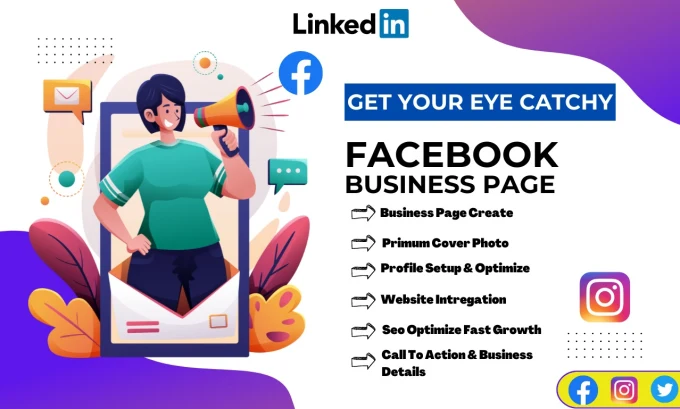
    Start by ensuring that your Facebook Page information is complete, accurate, and up-to-date. Include essential details such as your business name, address, phone number, website URL, and business hours. Use relevant keywords in your Page description and About section to improve discoverability in search results. Verify your business Page to build trust and credibility among your audience.

    2. Create a Compelling Profile Picture and Cover Photo

    Your profile picture and cover photo are prime real estate on your Facebook Page. Choose a high-resolution profile picture that represents your brand effectively, such as your logo or a recognizable brand symbol. Your cover photo should visually convey your brand’s personality, showcase products or services, or highlight promotions. Ensure both images are optimized for mobile devices and adhere to Facebook’s recommended dimensions.

    3. Utilize Call-to-Action (CTA) Button

    Maximize engagement and drive specific actions from visitors by utilizing the CTA button on your Facebook Page. Choose from options such as “Shop Now,” “Sign Up,” “Contact Us,” or “Learn More” based on your business objectives. Customize the CTA button to direct users to your website, landing page, contact form, or online store. Regularly review and update your CTA button to align with current marketing campaigns or promotions.

    4. Optimize Your About Section

    Craft a compelling About section that succinctly describes your business, products, services, and unique value proposition. Use relevant keywords naturally within the text to improve SEO and attract users searching for your offerings. Include links to your website, other social media profiles, and important contact information. Keep the tone informative yet engaging to capture the interest of potential customers visiting your Page.

    5. Publish High-Quality and Relevant Content

    Consistently share valuable and engaging content that resonates with your target audience. Use a mix of posts, including text updates, images, videos, links, and polls, to keep your Page dynamic and interactive. Tailor your content to address the interests, challenges, and preferences of your audience while showcasing your brand’s expertise and personality. Experiment with different content formats to gauge what generates the highest engagement.

    6. Engage with Your Audience

    Foster meaningful interactions with your audience by responding promptly to comments, messages, and reviews on your Page. Encourage conversations by asking questions, seeking feedback, and inviting users to share their experiences. Show appreciation for positive feedback and address concerns or inquiries professionally and promptly. Engagement signals to Facebook that your Page is active and responsive, potentially increasing organic reach.

    7. Use Facebook Insights for Data-Driven Decisions

    Harness the power of Facebook Insights to gain valuable analytics about your Page performance, audience demographics, reach, engagement metrics, and more. Use these insights to refine your content strategy, understand what resonates with your audience, and optimize posting times. Monitor key metrics regularly to track progress towards your goals and make informed decisions to improve overall Page effectiveness.

    8. Optimize for Mobile Users

    With a significant portion of Facebook users accessing the platform via mobile devices, ensure your Page is optimized for mobile responsiveness. Test your Page across different devices and screen sizes to ensure seamless navigation, readability, and functionality. Optimize load times by minimizing large files and optimizing images for fast loading speeds. A mobile-friendly experience enhances user satisfaction and encourages longer engagement sessions.

    9. Utilize Facebook Ads for Enhanced Reach

    Complement your organic efforts with Facebook Ads to expand your reach and amplify engagement with targeted audiences. Experiment with different ad formats, audience targeting options, and budget allocations to maximize ROI. Use Facebook’s ad analytics to track performance metrics, optimize campaigns in real-time, and refine targeting parameters based on audience behavior and engagement.

    10. Stay Updated with Facebook’s Features and Best Practices

    Keep abreast of Facebook’s latest features, algorithm updates, and best practices for Pages to maintain relevance and effectiveness. Adapt your strategy accordingly to leverage new opportunities, such as Facebook Shops, live video streaming, or Stories. Participate in Facebook groups and communities to stay informed, exchange insights with peers, and discover innovative ways to optimize your Page for better results.

    Optimizing your Facebook Page requires a strategic approach, ongoing monitoring, and a commitment to delivering valuable content and experiences to your audience. By implementing these proven strategies, you can enhance your Page’s visibility, engagement, and ultimately, achieve your business objectives effectively on the world’s largest social media platform. Stay tuned for more expert tips and insights to elevate your social media marketing efforts and drive success in a competitive digital landscape.


  • How to Manage Facebook Ads Effectively

    How to Manage Facebook Ads Effectively

    How to Manage Facebook Ads Effectively

    In today’s digital marketing landscape, Facebook Ads have become a powerful tool for businesses to reach their target audiences, drive engagement, and achieve measurable results. However, managing Facebook Ads effectively requires more than just setting up campaigns; it involves strategic planning, continuous optimization, and a deep understanding of your audience. Let’s explore essential tips and best practices to help you maximize the effectiveness of your Facebook Ads campaigns.

    Facebook Ads

    1. Setting Clear Objectives

    Before diving into Facebook Ads, define your objectives clearly. Are you looking to increase brand awareness, generate leads, drive website traffic, boost sales, or promote a specific product/service? Each objective will shape your campaign strategy and metrics for success. Setting SMART goals (Specific, Measurable, Achievable, Relevant, Time-bound) ensures clarity and aligns your efforts with your business objectives.

    2. Understanding Your Audience

    Successful Facebook Ads start with knowing your target audience inside out. Utilize Facebook’s audience insights tools to gather demographic data, interests, behaviors, and preferences of your ideal customers. Create detailed buyer personas to guide your ad targeting and messaging. Segment your audience based on various criteria to deliver personalized content that resonates with different segments of your audience.

    3. Crafting Compelling Ad Creatives

    Capture attention and drive engagement with visually appealing and compelling ad creatives. Use high-quality images or videos that align with your brand identity and resonate with your target audience. Incorporate clear and concise ad copy that highlights the value proposition and encourages action. Experiment with different ad formats (carousel, slideshow, collection ads) to determine which performs best for your objectives.

    4. Implementing Advanced Targeting Options

    Take advantage of Facebook’s advanced targeting options to refine your audience targeting further. Use custom audiences to retarget website visitors, email subscribers, or users who have interacted with your app. Lookalike audiences allow you to reach new users who share similar characteristics with your existing customers. Layer targeting options based on demographics, interests, behaviors, and connections to maximize relevance and reach.

    5. Setting Budgets and Bidding Strategies

    Allocate your budget wisely across campaigns, ad sets, and individual ads based on their performance and objectives. Choose between daily or lifetime budgets depending on your campaign duration and goals. Experiment with bidding strategies such as cost-per-click (CPC), cost-per-thousand impressions (CPM), or cost-per-acquisition (CPA) to optimize for your desired outcomes, whether it’s clicks, impressions, or conversions.

    6. Monitoring and Analyzing Performance

    Regularly monitor the performance of your Facebook Ads using Facebook Ads Manager and other analytics tools. Track key metrics such as click-through rates (CTR), conversion rates, cost per acquisition (CPA), return on ad spend (ROAS), and overall campaign ROI. Analyze which ads and audience segments are performing well and which ones need optimization. Use A/B testing to experiment with different variables (ad creatives, audiences, placements) and refine your strategies based on data-driven insights.

    7. Optimizing Ad Campaigns

    Continuous optimization is crucial for maximizing the effectiveness of your Facebook Ads. Adjust targeting parameters, ad creatives, and bidding strategies based on performance data to improve ad relevance and achieve better results. Test different ad elements, such as headlines, calls-to-action, and visuals, to identify winning combinations that resonate with your audience and drive conversions.

    8. Utilizing Facebook Pixel

    Integrate Facebook Pixel with your website to track user interactions and gather valuable data for optimization and retargeting purposes. Set up conversion events to track specific actions taken by users, such as purchases, sign-ups, or downloads. Use Pixel data to create custom audiences, optimize ad delivery, and measure the effectiveness of your ad campaigns more accurately.

    9. Complying with Facebook Advertising Policies

    Adhere to Facebook’s advertising policies and guidelines to ensure your ads are approved promptly and reach your intended audience. Familiarize yourself with prohibited content, restricted industries, and community standards to avoid ad disapprovals or account suspensions. Maintain transparency and honesty in your ad content to build trust with users and enhance ad performance.

    10. Staying Updated with Latest Features and Trends

    Facebook’s ad platform is constantly evolving with new features, tools, and ad formats. Stay informed about updates and industry trends to leverage new opportunities and stay ahead of competitors. Experiment with emerging trends such as video ads, interactive ads, messenger ads, and stories ads to engage users in innovative ways and drive higher engagement and conversions.

    Mastering Facebook Ads requires a combination of strategic planning, creative execution, and data-driven optimization. By understanding your audience, crafting compelling ad creatives, leveraging advanced targeting options, and continuously optimizing your campaigns, you can achieve your marketing objectives effectively on the world’s largest social media platform. Stay tuned for more insights and expert tips on enhancing your Facebook Ads strategy for optimal results.

  • How to Choose the Best Social Media Platform for Your Business

    How to Choose the Best Social Media Platform for Your Business

    How to Choose the Best Social Media Platform for Your Business

    In today’s digital age, harnessing the power of social media is crucial for any business aiming to thrive in a competitive market. With numerous platforms available, each offering unique features and demographics, selecting the right one can significantly impact your outreach and engagement strategies. Understanding your business goals, target audience, and content style is key to making an informed decision. Let’s dive into the essential considerations when choosing the best social media platform for your business.

    In today’s digital age, having a social media presence is no longer a “maybe” for businesses – it’s a resounding must. But with a vast and ever-evolving social media landscape, how do you choose the right platform for your brand? Fear not, entrepreneur! This guide will equip you with the key factors to consider to find your social media sweet spot.

    social media platform

    Define Your Business Objectives

    Before delving into the specifics of each platform, it’s vital to outline your business objectives clearly. Are you aiming to increase brand awareness, drive traffic to your website, generate leads, or boost sales? Each goal may align better with certain social media platforms depending on their strengths in content format and audience engagement.

    Know Your Target Audience

    Understanding your target audience is fundamental to selecting the right platform. Different demographics favor different social media platforms. For instance, if your target demographic is primarily professionals and B2B clients, platforms like LinkedIn might be more effective. Conversely, if you’re targeting a younger audience interested in visual content, platforms such as Instagram or TikTok could be ideal.

    Consider Content Format and Style

    The type of content you create and share also plays a crucial role in platform selection. Some platforms are more conducive to specific content formats:

    • Visual Content: Platforms like Instagram, TikTok, and Pinterest thrive on visual content such as photos and videos.
    • Text-based Content: Twitter is known for concise, impactful messaging, while LinkedIn favors professional articles and industry insights.
    • Video Content: YouTube is the go-to platform for video content, with a massive audience base.

    Evaluate Platform Reach and Engagement

    Each social media platform has its unique reach and engagement metrics. Research the platforms to understand which ones align with your business goals:

    • Facebook: Offers a broad demographic reach and diverse ad targeting options.
    • Instagram: Great for visual content and reaching a younger demographic.
    • LinkedIn: Ideal for B2B businesses and professional networking.
    • Twitter: Effective for real-time engagement and concise messaging.

    Analyze Competition and Industry Trends

    Studying your competitors’ presence on social media can provide valuable insights. Analyze which platforms they are using successfully and how they engage with their audience. Additionally, stay updated on industry trends and platform updates to leverage new features and functionalities.

    Test and Iterate

    Lastly, don’t hesitate to experiment with different platforms initially. Conduct A/B testing to see which platforms yield the best results for your business objectives. Monitor key metrics such as engagement rates, click-through rates, and conversions to refine your social media strategy continuously.

    The Takeaway: It’s a Journey, Not a Destination

    Choosing the right social media platform for your business is an ongoing process. As your brand evolves and your audience grows, your social media needs might change. The key is to stay informed, adapt your strategy, and leverage the power of social media to connect with your audience and achieve your business goals. So, put on your social media cape, grab your content creation toolkit, and get ready to take the world by storm!

    Conclusion

    Choosing the best social media platform for your business requires thoughtful consideration of your objectives, target audience, content style, and platform capabilities. By aligning these factors with your business goals and staying adaptable to changes in the social

  • The Ultimate Guide to Social Media Strategies

    The Ultimate Guide to Social Media Strategies

    The Ultimate Guide to Social Media Strategies

    In today’s digital landscape, social media has become more than just a platform for connecting with friends; it’s a powerful tool for businesses to build their brand, engage with customers, and drive growth. Crafting effective social media strategies is essential for leveraging these platforms to their fullest potential. Whether you’re a seasoned marketer or new to the world of social media, understanding and implementing strategic approaches can elevate your online presence and drive meaningful results. Let’s dive into the ultimate guide to social media strategies and unlock the keys to success in the digital age.

    Social Media

    Understanding Social Media Strategies

    Social media strategies encompass a range of techniques and tactics designed to achieve specific goals, such as increasing brand awareness, driving website traffic, generating leads, or fostering community engagement. A well-crafted strategy takes into account your target audience, platform dynamics, content planning, and metrics for measuring success.

    Key Components of Effective Social Media Strategies

    1. Define Your Goals: Start by identifying clear and measurable objectives for your social media efforts. Whether it’s increasing followers, boosting engagement rates, or driving conversions, clearly defined goals provide direction and focus for your strategy.
    2. Know Your Audience: Understanding your target audience’s demographics, interests, and online behaviors is essential for creating relevant and engaging content. Use analytics tools and audience insights to gather data and tailor your content to resonate with your audience.
    3. Choose the Right Platforms: Select social media platforms that align with your business goals and where your target audience is most active. Whether it’s Facebook, Instagram, Twitter, LinkedIn, or emerging platforms like TikTok, each offers unique opportunities for reaching and engaging with your audience.
    4. Content Planning and Creation: Develop a content strategy that showcases your brand’s personality, values, and offerings. Create a content calendar to plan and schedule posts in advance, ensuring consistency and relevance. Mix up content formats such as images, videos, infographics, and blog posts to keep your audience engaged.
    5. Engagement and Community Building: Foster genuine interactions with your audience by responding to comments, messages, and mentions promptly. Encourage user-generated content, run contests or polls, and participate in relevant conversations to build a loyal community around your brand.

    Implementing Social Media Tactics

    1. Paid Advertising: Utilize targeted social media advertising campaigns to reach specific demographics, promote products or services, and drive conversions. Platforms offer advanced targeting options based on demographics, interests, behavior, and more.
    2. Influencer Partnerships: Collaborate with influencers and industry experts to amplify your brand’s reach and credibility. Influencer partnerships can help you tap into new audiences and leverage their influence to endorse your products or services authentically.
    3. Analytics and Measurement: Regularly monitor and analyze key metrics such as engagement rates, click-through rates, conversion rates, and return on investment (ROI). Use analytics tools provided by social media platforms or third-party software to track performance and optimize your strategy accordingly.

    Staying Ahead with Trends and Innovation

    The landscape of social media is constantly evolving with new features, trends, and algorithm updates. Stay informed about industry trends, emerging platforms, and best practices to adapt your strategy and stay ahead of the curve. Experiment with new content formats, storytelling techniques, and interactive features to keep your audience engaged and intrigued.

    Building a Sustainable Strategy

    Consistency, authenticity, and adaptability are the pillars of a sustainable social media strategy. Regularly review and refine your strategy based on performance insights, audience feedback, and industry trends. By staying agile and responsive, you can continuously optimize your approach and achieve long-term success on social media.

    Final Thoughts

    Effective social media strategies are not one-size-fits-all but rather a dynamic combination of planning, creativity, and data-driven insights. By understanding your audience, leveraging platform capabilities, and consistently delivering valuable content, you can harness the full potential of social media to achieve your business objectives and foster meaningful connections with your audience.

    Master the art of social media strategies. Elevate your brand’s presence and drive engagement with strategic approaches tailored to your unique goals and audience.

  • Building Trust: Social Proof Strategies

    Building Trust: Social Proof Strategies

    Building Trust: Social Proof Strategies

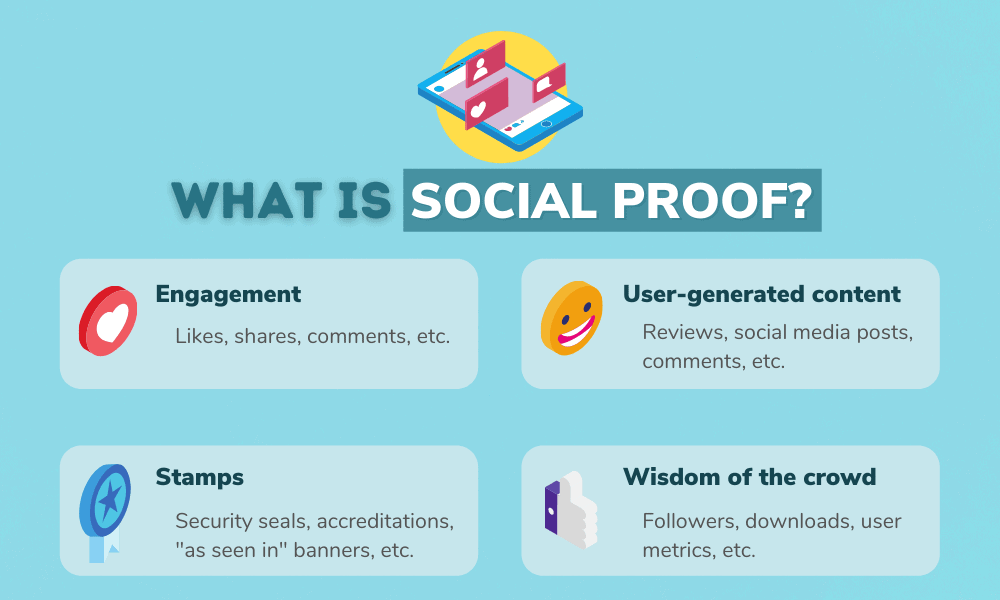
    In today’s digital age, building trust with your audience is more critical than ever. With so many options available to consumers, establishing credibility and authenticity can make all the difference in whether a potential customer chooses your brand over the competition. One powerful way to build trust and credibility is through social proof. Social proof refers to the influence that the actions and opinions of others have on our own behavior. In this post, we’ll explore the concept of social proof and share effective strategies for leveraging it to build trust and credibility with your audience.

    In today’s digital world, trust is a precious commodity. Consumers are bombarded with marketing messages and can be skeptical of brand claims. Here’s where social proof steps in, acting as a powerful tool to build trust and credibility for your brand.

    Social Proof: The Psychology Behind Why It Works

    Social proof taps into the basic human instinct to follow the actions of others. We naturally assume that if others trust a brand or product, it must be trustworthy. Social proof acts as a form of social validation, reducing perceived risk and encouraging us to make similar choices.

    Social Proof Strategies

    1. Customer Testimonials and Reviews

    One of the most powerful forms of social proof is customer testimonials and reviews. Positive reviews and testimonials from satisfied customers can significantly influence purchasing decisions and reassure potential customers about the quality and reliability of your products or services. Encourage satisfied customers to leave reviews on platforms like Google, Yelp, or Trustpilot, and showcase these testimonials on your website and social media channels to build trust and credibility with your audience.

    2. User-Generated Content (UGC)

    User-generated content (UGC) is another valuable form of social proof that can help build trust and authenticity with your audience. When customers share photos, videos, or testimonials featuring your products or services on social media, it serves as a powerful endorsement of your brand. Encourage your followers to create and share UGC by running contests or giveaways, featuring user content on your social media channels, and incorporating UGC into your marketing campaigns to showcase the real-life experiences of your customers.

    3. Influencer Endorsements

    Influencer marketing has become increasingly popular in recent years, with influencers wielding significant influence over their followers’ purchasing decisions. Partnering with influencers who align with your brand values and target audience can help you leverage their social proof to build trust and credibility with your audience. Collaborate with influencers to create sponsored content, host giveaways or takeovers, and showcase their endorsements on your website and social media channels to leverage their influence and reach.

    4. Social Media Engagement and Following

    The size and engagement of your social media following can also serve as a form of social proof. A large and engaged following can signal to potential customers that your brand is reputable and trustworthy. Focus on building an active and engaged community on social media by sharing valuable content, responding to comments and messages, and actively engaging with your audience. Highlight your social media following and engagement metrics on your website and marketing materials to showcase your social proof and credibility.

    5. Expert Endorsements and Certifications

    Expert endorsements and certifications can add credibility and authority to your brand and serve as a form of social proof. If your products or services have been endorsed by industry experts, featured in publications, or certified by reputable organizations, be sure to highlight these endorsements on your website and marketing materials. This can help reassure potential customers about the quality and reliability of your offerings and build trust and credibility with your audience.

    6. Case Studies and Success Stories

    Case studies and success stories provide concrete examples of how your products or services have helped real customers achieve their goals or solve their problems. Sharing case studies and success stories on your website and marketing materials can provide powerful social proof of the effectiveness and value of your offerings. Highlight specific results, testimonials from satisfied customers, and before-and-after comparisons to demonstrate the tangible benefits of choosing your brand.

    7. Trust Seals and Badges

    Trust seals and badges from reputable organizations such as the Better Business Bureau (BBB), Norton Secured, or industry-specific associations can help build trust and credibility with your audience. Display these trust seals prominently on your website and checkout pages to reassure potential customers about the security and reliability of your website and transactions. This can help alleviate concerns about privacy and security and increase confidence in your brand.

    In conclusion, social proof is a powerful tool for building trust and credibility with your audience. By leveraging customer testimonials and reviews, user-generated content, influencer endorsements, social media engagement and following, expert endorsements and certifications, case studies and success stories, and trust seals and badges, you can demonstrate the value and reliability of your brand and influence purchasing decisions. Incorporate these social proof strategies into your marketing efforts to build trust, credibility, and loyalty with your audience and differentiate your brand from the competition.

  • Staying Relevant: Social Media Trends 2024

    Staying Relevant: Social Media Trends 2024

    Staying Relevant: Social Media Trends 2024

    In the ever-evolving landscape of social media, staying ahead of the curve is essential for businesses and content creators looking to maintain relevance and engage with their audience effectively. As we enter 2024, the social media landscape continues to evolve at a rapid pace, with new trends and technologies shaping the way we connect, communicate, and consume content online. In this post, we’ll explore the top social media trends to watch out for in 2024 and how you can leverage them to stay ahead of the competition.

    Staying Relevant: Social Media Trends 2024 – A Look at What’s Hot and What’s Here to Stay

    The social media landscape is in perpetual motion, with new trends emerging seemingly every day. Keeping pace with these ever-evolving preferences can feel like chasing butterflies in a hurricane. But fear not, social media mavens! This guide will explore the hottest trends predicted for 2024, helping you navigate the ever-changing digital terrain and keep your brand at the forefront.

    Social Media Trends

    1. Video Content Dominance

    Video content has been on the rise for several years, and it shows no signs of slowing down in 2024. With the popularity of short-form video platforms like TikTok and Instagram Reels, as well as the continued growth of live streaming, video content is expected to dominate social media feeds. Businesses and content creators should prioritize video content creation, focusing on engaging, authentic, and visually appealing videos to capture the attention of their audience and drive engagement.

    2. Augmented Reality (AR) Experiences

    Augmented reality (AR) technology is poised to revolutionize the way we interact with social media content. From AR filters and effects to immersive experiences and virtual try-on features, AR has the potential to enhance engagement and drive conversions. Businesses can leverage AR technology to create interactive and immersive experiences that showcase their products or services in a unique and memorable way, driving brand awareness and customer engagement.

    3. Social Commerce Expansion

    Social commerce has been gaining momentum in recent years, and it’s expected to become even more prevalent in 2024. With the integration of shopping features directly into social media platforms like Instagram, Facebook, and Pinterest, consumers can now discover, browse, and purchase products without ever leaving the app. Businesses should capitalize on this trend by optimizing their social media profiles for e-commerce, creating shoppable posts and ads, and providing seamless shopping experiences for their audience.

    4. Authenticity and Transparency

    As social media continues to evolve, consumers are becoming increasingly discerning about the content they consume and the brands they engage with. Authenticity and transparency have never been more important, with consumers valuing honesty, integrity, and authenticity from the brands they follow. Businesses should prioritize authenticity in their social media content, sharing behind-the-scenes glimpses, user-generated content, and genuine interactions to build trust and credibility with their audience.

    5. Personalized Content Experiences

    Personalization is key to capturing the attention of today’s consumers, and social media platforms are increasingly leveraging data and AI technology to deliver personalized content experiences. From personalized recommendations and curated feeds to targeted ads and tailored messaging, personalization allows businesses to deliver content that resonates with individual preferences and interests. By leveraging data analytics and AI-driven insights, businesses can create more relevant and engaging content experiences for their audience.

    6. Niche Communities and Micro-Influencers

    As social media becomes more saturated with content, niche communities and micro-influencers are gaining prominence as valuable sources of engagement and influence. Rather than focusing solely on mass appeal, businesses should prioritize building relationships with niche communities and collaborating with micro-influencers who have a highly engaged and loyal following within specific niches or industries. By tapping into these smaller, more targeted communities, businesses can drive deeper connections and foster more meaningful engagement with their audience.

    7. Social Responsibility and Purpose-Driven Marketing

    Consumers today expect brands to take a stand on social and environmental issues and demonstrate a commitment to social responsibility. Purpose-driven marketing is becoming increasingly important, with consumers favoring brands that align with their values and contribute to positive social change. Businesses should incorporate social responsibility initiatives into their social media strategy, highlighting their commitment to sustainability, diversity and inclusion, and social impact to resonate with socially conscious consumers.

    In conclusion, the social media landscape is constantly evolving, and staying relevant requires businesses and content creators to adapt to emerging trends and technologies. By embracing video content, leveraging augmented reality experiences, embracing social commerce, prioritizing authenticity and transparency, personalizing content experiences, engaging with niche communities and micro-influencers, and demonstrating social responsibility, businesses can stay ahead of the curve and connect with their audience in meaningful ways. So, keep an eye on these social media trends in 2024 and be prepared to innovate and evolve with the changing landscape!

  • Diving into Data: Social Media Metrics Demystified

    Diving into Data: Social Media Metrics Demystified

    Diving into Data: Social Media Metrics Demystified

    In the fast-paced world of social media marketing, success isn’t just about posting content—it’s about understanding the data behind it. Social media metrics provide valuable insights into the performance of your content, audience engagement, and overall social media strategy. By tracking and analyzing these metrics, businesses can make informed decisions, optimize their strategies, and drive meaningful results. In this post, we’ll demystify social media metrics and explore how they can help you unlock the full potential of your social media efforts.

    In the ever-evolving world of social media, where success hinges on audience engagement, the numbers don’t lie. Social media metrics offer invaluable insights into your content’s performance, audience behavior, and ultimately, the effectiveness of your overall strategy. But for many, navigating the sea of social media data can feel overwhelming. Fear not! This guide will demystify key metrics and equip you to transform data into actionable insights.

    Social Media Metrics

    Reach

    Reach refers to the total number of unique users who have seen your content on social media. It measures the size of your potential audience and the visibility of your posts. Tracking reach can help you gauge the effectiveness of your content distribution strategy and identify opportunities to expand your audience reach through tactics such as hashtag optimization, influencer partnerships, and paid advertising.

    Impressions

    Impressions represent the total number of times your content has been displayed on users’ screens, regardless of whether they engaged with it or not. While reach measures the number of unique users, impressions provide insight into the overall exposure and visibility of your content. Tracking impressions can help you assess the effectiveness of your content’s distribution and identify trends in user engagement and content consumption patterns.

    Engagement

    Engagement encompasses a variety of actions that users take with your content, such as likes, comments, shares, and clicks. It measures the level of interaction and interest generated by your posts and reflects the strength of your audience engagement. Tracking engagement metrics can help you identify which types of content resonate most with your audience, optimize your content strategy, and foster deeper connections with your followers.

    Click-Through Rate (CTR)

    Click-through rate (CTR) measures the percentage of users who clicked on a link or CTA within your social media post relative to the total number of impressions. It indicates the effectiveness of your calls-to-action and the level of interest or engagement generated by your content. Monitoring CTR can help you identify high-performing content, optimize your CTAs, and drive traffic to your website or landing pages.

    Conversion Rate

    Conversion rate measures the percentage of users who completed a desired action, such as making a purchase, signing up for a newsletter, or filling out a form, relative to the total number of visitors to your website or landing page. It reflects the effectiveness of your social media campaigns in driving tangible business outcomes. Tracking conversion rate can help you assess the ROI of your social media efforts, optimize your conversion funnel, and identify areas for improvement.

    Follower Growth

    Follower growth measures the rate at which your social media audience is growing over time. It reflects the success of your content strategy, brand awareness initiatives, and audience engagement efforts. Tracking follower growth can help you assess the health of your social media presence, identify factors influencing growth, and adjust your strategy to attract and retain followers.

    Sentiment Analysis

    Sentiment analysis involves analyzing the tone and sentiment of user comments, mentions, and interactions with your brand on social media. It provides insight into how users perceive and feel about your brand, products, or services. Monitoring sentiment can help you gauge customer satisfaction, identify potential issues or concerns, and proactively address feedback to improve brand perception and reputation.

    Share of Voice

    Share of voice measures the percentage of online conversations and mentions about your brand relative to your competitors within a specific industry or market. It provides insight into your brand’s visibility, influence, and competitive positioning in the digital landscape. Tracking share of voice can help you benchmark your performance against competitors, identify market trends and opportunities, and adjust your marketing strategy to gain a larger share of the conversation.

    In conclusion, social media metrics play a crucial role in helping businesses understand and optimize their social media performance. By tracking and analyzing metrics such as reach, impressions, engagement, click-through rate, conversion rate, follower growth, sentiment analysis, and share of voice, businesses can gain valuable insights into their audience, content strategy, and competitive landscape. Armed with this data, businesses can make informed decisions, optimize their social media efforts, and drive meaningful results. So, dive into your social media metrics today and unlock the full potential of your social media strategy!

  • From Likes to Leads: Conversion Optimization

    From Likes to Leads: Conversion Optimization

    From Likes to Leads: Conversion Optimization

    In the realm of digital marketing, driving traffic to your website or social media profiles is only half the battle. The ultimate goal is to convert those visitors into leads, customers, or subscribers. This process, known as conversion optimization, is crucial for maximizing the return on investment (ROI) of your marketing efforts and achieving your business objectives. In this post, we’ll delve into the intricacies of conversion optimization and share actionable strategies to help you turn likes into leads and ultimately drive business growth.
    So you’ve built a thriving social media following. Your audience is engaged, leaving comments and liking your posts. But how do you translate those likes into leads, and ultimately, paying customers? Enter the world of conversion optimization: the art of transforming casual followers into loyal brand advocates and driving real business results.

    Understanding the Conversion Journey:

    Conversion optimization isn’t about magic tricks or overnight success. It’s a strategic process of understanding your audience’s journey on social media and creating a smooth path towards conversion.

    Imagine your social media presence as a brick-and-mortar store. You wouldn’t expect casual window shoppers to magically turn into paying customers without a clear call to action, right? Social media conversion optimization follows the same principle.

    Conversion Optimization

    Understand Your Conversion Funnel

    Before diving into optimization tactics, it’s essential to understand the conversion funnel—the journey that users take from their initial interaction with your brand to becoming a customer or subscriber. Map out each stage of the funnel, from awareness and consideration to conversion and retention, and identify potential bottlenecks or points of friction that may be hindering the conversion process. This insight will serve as the foundation for your optimization efforts.

    Optimize Your Website for Conversions

    Your website is often the first point of contact between your brand and potential customers, making it a critical touchpoint for conversion optimization. Ensure that your website is user-friendly, visually appealing, and optimized for conversions across all devices. Streamline the navigation, minimize load times, and prominently display calls-to-action (CTAs) to guide users towards the desired conversion actions, whether it’s making a purchase, filling out a form, or subscribing to your newsletter.

    Create Compelling Landing Pages

    Landing pages play a pivotal role in conversion optimization, serving as dedicated destinations designed to drive specific conversion actions. Create targeted landing pages for your various marketing campaigns, promotions, or product offerings, and optimize them for maximum impact. Craft compelling headlines, use persuasive copywriting, and incorporate visually appealing graphics or multimedia elements to capture the attention of your audience and encourage them to take action.

    Test and Iterate with A/B Testing

    A/B testing, also known as split testing, is a powerful technique for optimizing conversion rates by comparing two versions of a webpage, email, or ad to determine which performs better. Experiment with different elements such as headlines, CTAs, visuals, and page layouts to identify what resonates most with your audience and drives higher conversions. Continuously test and iterate on your designs and messaging to refine your approach and maximize results over time.

    Leverage Social Proof

    Social proof is a psychological phenomenon where people tend to follow the actions of others when uncertain about what to do. Leverage social proof to instill trust and credibility in your brand and encourage conversions. Showcase customer testimonials, reviews, ratings, and user-generated content to demonstrate the value and satisfaction of your products or services. Highlighting endorsements from satisfied customers can help alleviate doubts and persuade prospects to take the plunge.

    Implement Retargeting Campaigns

    Retargeting, or remarketing, campaigns are an effective way to re-engage with users who have previously visited your website but did not complete a desired action. Use retargeting ads to remind these users of your products or services and entice them to return and complete their purchase or conversion. Segment your audience based on their behavior and interests, and tailor your retargeting campaigns with personalized messaging and offers to maximize effectiveness.

    Track and Analyze Key Metrics

    Tracking and analyzing key metrics is essential for measuring the success of your conversion optimization efforts and identifying areas for improvement. Monitor metrics such as conversion rates, click-through rates, bounce rates, and average session duration to assess the performance of your website and marketing campaigns. Use analytics tools to gain insights into user behavior, identify patterns or trends, and make data-driven decisions to optimize your conversion funnel.

    Offer Incentives and Discounts

    Incentives and discounts can be powerful motivators for driving conversions, especially for hesitant or price-conscious shoppers. Offer exclusive discounts, promotions, or incentives to incentivize users to take action and make a purchase. Whether it’s a limited-time offer, free shipping, or a special discount code, providing added value can help tip the scales in favor of conversion and encourage users to complete their transaction.

    In conclusion, conversion optimization is a multifaceted process that requires careful planning, testing, and refinement to drive meaningful results. By understanding your conversion funnel, optimizing your website and landing pages, testing and iterating with A/B testing, leveraging social proof, implementing retargeting campaigns, tracking and analyzing key metrics, and offering incentives and discounts, you can maximize the effectiveness of your marketing efforts and turn likes into leads, ultimately driving business growth and success. So, roll up your sleeves, dive into optimization, and watch your conversion rates soar!

  • Content Curation Strategies: Your Social Media Arsenal

    Content Curation Strategies: Your Social Media Arsenal

    Content Curation Strategies: Your Social Media Arsenal

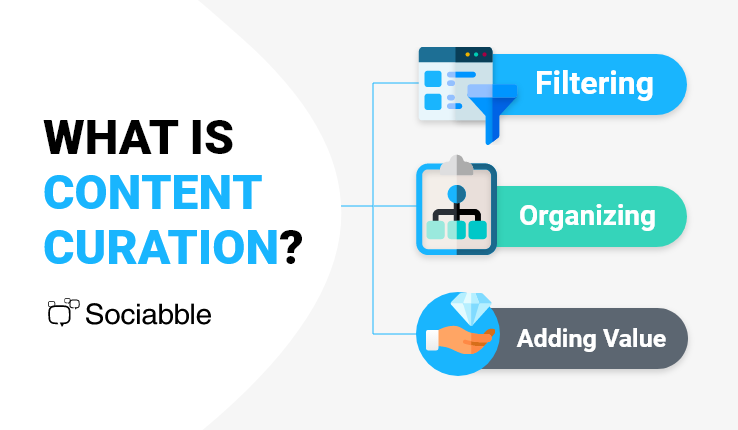
    In the age of information overload, content curation has emerged as a vital strategy for businesses and content creators looking to cut through the clutter and deliver value to their audience. By carefully selecting, organizing, and sharing relevant content from third-party sources, businesses can position themselves as thought leaders, provide valuable resources to their audience, and maintain an active and engaging online presence. In this post, we’ll explore the importance of content curation and share effective strategies for curating compelling content that resonates with your audience on social media.

    Content Curation Strategies: Your Social Media Arsenal in a Content-Saturated World

    In the age of information overload, social media feeds are overflowing with content. For brands and creators alike, the struggle to consistently produce fresh, engaging content is real. But fear not, content curation steps in as your secret weapon!

    Content Curation Strategies

    Content Curation: More Than Just Sharing

    Content curation goes beyond simply hitting the “share” button. It’s the art of selecting, refining, and presenting valuable content from credible sources to your audience. Think of it as being a curator in a museum, meticulously selecting the most captivating pieces for your audience to explore.

    Understand Your Audience

    Effective content curation begins with a deep understanding of your target audience—their interests, preferences, and pain points. Take the time to research and analyze your audience demographics, behavior, and content consumption habits to identify topics and themes that resonate with them. Use this insight to curate content that adds value, sparks conversation, and addresses the needs and interests of your audience.

    Establish Clear Goals

    Before embarking on your content curation journey, it’s essential to establish clear goals and objectives for your efforts. Are you looking to educate your audience, entertain them, or inspire them? Are you aiming to drive engagement, increase brand awareness, or generate leads? Define your goals and align your content curation strategy accordingly to ensure that your efforts are focused and effective.

    Curate Diverse Content Formats

    Variety is the spice of life, and the same holds true for content curation. Don’t limit yourself to a single content format—curate a diverse mix of articles, blog posts, videos, infographics, podcasts, and other multimedia content to keep your audience engaged and cater to different preferences. Experiment with different formats and styles to keep your content fresh and compelling.

    Source from Credible and Trusted Sources

    When curating content from third-party sources, it’s crucial to prioritize quality and credibility. Source content from reputable and trusted sources within your industry or niche to ensure that the information you share is accurate, reliable, and trustworthy. Avoid sharing content from questionable or unreliable sources, as it can damage your credibility and reputation.

    Add Value and Context

    Content curation is more than just sharing links—it’s about adding value and context to the content you curate. Provide your own insights, commentary, or opinions to help your audience understand why the content is relevant or valuable. Offer additional context, highlight key takeaways, or pose questions to spark conversation and engagement among your audience.

    Curate Evergreen and Timely Content

    Striking the right balance between evergreen and timely content is key to successful content curation. While evergreen content provides long-term value and relevance, timely content allows you to capitalize on current trends, news, and events to stay relevant and topical. Curate a mix of both evergreen and timely content to keep your feed fresh and engaging.

    Engage with Your Audience

    Content curation is not a one-way street—it’s a conversation. Engage with your audience by encouraging them to share their thoughts, opinions, and feedback on the content you curate. Respond to comments, answer questions, and participate in discussions to foster a sense of community and belonging among your audience.

    Measure and Iterate

    As with any marketing strategy, it’s essential to measure the performance of your content curation efforts and iterate based on insights and feedback. Track key metrics such as engagement rates, click-through rates, and social shares to gauge the effectiveness of your curated content. Use this data to refine your content curation strategy, experiment with new approaches, and continuously improve over time.

    In conclusion, content curation is a powerful strategy for businesses and content creators looking to provide value, maintain an active online presence, and engage with their audience on social media. By understanding your audience, establishing clear goals, curating diverse content formats, sourcing from credible sources, adding value and context, curating evergreen and timely content, engaging with your audience, and measuring and iterating on your efforts, you can harness the full potential of content curation to elevate your brand and connect with your audience in meaningful ways. So, start curating compelling content today and watch your social media presence thrive!