Category: Social Media Marketing

  • Harnessing the Potential of Influencer Marketing

    Harnessing the Potential of Influencer Marketing

    Harnessing the Potential of Influencer Marketing

    In today’s digitally-driven world, influencer marketing has emerged as a powerful tool for brands looking to expand their reach, build credibility, and drive conversions. With consumers increasingly turning to social media for recommendations and inspiration, partnering with influencers offers a unique opportunity to connect with your target audience in an authentic and impactful way. In this guide, we’ll delve into the intricacies of influencer marketing, uncovering strategies to harness its full potential and achieve your business objectives.

    Understanding Influencer Marketing:

    At its core, influencer marketing revolves around collaborating with individuals who have a significant following and influence within your target market. These influencers, often characterized by their expertise, authenticity, and relatability, have the power to sway purchasing decisions and shape consumer perceptions through their content and recommendations. By leveraging their reach and influence, brands can amplify their message and tap into new audiences organically.

    Influencer Marketing

    Identifying the Right Influencers:

    The key to a successful influencer marketing campaign lies in finding the right influencers to partner with. Look beyond vanity metrics such as follower count and prioritize factors such as relevance, engagement, and authenticity. Seek out influencers whose values align with your brand and whose audience demographics match your target market. Micro-influencers, in particular, can offer a more niche and highly engaged audience, making them an excellent choice for many brands.

    Crafting Authentic Partnerships:

    Authenticity is the cornerstone of effective influencer marketing. Rather than dictating content to influencers, empower them to create authentic, genuine content that resonates with their audience while aligning with your brand’s messaging and objectives. Collaborate closely with influencers to co-create compelling content that feels natural and authentic, whether it’s through sponsored posts, product reviews, or brand partnerships.

    Fostering Meaningful Relationships:

    Building strong relationships with influencers is essential for long-term success in influencer marketing. Treat influencers as partners rather than just another marketing channel, and invest time and effort into nurturing these relationships. Take the time to understand their audience, preferences, and goals, and communicate openly and transparently throughout the collaboration process. By building trust and rapport, you’ll lay the foundation for fruitful collaborations now and in the future.

    Measuring Impact and ROI:

    As with any marketing initiative, measuring the impact and ROI of your influencer marketing efforts is crucial for evaluating success and optimizing future campaigns. Define clear objectives and KPIs upfront, whether it’s increasing brand awareness, driving website traffic, or boosting sales. Leverage tracking links, promo codes, and UTM parameters to attribute conversions directly to influencer activity, and use analytics tools to monitor performance and track ROI.

    Navigating Disclosure and Compliance:

    Transparency and disclosure are essential aspects of influencer marketing, both from a legal and ethical standpoint. Familiarize yourself with the relevant regulations and guidelines governing influencer marketing in your region, including requirements for disclosing sponsored content and paid partnerships. Work closely with influencers to ensure compliance with these regulations, and prioritize transparency and authenticity in all your influencer collaborations.

    Scaling Your Efforts:

    As your influencer marketing initiatives gain traction and momentum, consider scaling your efforts to reach new audiences and drive even greater impact. Explore opportunities to diversify your influencer partnerships across different platforms, industries, and audience segments. Experiment with new formats, such as live streams, IGTV, or TikTok videos, to keep your content fresh and engaging. And don’t forget to continuously evaluate and refine your strategy based on performance data and insights.

    A Long-Term Strategy: Building Relationships, Not Just Campaigns

    Influencer marketing is most effective when viewed as a long-term relationship-building strategy, not a one-off campaign. Nurture your partnerships with influencers. Communicate regularly, provide support, and be open to feedback. This fosters trust and loyalty, leading to more impactful collaborations in the future.

    By harnessing the potential of influencer marketing, you can tap into the power of trust and authenticity to connect with your target audience on a deeper level. Remember, successful influencer marketing is about finding the right partners, fostering genuine connections, and empowering creativity. So, go forth and forge strategic influencer partnerships that propel your brand to new heights!


  • Crafting Compelling Content for Social Media

    Crafting Compelling Content for Social Media

    Crafting Compelling Content for Social Media

    In the fast-paced world of social media, capturing your audience’s attention is no easy feat. With endless streams of content vying for their eyes, it’s essential to craft compelling content that stands out from the crowd. Whether you’re a seasoned marketer or a budding entrepreneur, mastering the art of creating engaging social media content is key to building a loyal following and driving meaningful interactions. In this comprehensive guide, we’ll explore proven strategies for crafting compelling content that resonates with your audience and drives results.

    In the whirlwind of social media, where attention spans are shorter than a goldfish’s memory, crafting content that truly compels people to stop scrolling and engage is an art form. But fear not, fellow marketer! With a few key strategies and a sprinkle of creativity, you can transform your social media presence into a magnet for engagement.

    Content

    Know Your Audience: It All Starts With Them

    Before you unleash a barrage of content into the social media abyss, take a moment to understand who you’re trying to reach. Who is your ideal follower? What are their interests, challenges, and online habits? Do they prefer funny memes or informative infographics? Understanding your audience is the foundation for crafting content that resonates with them on a deeper level.

    Before diving into content creation, it’s crucial to understand your audience inside and out. Who are they? What are their interests, pain points, and aspirations? Conducting thorough audience research will provide invaluable insights into what resonates with your target demographic, allowing you to tailor your content to their preferences effectively.

    Telling Your Story:

    At its core, social media is all about storytelling. Whether you’re showcasing your brand’s journey, highlighting customer testimonials, or sharing behind-the-scenes glimpses, storytelling humanizes your brand and fosters a deeper connection with your audience. Be authentic, transparent, and relatable in your storytelling, and don’t be afraid to show the human side of your brand.

    Creating Visual Appeal:

    In the visual-centric world of social media, eye-catching visuals are paramount. Invest in high-quality photography, graphics, and videos that capture attention and communicate your message effectively. Experiment with different formats, such as carousels, GIFs, and infographics, to keep your content fresh and engaging. And don’t forget to optimize your visuals for each platform’s specifications to ensure maximum impact.

    Crafting Compelling Copy:

    While visuals may grab attention, it’s the accompanying copy that seals the deal. Craft concise, compelling copy that complements your visuals and encourages action from your audience. Whether you’re writing a captivating caption, a persuasive call-to-action, or a witty tweet, aim to evoke emotion, spark curiosity, and drive engagement with your words.

    Adding Value:

    In today’s cluttered social media feeds, adding value is essential for cutting through the noise. Provide your audience with actionable tips, insightful advice, or entertaining content that enriches their lives in some way. By positioning your brand as a valuable resource, you’ll not only attract followers but also foster trust and loyalty among your audience.

    Embracing Authenticity:

    In a world of filters and facades, authenticity reigns supreme. Be genuine, transparent, and real in your social media content, and don’t be afraid to show the imperfect side of your brand. Share your successes and failures, engage in meaningful conversations, and showcase the people behind your brand. Authenticity builds trust, fosters connections, and sets you apart from the competition.

    Encouraging Engagement:

    Engagement is the lifeblood of social media, and actively encouraging interaction should be a top priority. Pose questions, solicit feedback, and spark conversations with your audience to foster a sense of community around your brand. Respond promptly to comments, messages, and mentions, and make your audience feel heard and valued.

    Analyzing and Iterating:

    Finally, don’t overlook the importance of analytics in refining your content strategy. Track key metrics such as reach, engagement, and conversion rates to gauge the effectiveness of your content and identify areas for improvement. Use these insights to iterate and optimize your content strategy over time, ensuring that you continue to deliver compelling content that resonates with your audience.

    In Conclusion:

    Crafting compelling content for social media is both an art and a science. By understanding your audience, telling your story, creating visual appeal, crafting compelling copy, adding value, embracing authenticity, encouraging engagement, and analyzing and iterating on your efforts, you can create content that captivates your audience and drives meaningful results for your brand. So, roll up your sleeves, unleash your creativity, and start crafting content that leaves a lasting impression on your audience.

  • The Benefits of Cross-Channel Marketing for Your Business

    The Benefits of Cross-Channel Marketing for Your Business

    The Benefits of Cross-Channel Marketing for Your Business

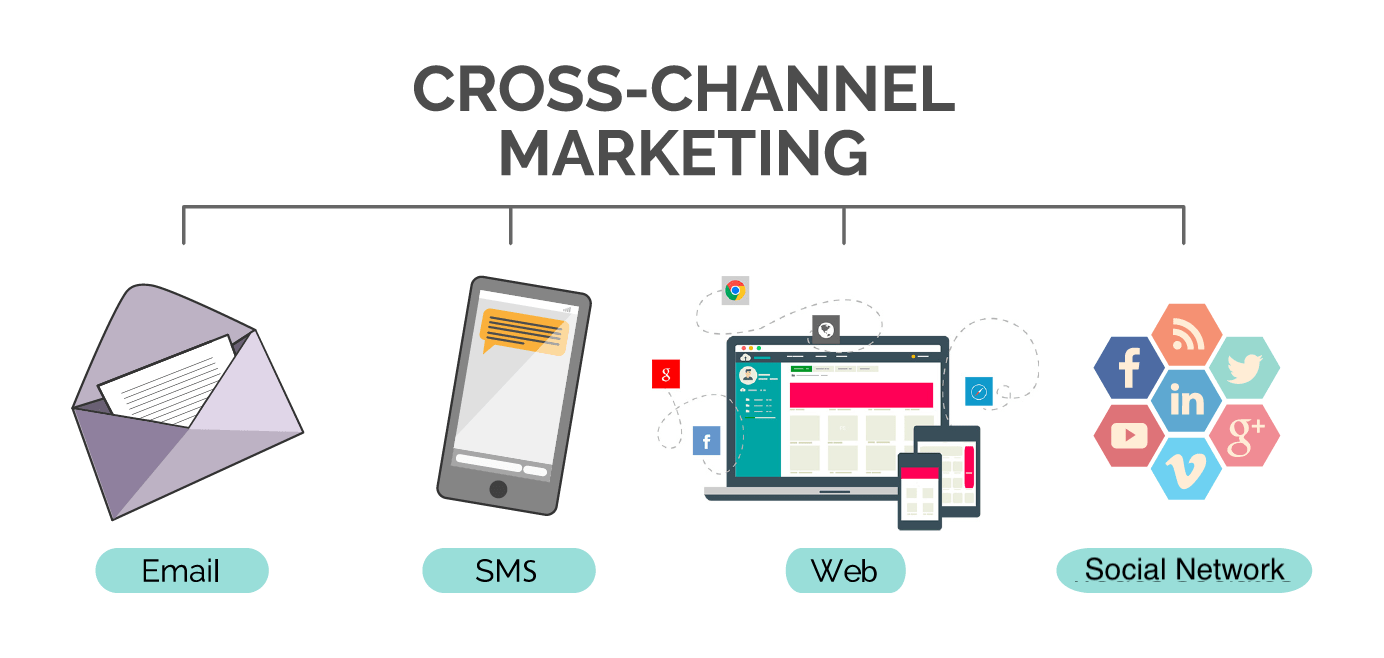
    In today’s multi-faceted digital landscape, reaching your audience requires more than just a single-channel approach. Cross-Channel Marketing has emerged as a game-changer for businesses aiming to create a seamless and impactful customer experience. By integrating multiple channels into your marketing strategy, you can enhance brand visibility, drive engagement, and ultimately boost conversions. Let’s dive into the benefits of Cross-Channel Marketing and how it can transform your business’s marketing efforts in 2024.

    Cross-Channel Marketing


    1. Enhanced Customer Experience

    Cross-Channel Marketing creates a unified and cohesive experience for your customers. When your brand maintains consistent messaging and visuals across various channels—such as social media, email, website, and mobile apps—customers encounter a seamless journey from start to finish. For example, a customer might first interact with your brand through a social media ad, receive a follow-up email, and eventually make a purchase on your website. This integrated approach ensures that the customer experience is smooth and engaging, leading to higher satisfaction and loyalty.

    2. Increased Brand Visibility

    By leveraging multiple channels, you significantly boost your brand’s visibility. Cross-Channel Marketing ensures that your brand is present where your audience spends their time, whether it’s scrolling through social media, reading emails, or searching online. This omnipresence increases the likelihood of your brand being noticed and remembered. For instance, a strategic combination of social media campaigns, content marketing, and targeted ads can keep your brand top-of-mind and enhance its reach across different touchpoints.

    3. Improved Customer Engagement

    Cross-Channel Marketing allows you to engage your audience through diverse touchpoints, increasing the chances of interaction. When customers encounter your brand through various channels, they are more likely to engage with your content and respond to your calls-to-action (CTAs). For example, an engaging blog post shared on social media can drive traffic to your website, where visitors might sign up for your newsletter or participate in a promotion. By engaging customers through multiple channels, you foster deeper connections and drive more meaningful interactions.

    4. Data-Driven Insights

    Integrating multiple marketing channels provides valuable data that can inform your strategy. Cross-Channel Marketing enables you to gather insights on customer behavior, preferences, and interactions across different platforms. By analyzing this data, you can identify patterns and trends, optimize your campaigns, and make data-driven decisions. For example, tracking how customers respond to different types of content across channels can help you tailor your messaging and improve targeting for better results.

    5. Higher Conversion Rates

    A well-executed Cross-Channel Marketing strategy can lead to higher conversion rates. When customers encounter your brand consistently and are nurtured through multiple touchpoints, they are more likely to complete desired actions, such as making a purchase or signing up for a service. For instance, a customer who sees a retargeted ad for a product they viewed on your website may be more inclined to finalize their purchase. By creating a cohesive and engaging journey, you enhance the likelihood of converting prospects into loyal customers.

    6. Better Customer Retention

    Cross-Channel Marketing isn’t just about attracting new customers; it’s also about retaining existing ones. By maintaining ongoing engagement through various channels, you keep your brand relevant and top-of-mind. Regular updates, personalized offers, and relevant content delivered through multiple touchpoints help nurture customer relationships and encourage repeat business. For example, sending personalized follow-up emails after a purchase, combined with engaging social media content, can enhance customer loyalty and retention.

    7. Enhanced Campaign Performance

    Integrating channels allows you to leverage the strengths of each platform and create a more robust marketing strategy. Cross-Channel Marketing enhances campaign performance by combining different tactics that complement each other. For instance, using email marketing to follow up on social media promotions can reinforce your message and drive higher engagement. By aligning your efforts across channels, you create a more effective and efficient marketing campaign that maximizes results.

    8. Increased Reach and Audience Growth

    Utilizing multiple channels helps you reach a broader audience and tap into new segments. Cross-Channel Marketing enables you to engage with diverse audiences who may prefer different platforms. For example, younger audiences might be more active on social media, while older demographics might engage with email content. By diversifying your marketing channels, you expand your reach and attract a wider range of potential customers, contributing to overall audience growth.

    9. Strengthened Brand Loyalty

    Consistency across channels fosters brand trust and loyalty. When customers experience a consistent brand message and visual identity, they develop a stronger connection with your brand. Cross-Channel Marketing ensures that your brand’s voice and values are communicated clearly and uniformly, reinforcing your brand’s credibility and reliability. For instance, a cohesive brand experience across your website, social media, and email campaigns helps build trust and encourages long-term loyalty.

    10. Flexibility and Adaptability

    A Cross-Channel Marketing strategy provides the flexibility to adapt to changing market conditions and customer preferences. If one channel is underperforming, you can adjust your focus or reallocate resources to other channels that are yielding better results. This adaptability allows you to stay responsive to shifts in the market and optimize your strategy for continued success. For example, if you notice higher engagement on social media than on email, you can pivot your efforts to capitalize on this trend.

    Embracing Cross-Channel Marketing opens up a world of opportunities for enhancing customer experience, increasing brand visibility, and driving better marketing outcomes. By integrating multiple channels into your strategy, you create a cohesive and engaging brand presence that resonates with your audience and maximizes your marketing impact.

  • Why Consistency is Key in Your Digital Marketing Efforts

    Why Consistency is Key in Your Digital Marketing Efforts

    Why Consistency is Key in Your Digital Marketing Efforts

    In the dynamic realm of digital marketing, where trends shift rapidly and audience expectations evolve, one principle remains steadfast: Digital Marketing Consistency. This concept is not just about maintaining a steady flow of content but about building a cohesive and recognizable brand presence across all platforms. As 2024 advances, understanding why consistency is key in your digital marketing efforts can significantly enhance your strategy and amplify your results.

    Digital Marketing

    1. Building Brand Recognition

    Digital Marketing Consistency is fundamental in establishing and reinforcing your brand identity. When your messaging, visuals, and tone are consistent across all channels—be it your website, social media, or email campaigns—your brand becomes more recognizable. This repetition helps embed your brand in the minds of consumers, making it easier for them to recall and connect with you. For example, using the same logo, color scheme, and voice in all your marketing efforts creates a unified image that strengthens brand recognition.

    2. Enhancing Customer Trust

    Trust is a cornerstone of successful marketing, and Digital Marketing Consistency plays a crucial role in building it. When your brand consistently delivers quality content and adheres to a reliable schedule, it signals professionalism and reliability to your audience. Inconsistencies, on the other hand, can create confusion and diminish trust. For instance, if your social media accounts post irregularly or your website’s content is outdated, customers might question your credibility. Consistent messaging and engagement help establish trust and foster long-term relationships with your audience.

    3. Improving Engagement and Interaction

    Consistency in your digital marketing efforts ensures that your audience remains engaged and interacts with your content. Regularly scheduled posts, updates, and interactions keep your brand top-of-mind for your audience. For instance, a well-maintained blog that publishes new content weekly or a social media account that posts daily can drive higher engagement rates. This ongoing interaction not only keeps your audience interested but also encourages them to participate, share, and advocate for your brand.

    4. Optimizing SEO Performance

    Search engine optimization (SEO) thrives on consistency. Digital Marketing Consistency impacts SEO in several ways. Regularly updated content signals to search engines that your site is active and relevant, which can improve your rankings. Consistent keyword usage across your content also helps search engines understand your site’s focus and relevance. For instance, if your blog consistently covers topics related to “sustainable living,” it strengthens your site’s authority on the subject, improving your chances of ranking higher for related search queries.

    5. Streamlining Content Creation

    Maintaining Digital Marketing Consistency streamlines your content creation process. By following a content calendar and established guidelines, you can ensure that your content aligns with your brand’s voice and strategy. This approach not only saves time but also reduces the risk of creating off-brand or inconsistent material. For example, a content calendar helps you plan blog posts, social media updates, and email newsletters in advance, ensuring that all your marketing efforts are coordinated and cohesive.

    6. Maximizing Marketing ROI

    Consistent digital marketing efforts lead to better resource allocation and improved ROI. When your marketing strategies are consistent, you can better track performance, measure results, and adjust tactics accordingly. This consistency allows for more accurate analysis of what works and what doesn’t, enabling you to refine your approach and invest in strategies that deliver the best returns. For instance, consistent A/B testing of email subject lines and content can reveal what resonates most with your audience, allowing you to optimize future campaigns.

    7. Building a Strong Community

    Consistency helps in building and nurturing a strong online community. When your brand consistently interacts with its audience, responds to comments, and participates in relevant conversations, you foster a sense of community and belonging. Regular engagement shows that you value your audience’s input and are committed to addressing their needs. This strong community connection can lead to increased loyalty and advocacy, as your audience feels more connected to your brand.

    8. Maintaining Competitive Edge

    In a competitive digital landscape, consistency can be a differentiator. Brands that maintain a steady and consistent presence are more likely to stand out and be remembered. While competitors might experience fluctuations in their marketing efforts, your consistent approach helps solidify your position in the market. This consistent presence not only keeps your brand visible but also builds a reputation for reliability and professionalism, giving you an edge over less consistent competitors.

    9. Reinforcing Your Brand Message

    Consistency reinforces your brand message by ensuring that all communications align with your core values and objectives. Whether it’s through your content themes, visual style, or tone of voice, maintaining consistency helps to clearly communicate your brand’s message and value proposition. For example, if your brand advocates for eco-friendly practices, consistent messaging across your marketing channels can effectively convey this commitment, attracting like-minded customers and strengthening your brand’s position in the market.

    10. Adapting to Changing Trends

    While consistency is crucial, it’s also important to adapt to changing trends and consumer preferences. Balancing consistency with flexibility allows you to stay relevant and responsive to the evolving digital landscape. This means maintaining your core brand identity while integrating new trends and technologies into your strategy. For example, consistently delivering high-quality content while experimenting with new formats like video or interactive content can keep your brand fresh and engaging.

    By embracing Digital Marketing Consistency, you create a cohesive and reliable brand presence that builds trust, drives engagement, and enhances your online success. Consistent efforts not only strengthen your brand identity but also optimize your marketing performance and foster deeper connections with your audience. As you navigate the ever-changing digital world, let consistency be the cornerstone of your strategy for sustained growth and impact.

  • Why Every Business Needs a Strong Online Reputation Management Plan

    Why Every Business Needs a Strong Online Reputation Management Plan

    Why Every Business Needs a Strong Online Reputation Management Plan

    In the digital era of 2024, your Online Reputation Management (ORM) plan is more critical than ever. With the internet being the first stop for consumer research and feedback, managing your brand’s online presence is not just a necessity—it’s a strategic imperative. Here’s why having a robust Online Reputation Management plan is essential for every business and how it can drive success in today’s competitive landscape.

    Online Reputation Management


    1. Influence Consumer Trust and Buying Decisions

    Consumer trust is the cornerstone of brand success. In 2024, customers are more likely to trust online reviews and ratings than traditional advertising. A strong Online Reputation Management plan ensures that positive reviews and testimonials are highlighted, while any negative feedback is addressed promptly and professionally. By actively managing your online presence, you can influence consumer perceptions, build trust, and encourage potential customers to choose your brand over competitors.

    2. Mitigate the Impact of Negative Reviews

    No business is immune to negative feedback. However, how you handle these situations can make or break your brand’s reputation. An effective Online Reputation Management plan involves monitoring review sites, social media platforms, and forums where customers may voice their opinions. By promptly addressing complaints and resolving issues, you demonstrate your commitment to customer satisfaction and turn potential crises into opportunities for improvement. Quick, thoughtful responses to negative reviews can mitigate damage and often result in a more favorable outcome.

    3. Enhance Brand Visibility and SEO

    A well-managed online reputation positively impacts your brand’s visibility. Search engines prioritize businesses with positive reviews and active online engagement. By implementing an Online Reputation Management strategy that includes creating and promoting positive content, optimizing your online profiles, and engaging with your audience, you can improve your search engine rankings. This increased visibility helps attract more potential customers and drives organic traffic to your website.

    4. Build and Maintain a Strong Brand Image

    Your brand image is a vital aspect of your overall business strategy. A strong Online Reputation Management plan helps ensure that the image projected online aligns with your brand values and messaging. Consistent and positive online interactions, combined with well-curated content, reinforce your brand’s identity and build a strong, positive reputation. Whether through engaging social media posts, thought leadership articles, or customer success stories, maintaining a cohesive and professional brand image is key to long-term success.

    5. Leverage Positive Feedback for Growth

    Positive reviews and testimonials are powerful tools for growth. They act as social proof and can significantly influence potential customers. An effective Online Reputation Management plan involves actively encouraging satisfied customers to share their experiences and leveraging this feedback in your marketing efforts. Highlighting positive testimonials on your website and social media channels not only reinforces trust but also attracts new customers who are influenced by the experiences of others.

    6. Protect Your Brand During Crises

    In today’s digital age, information spreads rapidly, and a crisis can escalate quickly. A proactive Online Reputation Management plan includes crisis management strategies to protect your brand during challenging times. Having a response plan in place, including designated spokespersons and prepared messaging, allows you to address issues swiftly and effectively. By managing the narrative and communicating transparently, you can mitigate negative impacts and restore your brand’s reputation.

    7. Monitor Your Online Presence Continuously

    Effective Online Reputation Management requires constant vigilance. Implementing monitoring tools and setting up alerts for mentions of your brand across various platforms helps you stay informed about what is being said about your business. Regularly reviewing your online presence allows you to identify trends, address emerging issues, and engage with your audience proactively. Consistent monitoring ensures that you’re always aware of your brand’s online perception and can act swiftly to address any concerns.

    8. Foster Positive Customer Relationships

    Building strong relationships with your customers is at the heart of Online Reputation Management. Engaging with your audience, responding to their feedback, and showing appreciation for their support fosters a positive brand perception. Personal interactions, whether through social media, email, or online forums, create a sense of community and loyalty. By demonstrating that you value and listen to your customers, you enhance their overall experience and encourage continued positive engagement with your brand.

    9. Analyze and Adapt Your Strategy

    An effective Online Reputation Management plan is not static; it evolves based on performance and changing circumstances. Regularly analyzing your online reputation, reviewing feedback, and assessing the effectiveness of your strategies are crucial for ongoing success. Use data and insights to refine your approach, adapt to new trends, and stay ahead of potential issues. Continuous improvement ensures that your reputation management efforts remain effective and aligned with your business goals.

    Implementing a comprehensive Online Reputation Management plan is essential for navigating the digital landscape of 2024. By proactively managing your online presence, addressing feedback, and leveraging positive interactions, you can build a strong brand reputation, drive customer trust, and achieve long-term success. Stay vigilant, engage authentically, and continuously refine your strategy to stay ahead in the competitive online environment.

  • Creating a Winning Social Media Strategy for 2024

    Creating a Winning Social Media Strategy for 2024

    Creating a Winning Social Media Strategy for 2024

    In the ever-evolving digital landscape of 2024, crafting a dynamic Social Media Strategy is essential for brands looking to stay ahead of the curve and engage meaningfully with their audience. As social media platforms continue to innovate and user behavior shifts, your strategy must adapt to leverage new opportunities and address emerging trends. Here’s how you can build a Social Media Strategy that not only captures attention but drives real results in 2024.

    Social Media Strategy


    1. Embrace the Power of Video Content

    Video content has taken center stage in the world of social media, and 2024 is no exception. Platforms like TikTok, Instagram Reels, and YouTube Shorts are dominating user engagement, offering an excellent opportunity for brands to showcase their personality and connect with their audience. Create short, engaging videos that tell a story, share valuable insights, or highlight your products in action. Interactive formats like live streaming and behind-the-scenes footage can also foster a deeper connection with your audience. Prioritize high-quality visuals and sound, and experiment with different video styles to find what resonates best with your followers.

    2. Leverage the Rise of Social Commerce

    Social commerce is transforming the way consumers shop online, making it easier than ever to discover and purchase products directly through social media platforms. Platforms like Instagram and Facebook now offer integrated shopping features that allow users to explore product catalogs, read reviews, and make purchases without leaving the app. Integrate your e-commerce platform with social media channels to create a seamless shopping experience. Use shoppable posts, stories, and ads to drive sales and enhance the shopping experience. By embracing social commerce, you can tap into new revenue streams and provide a convenient, engaging shopping journey for your audience.

    3. Focus on Personalization and Authenticity

    In 2024, personalization and authenticity are more important than ever. Social media users are looking for content that speaks to their individual interests and values. Utilize data and insights to tailor your content to different segments of your audience. Create personalized experiences by addressing user preferences, behaviors, and demographics. Share authentic stories, showcase real customer experiences, and be transparent about your brand values. Authenticity builds trust and fosters a stronger emotional connection with your audience, making them more likely to engage with and advocate for your brand.

    4. Integrate Emerging Technologies

    Emerging technologies are reshaping the social media landscape and offering new ways to engage with your audience. Explore the potential of augmented reality (AR) and virtual reality (VR) to create immersive experiences. AR filters and VR experiences can enhance user engagement and provide interactive brand experiences. Additionally, consider the integration of artificial intelligence (AI) for chatbots and personalized recommendations. Stay updated on the latest technological trends and innovations to keep your Social Media Strategy fresh and relevant in 2024.

    5. Prioritize Data-Driven Decision Making

    Data is a powerful tool for optimizing your Social Media Strategy and driving better results. Leverage analytics tools to track key metrics such as engagement rates, click-through rates, and conversion rates. Analyze data to gain insights into what content resonates with your audience, what times are optimal for posting, and which platforms deliver the best results. Use these insights to refine your strategy, experiment with new approaches, and continuously improve your social media performance. Data-driven decision making ensures that your strategy is aligned with your goals and helps you achieve a higher return on investment.

    6. Foster Community Engagement

    Building and nurturing a community around your brand is crucial for long-term success. Engage with your audience by responding to comments, participating in conversations, and encouraging user-generated content. Create opportunities for your followers to interact with your brand through polls, quizzes, and challenges. Highlight user-generated content and celebrate community achievements to strengthen relationships and foster a sense of belonging. A vibrant and engaged community not only enhances brand loyalty but also amplifies your reach through organic word-of-mouth.

    7. Stay Agile and Adapt to Trends

    The social media landscape is constantly evolving, with new trends and features emerging regularly. Stay agile and be prepared to adapt your strategy to capitalize on new opportunities. Monitor industry trends, follow social media updates, and keep an eye on your competitors to identify potential areas for innovation. Experiment with new formats, platforms, and strategies to stay ahead of the curve and maintain a competitive edge. Flexibility and adaptability are key to ensuring that your Social Media Strategy remains effective and relevant in the fast-paced digital environment of 2024.

    8. Collaborate with Micro-Influencers

    While partnering with high-profile influencers can be effective, don’t overlook the power of micro-influencers. These individuals, with smaller but highly engaged audiences, can offer more authentic and targeted reach. Collaborate with micro-influencers who align with your brand values and have a genuine connection with their followers. Their recommendations often carry more weight and result in higher engagement and conversion rates. Micro-influencer partnerships can provide a cost-effective way to enhance your brand’s visibility and credibility.

    By incorporating these strategies into your Social Media Strategy, you can effectively navigate the dynamic social media landscape of 2024 and achieve impactful results. Embrace video content, leverage social commerce, and prioritize personalization to engage your audience and drive meaningful interactions. Stay agile and adaptable, and continually refine your approach based on data and emerging trends. With a well-crafted and forward-thinking social media strategy, your brand can thrive in the competitive digital world and make a lasting impression on your audience.

  • 5 Tips for Successful Email Marketing Campaigns

    5 Tips for Successful Email Marketing Campaigns

    5 Tips for Successful Email Marketing Campaigns

    In the bustling digital landscape of 2024, Email Marketing remains a powerhouse for engaging customers and driving conversions. Despite the rise of new technologies and platforms, email continues to deliver impressive ROI and unparalleled reach. However, crafting successful email marketing campaigns requires more than just hitting the send button. Here are five cutting-edge tips to ensure your Email Marketing campaigns stand out, engage your audience, and achieve your goals.

    Email Marketing

    1. Personalize Beyond the Basics

    Personalization is no longer a trend—it’s a necessity. To truly connect with your audience, go beyond inserting the recipient’s name into the subject line. Leverage data to tailor your emails to individual preferences, behaviors, and past interactions. Segment your email list based on customer data such as purchase history, browsing behavior, or engagement levels. Use this information to craft personalized content that resonates with each segment. For instance, recommend products based on past purchases or send tailored offers on their birthdays. Advanced personalization creates a more engaging experience and increases the likelihood of conversions.

    2. Optimize for Mobile Devices

    With over half of all emails being opened on mobile devices, optimizing your Email Marketing campaigns for mobile is crucial. Ensure your emails are designed with responsive layouts that adjust seamlessly to different screen sizes. Keep your content concise and your call-to-action (CTA) buttons large and easily tappable. Mobile-friendly emails not only enhance user experience but also reduce bounce rates and increase click-through rates. Test your emails across various devices and email clients to ensure they display correctly and function smoothly.

    3. Craft Compelling Subject Lines

    Your email’s subject line is the first impression you make and plays a significant role in open rates. To capture attention and entice readers to open your email, craft compelling and curiosity-driven subject lines. Use action verbs and create a sense of urgency or exclusivity. Phrases like “Don’t Miss Out,” “Exclusive Offer,” or “Limited Time Only” can drive higher open rates. However, avoid clickbait or misleading subject lines, as they can lead to higher unsubscribe rates and damage your brand’s credibility. Test different subject lines to see which resonates best with your audience.

    4. Leverage Automation for Timely Engagement

    Email automation is a game-changer for delivering timely and relevant content to your audience. Set up automated workflows based on triggers such as abandoned carts, new sign-ups, or purchase anniversaries. For example, an abandoned cart email can remind customers of the items they left behind and offer a discount to encourage completion of the purchase. Automated welcome series for new subscribers can introduce them to your brand and provide valuable information. Automation not only saves time but also ensures that your messages reach customers at the right moment, increasing engagement and conversions.

    5. Analyze and Iterate Based on Data

    To refine your Email Marketing strategy and achieve better results, it’s essential to analyze performance data and make data-driven decisions. Track key metrics such as open rates, click-through rates, conversion rates, and unsubscribe rates to gauge the effectiveness of your campaigns. Use A/B testing to experiment with different elements like subject lines, email copy, and CTAs to determine what works best. Pay attention to customer feedback and behavior to continuously improve your content and targeting. Regular analysis helps you understand what resonates with your audience and adjust your strategy for optimal performance.

    By implementing these cutting-edge strategies, you can elevate your Email Marketing campaigns and drive meaningful engagement with your audience. From advanced personalization and mobile optimization to compelling subject lines and strategic automation, these tips will help you stay ahead in the competitive email marketing landscape. Keep refining your approach based on data and trends to maximize your campaign success and build stronger connections with your subscribers.

  • The Importance of a Mobile-Friendly Website for Your Business

    The Importance of a Mobile-Friendly Website for Your Business

    The Importance of a Mobile-Friendly Website for Your Business

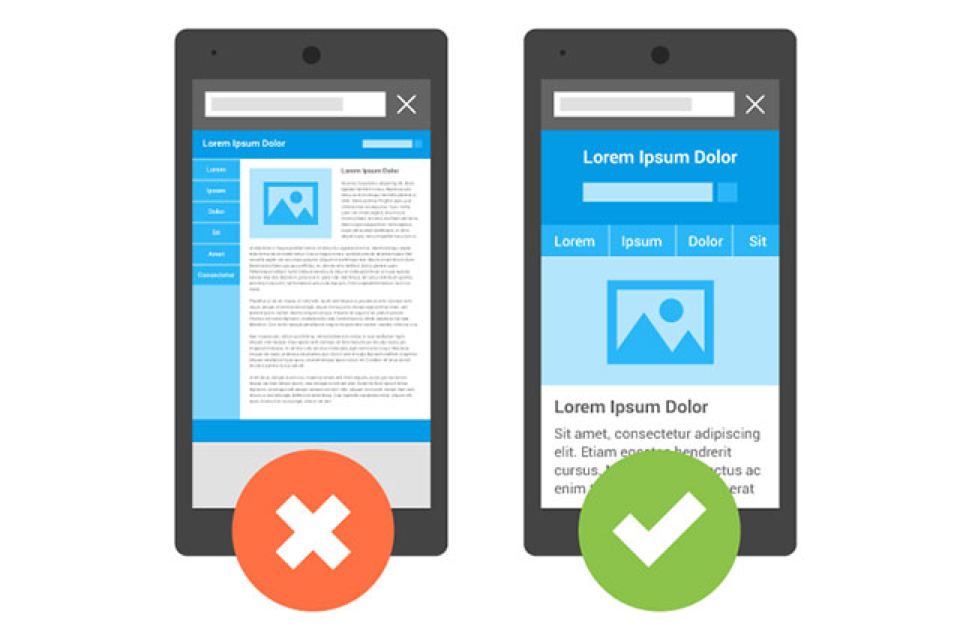
    In today’s fast-paced digital world, a Mobile-Friendly Website is no longer just a nice-to-have—it’s essential. With mobile internet usage surpassing desktop, having a website that caters to mobile users is crucial for maintaining competitiveness and driving business success. If your site isn’t optimized for mobile, you could be missing out on a significant chunk of your audience. Here’s why a Mobile-Friendly Website is a game-changer for your business and how it can positively impact your bottom line.

    Mobile-Friendly Website


    1. Capture the Growing Mobile User Base

    The rise of smartphones and tablets has led to a surge in mobile browsing. According to recent studies, more than 50% of global website traffic now comes from mobile devices. This trend is particularly strong among younger demographics, who rely heavily on their phones for browsing and shopping. By ensuring your website is mobile-friendly, you capture this vast and growing audience, providing them with a seamless browsing experience that meets their expectations.

    2. Improve User Experience and Engagement

    A Mobile-Friendly Website ensures a smooth and enjoyable user experience, which is crucial for keeping visitors engaged. Mobile optimization involves more than just resizing images and text; it includes making navigation intuitive, buttons easy to click, and content easily readable on smaller screens. A positive mobile experience reduces bounce rates and encourages users to spend more time on your site, increasing the likelihood of conversions and repeat visits.

    3. Boost Your Search Engine Rankings

    Search engines like Google prioritize mobile-friendly websites in their rankings, especially since they introduced mobile-first indexing. This means Google predominantly uses the mobile version of your site to determine rankings. A Mobile-Friendly Website is not only favored by search engines but also ensures that you are visible to users searching on mobile devices. By optimizing your site for mobile, you improve your chances of ranking higher in search results, driving more organic traffic to your site.

    4. Enhance Local SEO and Visibility

    For businesses that rely on local customers, having a Mobile-Friendly Website can significantly impact your local SEO efforts. Mobile users frequently search for nearby businesses and services while on the go. A mobile-optimized site ensures that local searches lead to a positive user experience, increasing the likelihood of visits to your physical location. Features like click-to-call buttons and easy-to-find contact information also enhance your site’s functionality for local searches.

    5. Increase Conversion Rates

    A seamless mobile experience directly influences conversion rates. Mobile users are more likely to complete transactions or sign up for services when they can easily navigate your site and access essential features. A Mobile-Friendly Website reduces friction in the conversion process, leading to higher sales, more leads, and greater customer satisfaction. Whether it’s through a streamlined checkout process or an accessible contact form, optimizing for mobile can significantly boost your conversion rates.

    6. Adapt to User Behavior Trends

    Mobile devices have changed how users interact with websites, leading to a shift in behavior and expectations. Users now expect fast loading times, easy navigation, and instant access to information. A Mobile-Friendly Website aligns with these new behaviors, ensuring that your site meets user expectations and keeps up with the latest trends. By adapting to these trends, you stay relevant and provide a modern, user-centric experience that resonates with your audience.

    7. Reduce Bounce Rates and Increase Retention

    A website that isn’t optimized for mobile can frustrate users, leading to high bounce rates and a loss of potential customers. If users have trouble navigating your site or accessing content on their mobile devices, they are likely to leave and turn to your competitors. A Mobile-Friendly Website minimizes these issues, improving user satisfaction and retention. By delivering a smooth mobile experience, you encourage visitors to stay longer and return more frequently.

    8. Stay Ahead of Competitors

    In a competitive market, having a Mobile-Friendly Website can set you apart from competitors who haven’t yet embraced mobile optimization. Consumers are increasingly prioritizing convenience and accessibility, and a mobile-optimized site demonstrates that your business values these factors. By offering a superior mobile experience, you not only attract more customers but also build a reputation as a forward-thinking and customer-focused business.

    9. Future-Proof Your Website

    As technology continues to evolve, mobile optimization is becoming more critical. Investing in a Mobile-Friendly Website ensures that you are prepared for future advancements and changes in user behavior. Responsive design and mobile-first strategies will keep your site adaptable to new devices and screen sizes, ensuring long-term relevance and functionality. Future-proofing your website helps you stay ahead of technological trends and maintain a competitive edge.

    10. Improve Load Times and Performance

    Mobile optimization goes hand-in-hand with improving site speed and performance. Mobile users are often on slower or less reliable connections, making fast load times essential for a positive user experience. A Mobile-Friendly Website typically includes performance optimizations such as compressed images, streamlined code, and faster server responses. These enhancements not only improve user satisfaction but also contribute to better SEO rankings and reduced bounce rates.

    By prioritizing a Mobile-Friendly Website, you position your business to thrive in today’s mobile-driven world. Embrace mobile optimization to capture a larger audience, enhance user experience, and stay ahead in the competitive digital landscape.

  • Maximizing ROI with Effective Pay-Per-Click Campaigns

    Maximizing ROI with Effective Pay-Per-Click Campaigns

    Maximizing ROI with Effective Pay-Per-Click Campaigns

    In the digital marketing realm of 2024, Pay-Per-Click Campaigns (PPC) continue to be a powerful tool for driving targeted traffic and achieving quick results. But with the ever-increasing competition and rising ad costs, maximizing ROI from PPC campaigns is more crucial than ever. If you’re looking to get the most bang for your buck and ensure that every dollar spent contributes to your business goals, here’s how you can optimize your PPC campaigns for maximum ROI.

    Pay-Per-Click Campaigns

    1. Define Clear and Measurable Goals

    The foundation of any successful Pay-Per-Click Campaign is setting clear, measurable goals. Whether you aim to increase website traffic, generate leads, or drive sales, defining these objectives helps you tailor your campaign strategy effectively. Use SMART goals (Specific, Measurable, Achievable, Relevant, Time-bound) to ensure that your PPC efforts are aligned with your overall marketing strategy and business objectives. This clarity allows for better tracking and optimization of your campaign’s performance.

    2. Conduct Thorough Keyword Research

    Keyword research is the cornerstone of effective Pay-Per-Click Campaigns. Identifying the right keywords ensures that your ads reach the most relevant audience. Utilize tools like Google Keyword Planner, SEMrush, or Ahrefs to discover high-performing keywords that align with your business. Focus on long-tail keywords for more precise targeting and less competition. These keywords often have higher conversion rates and lower costs per click, contributing to a higher ROI.

    3. Craft Compelling Ad Copy

    Your ad copy is your first impression, so make it count. Craft compelling, attention-grabbing headlines and descriptions that speak directly to your target audience’s needs and desires. Highlight unique selling points, include strong calls-to-action (CTAs), and ensure that your copy is aligned with the keywords you’re targeting. Testing different ad variations through A/B testing can help you determine which messages resonate best with your audience and drive higher engagement.

    4. Optimize Landing Pages for Conversions

    Driving traffic to your site is just the beginning; converting that traffic is where ROI is truly realized. Ensure that your landing pages are optimized for conversions with clear CTAs, relevant content, and a user-friendly design. Your landing page should provide a seamless experience that aligns with the promise made in your ad. Optimize page load speed, simplify forms, and include trust signals like customer reviews and security badges to improve conversion rates and maximize your PPC ROI.

    5. Implement Ad Extensions

    Ad extensions are a powerful feature in Pay-Per-Click Campaigns that enhance the visibility and effectiveness of your ads. Utilize various ad extensions such as site links, callouts, and structured snippets to provide additional information and entice users to click. For instance, adding a site link extension can direct users to specific pages on your website, while call extensions enable potential customers to reach you directly with a single click. These extensions not only improve ad performance but also increase your ad’s real estate on search results pages.

    6. Monitor and Adjust Bids Strategically

    Effective bid management is crucial for maximizing ROI. Regularly monitor your bids and adjust them based on keyword performance, competition, and budget constraints. Utilize automated bidding strategies like Target CPA (Cost Per Acquisition) or Enhanced CPC (Cost Per Click) to optimize bids and maximize conversions. Be vigilant about bid adjustments for high-performing keywords and reduce spend on underperforming ones to ensure that your budget is allocated efficiently.

    7. Leverage Negative Keywords

    Negative keywords are an essential tool for refining your PPC campaigns and avoiding wasted spend. By excluding irrelevant keywords that do not align with your business, you ensure that your ads are only shown to users who are likely to convert. Regularly review search term reports to identify and add negative keywords, preventing your ads from appearing in irrelevant searches and improving your overall campaign efficiency.

    8. Utilize Remarketing Strategies

    Remarketing is a powerful technique in Pay-Per-Click Campaigns that targets users who have previously interacted with your site but did not convert. By displaying tailored ads to these users, you keep your brand top-of-mind and encourage them to return and complete their purchase. Create segmented remarketing lists based on user behavior and customize your ads to address their specific interests and actions, thereby increasing the chances of conversion and boosting your ROI.

    9. Analyze Performance Metrics Regularly

    Data analysis is key to optimizing PPC campaigns and maximizing ROI. Regularly review performance metrics such as click-through rates (CTR), conversion rates, and cost-per-acquisition (CPA) to gauge the effectiveness of your campaigns. Use analytics tools to track these metrics and identify trends, opportunities, and areas for improvement. By continuously analyzing and interpreting data, you can make informed decisions and adjust your strategy to enhance campaign performance.

    10. Stay Updated with PPC Trends and Best Practices

    The digital advertising landscape is constantly evolving, and staying updated with the latest PPC trends and best practices is essential for maintaining a competitive edge. Follow industry blogs, attend webinars, and engage with PPC communities to keep abreast of new developments and techniques. Implementing the latest innovations and strategies will help you stay ahead of the competition and ensure that your Pay-Per-Click Campaigns remain effective and efficient.

    By strategically implementing these tactics, you can enhance the performance of your Pay-Per-Click Campaigns, drive higher ROI, and achieve your marketing goals. Embrace these approaches to ensure that every dollar you invest in PPC delivers maximum value and contributes to your business’s success.

  • How to Leverage Data Analytics for Better Marketing Decisions

    How to Leverage Data Analytics for Better Marketing Decisions

    How to Leverage Data Analytics for Better Marketing Decisions

    In the digital landscape of 2024, Data Analytics has become the powerhouse behind effective marketing strategies. The ability to harness and interpret data is no longer a luxury—it’s a necessity. By leveraging Data Analytics, you can make informed decisions that drive your marketing efforts and achieve impressive results. Here’s how you can unlock the full potential of data analytics to transform your marketing strategies and stay ahead of the curve.

    Data Analytics

    1. Personalize Your Marketing Campaigns

    Personalization is key to connecting with today’s consumers, and Data Analytics plays a critical role in making it happen. By analyzing customer data such as browsing behavior, purchase history, and demographic information, you can segment your audience and tailor your marketing messages accordingly. For instance, data-driven insights allow you to craft personalized email campaigns, targeted social media ads, and customized content that resonate with individual preferences. Personalized marketing not only boosts engagement but also enhances the customer experience and drives conversions.

    2. Optimize Your Ad Spend with Precision

    One of the major advantages of Data Analytics is its ability to optimize your advertising budget. By tracking and analyzing the performance of your ads across different channels, you can identify which campaigns are delivering the best ROI. Metrics like click-through rates, conversion rates, and cost-per-acquisition provide valuable insights into where your money is best spent. Use these insights to reallocate your budget towards high-performing ads, eliminate underperforming ones, and maximize the efficiency of your marketing investments.

    3. Enhance Customer Journey Mapping

    Understanding the customer journey is crucial for creating effective marketing strategies, and Data Analytics offers a detailed view of how customers interact with your brand at each touchpoint. By analyzing data from various sources—such as website visits, social media interactions, and email engagement—you can map out the typical paths customers take before making a purchase. This information helps you identify pain points, optimize the user experience, and streamline the journey to increase the likelihood of conversion.

    4. Predict Future Trends and Behaviors

    Predictive analytics is a powerful aspect of Data Analytics that allows you to anticipate future trends and consumer behaviors. By examining historical data and identifying patterns, you can forecast upcoming trends, customer preferences, and market shifts. For example, analyzing past sales data can help you predict which products are likely to be popular in the coming months, enabling you to adjust your inventory and marketing strategies accordingly. This forward-looking approach helps you stay ahead of competitors and seize new opportunities.

    5. Measure and Improve Content Performance

    Content marketing remains a cornerstone of digital strategy, and Data Analytics is essential for measuring its effectiveness. Track metrics such as page views, time on page, social shares, and conversion rates to evaluate how well your content is performing. Use these insights to determine which types of content resonate most with your audience and adjust your content strategy to focus on high-impact topics and formats. Continuous analysis allows you to refine your content efforts and ensure that you’re delivering valuable, engaging material.

    6. Refine Your Social Media Strategy

    Social media platforms are rich sources of data, and Data Analytics can help you refine your social media strategy for better results. By analyzing engagement metrics like likes, shares, comments, and follower growth, you can gauge the effectiveness of your social media campaigns. Identify which platforms and types of content generate the most engagement and tailor your social media efforts to focus on these areas. Data-driven insights enable you to optimize your posting schedule, content themes, and promotional tactics to enhance your social media presence.

    7. Improve Customer Segmentation

    Effective customer segmentation is key to delivering targeted marketing messages, and Data Analytics enhances your ability to segment your audience accurately. Analyze customer data to identify distinct segments based on behaviors, preferences, and demographics. For example, segmenting your audience by purchase history or engagement level allows you to create highly relevant marketing campaigns for each group. This targeted approach increases the likelihood of conversion and ensures that your marketing efforts are aligned with customer needs.

    8. Identify and Address Churn Risks

    Customer retention is just as important as acquisition, and Data Analytics helps you identify and address churn risks. By analyzing customer behavior and engagement patterns, you can pinpoint signals that indicate potential churn, such as decreased interaction or declining purchase frequency. Implement retention strategies based on these insights, such as personalized offers or targeted re-engagement campaigns, to address the issues and keep your customers loyal.

    9. Enhance Email Marketing Effectiveness

    Email marketing remains a powerful tool, and Data Analytics can significantly enhance its effectiveness. Track metrics such as open rates, click-through rates, and conversion rates to evaluate the performance of your email campaigns. Use this data to segment your email list, test different subject lines and content formats, and optimize your send times. Data-driven adjustments ensure that your emails reach the right audience with the right message, leading to higher engagement and conversion rates.

    10. Monitor Competitor Performance

    Keeping an eye on your competitors is essential for staying competitive, and Data Analytics provides valuable insights into their performance. Analyze data on competitors’ marketing strategies, content performance, and social media engagement to identify their strengths and weaknesses. This information helps you benchmark your performance, uncover opportunities for differentiation, and refine your own strategies to gain a competitive edge.

    By harnessing the power of Data Analytics, you can make more informed marketing decisions, optimize your strategies, and achieve greater success. Embrace these data-driven approaches to unlock new opportunities and drive impactful results in your marketing efforts.