Category: Social Media Marketing

  • What is Event Videography and Why Your Brand Needs It

    What is Event Videography and Why Your Brand Needs It

    In today’s digital-first world, video content has become the cornerstone of successful brand marketing strategies. Event videography, in particular, offers a powerful way to capture and share your brand’s most memorable moments while creating lasting connections with your audience. Let’s explore what event videography entails and why it’s become an essential tool for modern brands.

    Understanding Event Videography

    Event videography is the professional capture and production of video content during live events, including conferences, product launches, corporate meetings, trade shows, and brand activations. Unlike amateur recordings, professional event videography combines technical expertise, storytelling, and high-quality equipment to create polished content that resonates with viewers.

    The Impact of Event Videos on Brand Marketing

    When executed properly, event videography delivers multiple benefits that can significantly enhance your brand’s marketing efforts:

    Extends Event Reach and Impact

    Your event’s impact doesn’t have to end when attendees leave the venue. Professional event videos allow you to reach a broader audience, sharing key moments and insights with those who couldn’t attend in person. This extended reach maximizes your event’s ROI and creates valuable content for future marketing initiatives.

    Creates Authentic Brand Stories

    Nothing captures authenticity quite like live events. The genuine reactions, spontaneous moments, and real-time interactions provide rich material for compelling brand storytelling. These authentic narratives help build trust and emotional connections with your audience, setting your brand apart in a crowded marketplace.

    Enhances Social Media Presence

    Video content consistently outperforms other content types on social media platforms. Event videos can be repurposed into various formats – from short clips for Instagram Stories to longer features for YouTube – keeping your social media channels dynamic and engaging throughout the year.

    Drives Engagement and Conversions

    Studies show that video content generates significantly higher engagement rates compared to text or image-based content. Event videos capture attention, encourage sharing, and drive conversions by showcasing your brand’s value proposition in action.

    Making the Most of Event Videography

    To maximize the benefits of event videography for your brand, consider these key strategies:

    Plan Ahead

    Work with your videography team before the event to identify key moments, speakers, and activities that align with your marketing objectives. This preparation ensures you capture the most valuable content for your brand narrative.

    Focus on Quality

    Invest in professional videographers who understand both technical aspects and storytelling principles. High-quality production values reflect positively on your brand and increase content shareability.

    Create Multiple Content Pieces

    Plan to create various video formats from your event footage. This might include highlight reels, speaker interviews, behind-the-scenes content, and testimonials from attendees. Each piece can serve different marketing purposes and audience preferences.

    The Future of Event Videography

    As virtual and hybrid events become more common, the role of event videography continues to evolve. Live streaming, interactive elements, and immersive video experiences are becoming standard features of modern event coverage. Brands that embrace these innovations position themselves at the forefront of digital marketing trends.

    Event videography has transformed from a nice-to-have into a must-have marketing tool. It provides unique opportunities to capture authentic moments, share your brand story, and create lasting connections with your audience. As video content continues to dominate digital marketing, investing in professional event videography becomes increasingly crucial for brands looking to maintain a competitive edge in their industry.

    By incorporating event videography into your marketing strategy, you’re not just documenting events – you’re creating valuable assets that can drive engagement, build brand awareness, and support your marketing goals throughout the year.
  • The Power of Social Media Advertising: Transform Your Business in 2025

    The Power of Social Media Advertising: Transform Your Business in 2025

    The Power of Social Media Advertising: Transform Your Business in 2025

    In today’s digital marketplace, social media advertising has become an indispensable tool for business growth. With over 4.8 billion social media users worldwide, these platforms offer unprecedented opportunities to connect with your target audience, drive sales, and build lasting brand relationships.

    Why Social Media Advertising Matters in 2025

    Unparalleled Reach and Targeting

    Modern social media platforms provide:

    • Precision audience targeting based on demographics
    • Behavioral targeting using AI-driven insights
    • Geographic targeting for local businesses
    • Interest-based audience segmentation
    • Lookalike audience creation

    Cost-Effective Marketing

    Social media advertising offers significant advantages:

    • Lower cost per lead compared to traditional advertising
    • Flexible budget options for businesses of all sizes
    • Real-time optimization capabilities
    • Measurable return on investment (ROI)
    • Scale advertising based on performance

    Platform-Specific Strategies for Success

    Instagram Advertising

    Perfect for:

    • Visual product showcases
    • Brand storytelling through Reels
    • Influencer partnerships
    • Shopping features integration
    • Story ads for immediate engagement

    Facebook Advertising

    Excels in:

    • Detailed audience targeting
    • Lead generation campaigns
    • Community building
    • Retargeting previous visitors
    • Local business promotion

    LinkedIn Advertising

    Ideal for:

    • B2B marketing campaigns
    • Professional audience targeting
    • Industry-specific content
    • Thought leadership promotion
    • High-value lead generation

    TikTok Advertising

    Specialized in:

    • Youth market engagement
    • Viral content potential
    • Creative ad formats
    • User-generated content
    • Brand challenges and trends

    Advanced Targeting Techniques

    Custom Audiences

    Build specific audience segments:

    • Website visitors
    • Email list subscribers
    • App users
    • Previous customers
    • Event attendees

    Behavioral Targeting

    Focus on user actions:

    • Purchase history
    • Browser behavior
    • App usage patterns
    • Device preferences
    • Engagement levels

    Creating Effective Ad Campaigns

    Compelling Content Development

    Focus on:

    • Eye-catching visuals
    • Clear, concise messaging
    • Strong calls-to-action
    • Brand consistency
    • Mobile-first design

    Ad Format Selection

    Choose from:

    • Image ads
    • Video advertisements
    • Carousel displays
    • Story formats
    • Interactive polls

    Measuring Success and ROI

    Key Performance Indicators

    Track essential metrics:

    • Click-through rates (CTR)
    • Conversion rates
    • Cost per acquisition (CPA)
    • Return on ad spend (ROAS)
    • Engagement rates

    Analytics Tools

    Utilize:

    • Platform-specific analytics
    • Third-party tracking tools
    • Attribution modeling
    • A/B testing results
    • Custom reporting dashboards

    Best Practices for 2025

    Ad Optimization

    Implement:

    • Regular A/B testing
    • Performance monitoring
    • Budget adjustment
    • Creative refreshes
    • Audience refinement

    Creative Excellence

    Focus on:

    • High-quality visuals
    • Authentic messaging
    • Mobile optimization
    • Platform-specific formats
    • Brand consistency

    Advanced Strategies

    Automation and AI

    Leverage:

    • Automated bidding
    • Dynamic ad creation
    • Predictive analytics
    • Chatbot integration
    • Performance optimization

    Cross-Platform Integration

    Implement:

    • Unified messaging
    • Consistent branding
    • Cross-channel retargeting
    • Integrated campaigns
    • Multi-platform analytics

    Tips for Success

    1. Start with clear objectives
    2. Know your target audience
    3. Create compelling content
    4. Test and optimize regularly
    5. Monitor performance metrics
    6. Stay current with platform changes
    7. Maintain brand consistency

    Overcoming Common Challenges

    Budget Management

    • Set realistic budgets
    • Monitor spending carefully
    • Optimize for efficiency
    • Scale successful campaigns
    • Track ROI consistently

    Creative Fatigue

    • Rotate ad creative regularly
    • Test new formats
    • Monitor engagement metrics
    • Refresh messaging
    • Update visuals frequently

    Future Trends

    Emerging Technologies

    Watch for:

    • Augmented reality ads
    • Virtual reality experiences
    • Voice-activated advertising
    • AI-powered personalization
    • Blockchain integration

    Social media advertising continues to evolve as a powerful tool for business growth in 2025. Success lies in understanding your audience, creating engaging content, and staying ahead of platform changes and emerging trends. By implementing these strategies and best practices, businesses can harness the full potential of social media advertising to drive growth and achieve their marketing objectives.

  • Effective Email Marketing Strategies for Media Services

    Effective Email Marketing Strategies for Media Services

    Effective Email Marketing Strategies for Media Services

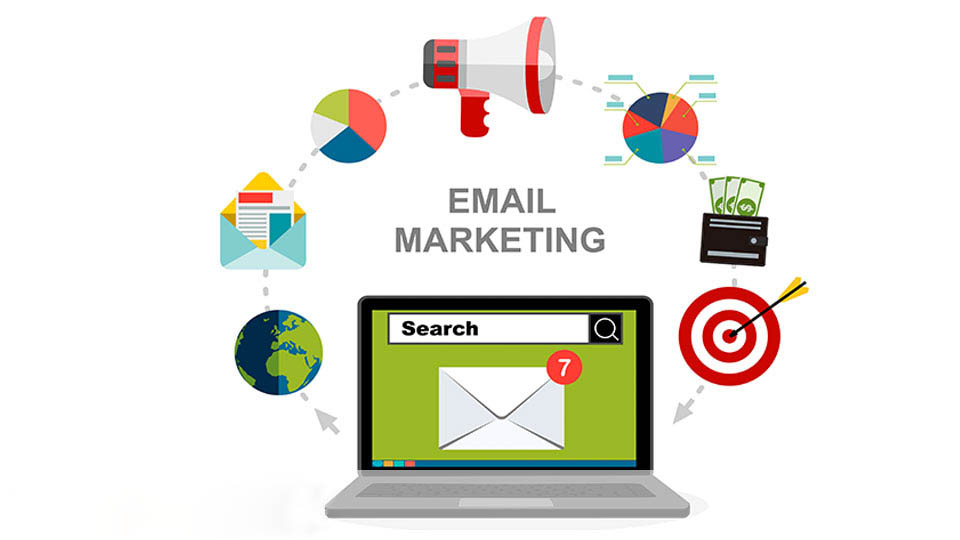
    Email marketing remains a cornerstone strategy for media services to engage audiences, promote content, and nurture relationships effectively. In today’s digital landscape, where personalized communication and targeted messaging are paramount, leveraging email marketing can significantly enhance brand visibility, drive conversions, and foster long-term customer loyalty. Here are strategic approaches and best practices to optimize your email marketing efforts for media services.

    Email Marketing

    1. Build a Quality Email List

    Start by building a permission-based email list comprising subscribers who have opted in to receive communications from your media service. Implement sign-up forms on your website, blog, and social media platforms to capture email addresses. Offer incentives such as exclusive content, discounts, or newsletters to encourage sign-ups. Ensure compliance with data protection regulations (e.g., GDPR, CCPA) by obtaining explicit consent and providing options for subscribers to manage their preferences.

    2. Segment Your Audience

    Segmentation is key to delivering relevant and personalized content to your email subscribers. Segment your audience based on demographics, interests, behavior, purchase history, or engagement level with your media services. Tailor email content and offers to each segment’s preferences and needs to increase engagement and conversion rates. Use email marketing automation tools to streamline segmentation and deliver targeted campaigns effectively.

    3. Craft Compelling Subject Lines and Content

    Capture subscribers’ attention with compelling subject lines that are concise, clear, and compelling. Use A/B testing to experiment with different subject lines, emojis, or personalization techniques to optimize open rates. Create valuable, informative, and engaging content that resonates with your audience. Share industry insights, expert opinions, behind-the-scenes stories, upcoming events, or exclusive previews to provide value and build anticipation.

    4. Design Responsive and Visual Emails

    Design visually appealing emails that are mobile-responsive and aligned with your brand’s visual identity. Use eye-catching graphics, videos, infographics, and clear calls-to-action (CTAs) to guide recipients towards desired actions. Ensure emails are easy to read, navigate, and load quickly across devices and email clients. Incorporate interactive elements such as polls, quizzes, or clickable content to enhance engagement and encourage interaction.

    5. Personalize Email Campaigns

    Personalization enhances the relevance and effectiveness of your email campaigns. Address subscribers by their first name, tailor content based on their preferences or previous interactions with your media services. Leverage dynamic content blocks and personalized recommendations based on user behavior or segmentation data. Personalized emails resonate better with recipients, increase open rates, and foster a sense of connection and loyalty.

    6. Implement Email Automation

    Utilize email automation to streamline workflows, deliver timely messages, and nurture leads through the customer journey. Set up automated welcome emails, onboarding sequences, personalized drip campaigns, or triggered emails based on subscriber actions (e.g., purchases, downloads, website visits). Automation helps maintain consistent communication, reduces manual effort, and ensures timely follow-ups to maximize engagement and conversions.

    7. Monitor Performance and Analyze Data

    Regularly monitor the performance of your email marketing campaigns using analytics tools and metrics such as open rates, click-through rates (CTR), conversion rates, bounce rates, and unsubscribe rates. Analyze audience engagement, content effectiveness, and campaign ROI to identify trends, strengths, and areas for improvement. Use insights to optimize future campaigns, adjust strategies, and refine content to better meet subscriber expectations and business goals.

    8. Integrate Email with Multi-channel Marketing

    Integrate email marketing with your overall multi-channel marketing strategy to amplify reach and engagement. Coordinate email campaigns with social media, content marketing, SEO, and paid advertising efforts to reinforce messaging and drive traffic across channels. Cross-promote content, events, and special offers to expand audience reach and maximize campaign impact. Consistent messaging across channels enhances brand recognition and strengthens your media service’s digital presence.

    9. Encourage User-generated Content and Feedback

    Engage subscribers by encouraging user-generated content (UGC), testimonials, reviews, or feedback. Showcase customer success stories, testimonials, or case studies in your emails to build social proof and credibility. Encourage recipients to share their experiences, participate in surveys, or provide feedback to foster community interaction and strengthen relationships. Use UGC to create authentic, relatable content that resonates with your audience and reinforces brand authenticity.

    10. Stay Compliant and Maintain Subscriber Trust

    Adhere to email marketing best practices and regulations to maintain subscriber trust and comply with legal requirements. Provide clear opt-in/opt-out options, honor unsubscribe requests promptly, and respect subscriber preferences regarding frequency and content preferences. Stay informed about data privacy laws (e.g., GDPR, CAN-SPAM Act) and implement robust data security measures to protect subscriber information and ensure compliance.

    By implementing these effective email marketing strategies tailored for media services, you can optimize engagement, build brand loyalty, and drive measurable results. Consistently deliver valuable content, leverage automation and personalization, and analyze performance metrics to refine your approach and achieve sustained success in reaching and converting your target audience through email campaigns.

  • How to Measure the ROI of Your Digital Media Campaigns

    How to Measure the ROI of Your Digital Media Campaigns

    How to Measure the ROI of Your Digital Media Campaigns

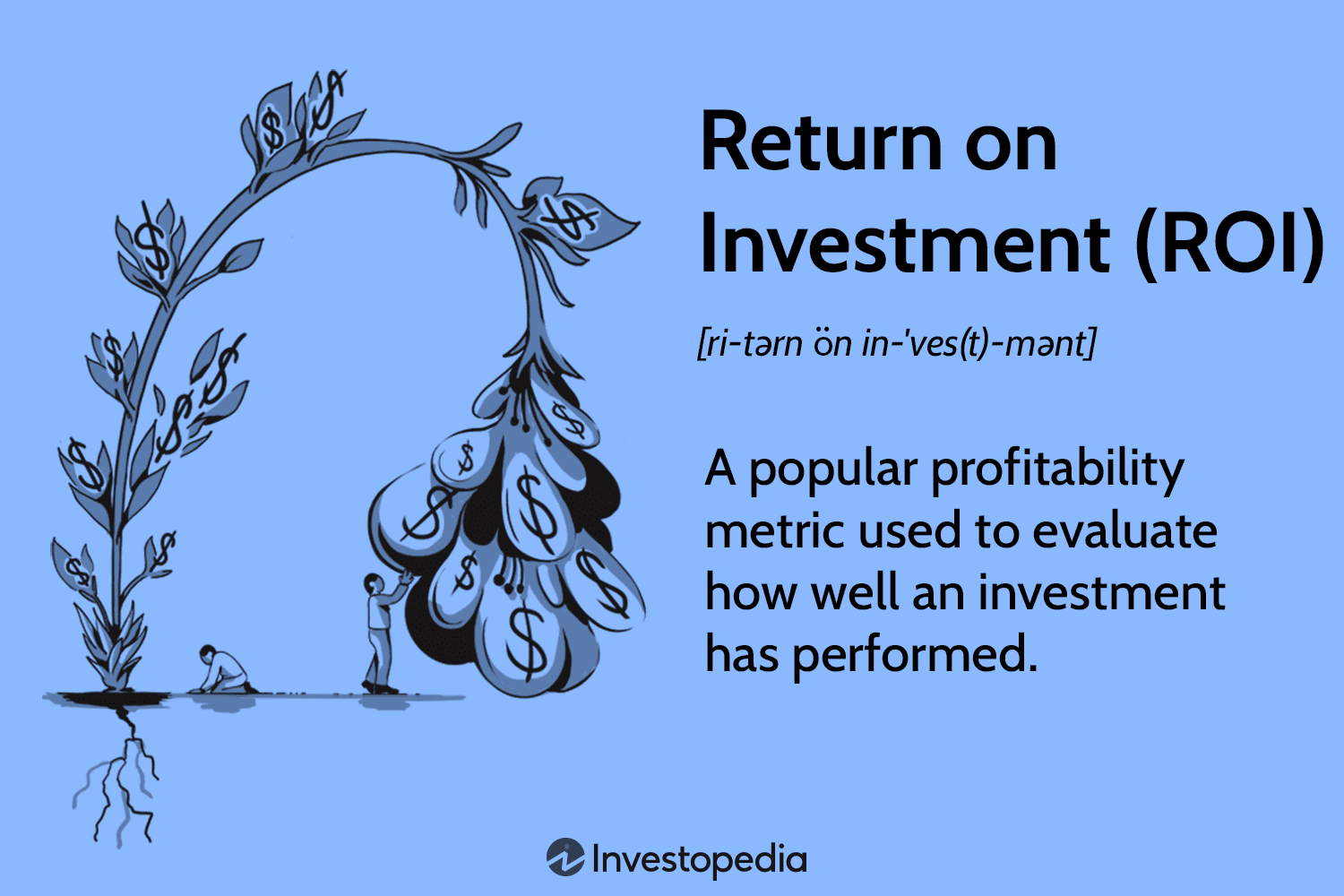
    Measuring the Return on Investment (ROI) of your digital media campaigns is crucial for evaluating their effectiveness and optimizing future marketing efforts. In today’s data-driven landscape, marketers rely on ROI measurement to justify budget allocations, demonstrate campaign success, and inform strategic decisions. Whether you’re running paid advertising campaigns, social media initiatives, email marketing, or content marketing efforts, understanding how to accurately measure ROI ensures you maximize your marketing dollars and achieve tangible business outcomes. Here’s a comprehensive guide on effectively measuring ROI for your digital media campaigns.

    ROI

    1. Define Clear Objectives and KPIs

    Before launching any digital media campaign, establish clear objectives aligned with your overall business goals. Are you aiming to increase sales, generate leads, boost website traffic, or enhance brand awareness? Define specific Key Performance Indicators (KPIs) that directly reflect these objectives, such as conversion rate, cost per acquisition (CPA), revenue generated, or customer lifetime value (CLV). Setting clear goals and KPIs provides a framework for measuring ROI accurately.

    2. Track Conversions and Attribution

    Implement conversion tracking mechanisms to attribute actions or conversions back to your digital media campaigns. Use tools like Google Analytics, Facebook Pixel, or CRM systems to track conversions such as purchases, form submissions, newsletter sign-ups, or downloads. Assign unique tracking URLs, promo codes, or landing pages to different campaigns to monitor and attribute conversions effectively. Understanding which campaigns drive the most conversions allows you to optimize resources and focus on high-performing channels.

    3. Calculate Cost of Investment

    Determine the total cost associated with your digital media campaigns. Include expenses such as advertising spend, agency fees, content creation costs, software subscriptions, and any other relevant expenditures. Calculate the cost per campaign, ad set, or specific initiative to accurately assess the investment required to achieve your marketing objectives. Knowing your investment allows for a precise calculation of ROI.

    4. Measure Revenue Generated

    To calculate ROI, measure the revenue generated from your digital media campaigns. Track sales revenue directly attributed to campaign-driven conversions or customer acquisitions. If direct revenue attribution is challenging (e.g., for brand awareness campaigns), use customer lifetime value (CLV) estimates or average order value (AOV) to approximate revenue impact. Integrating CRM systems or e-commerce platforms with your analytics tools simplifies tracking and reporting on revenue metrics.

    5. Calculate ROI Formula

    Once you have determined your campaign’s revenue and investment costs, calculate ROI using the following formula:

    ROI=(Revenue−CostCost)×100\text{ROI} = \left( \frac{\text{Revenue} – \text{Cost}}{\text{Cost}} \right) \times 100

    For example, if your campaign generated $10,000 in revenue and cost $5,000 to execute, the ROI calculation would be:

    ROI=(10,000−5,0005,000)×100=100%\text{ROI} = \left( \frac{10,000 – 5,000}{5,000} \right) \times 100 = 100\%

    An ROI of 100% indicates that you earned twice the amount you invested. Positive ROI signifies profitability, while negative ROI suggests that adjustments are needed to improve campaign performance or efficiency.

    6. Use Attribution Models

    Utilize attribution models to understand how different touchpoints contribute to conversions throughout the customer journey. Common attribution models include first-click, last-click, linear, time decay, and position-based models. Each model assigns credit to touchpoints based on their influence in converting prospects into customers. Evaluate which attribution model aligns best with your campaign objectives and customer behavior patterns to gain insights into the effectiveness of your marketing efforts.

    7. Analyze Customer Acquisition Cost (CAC)

    Calculate Customer Acquisition Cost (CAC) to determine the cost-effectiveness of acquiring new customers through your digital media campaigns. Divide total campaign costs by the number of new customers acquired within a specific timeframe. Compare CAC against customer lifetime value (CLV) to assess long-term profitability and sustainability of customer relationships generated from your campaigns. Lowering CAC while maintaining or increasing CLV improves overall campaign ROI.

    8. Monitor Return on Ad Spend (ROAS)

    Return on Ad Spend (ROAS) measures the revenue generated from advertising compared to the cost of advertising. Calculate ROAS by dividing revenue generated from ads by the cost of those ads:

    ROAS=Revenue from AdsCost of Ads\text{ROAS} = \frac{\text{Revenue from Ads}}{\text{Cost of Ads}}

    A ROAS of 5:1 indicates that for every dollar spent on advertising, $5 in revenue was generated. Use ROAS metrics to optimize ad budgets, bidding strategies, and ad placements across different platforms for maximum revenue impact.

    9. Analyze Campaign Performance Metrics

    Evaluate performance metrics beyond ROI, such as click-through rate (CTR), conversion rate, engagement rate, and cost per click (CPC). These metrics provide insights into campaign effectiveness, audience engagement, and ad performance. Identify trends, patterns, and areas for improvement based on performance data to refine targeting, messaging, and creative elements in future campaigns.

    10. Continuous Optimization and Iteration

    ROI measurement is an iterative process that requires continuous optimization and refinement of campaign strategies. Analyze ROI data regularly to identify top-performing campaigns, channels, and audience segments. Allocate resources towards high ROI initiatives and experiment with new tactics to improve campaign efficiency and effectiveness. Stay agile and responsive to market changes, consumer behavior shifts, and evolving industry trends to maintain competitive advantage and drive sustainable growth.

    By implementing these best practices for measuring ROI in your digital media campaigns, you can gain valuable insights into campaign performance, optimize marketing spend effectively, and demonstrate tangible business impact. Adopt a data-driven approach to decision-making, leverage advanced analytics tools, and adapt strategies based on ROI insights to achieve long-term success in digital marketing endeavors.

  • The Role of AI in Personalizing Digital Media Campaigns

    The Role of AI in Personalizing Digital Media Campaigns

    The Role of AI in Personalizing Digital Media Campaigns

    Artificial Intelligence (AI) is revolutionizing digital marketing by enabling brands to personalize their campaigns with unprecedented precision and efficiency. In today’s competitive landscape, delivering relevant content to the right audience at the right time is paramount for success. AI-powered technologies, ranging from machine learning algorithms to predictive analytics, empower marketers to analyze vast amounts of data and derive actionable insights that drive personalized digital media campaigns. Let’s explore how AI is reshaping digital marketing strategies and enhancing customer experiences across various channels.

    Digital Media Campaigns

    1. Data-driven Insights and Audience Segmentation

    AI algorithms excel at analyzing large datasets to uncover patterns and behaviors that human analysis might overlook. By leveraging AI, marketers can segment their audience based on demographics, interests, behaviors, and purchase history with granular detail. This segmentation allows for hyper-targeted messaging and personalized content delivery, increasing the relevance of marketing campaigns and improving engagement rates.

    2. Predictive Analytics for Anticipating Customer Behavior

    Predictive analytics powered by AI enables marketers to anticipate customer behavior and preferences accurately. By analyzing historical data and identifying trends, AI algorithms can predict future actions such as purchases, clicks, or content consumption patterns. This foresight enables marketers to proactively tailor their campaigns to meet the needs of their audience, ultimately improving conversion rates and ROI.

    3. Dynamic Content Optimization

    AI plays a pivotal role in optimizing content in real-time based on user interactions and preferences. Through A/B testing and multivariate testing, AI algorithms can automatically identify which variations of content, images, or CTAs resonate best with different audience segments. This iterative process of optimization ensures that digital media campaigns are continually refined for maximum effectiveness and engagement.

    4. Personalized Recommendations and Retargeting

    AI-powered recommendation engines analyze user behavior and preferences to deliver personalized recommendations in real-time. Whether on e-commerce websites, streaming platforms, or social media, AI algorithms suggest products, content, or services that align with individual interests and past interactions. Furthermore, AI-driven retargeting campaigns re-engage users who have shown interest but haven’t completed a desired action, such as making a purchase or signing up for a newsletter.

    5. Natural Language Processing (NLP) for Enhanced Customer Interaction

    Natural Language Processing, a subset of AI, enables brands to enhance customer interaction through chatbots, virtual assistants, and sentiment analysis. AI-powered chatbots can provide instant responses to customer queries, offer personalized recommendations, and facilitate seamless customer service experiences round the clock. Sentiment analysis helps brands gauge customer sentiment on social media and adjust marketing strategies accordingly.

    6. Campaign Optimization and Budget Allocation

    AI automates the process of campaign optimization and budget allocation based on performance data. Machine learning algorithms analyze campaign metrics in real-time and make adjustments to bidding strategies, ad placements, and targeting parameters to maximize ROI. This dynamic optimization ensures that marketing budgets are allocated efficiently to channels and campaigns that yield the highest returns.

    7. Enhanced Ad Targeting and Personalization

    AI enhances ad targeting by analyzing user behavior across devices and channels to deliver relevant ads in the right context. By leveraging data from browsing history, social interactions, and purchase intent signals, AI algorithms ensure that ads are served to individuals most likely to convert. This precision targeting minimizes ad spend wastage and increases the likelihood of driving meaningful actions from the target audience.

    8. Cross-channel Integration and Unified Customer Experience

    AI facilitates cross-channel integration by unifying customer data from various touchpoints into a centralized platform. This holistic view enables marketers to orchestrate seamless, omnichannel marketing campaigns that deliver consistent messaging and personalized experiences across websites, social media, email, and mobile apps. AI-driven insights help maintain brand coherence while adapting content for different platforms and devices.

    9. Real-time Performance Monitoring and Optimization

    Real-time analytics provided by AI enable marketers to monitor campaign performance metrics instantly and make data-driven decisions on the fly. By identifying underperforming campaigns or high-performing segments, marketers can pivot strategies in real-time to capitalize on opportunities or mitigate challenges. This agility ensures that marketing efforts remain responsive to changing market dynamics and consumer behaviors.

    10. Ethical Considerations and Transparency

    As AI continues to shape digital marketing strategies, ethical considerations such as data privacy, algorithmic bias, and transparency in AI-driven decisions are paramount. Marketers must prioritize consumer trust by implementing ethical AI practices, ensuring informed consent for data usage, and maintaining transparency in how AI influences campaign strategies and customer interactions.

    In conclusion, AI is transforming digital media campaigns by enabling marketers to personalize content, predict consumer behavior, optimize campaigns, and deliver seamless customer experiences across multiple channels. By harnessing the power of AI-driven insights and technologies, brands can stay ahead in a competitive landscape, foster deeper connections with their audience, and drive sustainable business growth through personalized digital marketing strategies.

  • How to Use Influencer Marketing to Boost Your Brand

    How to Use Influencer Marketing to Boost Your Brand

    How to Use Influencer Marketing to Boost Your Brand

    Influencer marketing has emerged as a potent strategy for brands looking to expand their reach, enhance credibility, and engage with targeted audiences authentically. Leveraging influencers—individuals with dedicated and engaged followings—allows brands to tap into established communities and leverage their influence to promote products or services. Here’s a comprehensive guide on how to harness the power of influencer marketing effectively to boost your brand’s visibility and achieve marketing goals.

    Influencer Marketing


    1. Define Your Goals and Target Audience

    Before diving into influencer marketing, it’s essential to define clear goals. Are you aiming to increase brand awareness, drive sales, or build brand loyalty? Understanding your objectives will guide your influencer selection and campaign strategy. Similarly, identify your target audience—demographics, interests, behaviors—to ensure alignment between the influencer’s followers and your ideal customer profile.

    2. Identify Relevant Influencers

    Choosing the right influencers is crucial for the success of your campaign. Look for influencers whose values, content style, and audience demographics align with your brand. Consider factors such as follower demographics, engagement rates, content authenticity, and previous brand collaborations. Tools like social media analytics platforms and influencer marketing platforms can aid in identifying suitable influencers based on these criteria.

    3. Establish Authentic Relationships

    Building authentic relationships with influencers is key to a successful collaboration. Reach out to influencers whose content resonates with your brand’s values and goals. Personalize your outreach to demonstrate genuine interest in their work and audience. Establish clear communication regarding campaign expectations, deliverables, timelines, and compensation to ensure a mutually beneficial partnership.

    4. Collaborate on Creative Campaigns

    Collaborate with influencers to develop creative campaign concepts that align with both your brand’s messaging and the influencer’s unique style. Allow influencers creative freedom to showcase your product or service authentically to their audience. Whether it’s through sponsored posts, product reviews, giveaways, or influencer takeovers, ensure the content adds value and resonates with their followers.

    5. Leverage Different Types of Influencers

    Consider working with a mix of influencers to diversify your reach and impact. Macro influencers with large followings can amplify brand awareness on a broad scale, while micro influencers with smaller, niche audiences often have higher engagement rates and more targeted influence. Nano influencers, with their hyper-local or specialized followings, can foster deep community engagement and trust.

    6. Monitor and Measure Performance

    Monitor the performance of influencer campaigns using relevant metrics such as reach, engagement (likes, comments, shares), click-through rates (CTR), and conversions. Utilize tracking links, unique promo codes, or affiliate marketing tools to attribute sales and ROI directly to influencer efforts. Analyze campaign data to identify top-performing influencers, content formats, and messaging strategies for future optimization.

    7. Disclose Sponsored Content Ethically

    Maintain transparency and ethical standards in influencer marketing by ensuring influencers clearly disclose sponsored content to their followers. Compliance with FTC guidelines and platform-specific regulations builds trust with your audience and mitigates legal risks associated with influencer partnerships. Encourage influencers to use hashtags like #ad, #sponsored, or #partner to denote paid collaborations.

    8. Foster Long-Term Partnerships

    Nurture long-term relationships with influencers who align with your brand values and consistently deliver results. Long-term partnerships allow influencers to become advocates for your brand, fostering authenticity and credibility among their followers over time. Collaborate on ongoing campaigns, ambassador programs, or exclusive partnerships to maintain momentum and deepen influencer-brand relationships.

    9. Repurpose Influencer Content

    Maximize the impact of influencer-generated content by repurposing it across your brand’s digital channels. Share influencer-created posts, reviews, testimonials, and user-generated content (UGC) on your social media profiles, website, email newsletters, and advertising campaigns. User-generated content reinforces social proof and authenticity, resonating with potential customers and strengthening your brand’s reputation.

    10. Stay Updated with Industry Trends

    Stay abreast of evolving influencer marketing trends, platform updates, and best practices to refine your strategies continuously. Experiment with new content formats, emerging social media platforms, and innovative influencer collaboration methods to stay ahead of competitors and connect with your audience effectively. Adapt your influencer marketing strategy based on consumer behavior shifts and industry insights to maintain relevance and maximize campaign success.

    Incorporating influencer marketing into your overall marketing strategy can yield significant benefits by leveraging influencers’ authority, credibility, and engaged audiences. By strategically selecting influencers, fostering genuine relationships, and collaborating on compelling campaigns, you can amplify your brand’s reach, enhance consumer trust, and achieve your marketing objectives effectively.

  • How to Choose the Best Social Media Platform for Your Business

    How to Choose the Best Social Media Platform for Your Business

    How to Choose the Best Social Media Platform for Your Business

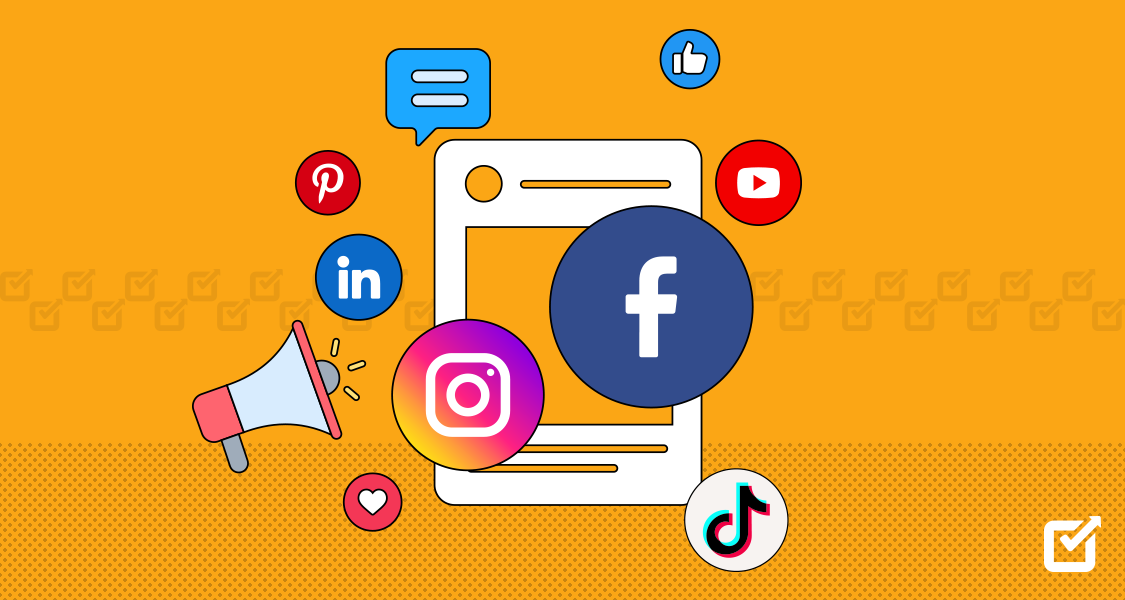
    In today’s digital age, harnessing the power of social media is crucial for any business aiming to thrive in a competitive market. With numerous platforms available, each offering unique features and demographics, selecting the right one can significantly impact your outreach and engagement strategies. Understanding your business goals, target audience, and content style is key to making an informed decision. Let’s dive into the essential considerations when choosing the best social media platform for your business.

    In today’s digital age, having a social media presence is no longer a “maybe” for businesses – it’s a resounding must. But with a vast and ever-evolving social media landscape, how do you choose the right platform for your brand? Fear not, entrepreneur! This guide will equip you with the key factors to consider to find your social media sweet spot.

    Social Media Platform

    Define Your Business Objectives

    Before delving into the specifics of each platform, it’s vital to outline your business objectives clearly. Are you aiming to increase brand awareness, drive traffic to your website, generate leads, or boost sales? Each goal may align better with certain social media platforms depending on their strengths in content format and audience engagement.

    Know Your Target Audience

    Understanding your target audience is fundamental to selecting the right platform. Different demographics favor different social media platforms. For instance, if your target demographic is primarily professionals and B2B clients, platforms like LinkedIn might be more effective. Conversely, if you’re targeting a younger audience interested in visual content, platforms such as Instagram or TikTok could be ideal.

    Consider Content Format and Style

    The type of content you create and share also plays a crucial role in platform selection. Some platforms are more conducive to specific content formats:

    • Visual Content: Platforms like Instagram, TikTok, and Pinterest thrive on visual content such as photos and videos.
    • Text-based Content: Twitter is known for concise, impactful messaging, while LinkedIn favors professional articles and industry insights.
    • Video Content: YouTube is the go-to platform for video content, with a massive audience base.

    Evaluate Platform Reach and Engagement

    Each social media platform has its unique reach and engagement metrics. Research the platforms to understand which ones align with your business goals:

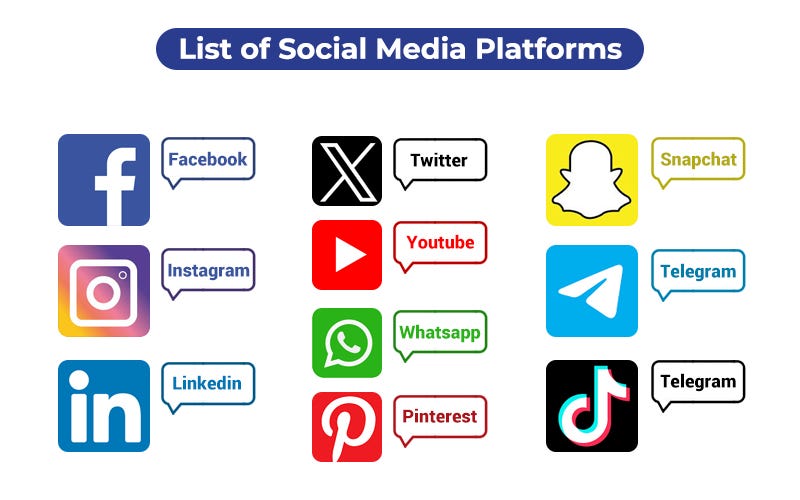
    • Facebook: Offers a broad demographic reach and diverse ad targeting options.
    • Instagram: Great for visual content and reaching a younger demographic.
    • LinkedIn: Ideal for B2B businesses and professional networking.
    • Twitter: Effective for real-time engagement and concise messaging.

    Analyze Competition and Industry Trends

    Studying your competitors’ presence on social media can provide valuable insights. Analyze which platforms they are using successfully and how they engage with their audience. Additionally, stay updated on industry trends and platform updates to leverage new features and functionalities.

    Test and Iterate

    Lastly, don’t hesitate to experiment with different platforms initially. Conduct A/B testing to see which platforms yield the best results for your business objectives. Monitor key metrics such as engagement rates, click-through rates, and conversions to refine your social media strategy continuously.

    The Takeaway: It’s a Journey, Not a Destination

    Choosing the right social media platform for your business is an ongoing process. As your brand evolves and your audience grows, your social media needs might change. The key is to stay informed, adapt your strategy, and leverage the power of social media to connect with your audience and achieve your business goals. So, put on your social media cape, grab your content creation toolkit, and get ready to take the world by storm!

    Conclusion

    Choosing the best social media platform for your business requires thoughtful consideration of your objectives, target audience, content style, and platform capabilities. By aligning these factors with your business goals and staying adaptable to changes in the social

  • The Ultimate Guide to Social Media Strategies

    The Ultimate Guide to Social Media Strategies

    The Ultimate Guide to Social Media Strategies

    In today’s digital landscape, social media has become more than just a platform for connecting with friends; it’s a powerful tool for businesses to build their brand, engage with customers, and drive growth. Crafting effective social media strategies is essential for leveraging these platforms to their fullest potential. Whether you’re a seasoned marketer or new to the world of social media, understanding and implementing strategic approaches can elevate your online presence and drive meaningful results. Let’s dive into the ultimate guide to social media strategies and unlock the keys to success in the digital age.

    Understanding Social Media Strategies

    Social media strategies encompass a range of techniques and tactics designed to achieve specific goals, such as increasing brand awareness, driving website traffic, generating leads, or fostering community engagement. A well-crafted strategy takes into account your target audience, platform dynamics, content planning, and metrics for measuring success.

    Social Media Strategies

    Key Components of Effective Social Media Strategies

    1. Define Your Goals: Start by identifying clear and measurable objectives for your social media efforts. Whether it’s increasing followers, boosting engagement rates, or driving conversions, clearly defined goals provide direction and focus for your strategy.
    2. Know Your Audience: Understanding your target audience’s demographics, interests, and online behaviors is essential for creating relevant and engaging content. Use analytics tools and audience insights to gather data and tailor your content to resonate with your audience.
    3. Choose the Right Platforms: Select social media platforms that align with your business goals and where your target audience is most active. Whether it’s Facebook, Instagram, Twitter, LinkedIn, or emerging platforms like TikTok, each offers unique opportunities for reaching and engaging with your audience.
    4. Content Planning and Creation: Develop a content strategy that showcases your brand’s personality, values, and offerings. Create a content calendar to plan and schedule posts in advance, ensuring consistency and relevance. Mix up content formats such as images, videos, infographics, and blog posts to keep your audience engaged.
    5. Engagement and Community Building: Foster genuine interactions with your audience by responding to comments, messages, and mentions promptly. Encourage user-generated content, run contests or polls, and participate in relevant conversations to build a loyal community around your brand.

    Implementing Social Media Tactics

    1. Paid Advertising: Utilize targeted social media advertising campaigns to reach specific demographics, promote products or services, and drive conversions. Platforms offer advanced targeting options based on demographics, interests, behavior, and more.
    2. Influencer Partnerships: Collaborate with influencers and industry experts to amplify your brand’s reach and credibility. Influencer partnerships can help you tap into new audiences and leverage their influence to endorse your products or services authentically.
    3. Analytics and Measurement: Regularly monitor and analyze key metrics such as engagement rates, click-through rates, conversion rates, and return on investment (ROI). Use analytics tools provided by social media platforms or third-party software to track performance and optimize your strategy accordingly.

    Staying Ahead with Trends and Innovation

    The landscape of social media is constantly evolving with new features, trends, and algorithm updates. Stay informed about industry trends, emerging platforms, and best practices to adapt your strategy and stay ahead of the curve. Experiment with new content formats, storytelling techniques, and interactive features to keep your audience engaged and intrigued.

    Building a Sustainable Strategy

    Consistency, authenticity, and adaptability are the pillars of a sustainable social media strategy. Regularly review and refine your strategy based on performance insights, audience feedback, and industry trends. By staying agile and responsive, you can continuously optimize your approach and achieve long-term success on social media.

    Final Thoughts

    Effective social media strategies are not one-size-fits-all but rather a dynamic combination of planning, creativity, and data-driven insights. By understanding your audience, leveraging platform capabilities, and consistently delivering valuable content, you can harness the full potential of social media to achieve your business objectives and foster meaningful connections with your audience.

    Master the art of social media strategies. Elevate your brand’s presence and drive engagement with strategic approaches tailored to your unique goals and audience.

  • The Rise of Social Commerce: Turning Likes into Sales

    The Rise of Social Commerce: Turning Likes into Sales

    The Rise of Social Commerce: Turning Likes into Sales

    Gone are the days of social media existing solely as a platform for connection and entertainment. Today, social media platforms are rapidly evolving into bustling marketplaces, blurring the lines between browsing and buying. This exciting new frontier is social commerce – and it’s poised to revolutionize the way we shop.

    In the dynamic landscape of e-commerce, a new player has emerged, revolutionizing the way consumers discover, shop, and engage with brands online. This game-changer is none other than social commerce – the fusion of social media and e-commerce that seamlessly integrates shopping experiences into popular social platforms. As the lines between social networking and online shopping blur, brands are increasingly turning to social commerce to capitalize on its immense potential. In this guide, we’ll delve into the phenomenon of social commerce, uncovering its key features, benefits, and strategies for success.

    Seamless Shopping Experiences: Convenience at Your Fingertips

    Imagine scrolling through your Instagram feed, stopping dead in your tracks at a pair of gorgeous shoes. With social commerce, you no longer need to navigate away from the app, hunt down the brand’s website, and fumble through the checkout process. Social commerce platforms allow you to seamlessly transition from discovery to purchase within the very same app. A simple click on the “shop now” button and a few taps later, and those coveted shoes are on their way to your doorstep.

    Social Commerce

    The Power of Influencers: Trust and Advocacy

    Social media influencers have long been a force in the marketing world. Now, they’re becoming key players in the social commerce revolution. People trust the recommendations of influencers they follow and admire. Social commerce platforms leverage this trust by allowing influencers to showcase products directly within their content. Imagine watching your favorite beauty blogger rave about a new lipstick, and then being able to instantly purchase it with a single click – that’s the power of social commerce in action.

    Visual Storytelling: A Feast for the Eyes

    Social media thrives on visuals. Eye-catching product photos, captivating videos, and interactive features like live shopping streams are all powerful tools in the social commerce arsenal. These visuals bring products to life, allowing potential customers to get a feel for the product’s texture, functionality, and how it might integrate into their lifestyle.

    Building Communities: The Power of Shared Experiences

    Social commerce isn’t just about transactions; it’s about fostering communities. Platforms are integrating features that allow users to share reviews, recommendations, and even co-create shopping experiences. Imagine browsing a curated collection of travel essentials compiled by fellow travel enthusiasts, or reading reviews from people with similar skin types before purchasing a new skincare product. This social aspect builds trust and encourages more informed purchasing decisions.

    Personalization: A Shopping Experience Tailored to You

    Social media platforms are treasure troves of user data. Social commerce leverages this data to personalize the shopping experience for each individual. Imagine seeing product recommendations curated specifically for your interests and past purchases. This level of personalization can streamline the shopping journey and expose you to products you might genuinely love.

    The Future of Social Commerce: A Continuously Evolving Landscape

    Social commerce is still in its early stages, but its potential is undeniable. As technology advances, we can expect even more innovative features to emerge. Augmented reality could allow you to virtually try on clothes or see how furniture would look in your home. Livestream shopping experiences could become even more interactive, allowing for real-time questions and engagement with brands and influencers.

    Social commerce offers a treasure trove of benefits for both consumers and businesses. For consumers, it provides convenience, a trusted shopping environment, and a more engaging and personalized experience. For businesses, it opens doors to new markets, allows for direct interaction with customers, and offers valuable data-driven insights. As social commerce continues to evolve, one thing is certain: the way we shop online is undergoing a seismic shift, and the future looks increasingly social. Are you ready to embrace the exciting world of social commerce?

  • Navigating the World of Social Media Analytics

    Navigating the World of Social Media Analytics

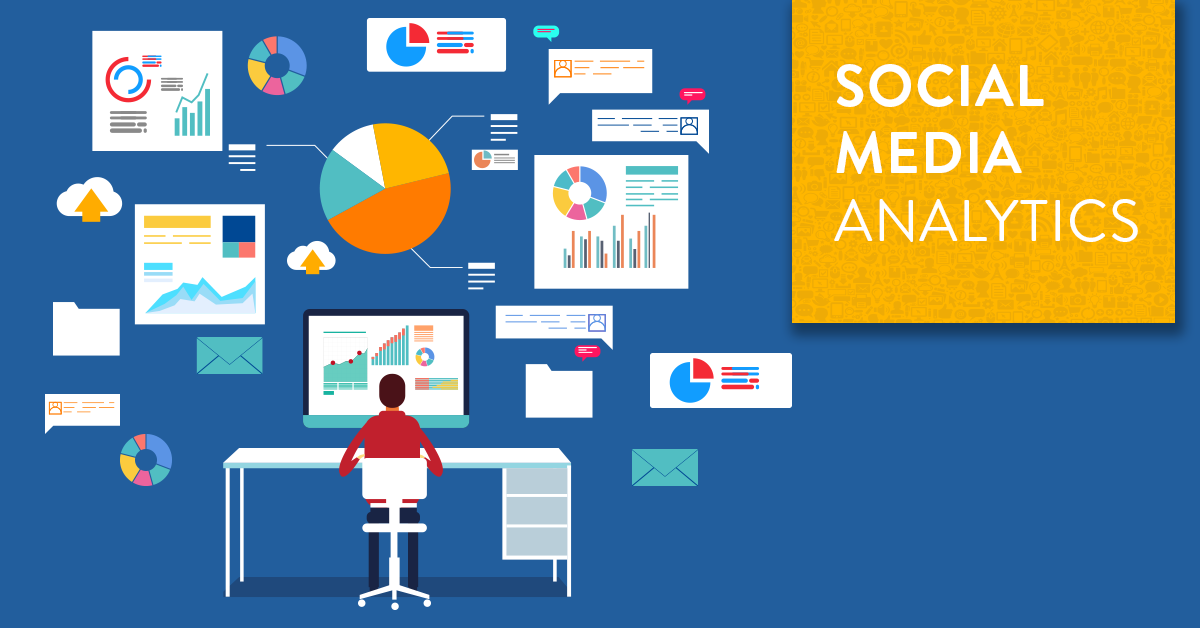
    In the ever-evolving landscape of digital marketing, social media analytics has emerged as a powerful tool for understanding, evaluating, and optimizing your brand’s performance across social platforms. By harnessing the wealth of data available through social media analytics tools, brands can gain invaluable insights into their audience, content strategy, and overall effectiveness of their social media efforts. In this guide, we’ll delve into the world of social media analytics, exploring its key features, benefits, and strategies for leveraging data-driven insights to drive success.

    Social Media Analytics

    Understanding Social Media Analytics:

    At its core, social media analytics refers to the process of gathering and analyzing data from social media platforms to inform decision-making and strategy development. From tracking key metrics such as engagement, reach, and impressions to monitoring sentiment, demographics, and content performance, social media analytics provides brands with a comprehensive view of their social media presence and impact. By understanding how users interact with your content and engage with your brand online, you can make informed decisions to optimize your strategy and achieve your marketing objectives.

    Key Metrics and KPIs:

    When it comes to social media analytics, there is no shortage of metrics to track. However, not all metrics are created equal, and it’s essential to focus on those that align with your business goals and objectives. Some key metrics to consider include:

    1. Engagement: Measures the level of interaction your content receives, including likes, comments, shares, and clicks.
    2. Reach: Indicates the number of unique users who have seen your content.
    3. Impressions: Represents the total number of times your content has been displayed on users’ screens.
    4. Click-Through Rate (CTR): Measures the percentage of users who click on a link or call-to-action within your content.
    5. Conversion Rate: Tracks the percentage of users who take a desired action, such as making a purchase or signing up for a newsletter.

    By tracking these and other relevant metrics, you can gain insights into the effectiveness of your social media efforts and identify areas for improvement.

    Tools and Platforms:

    A plethora of social media analytics tools and platforms are available to help brands gather, analyze, and visualize their social media data. From native platform analytics dashboards to third-party tools like Hootsuite, Sprout Social, and Google Analytics, these tools offer a range of features and capabilities to suit your needs. Whether you’re looking to track real-time performance, benchmark against competitors, or generate detailed reports for stakeholders, there’s a tool out there to help you make sense of your social media data.

    Sentiment Analysis and Brand Monitoring:

    In addition to tracking quantitative metrics, social media analytics can also provide valuable insights into qualitative factors such as sentiment and brand perception. Sentiment analysis tools can analyze social media mentions and conversations to determine whether they are positive, negative, or neutral, allowing brands to gauge public sentiment and identify potential PR crises or reputation management opportunities. By monitoring brand mentions and sentiment, you can stay ahead of the curve and proactively address any issues that may arise.

    Content Optimization and Strategy Development:

    Perhaps the most significant benefit of social media analytics is its ability to inform content optimization and strategy development. By analyzing which types of content resonate most with your audience, when they are most active, and which channels drive the most engagement, you can tailor your content strategy to maximize impact and ROI. Experiment with different content formats, posting schedules, and messaging strategies, and use social media analytics to track the results and iterate based on what works best for your brand.

    Influencer Identification and Partnership:

    Social media analytics can also be invaluable for identifying potential influencers and strategic partners for your brand. By analyzing influencers’ reach, engagement rates, and audience demographics, you can pinpoint those who align with your brand values and target market. Collaborating with influencers can help you reach new audiences, increase brand awareness, and drive engagement and conversions. Use social media analytics to track the performance of influencer partnerships and measure the impact on your brand’s objectives.

    Transforming Data into Actionable Insights

    Social media analytics can be a goldmine of valuable information, but it’s only useful if you translate data into actionable insights. Use your newfound knowledge to inform your social media strategy, create content that resonates with your audience, and ultimately drive business growth.

    So, the next time you feel overwhelmed by the sea of data in your social media analytics dashboard, take a deep breath and remember – this information is your key to unlocking social media success. With the right approach, you can transform social media analytics from a cryptic puzzle into a roadmap leading your brand to new heights. Now, go forth and conquer the world of social media analytics!