Category: Content Marketing

  • 13 Best Content Marketing Strategies for Small Businesses in 2025

    13 Best Content Marketing Strategies for Small Businesses in 2025

    13 Best Content Marketing Strategies for Small Businesses in 2025

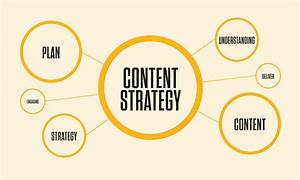
    In a digital-first world, content marketing remains one of the most effective tools for small businesses to attract customers, build trust, and generate leads. But the way content is consumed and ranked has changed significantly. In 2025, the focus is on quality, personalization, and consistency.

    If you’re running a small business, you don’t need a big budget to succeed—you need a smart content plan. Below are 13 proven content marketing strategies for small busi

    Content Marketing Strategies for Small Businesses in 2025
    Content marketing

    nesses that work right now.

    Why Content Marketing Is Essential for Small Businesses

    Content marketing allows businesses to:

    Build brand authority

    Educate and nurture potential customers

    Improve search engine visibility

    Generate organic leads

    Unlike paid advertising, content compounds over time—providing long-term results with consistent effort.

    1. Define a Clear Content Marketing Goal

    Start with your “why.” Know what you want your content to achieve:

    Generate leads

    Drive traffic

    Build brand trust

    Educate customers

    Align each piece of content with that goal.

    2. Identify and Understand Your Target Audience

    Know who you’re writing for. Create buyer personas that define your audience’s:

    Age, location, profession

    Pain points

    Preferred content format

    Common questions

    This helps you craft relevant and engaging content.

    3. Focus on Long-Tail SEO Keywords

    Targeting long-tail keywords gives you a better chance to rank in search results. Use tools like:

    Ubersuggest

    AnswerThePublic

    Google Keyword Planner

    Example: Instead of “marketing,” target “best content marketing strategies for small businesses in 2025.”

    4. Build a Content Calendar

    Consistency is critical. Plan a 30–60 day calendar that includes:

    Blog post titles and target keywords

    Social media posts

    Email campaigns

    Promotional plans

    Use tools like Trello, Notion, or Google Sheets to organize everything.

    5. Publish SEO-Optimized Blog Posts

    Create in-depth blog posts around relevant keywords. Each post should include:

    Keyword in title, URL, and meta

    H1, H2, and H3 headers

    Internal and external links

    Short paragraphs

    Images with alt text

    Use Rank Math SEO to optimize on WordPress.

    6. Repurpose Content into Multiple Formats

    Don’t let a single blog post live in isolation. Repurpose it into:

    Infographics

    YouTube videos

    Email newsletters

    Instagram carousels

    LinkedIn articles

    This increases reach across platforms.

    7. Use Storytelling to Connect

    Storytelling makes content more relatable. Share:

    Customer success stories

    Behind-the-scenes of your team

    Lessons from business challenges

    Stories build trust and emotional engagement.

    8. Create Evergreen Content

    Evergreen content continues to attract traffic over time. Examples include:

    “How to” guides

    FAQs

    Tutorials

    Tool comparisons

    Strategy explainers

    Update evergreen content yearly to keep it relevant.

    9. Collaborate with Influencers or Micro-Creators

    Partner with local influencers or industry experts. This expands your reach and lends credibility to your content.

    Tips:

    Host interviews

    Co-author guest posts

    Share content on each other’s platforms

    10. Offer Free Lead Magnets

    Lead magnets attract email subscribers. Offer value in exchange for contact details.

    Examples:

    Free PDF checklists

    Mini eBooks

    Templates

    Webinars

    Discounts

    Promote them through blog posts, pop-ups, and social media.

    11. Focus on Video Content

    Video is now prioritized across nearly all platforms. Use short-form video on:

    Instagram Reels

    YouTube Shorts

    TikTok

    LinkedIn videos

    Also embed video on your blog to improve dwell time and engagement.

    12. Share User-Generated Content

    Encourage happy customers to create content about your brand.

    Examples:

    Testimonials

    Product reviews

    Social media shoutouts

    Repost with permission and tag them—it creates trust with future buyers.

    13. Track and Optimize with Analytics

    Use tools like Google Analytics and Google Search Console to measure:

    Top-performing content

    Traffic sources

    Bounce rate

    Time on site

    Conclusion: Start Small, Scale Smart

    Content marketing doesn’t require a big team or budget. It requires the right strategy and commitment to consistency. These 13 content marketing strategies for small businesses are designed to work now—and in the future.

    Next Steps:

    Pick 3–4 strategies to start this week

    Build a 30-day content calendar

    Use Rank Math SEO for on-page optimization

    Measure, refine, and repeat

    The best time to invest in content marketing is today. The earlier you start, the faster you grow.


    Email Address: eddievo@ve-studios.com

  • Top 7 Corporate Video Marketing Trends to Transform Your Business in 2025

    Top 7 Corporate Video Marketing Trends to Transform Your Business in 2025

    Top 7 Corporate Video Marketing Trends to Transform Your Business in 2025

    Introduction

    Corporate Video Marketing Trends
    Modern woman watching video on tablet

    The digital landscape keeps evolving, and so do the ways businesses connect with their audiences. As we approach 2025, corporate video marketing trends 2025 are set to transform how brands communicate, engage, and convert. In this guide, we’ll explore the trends shaping the future, backed by strategies you can implement to stay ahead.

    Video marketing keeps evolving, but its impact is undeniable. From boosting conversions to enhancing brand recall, videos have become essential in every marketer’s toolkit. As we look to 2025, businesses must understand the newest trends to stay competitive.

     Trend 1 – AI-Enhanced Personalization

    AI now enables hyper-personalized videos tailored for user segments. Brands can dynamically insert viewer names, products, or offers, making content more engaging and relevant. Personalization can increase watch time and dramatically improve click-through rates.

     Trend 2 – Shoppable Videos

    2025 will see even more integration of e-commerce and video. Viewers can click directly on products within the video to purchase instantly. This trend shortens the buyer’s journey and improves ROI on video spend.

     Trend 3 – Silent Storytelling

    With 85% of social videos watched without sound, brands are prioritizing visuals, captions, and motion graphics to tell compelling stories silently. This makes content more accessible and engaging for mobile-first audiences.

     Trend 4 – Interactive & 360° Videos

    Immersive content keeps viewers engaged longer. Interactive videos let users choose story paths, while 360° videos transport them into the brand’s world. These formats drive higher engagement and shareability.

     Trend 5 – Short-Form Branded Videos

    As attention spans shrink, short videos (30–60 seconds) dominate social feeds. They’re ideal for teasers, product launches, or quick brand stories. Their snackable format makes them highly shareable.

     Trend 6 – Behind-the-Scenes (BTS) Content

    Authenticity matters more than polish. BTS content humanizes brands, fosters trust, and shows the people and process behind products. BTS reels, vlogs, and candid clips outperform overly scripted ads.

     Trend 7 – Sustainability & Purpose-Driven Storytelling

    Today’s audiences value brands with purpose. Videos that highlight CSR initiatives, green production practices, or community stories resonate deeply and differentiate brands in crowded markets.

     Putting Trends into Action

    Implementing these corporate video marketing trends 2025 requires strategy:

    • Regularly audit your content for relevance

    • Invest in creative formats like interactive and shoppable videos

    • Prioritize storytelling that aligns with your brand’s values

     Future-Proof with Strategic Video Content

    Explore external guides like Wistia’s Video Trends and HubSpot’s Video Marketing Guide to deepen your strategy.
    For professional support, consider working with agencies like VE Studios that specialize in modern corporate video production.

    Beyond 2025: Staying Agile in Video Marketing

    As the digital landscape keeps evolving, it’s essential not to treat these trends as a checklist but as part of a dynamic, living strategy. Brands must constantly review what’s working, what’s not, and what new opportunities emerge. For instance, as AI-generated video tools improve, you could explore automated video summaries or AI-assisted editing to boost efficiency without sacrificing quality.

    Additionally, brands should look beyond just social channels. Consider integrating video into your website’s landing pages, product demos, and customer onboarding. According to a recent report by Wyzowl, 89% of marketers say video gives them a good ROI, highlighting why it should be central to your digital marketing mix.

    Another overlooked tactic is encouraging user-generated video content. Inviting your customers to share authentic testimonials or product reviews can drive trust and engagement organically.

    In summary, while corporate video marketing trends 2025 give you a roadmap, real success comes from adapting these ideas to your brand voice, audience preferences, and analytics insights. Keep experimenting, stay flexible, and your video marketing will continue to resonate and deliver measurable results well into the future.

     Conclusion & Next Steps

    Video isn’t just content; it’s your brand’s voice in 2025. Embrace these trends now to engage audiences, boost ROI, and stay ahead.
    Ready to elevate your video strategy? Contact us today to future-proof your brand.

    Email Address: eddievo@ve-studios.com

  • VE Studios Video Marketing Tips: 7 Proven Strategies for 2025

    VE Studios Video Marketing Tips: 7 Proven Strategies for 2025

    VE  Studios Video Marketing Tips: 7 Proven Strategies for 2025

    Introduction
    In 2025, video remains the top-performing digital content. At VE Studios, we combine cinematic storytelling with marketing strategy to help brands connect deeply with audiences. Here are 7 proven VE Studios video marketing tips to elevate your brand presence and ROI this year.

     1. Start with Clear Goals

    VE Studios Video Marketing Tips
    letters of the alphabet with the word top tips.

    Every great video begins with purpose. Whether you aim to grow subscribers, boost sales, or share brand values—set measurable goals (e.g., watch-time, click-through rate).

    2. Know Your Audience

    Reference audience personas: what tone, length, and visuals resonate? VE Studios uses research and testing to align production styles with viewer behavior—from short-form social clips to brand documentaries.

     3. Cinematic Quality Matters

    Use professional lighting, audio, and editing. Our real estate and corporate videos consistently use cinematic framing and clear audio to keep viewers engaged .

     4. Keep it Authentic

    Brands connect emotionally through real stories. VE Studios’ event videos feature natural soundscapes and candid moments to boost viewer trust and shareability.

     5. Optimize for Each Platform

    Customize aspect ratios and CTAs for YouTube, LinkedIn, Instagram, and TikTok. VE Studios tailors each version to maximize engagement across platforms.

     6. Include Strong CTAs

    Videos should end with a direct action—whether it’s visiting your site, signing up, or booking a consultation. VE Studios includes branded end-cards and simple links for easy conversions in VE Studios Video Marketing Tips

     7. Analyze and Iterate

    Use metrics—view duration, comments, shares—to measure success. VE Studios reports on these to refine future content, ensuring each new video performs better than the last.

    VE Studios: Redefining Visual Storytelling in the Digital Era

    In the fast-evolving world of content creation, it has emerged as a trusted name in professional photography, videography, and digital storytelling. Whether you’re a brand, creator, or entrepreneur, VE Studios offers customized video production and post-processing services that help elevate your message and stand out online.

    What sets VE Studio apart is their blend of creativity and technology. From cinematic wedding shoots and product photography to compelling corporate videos, the team ensures every frame speaks your story. Their editing process uses advanced tools like Adobe Premiere Pro and DaVinci Resolve, ensuring high-quality output with polished transitions, crisp audio, and vivid visuals.

    For creators and marketers looking to grow their audience, VE Studios also provides video marketing support, helping tailor content for platforms like Instagram, YouTube, and LinkedIn. This not only increases reach but also improves engagement and conversion rates—crucial metrics in today’s digital marketing landscape.

    Looking for tutorials and resources? VE Studios shares valuable tips on framing, lighting, and storytelling on their blog and social platforms. You can check out their official website here:
    👉 VE Studios – Visualizing Expressions for the Digital Age

    As more consumers prefer visual content, investing in high-quality media is no longer optional—it’s essential. With VE Studios, you get a reliable creative partner who understands branding, design, and the psychology of visual impact.

    External Resources:

    Ready to level up your brand visuals? Connect with VE Studios and transform your ideas into striking digital content.

    Conclusion

    By following these  video marketing tips, you can create videos that not only look great but also drive real business results in 2025. Start by defining your goals, then focus on audience and quality.

    Call to Action:
    Ready to elevate your brand with professional video?
    👉 Visit VE Studios to book your free consultation: https://vestudios.com

    Email Address

    eddievo@ve-studios.com

  • Content Marketing in 2025: The Ultimate Guide to Winning Strategies

    Content Marketing in 2025: The Ultimate Guide to Winning Strategies

    As we navigate through 2025, content marketing continues to evolve at an unprecedented pace. With 81% of B2B marketers now leveraging generative AI and 90% of consumers preferring user-generated content, the landscape has transformed dramatically. This comprehensive guide explores the latest trends and strategies that will define content marketing success in 2025.

    The AI Revolution in Content Creation

    Leveraging Artificial Intelligence

    The integration of AI in content marketing has reached new heights, with high-performing teams being 2.5x more likely to have fully implemented AI solutions. Here’s how to maximize AI’s potential:

    • Content Generation and Optimization
      • Automated blog draft creation
      • SEO optimization in real-time
      • Personalized campaign development
      • Performance prediction analytics
    • Smart Content Distribution
      • AI-powered publishing schedules
      • Automated content optimization
      • Engagement prediction models
      • Personalized content delivery

    Interactive Content: The New Engagement Driver

    Creating Immersive Experiences

    Interactive content has become essential for capturing and maintaining audience attention. Key approaches include:

    • Interactive Formats
      • Dynamic quizzes and assessments
      • Interactive infographics
      • Personalized user journeys
      • Gamified content experiences
    • Engagement Metrics
      • Increased dwell time
      • Higher user participation
      • Enhanced data collection
      • Improved conversion rates

    The Evolution of Influencer Marketing

    Beyond Traditional Partnerships

    Influencer marketing has matured, with a focus on authentic connections:

    • Micro and Nano Influencers
      • Higher engagement rates
      • More authentic connections
      • Cost-effective partnerships
      • Niche market penetration
    • Collaborative Content Creation
      • Co-created content series
      • Joint live events
      • Shared storytelling initiatives
      • Community building activities

    Short-Form Content Dominance

    Mastering Brief But Impactful Content

    With 89% of consumers demanding more video content, short-form remains king:

    • Platform-Specific Strategies
      • TikTok optimization
      • Instagram Reels mastery
      • YouTube Shorts development
      • Cross-platform integration
    • Storytelling Techniques
      • 15-second narratives
      • Brand message integration
      • Emotional connection building
      • Call-to-action optimization

    Voice Search Optimization

    Adapting to Voice-First Search

    Voice search continues to reshape SEO strategies:

    • Optimization Techniques
      • Conversational keywords
      • Question-based content
      • Local SEO integration
      • Schema markup implementation

    Emerging Content Formats

    Embracing New Technologies

    Stay ahead with cutting-edge content formats:

    • Advanced Media
      • AR/VR experiences
      • Interactive podcasts
      • Immersive webinars
      • 3D content visualization

    Personalization Strategies

    Creating Tailored Experiences

    Personalization has become non-negotiable:

    • Implementation Approaches
      • Dynamic content delivery
      • Behavioral targeting
      • AI-driven recommendations
      • Custom user journeys

    ROI Optimization

    Measuring and Maximizing Returns

    With 45% of marketers lacking scalable content models, focus on:

    • Analytics and Performance
      • Clear goal setting
      • Performance tracking
      • Strategy optimization
      • Resource allocation

    User-Generated Content (UGC)

    Harnessing Community Power

    With 86% of consumers trusting UGC more:

    • UGC Strategies
      • Branded hashtag campaigns
      • Customer story features
      • Review integration
      • Community spotlights

    Staying Ahead in 2025

    Continuous Adaptation

    Success in content marketing requires:

    • Professional Development
      • Industry education
      • Trend monitoring
      • Skill enhancement
      • Network building
  • Effective Email Marketing Strategies for Media Services

    Effective Email Marketing Strategies for Media Services

    Effective Email Marketing Strategies for Media Services

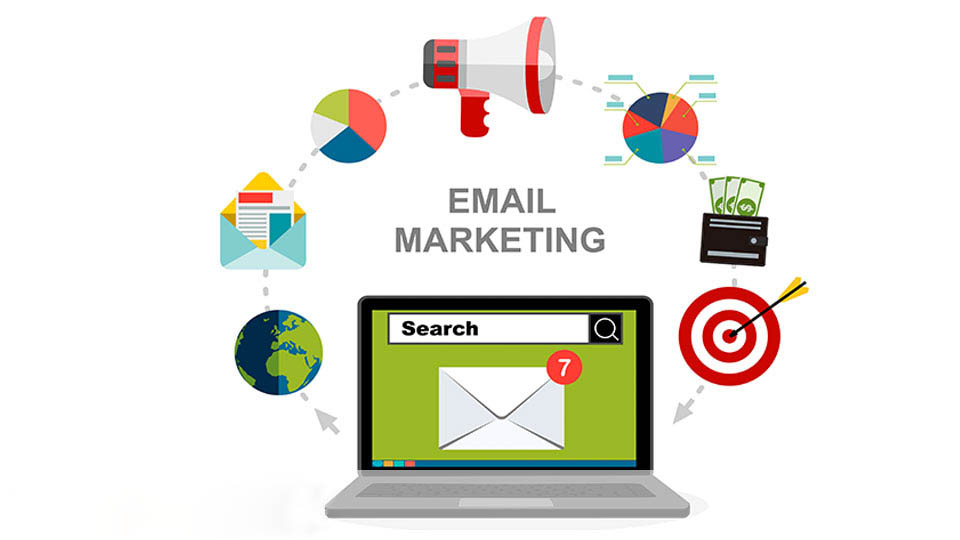
    Email marketing remains a cornerstone strategy for media services to engage audiences, promote content, and nurture relationships effectively. In today’s digital landscape, where personalized communication and targeted messaging are paramount, leveraging email marketing can significantly enhance brand visibility, drive conversions, and foster long-term customer loyalty. Here are strategic approaches and best practices to optimize your email marketing efforts for media services.

    Email Marketing

    1. Build a Quality Email List

    Start by building a permission-based email list comprising subscribers who have opted in to receive communications from your media service. Implement sign-up forms on your website, blog, and social media platforms to capture email addresses. Offer incentives such as exclusive content, discounts, or newsletters to encourage sign-ups. Ensure compliance with data protection regulations (e.g., GDPR, CCPA) by obtaining explicit consent and providing options for subscribers to manage their preferences.

    2. Segment Your Audience

    Segmentation is key to delivering relevant and personalized content to your email subscribers. Segment your audience based on demographics, interests, behavior, purchase history, or engagement level with your media services. Tailor email content and offers to each segment’s preferences and needs to increase engagement and conversion rates. Use email marketing automation tools to streamline segmentation and deliver targeted campaigns effectively.

    3. Craft Compelling Subject Lines and Content

    Capture subscribers’ attention with compelling subject lines that are concise, clear, and compelling. Use A/B testing to experiment with different subject lines, emojis, or personalization techniques to optimize open rates. Create valuable, informative, and engaging content that resonates with your audience. Share industry insights, expert opinions, behind-the-scenes stories, upcoming events, or exclusive previews to provide value and build anticipation.

    4. Design Responsive and Visual Emails

    Design visually appealing emails that are mobile-responsive and aligned with your brand’s visual identity. Use eye-catching graphics, videos, infographics, and clear calls-to-action (CTAs) to guide recipients towards desired actions. Ensure emails are easy to read, navigate, and load quickly across devices and email clients. Incorporate interactive elements such as polls, quizzes, or clickable content to enhance engagement and encourage interaction.

    5. Personalize Email Campaigns

    Personalization enhances the relevance and effectiveness of your email campaigns. Address subscribers by their first name, tailor content based on their preferences or previous interactions with your media services. Leverage dynamic content blocks and personalized recommendations based on user behavior or segmentation data. Personalized emails resonate better with recipients, increase open rates, and foster a sense of connection and loyalty.

    6. Implement Email Automation

    Utilize email automation to streamline workflows, deliver timely messages, and nurture leads through the customer journey. Set up automated welcome emails, onboarding sequences, personalized drip campaigns, or triggered emails based on subscriber actions (e.g., purchases, downloads, website visits). Automation helps maintain consistent communication, reduces manual effort, and ensures timely follow-ups to maximize engagement and conversions.

    7. Monitor Performance and Analyze Data

    Regularly monitor the performance of your email marketing campaigns using analytics tools and metrics such as open rates, click-through rates (CTR), conversion rates, bounce rates, and unsubscribe rates. Analyze audience engagement, content effectiveness, and campaign ROI to identify trends, strengths, and areas for improvement. Use insights to optimize future campaigns, adjust strategies, and refine content to better meet subscriber expectations and business goals.

    8. Integrate Email with Multi-channel Marketing

    Integrate email marketing with your overall multi-channel marketing strategy to amplify reach and engagement. Coordinate email campaigns with social media, content marketing, SEO, and paid advertising efforts to reinforce messaging and drive traffic across channels. Cross-promote content, events, and special offers to expand audience reach and maximize campaign impact. Consistent messaging across channels enhances brand recognition and strengthens your media service’s digital presence.

    9. Encourage User-generated Content and Feedback

    Engage subscribers by encouraging user-generated content (UGC), testimonials, reviews, or feedback. Showcase customer success stories, testimonials, or case studies in your emails to build social proof and credibility. Encourage recipients to share their experiences, participate in surveys, or provide feedback to foster community interaction and strengthen relationships. Use UGC to create authentic, relatable content that resonates with your audience and reinforces brand authenticity.

    10. Stay Compliant and Maintain Subscriber Trust

    Adhere to email marketing best practices and regulations to maintain subscriber trust and comply with legal requirements. Provide clear opt-in/opt-out options, honor unsubscribe requests promptly, and respect subscriber preferences regarding frequency and content preferences. Stay informed about data privacy laws (e.g., GDPR, CAN-SPAM Act) and implement robust data security measures to protect subscriber information and ensure compliance.

    By implementing these effective email marketing strategies tailored for media services, you can optimize engagement, build brand loyalty, and drive measurable results. Consistently deliver valuable content, leverage automation and personalization, and analyze performance metrics to refine your approach and achieve sustained success in reaching and converting your target audience through email campaigns.

  • Steps to Enhance Your Brand’s Reputation with Online PR

    Steps to Enhance Your Brand’s Reputation with Online PR

    Steps to Enhance Your Brand’s Reputation with Online PR

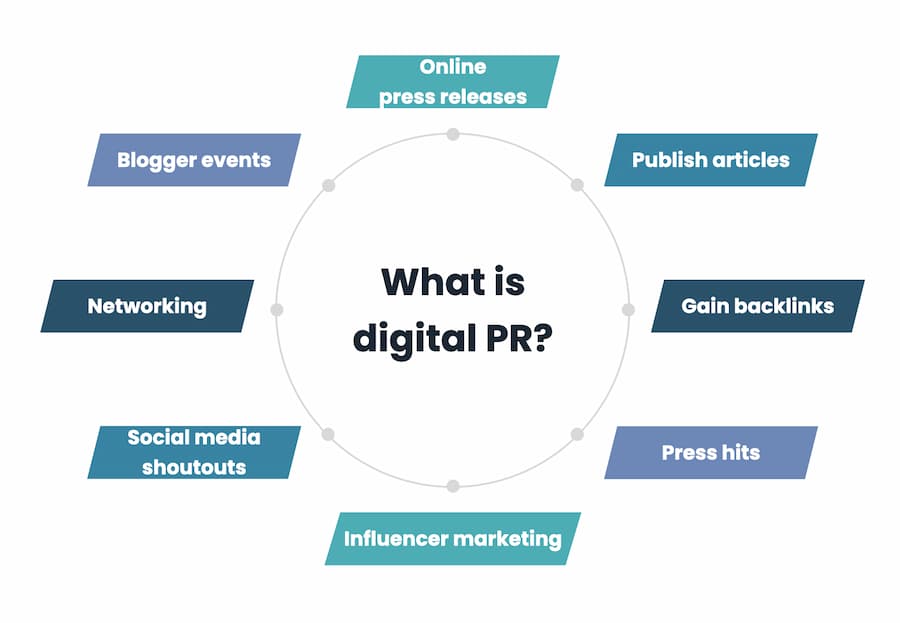
    In the digital age, managing your brand’s reputation through effective Online PR (Public Relations) strategies is crucial for fostering trust, building credibility, and maintaining a positive perception among your target audience. Online PR encompasses various tactics and approaches to influence public opinion and enhance brand visibility across digital channels. Here are strategic steps to elevate your brand’s reputation using Online PR effectively.

    Online PR

    1. Define Your Online PR Objectives

    Begin by defining clear objectives for your Online PR efforts. Determine what you aim to achieve, whether it’s increasing brand awareness, improving online reputation, managing crises, or positioning your brand as a thought leader in your industry. Establishing measurable goals allows you to align your PR strategies with overarching business objectives and track progress effectively.

    2. Conduct a Reputation Audit

    Before implementing Online PR strategies, conduct a comprehensive audit of your brand’s current online reputation. Monitor mentions, reviews, and sentiment across social media platforms, review sites, forums, and news outlets. Identify any existing issues, negative feedback, or misconceptions that may impact your brand’s reputation. This audit provides insights into areas needing improvement and informs your PR strategy moving forward.

    3. Develop Compelling Content and Messaging

    Craft compelling content and messaging that reinforces your brand’s key messages, values, and unique selling propositions (USPs). Create a content calendar outlining topics aligned with your brand narrative and industry trends. Publish thought leadership articles, case studies, press releases, and blog posts that showcase your expertise, achievements, and contributions to your industry. Consistent, high-quality content enhances credibility and establishes your brand as a trusted authority.

    4. Build Relationships with Media and Influencers

    Forge relationships with journalists, bloggers, industry influencers, and online personalities who cover topics relevant to your brand. Engage with them authentically by commenting on their posts, sharing their content, and offering insights or expert opinions. Pitch story ideas, press releases, or guest contributions that align with their audience interests and provide value. Cultivating these relationships can result in media coverage, guest appearances, and endorsements that enhance your brand’s visibility and reputation.

    5. Monitor and Manage Online Conversations

    Monitor online conversations about your brand in real-time using social media monitoring tools and Google Alerts. Respond promptly to comments, mentions, and reviews, whether positive or negative. Address customer inquiries, acknowledge feedback, and resolve issues transparently and professionally. Managing online conversations demonstrates responsiveness, accountability, and a commitment to customer satisfaction, positively impacting your brand’s reputation.

    6. Leverage Social Media for Engagement

    Utilize social media platforms strategically to amplify your Online PR efforts. Share compelling content, updates, and announcements across LinkedIn, Twitter, Facebook, Instagram, and relevant industry forums. Engage with followers, participate in discussions, and leverage hashtags to extend your reach and foster community interaction. Encourage user-generated content (UGC), testimonials, and reviews that showcase positive experiences with your brand, enhancing social proof and credibility.

    7. Monitor and Respond to Crisis Situations

    Anticipate and prepare for potential crises by establishing a crisis communication plan as part of your Online PR strategy. Monitor industry trends, public sentiment, and emerging issues that may impact your brand reputation. Act swiftly and decisively during crises, providing transparent communication, addressing concerns, and offering solutions proactively. Maintaining open lines of communication and demonstrating empathy can mitigate reputational damage and preserve trust among stakeholders.

    8. Measure and Analyze PR Campaign Performance

    Implement metrics to measure the effectiveness of your Online PR campaigns and initiatives. Track key performance indicators (KPIs) such as media mentions, website traffic, social media engagement, sentiment analysis, and brand sentiment scores. Analyze data to assess the impact of PR efforts on brand perception, audience reach, and conversion rates. Use insights to refine strategies, optimize content performance, and allocate resources effectively for future campaigns.

    9. Embrace Thought Leadership and Industry Participation

    Position your brand as a thought leader by actively participating in industry events, webinars, podcasts, and speaking engagements. Share insights, research findings, and innovations that contribute to industry knowledge and conversations. Engage with industry associations, professional networks, and online communities to showcase your expertise, build credibility, and foster relationships with peers and stakeholders.

    10. Adapt and Evolve Your Online PR Strategies

    Stay agile and adaptive in your Online PR approach to respond to evolving industry trends, consumer preferences, and digital landscape changes. Continuously evaluate feedback, monitor competitors’ PR activities, and explore emerging platforms or technologies to stay ahead of the curve. Adapt your strategies based on data-driven insights, audience feedback, and market dynamics to maintain a positive brand reputation and drive sustained growth.

    By implementing these strategic steps, brands can enhance their reputation through effective Online PR initiatives that build credibility, foster positive relationships, and differentiate themselves in competitive markets. Leveraging digital channels, compelling content, proactive engagement, and strategic partnerships enables brands to shape public perception, amplify brand visibility, and achieve long-term success in the digital era.

  • How to Build a Strong Online Community Through Social Media

    How to Build a Strong Online Community Through Social Media

    How to Build a Strong Online Community Through Social Media

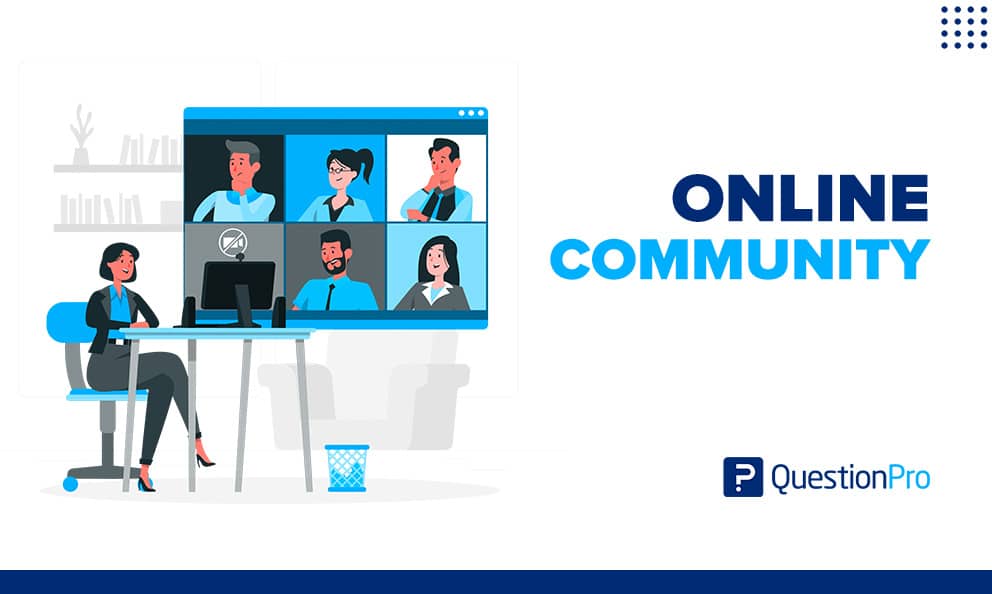
    Building a strong online community through social media is not just about accumulating followers; it’s about fostering meaningful connections, nurturing relationships, and creating a supportive environment where members feel valued and engaged. An online community can be a powerful asset for brands, influencers, and organizations seeking to cultivate loyalty, drive advocacy, and amplify their brand presence. Here’s a comprehensive guide on how to effectively build and grow an online community through strategic use of social media.

    Online Community

    . Define Your Community Purpose and Values

    Before diving into community building, clarify your objectives, purpose, and core values. Define the common interests, goals, or challenges that unite your target audience. Are you aiming to provide industry insights, offer support, facilitate networking, or encourage creative expression? Establishing a clear mission statement and community guidelines sets expectations and aligns member interactions with your brand’s ethos.

    2. Choose the Right Social Media Platforms

    Select social media platforms that align with your target audience demographics, content preferences, and engagement behaviors. Different platforms cater to varying types of content and communication styles. For instance, LinkedIn may be ideal for professional networking and industry discussions, while Instagram or TikTok may be suitable for visual storytelling and community engagement through hashtags and user-generated content (UGC).

    3. Create Compelling Content and Conversations

    Engage your community members with valuable, relevant, and engaging content that sparks conversations and encourages participation. Share industry insights, tips, tutorials, and behind-the-scenes glimpses that resonate with your audience’s interests. Use polls, Q&A sessions, and live streams to solicit feedback, address questions, and foster two-way communication. Encourage UGC by inviting members to share their experiences, opinions, and success stories related to your brand or community topics.

    4. Foster Genuine Connections and Relationships

    Building a strong online community hinges on fostering genuine connections and cultivating relationships among members. Encourage interaction by responding promptly to comments, messages, and inquiries. Acknowledge and celebrate member milestones, achievements, and contributions. Host virtual meetups, webinars, or offline events to facilitate face-to-face interactions and strengthen interpersonal bonds within the community.

    5. Implement Community Engagement Strategies

    Implement engagement strategies to keep your community active and invested. Pose thought-provoking questions, initiate themed discussions or challenges, and organize contests or giveaways to incentivize participation. Recognize top contributors or brand advocates with shout-outs, badges, or exclusive perks to incentivize continued engagement and foster a sense of belonging.

    6. Moderation and Community Management

    Establish clear moderation guidelines and appoint community managers or moderators to maintain a positive and respectful environment. Monitor discussions, address conflicts or misinformation promptly, and enforce community guidelines consistently. Encourage constructive feedback and facilitate open dialogue while ensuring that all members feel safe and valued within the community.

    7. Encourage Collaboration and Co-creation

    Empower your community members to collaborate, co-create, and contribute to the community’s growth and development. Invite members to share their expertise through guest posts, webinars, or collaborative projects. Seek input on future content ideas, feature updates, or community initiatives to foster a sense of ownership and inclusivity.

    8. Leverage Analytics to Measure Engagement

    Utilize social media analytics tools to track engagement metrics such as likes, comments, shares, and mentions. Analyze audience demographics, content performance, and engagement trends to optimize your community-building efforts. Identify popular topics, content formats, and peak engagement times to refine your content strategy and enhance member engagement.

    9. Promote Transparency and Authenticity

    Build trust and credibility within your online community by promoting transparency and authenticity. Be honest about your brand values, initiatives, and challenges. Share behind-the-scenes stories, organizational updates, or customer testimonials to humanize your brand and foster deeper connections with community members. Transparency builds loyalty and encourages advocacy among your community.

    10. Evolve and Adapt Based on Feedback

    Continuously solicit feedback from community members and adapt your strategies based on their input and evolving needs. Conduct surveys, polls, or focus groups to gather insights into member preferences, pain points, and areas for improvement. Stay agile and responsive to feedback to ensure your community remains relevant, engaging, and valuable to its members over time.

    Building a strong online community through social media requires dedication, authenticity, and a strategic approach to nurturing relationships and fostering engagement. By defining clear objectives, creating compelling content, fostering genuine connections, and leveraging analytics to measure success, brands and organizations can cultivate thriving communities that drive brand loyalty, advocacy, and sustained growth in the digital landscape.

  • Leveraging Data Analytics for Better Media Buying Decisions

    Leveraging Data Analytics for Better Media Buying Decisions

    Leveraging Data Analytics for Better Media Buying Decisions

    In today’s digital age, data analytics has revolutionized the way businesses make informed decisions across various sectors, including media buying. By harnessing the power of data analytics, marketers can optimize their media buying strategies, enhance targeting precision, and maximize return on investment (ROI). This article explores how data analytics drives better media buying decisions, empowering marketers to navigate the complexities of digital advertising effectively.

    Data Analytics

    1. Understanding Data Analytics in Media Buying

    Data analytics in media buying refers to the process of collecting, analyzing, and interpreting data to glean valuable insights that inform advertising strategies. It involves leveraging data from multiple sources, including customer demographics, behavioral patterns, market trends, and campaign performance metrics. By applying advanced analytics techniques such as predictive modeling, machine learning, and AI algorithms, marketers gain actionable insights to optimize ad placements, audience targeting, and budget allocation.

    2. Audience Segmentation and Targeting

    One of the primary benefits of data analytics in media buying is its ability to segment audiences based on detailed demographic, psychographic, and behavioral data. Marketers can create precise audience profiles and personas to target ads more effectively. By analyzing historical data and customer interactions, data analytics identifies high-value segments likely to convert, allowing marketers to tailor messaging and ad creatives that resonate with specific audience segments.

    3. Performance Optimization through Data-driven Insights

    Data analytics enables continuous performance optimization by monitoring and analyzing key performance indicators (KPIs) in real-time. Marketers can track metrics such as click-through rates (CTR), conversion rates, cost per acquisition (CPA), and return on ad spend (ROAS) to evaluate campaign effectiveness. By identifying underperforming ads or channels early, marketers can allocate budgets strategically, adjust bidding strategies, and optimize creatives to maximize ROI and achieve campaign objectives.

    4. Predictive Modeling for Strategic Planning

    Predictive analytics plays a crucial role in media buying by forecasting future trends and outcomes based on historical data patterns. Marketers can use predictive modeling to anticipate consumer behavior, demand fluctuations, and market trends, enabling proactive decision-making in media planning and budget forecasting. By leveraging predictive insights, marketers can preemptively adjust strategies, capitalize on emerging opportunities, and mitigate risks in dynamic advertising landscapes.

    5. Cross-channel Integration and Attribution

    Data analytics facilitates cross-channel integration by consolidating data from various advertising platforms and touchpoints into a unified view. Integrated analytics platforms enable marketers to measure cross-channel attribution and determine the impact of each marketing touchpoint on the customer journey. By understanding how different channels influence conversions and engagement, marketers can optimize multi-channel campaigns, allocate budgets effectively across platforms, and orchestrate cohesive omnichannel experiences.

    6. Real-time Decision Making and Adaptability

    Real-time data analytics empowers marketers to make agile, data-driven decisions in response to evolving market conditions and consumer behavior. Advanced analytics tools provide insights into campaign performance as it unfolds, allowing marketers to adjust strategies, reallocate budgets, or pivot messaging in real-time. This agility is crucial for staying competitive in fast-paced digital environments and capitalizing on fleeting opportunities for maximum impact.

    7. Enhanced Personalization and Customer Insights

    Data-driven media buying enables personalized marketing experiences tailored to individual preferences and behaviors. By analyzing customer data and engagement metrics, marketers can deliver personalized ads, recommendations, and offers that resonate with each customer segment. Personalization fosters stronger customer relationships, increases engagement rates, and drives higher conversion rates by delivering relevant content at the right time through the preferred channels.

    8. Transparency and Accountability

    Data analytics promotes transparency and accountability in media buying by providing clear visibility into advertising performance and expenditure. Marketers can track ad spend, measure ROI accurately, and demonstrate campaign effectiveness with stakeholders. Transparent reporting and analytics foster trust between brands, agencies, and clients, enabling collaborative decision-making and strategic alignment towards shared business goals.

    9. Compliance with Data Privacy Regulations

    Adhering to data privacy regulations such as GDPR and CCPA is essential in data analytics-driven media buying. Marketers must ensure compliance by obtaining consent for data collection, storage, and usage from consumers. Implementing robust data governance practices and anonymizing personal information protects customer privacy while leveraging data analytics to drive marketing effectiveness responsibly.

    10. Continuous Learning and Optimization

    Data analytics in media buying is an iterative process that requires continuous learning and optimization. Marketers should conduct regular performance reviews, A/B testing, and experimentation to refine targeting strategies, improve ad creatives, and enhance campaign outcomes. By leveraging data-driven insights to iterate and innovate, marketers can stay ahead of competitors, adapt to changing market dynamics, and achieve sustained growth in digital advertising efforts.

    In conclusion, data analytics empowers marketers to make informed, strategic decisions in media buying by leveraging actionable insights derived from comprehensive data analysis. By integrating data analytics into advertising strategies, marketers can enhance audience targeting precision, optimize campaign performance, and drive measurable business outcomes effectively in an increasingly competitive digital landscape.

  • The Future of Podcasting in Digital Marketing

    The Future of Podcasting in Digital Marketing

    The Future of Podcasting in Digital Marketing

    Podcasting has emerged as a powerful medium in the realm of digital marketing, offering brands and creators a unique way to connect with audiences through audio storytelling. As technology continues to evolve and consumer preferences shift towards on-demand content consumption, podcasting is poised to play an increasingly significant role in digital marketing strategies. Let’s explore the trends and opportunities shaping the future of podcasting in digital marketing.

    Podcasting

    1. Growing Popularity and Audience Reach

    Podcasting has experienced exponential growth in recent years, with millions of listeners tuning in to podcasts on various topics ranging from business and marketing to entertainment and personal development. The accessibility of podcasts through mobile devices and streaming platforms has expanded audience reach globally, enabling brands to engage with niche audiences and build communities around specific interests or industries.

    2. Diversification of Content and Formats

    The diversity of podcast content and formats continues to expand, catering to diverse listener preferences and consumption habits. Podcasts range from interview-style shows featuring industry experts and thought leaders to narrative storytelling, educational content, news updates, and branded podcasts produced by businesses. The versatility of podcasting allows brands to experiment with different formats to resonate with their target audience and convey their brand message authentically.

    3. Integration with Influencer and Content Marketing

    Podcasting presents opportunities for brands to collaborate with influencers and industry experts as guest hosts or interviewees, amplifying reach and credibility within niche communities. Influencer-hosted podcasts leverage the host’s established audience and influence to endorse products or services seamlessly. Additionally, brands can repurpose podcast episodes into blog posts, social media snippets, or video content to extend the reach and engagement across multiple channels.

    4. Monetization and Revenue Streams

    The monetization potential of podcasts has expanded with the introduction of advertising, sponsorships, subscriptions, and listener donations. Brands can leverage podcast advertising to reach highly engaged audiences through host-read ads or pre-roll/post-roll placements. Sponsorship opportunities allow brands to align with relevant podcast content and target listeners with affinity for specific industries or interests. Subscription models and premium content offerings provide additional revenue streams for podcast creators and brands alike.

    5. Enhanced Analytics and Measurement Tools

    Advancements in podcast analytics and measurement tools have improved the ability to track listener demographics, engagement metrics, and audience behavior. Platforms and hosting services offer insights into listener retention, episode downloads, geographic distribution, and listener feedback, empowering brands to make data-driven decisions and optimize content strategies. Enhanced analytics enable brands to refine targeting, personalize content, and measure the effectiveness of podcast marketing campaigns accurately.

    6. Voice Search Optimization and Discoverability

    As voice-activated devices and virtual assistants like Siri, Alexa, and Google Assistant become mainstream, optimizing podcasts for voice search is essential for increasing discoverability. Incorporating relevant keywords, episode titles, and descriptions that align with common voice search queries enhances podcast visibility and attracts new listeners searching for specific topics or genres. Voice search optimization improves podcast ranking in search engine results and increases organic traffic to episodes.

    7. Integration with Social Media and Cross-promotion

    Social media platforms serve as powerful channels for promoting podcasts, engaging with listeners, and driving traffic to episodes. Podcasters leverage social media to share episode highlights, behind-the-scenes content, guest announcements, and listener testimonials. Cross-promotion with influencers, collaborators, and industry partners amplifies podcast reach and fosters community engagement across multiple platforms. Integrating podcasts into comprehensive content marketing strategies enhances brand visibility and establishes thought leadership within target audiences.

    8. Innovations in Content Delivery and Interactive Experiences

    Technological innovations such as interactive audio ads, dynamic content insertion, and personalized recommendations are transforming podcasting into a more interactive and personalized medium. Dynamic ad insertion allows brands to deliver targeted ads based on listener preferences and behavior, optimizing ad relevance and engagement. Interactive experiences, such as clickable links within episodes or interactive storytelling formats, enhance listener engagement and provide opportunities for immersive brand experiences.

    9. Educational and Thought Leadership Opportunities

    Podcasting serves as a platform for thought leadership, knowledge sharing, and educational content creation within niche industries. Brands can position themselves as industry leaders by producing podcasts that provide valuable insights, trends, and expert opinions on relevant topics. Educational podcasts attract listeners seeking actionable advice, industry updates, and professional development opportunities, establishing trust and authority within specialized communities.

    10. Continued Evolution and Adaptation

    As podcasting continues to evolve, adaptability and innovation will be key to staying ahead in the digital marketing landscape. Embracing emerging technologies, audience preferences, and content trends enables brands to leverage podcasting as a strategic tool for audience engagement, brand storytelling, and driving business growth. By staying informed about the latest podcasting trends and integrating podcasts into holistic marketing strategies, brands can harness the full potential of this dynamic medium to achieve marketing objectives effectively.

    Podcasting represents a compelling opportunity for brands to connect authentically with audiences, foster community engagement, and drive meaningful interactions through immersive audio storytelling. By embracing the future trends shaping podcasting in digital marketing, brands can leverage this powerful medium to cultivate brand loyalty, expand market reach, and differentiate themselves in a competitive digital landscape.

  • Creating Engaging Visual Content for Social Media

    Creating Engaging Visual Content for Social Media

    Creating Engaging Visual Content for Social Media

    Visual content plays a pivotal role in capturing audience attention, conveying brand messages, and driving engagement on social media platforms. In today’s digital age, where users scroll through endless feeds, compelling visuals can make your content stand out and resonate with your target audience. Whether you’re a business promoting products, a blogger sharing insights, or an influencer building a personal brand, mastering the art of creating engaging visual content is essential for achieving social media success. Here are key strategies to create visually appealing content that captivates and connects with your audience effectively.

    Visual Content

    1. Understand Your Audience and Platform

    Before creating visual content, it’s crucial to understand your target audience’s preferences, behaviors, and demographics. Research which social media platforms your audience frequents the most and tailor your visual content to align with each platform’s best practices and image dimensions. For instance, Instagram favors high-resolution square images and vertical IGTV videos, while Twitter thrives on concise, eye-catching graphics and GIFs.

    2. Tell Stories with Visuals

    Effective visual content tells a story that resonates with your audience’s emotions and aspirations. Whether through photos, infographics, or videos, use visuals to convey a narrative that aligns with your brand values and messaging. Incorporate storytelling elements such as compelling visuals, captions, and hashtags to evoke curiosity, spark conversation, and encourage audience interaction.

    3. Focus on Visual Consistency and Branding

    Maintain visual consistency across your social media profiles to strengthen brand identity and recognition. Use consistent color palettes, fonts, and design elements that reflect your brand’s personality and values. Incorporate your logo or watermark subtly into visuals to reinforce brand association. Consistent branding enhances credibility and helps users easily recognize your content amidst a crowded digital landscape.

    4. Choose the Right Visual Content Formats

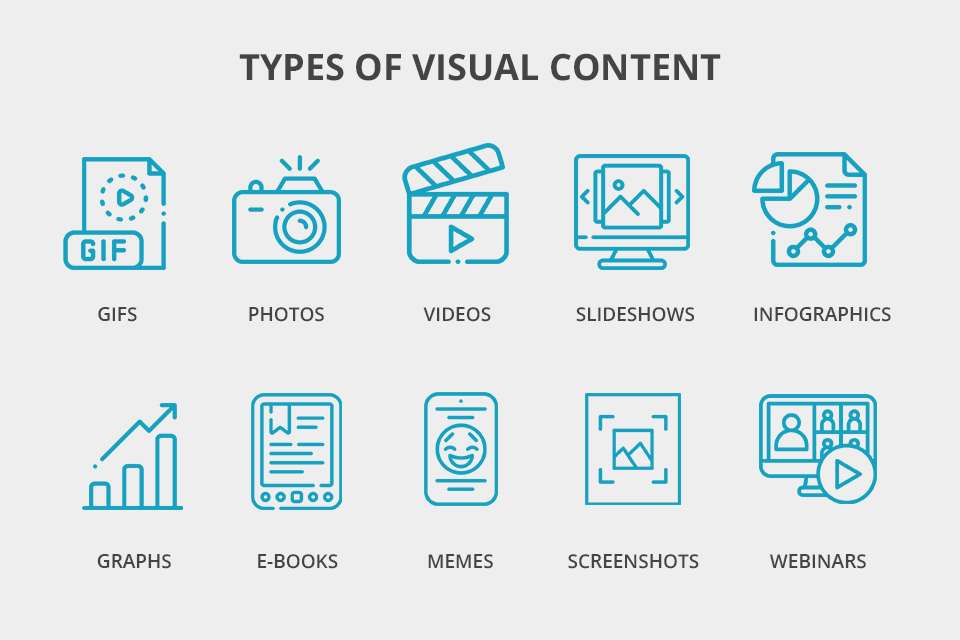
    Experiment with a variety of visual content formats to keep your audience engaged and interested. Depending on your goals and audience preferences, create a mix of images, videos, GIFs, infographics, and carousel posts. Videos, particularly short-form and live videos, tend to garner higher engagement rates and foster deeper connections with viewers. Adapt content formats to each platform’s strengths and audience behavior for optimal impact.

    5. Optimize for Mobile Viewing

    Given the prevalence of mobile usage, ensure your visual content is optimized for mobile viewing. Use high-resolution images and videos that load quickly and display clearly on mobile devices. Prioritize vertical and square formats for social media posts, as they occupy more screen space and are better suited for mobile scrolling. Test your visuals across different devices and screen sizes to ensure a seamless user experience.

    6. Incorporate User-generated Content (UGC)

    Harness the power of user-generated content to enrich your visual strategy and foster community engagement. Encourage followers to share photos or videos featuring your products or brand experiences. Repurpose UGC in your social media posts to showcase authentic customer testimonials and build social proof. User-generated visuals resonate with audiences by showcasing real-life applications and experiences of your brand.

    7. Utilize Captivating Visual Elements

    Capture attention with visually striking elements such as bold colors, contrasting backgrounds, and eye-catching typography. Use visual hierarchy to guide viewers’ attention towards key messages or calls-to-action within your visuals. Incorporate graphic overlays, icons, or illustrations to convey complex information in a visually appealing and digestible format. Experiment with creative techniques to make your visuals memorable and shareable.

    8. Implement Interactive Visuals

    Increase engagement by incorporating interactive elements into your visual content. Polls, quizzes, and interactive infographics encourage audience participation and provide valuable insights into preferences and opinions. Leverage features like Instagram Stories polls, interactive stickers, or Facebook live reactions to foster two-way communication and deepen connections with your audience.

    9. Monitor Performance and Optimize

    Regularly monitor the performance of your visual content using analytics tools provided by social media platforms. Track metrics such as likes, comments, shares, click-through rates (CTR), and video views to gauge audience engagement and content effectiveness. Analyze which types of visuals resonate most with your audience and optimize future content based on performance insights. Adjust your visual strategy, content formats, and posting times to maximize reach and impact.

    10. Stay Creative and Experiment

    Continuously innovate and experiment with new visual trends, content formats, and storytelling techniques to keep your audience engaged and inspired. Stay updated with emerging visual trends, such as augmented reality (AR) filters, motion graphics, and 3D visuals, to stay ahead of the competition and captivate audience interest. Embrace creativity in your visual content strategy to differentiate your brand and leave a lasting impression on your audience.

    By implementing these strategies, brands and content creators can create visually compelling content that resonates with audiences, enhances brand visibility, and drives meaningful engagement on social media platforms. Embrace the power of visuals to tell compelling stories, evoke emotions, and forge deeper connections with your audience in today’s visually-driven digital landscape.