Tag: Personalization

  • The Role of AI in Personalizing Digital Media Campaigns

    The Role of AI in Personalizing Digital Media Campaigns

    The Role of AI in Personalizing Digital Media Campaigns

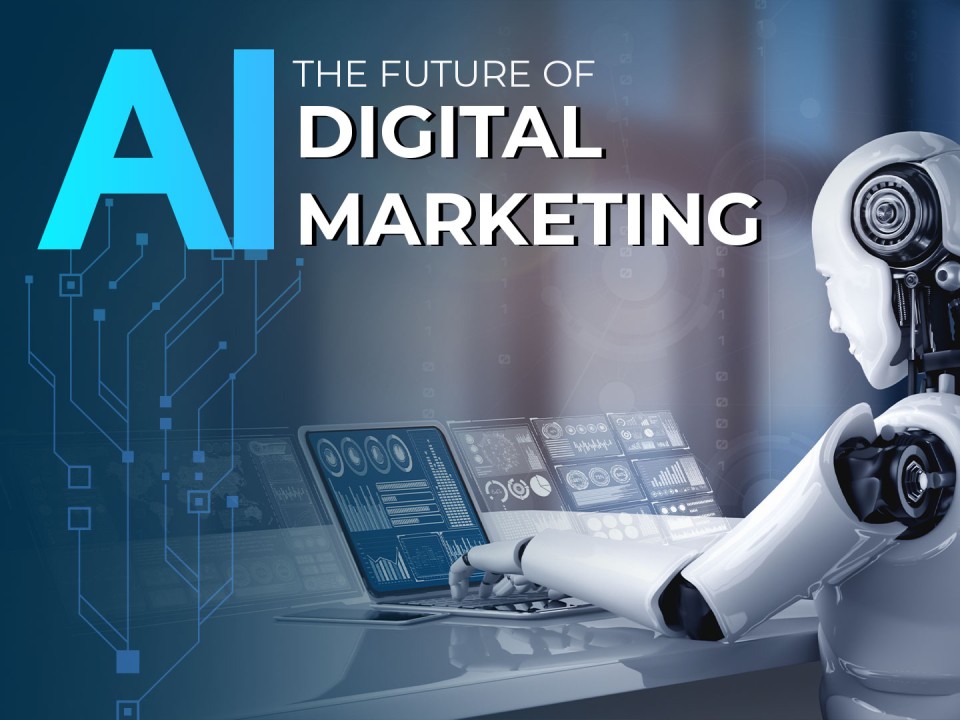
    Artificial Intelligence (AI) is revolutionizing digital marketing by enabling brands to personalize their campaigns with unprecedented precision and efficiency. In today’s competitive landscape, delivering relevant content to the right audience at the right time is paramount for success. AI-powered technologies, ranging from machine learning algorithms to predictive analytics, empower marketers to analyze vast amounts of data and derive actionable insights that drive personalized digital media campaigns. Let’s explore how AI is reshaping digital marketing strategies and enhancing customer experiences across various channels.

    AI

    1. Data-driven Insights and Audience Segmentation

    AI algorithms excel at analyzing large datasets to uncover patterns and behaviors that human analysis might overlook. By leveraging AI, marketers can segment their audience based on demographics, interests, behaviors, and purchase history with granular detail. This segmentation allows for hyper-targeted messaging and personalized content delivery, increasing the relevance of marketing campaigns and improving engagement rates.

    2. Predictive Analytics for Anticipating Customer Behavior

    Predictive analytics powered by AI enables marketers to anticipate customer behavior and preferences accurately. By analyzing historical data and identifying trends, AI algorithms can predict future actions such as purchases, clicks, or content consumption patterns. This foresight enables marketers to proactively tailor their campaigns to meet the needs of their audience, ultimately improving conversion rates and ROI.

    3. Dynamic Content Optimization

    AI plays a pivotal role in optimizing content in real-time based on user interactions and preferences. Through A/B testing and multivariate testing, AI algorithms can automatically identify which variations of content, images, or CTAs resonate best with different audience segments. This iterative process of optimization ensures that digital media campaigns are continually refined for maximum effectiveness and engagement.

    4. Personalized Recommendations and Retargeting

    AI-powered recommendation engines analyze user behavior and preferences to deliver personalized recommendations in real-time. Whether on e-commerce websites, streaming platforms, or social media, AI algorithms suggest products, content, or services that align with individual interests and past interactions. Furthermore, AI-driven retargeting campaigns re-engage users who have shown interest but haven’t completed a desired action, such as making a purchase or signing up for a newsletter.

    5. Natural Language Processing (NLP) for Enhanced Customer Interaction

    Natural Language Processing, a subset of AI, enables brands to enhance customer interaction through chatbots, virtual assistants, and sentiment analysis. AI-powered chatbots can provide instant responses to customer queries, offer personalized recommendations, and facilitate seamless customer service experiences round the clock. Sentiment analysis helps brands gauge customer sentiment on social media and adjust marketing strategies accordingly.

    6. Campaign Optimization and Budget Allocation

    AI automates the process of campaign optimization and budget allocation based on performance data. Machine learning algorithms analyze campaign metrics in real-time and make adjustments to bidding strategies, ad placements, and targeting parameters to maximize ROI. This dynamic optimization ensures that marketing budgets are allocated efficiently to channels and campaigns that yield the highest returns.

    7. Enhanced Ad Targeting and Personalization

    AI enhances ad targeting by analyzing user behavior across devices and channels to deliver relevant ads in the right context. By leveraging data from browsing history, social interactions, and purchase intent signals, AI algorithms ensure that ads are served to individuals most likely to convert. This precision targeting minimizes ad spend wastage and increases the likelihood of driving meaningful actions from the target audience.

    8. Cross-channel Integration and Unified Customer Experience

    AI facilitates cross-channel integration by unifying customer data from various touchpoints into a centralized platform. This holistic view enables marketers to orchestrate seamless, omnichannel marketing campaigns that deliver consistent messaging and personalized experiences across websites, social media, email, and mobile apps. AI-driven insights help maintain brand coherence while adapting content for different platforms and devices.

    9. Real-time Performance Monitoring and Optimization

    Real-time analytics provided by AI enable marketers to monitor campaign performance metrics instantly and make data-driven decisions on the fly. By identifying underperforming campaigns or high-performing segments, marketers can pivot strategies in real-time to capitalize on opportunities or mitigate challenges. This agility ensures that marketing efforts remain responsive to changing market dynamics and consumer behaviors.

    10. Ethical Considerations and Transparency

    As AI continues to shape digital marketing strategies, ethical considerations such as data privacy, algorithmic bias, and transparency in AI-driven decisions are paramount. Marketers must prioritize consumer trust by implementing ethical AI practices, ensuring informed consent for data usage, and maintaining transparency in how AI influences campaign strategies and customer interactions.

    In conclusion, AI is transforming digital media campaigns by enabling marketers to personalize content, predict consumer behavior, optimize campaigns, and deliver seamless customer experiences across multiple channels. By harnessing the power of AI-driven insights and technologies, brands can stay ahead in a competitive landscape, foster deeper connections with their audience, and drive sustainable business growth through personalized digital marketing strategies.

  • Exploring the Future of AI in Digital Advertising

    Exploring the Future of AI in Digital Advertising

    Exploring the Future of AI in Digital Advertising

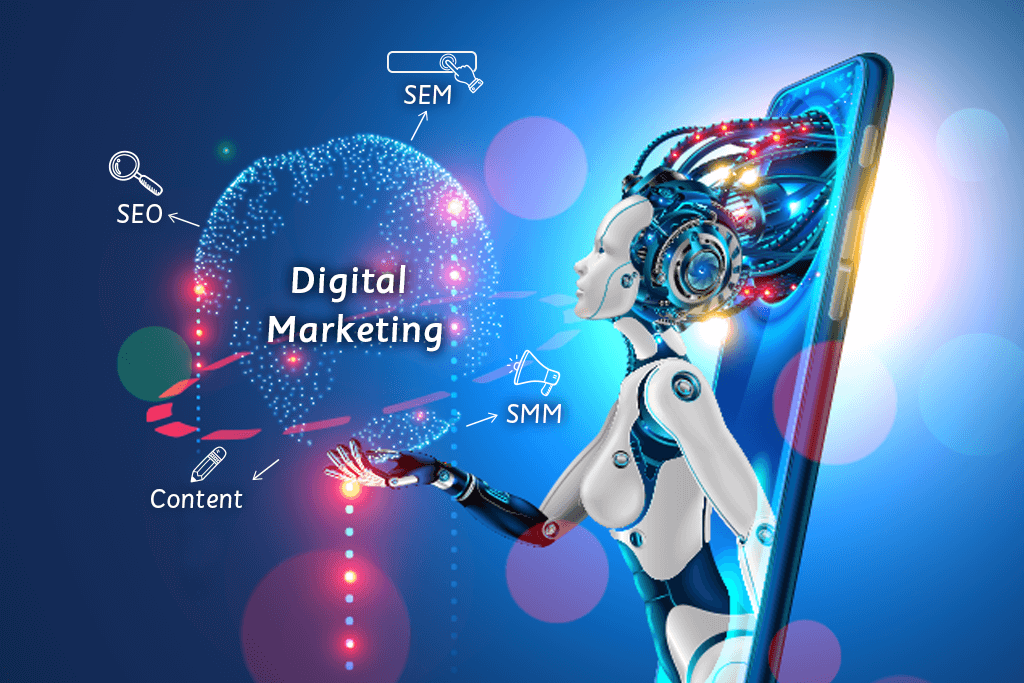
    In the fast-paced world of digital advertising, staying ahead of the curve is crucial for success. As technology continues to evolve, one innovation that is revolutionizing the advertising landscape is artificial intelligence (AI). From optimizing ad targeting to personalizing content delivery, AI is transforming the way advertisers reach and engage with their audiences. In this article, we explore the exciting possibilities and future trends of AI in digital advertising.

    Exploring the Future of AI in Digital Advertising: A Glimpse into a Transformative Landscape

    The digital advertising landscape is on the cusp of a revolution, and at the forefront of this change is artificial intelligence (AI). AI is poised to transform the way we target, personalize, and measure advertising campaigns, ushering in an era of unprecedented efficiency and effectiveness.

    But what exactly does the future hold for AI in digital advertising? Let’s delve into some of the emerging trends and explore how AI is likely to reshape the advertising landscape in the years to come.

     AI

    Understanding AI in Advertising

    AI refers to the simulation of human intelligence processes by machines, particularly computer systems. In the context of advertising, AI encompasses a range of technologies and algorithms that enable advertisers to automate and optimize various aspects of their campaigns. This includes predictive analytics, machine learning, natural language processing, and computer vision, among others. By leveraging AI-powered tools and platforms, advertisers can gain deeper insights into consumer behavior, streamline campaign management, and deliver more personalized and targeted ads.

    Enhancing Ad Targeting and Personalization

    One of the key benefits of AI in advertising is its ability to improve ad targeting and personalization. AI-powered algorithms analyze vast amounts of data, including demographic information, browsing history, purchase behavior, and social media activity, to identify patterns and preferences among target audiences. This enables advertisers to create highly targeted and relevant ads that resonate with individual users, increasing the likelihood of engagement and conversion.

    Optimizing Campaign Performance

    AI can also significantly improve campaign performance by optimizing various aspects of ad delivery and placement. AI-powered algorithms continuously analyze campaign data in real-time, adjusting targeting parameters, ad creative, bidding strategies, and budget allocation to maximize ROI and achieve campaign objectives. This automated optimization process allows advertisers to improve efficiency, reduce waste, and achieve better results with less manual intervention.

    Enabling Dynamic Creative Optimization

    Dynamic creative optimization (DCO) is another area where AI is making a significant impact in digital advertising. DCO utilizes AI-powered algorithms to automatically generate and optimize ad creative in real-time based on user data and behavior. This allows advertisers to deliver personalized and contextually relevant ads to individual users, increasing engagement and driving conversions. With DCO, advertisers can create highly customized ad experiences that resonate with their target audience, leading to higher click-through rates and improved campaign performance.

    Facilitating Conversational Advertising

    Conversational advertising is an emerging trend in digital marketing that leverages AI-powered chatbots and virtual assistants to engage with users in real-time conversations. AI-driven chatbots can interact with users, answer questions, provide recommendations, and even complete transactions directly within messaging apps or on websites. This enables advertisers to deliver personalized and interactive ad experiences that mimic human conversation, creating a more engaging and immersive brand interaction.

    Predicting and Anticipating Consumer Behavior

    AI-powered predictive analytics allows advertisers to forecast future trends and anticipate consumer behavior with greater accuracy. By analyzing historical data and identifying patterns and correlations, AI algorithms can predict which users are most likely to convert, which products or services are in high demand, and which marketing strategies are most effective. This enables advertisers to make data-driven decisions and allocate resources more effectively, maximizing ROI and staying ahead of the competition.

  • The Future of Digital Marketing: Trends to Watch and Prepare For

    The Future of Digital Marketing: Trends to Watch and Prepare For

    The Future of Digital Marketing: Trends to Watch and Prepare For

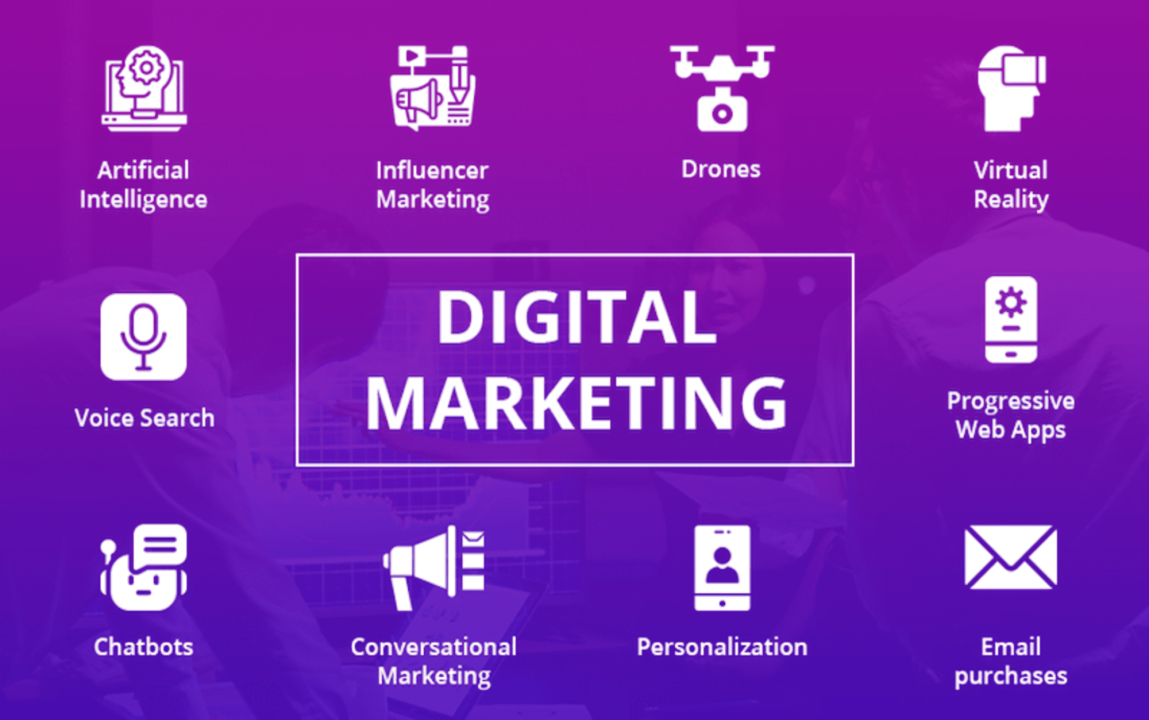
    In the ever-evolving landscape of digital marketing, staying ahead of the curve is essential for businesses looking to thrive in the digital age. As technology continues to advance and consumer behaviors evolve, the future of digital marketing promises to be both exciting and challenging. In this blog post, we’ll explore some of the key trends shaping the future of digital marketing and share insights on how businesses can prepare for what lies ahead.

    Digital Marketing

    The Future of Digital Marketing: Fasten Your Seatbelts for a Takeoff into Uncharted Territory

    Welcome, digital marketing voyagers! Buckle up and prepare for a journey through the uncharted territories of the future. The digital marketing landscape is constantly evolving, and those who stay ahead of the curve are poised for success. Here’s a glimpse into the trends that will shape the coming years:

    1. The Rise of the Machines (But in a Good Way): AI and Machine Learning

    Artificial intelligence (AI) and machine learning (ML) are no longer science fiction; they’re rapidly becoming an integral part of the digital marketer’s toolkit. Expect to see these technologies powering:

    • Hyper-Personalization: Imagine ad experiences and website content that adapt to individual user preferences in real-time. AI and ML make this a reality, enabling marketers to deliver an unmatched level of personalization that resonates deeply with each audience member.

    • Smarter Marketing Automation: AI can analyze vast amounts of data to automate repetitive tasks, free up your time for strategic initiatives, and optimize your marketing campaigns for maximum impact.

    • Content Creation on Autopilot (Almost): AI-powered tools will assist with content creation, from generating topic ideas and suggesting relevant keywords to even writing drafts. However, the human touch will always be irreplaceable for crafting truly engaging content.

    2. Welcome to the Metaverse: Marketing in a Virtual World

    The Metaverse, a network of interconnected virtual worlds, is no longer just a futuristic concept. Forward-thinking brands are already exploring its marketing potential. Imagine hosting virtual product launches, creating immersive brand experiences, or offering exclusive content within these digital spaces. The Metaverse opens doors to a whole new way of connecting with audiences and building brand loyalty.

    3. Micro-Influencers Take Center Stage: The Power of Niche Communities

    While mega-influencers still hold some sway, the tide is turning towards micro-influencers. These social media stars boast smaller but highly engaged followings, often built around specific niches. Partnering with micro-influencers allows for targeted marketing campaigns that resonate deeply with a relevant audience segment.

    4. Short and Sweet: The Reign of Short-Form Video Content

    Our attention spans are shrinking, and video content reigns supreme. Platforms like TikTok and Instagram Reels have exploded in popularity, and this trend is here to stay. Bite-sized video content is a fantastic way to grab attention, tell engaging stories, and promote your brand in a fun and dynamic way.

    5. The Evolving Landscape of Social Commerce: From Browsing to Buying in a Click

    Social media platforms are no longer just places to connect; they’re becoming shopping destinations. Social commerce features like shoppable posts and live streams that convert viewers into buyers are streamlining the purchasing journey. This trend is expected to continue its meteoric rise in the coming years.

    6. Listen Up! The Growing Importance of Voice Search

    Voice search technology is rapidly evolving, and people are increasingly using voice assistants to find information and make purchases. Optimizing your website and content for voice search will be crucial to ensure your brand is found when users ask those all-important questions.

    7. Customer Experience (CX) Reigns Supreme: Building Brand Loyalty Through Empathy

    In a world saturated with marketing messages, exceptional customer experience (CX) is the ultimate differentiator. Focus on building genuine connections with your audience, providing personalized service, and addressing their needs promptly. By prioritizing CX, you’ll foster brand loyalty and keep customers coming back for more.

    8. Data Privacy Takes Center Stage: Embracing a Cookieless Future

    With growing concerns around data privacy, third-party cookies are on the decline. This necessitates a shift towards zero-party data, information that users willingly share with brands. Building trust and creating engaging content that encourages users to share their preferences will be paramount in the cookieless future.

    9. Sustainability: A Cause We Can All Get Behind

    Consumers are becoming increasingly environmentally conscious. Incorporating sustainable practices into your marketing strategy and highlighting your brand’s commitment to environmental responsibility will resonate with this growing segment of the market.

    10. The Human Touch Endures: Authenticity is Key in a Digital World

    While technology is at the forefront of digital marketing, the human touch remains irreplaceable. Building trust and fostering genuine connections with your audience is crucial for long-term success. Let your brand personality shine through, connect with your audience on an emotional level, and create marketing campaigns that are both informative and inspiring.

    The digital marketing landscape is constantly evolving, and these trends offer a glimpse into the exciting future that awaits. By embracing these emerging strategies and staying ahead of the curve, you can ensure your brand thrives in the ever-changing world of digital marketing. So, get ready to navigate the uncharted territories of

  • The 10 Importance of Email Marketing in Digital Campaigns

    The 10 Importance of Email Marketing in Digital Campaigns

    The 10 Importance of Email Marketing in Digital Campaigns

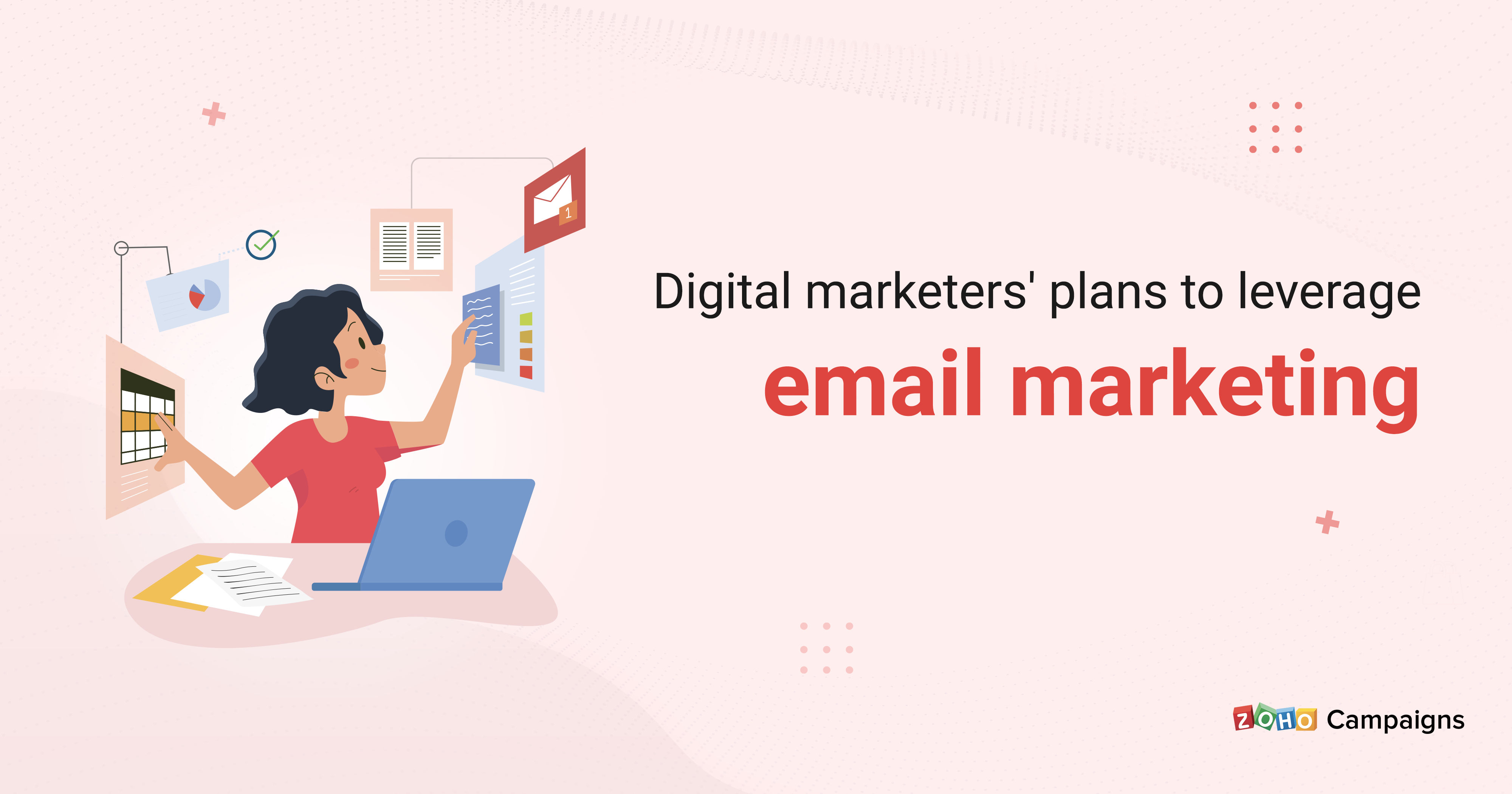
    In the ever-evolving landscape of digital marketing, one strategy has stood the test of time and continues to deliver impressive results: email marketing. While social media, SEO, and PPC advertising often hog the spotlight, email marketing quietly remains one of the most powerful tools in the marketer’s arsenal. In this blog post, we’ll delve into the importance of email marketing in digital campaigns and why it should be a cornerstone of your marketing strategy.

    Email Marketing

    Don’t Sleep on Email Marketing: Why It’s Your Digital Campaign BFF

    In the age of flashy social media trends and ever-evolving marketing tactics, it’s easy to overlook a tried-and-true champion: email marketing. But hold on before you hit the archive button on that email draft. Email marketing remains a powerful tool in your digital campaign arsenal, offering a direct line of communication with a highly engaged audience.

    So, why should email marketing be your BFF in the world of digital campaigns? Let’s dive into the reasons why this trusty channel deserves a starring role in your marketing strategy:

    1. Permission-Based Powerhouse: Unlike some marketing tactics that feel intrusive, email marketing is permission-based. People have opted in to receive your messages, indicating a genuine interest in your brand and offerings. This translates to higher engagement rates and a more receptive audience compared to cold outreach methods.

    2. Targeted Communication: Segmentation is Your Superpower: Gone are the days of blasting generic emails to a massive list. Email marketing allows for segmentation, the art of dividing your audience into smaller groups with common interests or demographics. This enables you to send highly targeted emails that resonate with specific segments, increasing the relevancy and effectiveness of your messages.

    3. Personalization: The Magic Touch That Converts: People crave a personal touch. Email marketing lets you personalize your messages with subscriber names, purchase history, or website browsing behavior. Imagine receiving an email that addresses you by name and recommends products you’ve shown interest in – that’s the power of personalization, and it can significantly boost conversion rates.

    4. Building Relationships That Last: Email marketing is a two-way street. Use it to nurture relationships with your subscribers. Provide valuable content, offer exclusive discounts, or simply share industry insights. By fostering connections and building trust, you cultivate a loyal subscriber base that’s more likely to convert into paying customers and brand advocates.

    5. A Treasure Trove of Data-Driven Insights: Email marketing platforms provide a wealth of data about your subscribers’ behavior. Track open rates, click-through rates, and conversion rates to understand what resonates with your audience. Use this data to refine your email strategy, craft more compelling content, and ultimately achieve your marketing goals.

    6. Measurable ROI: Track Your Success Like a Pro: Unlike some marketing channels, email marketing offers clear, measurable results. Track key metrics like open rates and click-through rates to gauge subscriber engagement. Analyze conversion rates to see how your email campaigns translate into sales or other desired outcomes. This data-driven approach allows you to measure your return on investment (ROI) and identify areas for improvement.

    7. Budget-Friendly Marketing Magic: Compared to some marketing channels, email marketing is a cost-effective way to reach a large audience. The barrier to entry is low, making it accessible to businesses of all sizes. You can leverage free email marketing tools to get started, and as your campaign grows, you can explore more advanced features offered by paid platforms.

    8. Automation is Your Friend: Streamline your email marketing efforts with automation. Set up automated welcome emails for new subscribers, send birthday greetings with special offers, or trigger drip campaigns based on subscriber behavior. Automation saves you time and ensures your subscribers receive relevant messages at the right time.

    9. Multi-Channel Marvel: The Power of Integration: Email marketing doesn’t exist in a silo. Integrate it with your other digital marketing channels. Include social media links in your emails, promote your email list on your website, and leverage email automation to nurture leads generated through other marketing efforts. This cohesive approach maximizes your reach and impact.

    10. It’s Not Dead, It’s Evolving: Email marketing isn’t a relic of the past; it’s constantly evolving. New technologies like interactive content and personalized video greetings are making email experiences even more engaging. Embrace these innovations to stay ahead of the curve and ensure your email marketing remains a powerful tool in your digital campaign arsenal.

    So, next time you’re crafting your digital marketing strategy, don’t underestimate the power of email marketing. By building a strong email list, creating engaging content, and leveraging data-driven insights, you can transform email marketing into a powerful driver of brand awareness, customer engagement, and ultimately, digital campaign success. Stay tuned for our next post where we delve into crafting irresistible email campaigns that convert!