Tag: #DigitalMarketing

  • The Future of Digital Marketing: What to Expect in 2025
    The Future of Digital Marketing: What to Expect in 2025

    The Future of Digital Marketing: What to Expect in 2025

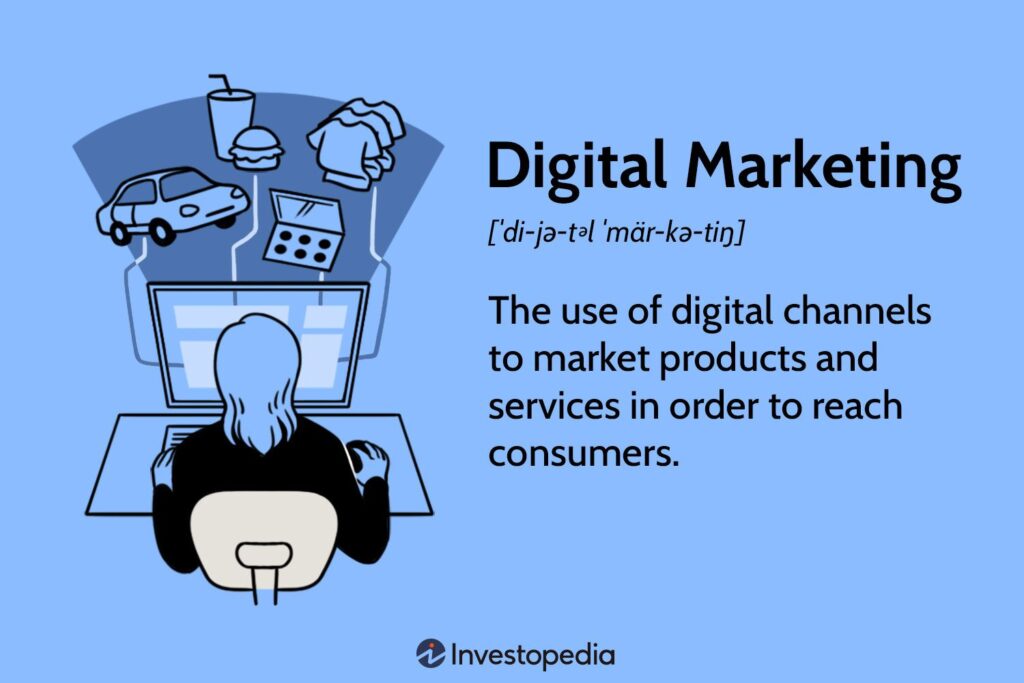
    As we rapidly approach 2025, the digital marketing landscape is poised for transformative changes. Understanding the Future of Digital Marketing can help you stay ahead of trends, seize new opportunities, and craft strategies that resonate with tomorrow’s consumers. From advanced technologies to shifting consumer behaviors, here’s a look at the trends and innovations shaping the future of digital marketing.

    Digital Marketing

    1. The Rise of Artificial Intelligence and Automation

    Artificial Intelligence (AI) is set to revolutionize the Future of Digital Marketing. AI technologies are becoming increasingly sophisticated, enabling marketers to automate tasks, analyze data, and personalize content at scale. Expect AI-powered chatbots to handle customer service with human-like efficiency, predictive analytics to optimize campaigns in real-time, and advanced algorithms to deliver highly personalized content. Automation will streamline processes, enhance decision-making, and improve customer experiences, allowing marketers to focus on strategic initiatives.

    2. The Expansion of Augmented Reality (AR) and Virtual Reality (VR)

    Augmented Reality (AR) and Virtual Reality (VR) are not just buzzwords; they’re becoming integral to digital marketing. AR allows customers to interact with digital elements in their real-world environment, while VR offers immersive brand experiences. By 2025, brands will leverage AR for virtual try-ons and interactive product demos, and VR for immersive storytelling and virtual tours. These technologies will create engaging experiences that captivate audiences and enhance brand interactions.

    3. Increased Emphasis on Privacy and Data Security

    With growing concerns over data privacy, the Future of Digital Marketing will see a heightened focus on privacy and data security. Consumers are becoming more aware of how their data is used, and regulations are tightening around data protection. Marketers will need to adopt transparent data practices, prioritize consent, and ensure robust security measures to build trust and comply with regulations like GDPR and CCPA. Embracing privacy-first strategies will be crucial for maintaining customer confidence and loyalty.

    4. Evolution of Content Marketing with Interactive and Shoppable Content

    Content marketing will continue to evolve, with interactive and shoppable content taking center stage. Interactive content, such as quizzes, polls, and gamified experiences, will engage users more deeply and provide valuable insights. Shoppable content will enable seamless purchasing experiences directly from social media posts, videos, and ads, streamlining the customer journey and driving conversions. Brands that harness these innovations will create compelling experiences that resonate with audiences and drive higher engagement.

    5. The Dominance of Voice Search and Conversational AI

    Voice search is on the rise, driven by the increasing use of voice-activated devices like smart speakers and virtual assistants. By 2025, optimizing for voice search will be essential for maintaining visibility in search results. Conversational AI will also play a significant role, enabling more natural interactions between brands and consumers. Brands will need to focus on optimizing content for voice queries and leveraging conversational AI to enhance customer interactions and support.

    6. Growth of Social Commerce and Influencer Partnerships

    Social commerce is set to become a dominant force in the Future of Digital Marketing. Social media platforms will continue to evolve into integrated shopping experiences, where users can discover and purchase products without leaving the app. Influencer marketing will also grow, with brands collaborating with micro and nano-influencers to reach niche audiences and build authentic connections. Expect to see more seamless integrations between social media, e-commerce, and influencer partnerships.

    7. The Emergence of Blockchain Technology

    Blockchain technology is gaining traction as a tool for enhancing transparency and security in digital marketing. By 2025, blockchain could play a role in improving data integrity, combating ad fraud, and ensuring fairer transactions. Brands may use blockchain for verifying ad impressions, securing customer data, and providing more transparent and accountable marketing practices. As blockchain technology evolves, its impact on digital marketing will become increasingly significant.

    8. The Importance of Hyper-Personalization

    Hyper-personalization will be a key trend in the Future of Digital Marketing. Leveraging advanced data analytics and AI, brands will deliver highly personalized experiences tailored to individual preferences and behaviors. This goes beyond basic personalization to create unique interactions based on real-time data, purchase history, and browsing patterns. Hyper-personalization will drive deeper connections with customers and enhance the overall effectiveness of marketing efforts.

    9. The Integration of Omnichannel Strategies

    Omnichannel marketing will become increasingly important as brands strive to create cohesive and seamless customer experiences across all touchpoints. By integrating online and offline channels, brands will provide a unified experience that meets customers wherever they are. Expect to see more sophisticated omnichannel strategies that leverage data and technology to deliver consistent messaging, personalized interactions, and seamless transitions between channels.

    10. Sustainability and Ethical Marketing Practices

    As consumers become more conscious of environmental and social issues, sustainability and ethical marketing will gain prominence. Brands will be expected to demonstrate their commitment to social responsibility, environmental sustainability, and ethical practices. This includes transparent supply chains, eco-friendly products, and genuine corporate social responsibility initiatives. Embracing these values will not only resonate with consumers but also build long-term brand loyalty and trust.

    The Future of Digital Marketing is brimming with opportunities for innovation and growth. By staying informed about these trends and adapting your strategies, you can position your brand for success in the dynamic digital landscape of 2025. From AI advancements and AR/VR experiences to privacy considerations and sustainability, the future holds exciting possibilities for those ready to embrace the changes and lead the way.

  • How to Analyze Your Competitors’ Digital Marketing Strategies

    How to Analyze Your Competitors’ Digital Marketing Strategies

    How to Analyze Your Competitors’ Digital Marketing Strategies

    In the ever-evolving digital marketing landscape, understanding what your competitors are doing can provide invaluable insights that propel your own strategy forward. Competitor Analysis isn’t just about keeping tabs on your rivals—it’s about harnessing that information to sharpen your competitive edge and refine your approach. As we dive into 2024, here’s how you can effectively analyze your competitors’ digital marketing strategies to stay ahead of the game.

    Competitors

    1. Identify Your Main Competitors

    Before you dive into analysis, it’s crucial to identify who your main competitors are. This involves more than just listing businesses that offer similar products or services. Dig deeper to find competitors who are targeting the same audience, operating in the same geographic regions, or engaging in similar digital marketing tactics. Use tools like SEMrush, Ahrefs, or even a simple Google search to compile a comprehensive list of competitors who are influencing the same market.

    2. Assess Their Website Performance

    The first step in Competitor Analysis is examining your competitors’ websites. Look at their website design, user experience, and overall functionality. Analyze the website’s loading speed, mobile responsiveness, and navigation. Tools like Google PageSpeed Insights and GTmetrix can help evaluate performance metrics. A well-designed website can be a significant asset, influencing user engagement and conversion rates. Pay attention to how your competitors structure their content, and note any features that enhance their site’s usability.

    3. Analyze Their Content Strategy

    Content is king in the digital marketing realm. Examine the type of content your competitors are producing and how frequently they publish. Look for blog posts, articles, videos, infographics, and case studies. Tools like BuzzSumo can help identify which content performs best for your competitors, showing you what resonates with their audience. Note the topics they cover, their content format, and their approach to storytelling. Understanding their content strategy can provide insights into how they engage their audience and what you might do differently to capture attention.

    4. Evaluate Their Social Media Presence

    Social media is a crucial component of digital marketing, offering a direct line to your target audience. Analyze your competitors’ social media profiles across platforms like Facebook, Twitter, Instagram, LinkedIn, and TikTok. Evaluate their posting frequency, content types, and engagement levels. Tools like Hootsuite and Sprout Social can provide detailed analytics on their social media performance. Pay attention to their audience interaction, campaign effectiveness, and overall brand voice. This can reveal what strategies work well and where there might be gaps you can exploit.

    5. Examine Their SEO Tactics

    SEO is fundamental for driving organic traffic, and understanding your competitors’ SEO strategies can be a game-changer. Use tools like SEMrush, Ahrefs, or Moz to analyze their keyword strategies, backlink profiles, and overall search visibility. Identify which keywords they rank for, their top-performing pages, and the quality of their backlinks. Understanding their SEO tactics can help you discover opportunities to target underserved keywords or improve your own SEO efforts to outrank them.

    6. Study Their Paid Advertising Campaigns

    Paid advertising can offer immediate results, making it a vital aspect of digital marketing. Analyze your competitors’ paid ad strategies, including their PPC campaigns, display ads, and social media ads. Tools like AdEspresso and SpyFu can provide insights into their ad spend, ad copy, and targeting strategies. Examine their ad placements, messaging, and calls-to-action (CTAs). This analysis can help you understand their approach to paid advertising and find ways to differentiate your own campaigns for better performance.

    7. Investigate Their Email Marketing Strategy

    Email marketing remains one of the most effective ways to nurture leads and drive conversions. Analyze your competitors’ email marketing strategies by subscribing to their newsletters and tracking their email campaigns. Evaluate their email frequency, content quality, and personalization tactics. Tools like Mailchimp and HubSpot can offer insights into email performance and engagement metrics. Observing how your competitors handle email marketing can provide ideas for improving your own campaigns and enhancing your email strategy.

    8. Review Their Customer Reviews and Feedback

    Customer feedback can offer valuable insights into your competitors’ strengths and weaknesses. Review their customer reviews on platforms like Google My Business, Yelp, and social media. Pay attention to common praises and complaints, and analyze how they respond to feedback. This information can reveal customer pain points and areas where your competitors excel. Use these insights to refine your own strategy and address gaps that could give you a competitive advantage.

    9. Monitor Their Digital PR and Influencer Collaborations

    Digital PR and influencer marketing can significantly impact brand perception and reach. Observe your competitors’ digital PR efforts and influencer partnerships. Identify any notable collaborations, press releases, or media coverage they receive. Tools like Mention and BuzzSumo can help track their brand mentions and influencer activities. Understanding their approach to digital PR and influencer marketing can inform your own strategy and help you explore opportunities for building similar partnerships.

    10. Stay Updated with Industry Trends

    Digital marketing is constantly evolving, and staying informed about industry trends is crucial for effective Competitor Analysis. Follow industry blogs, news sources, and forums to keep up with the latest trends and best practices. Understanding emerging trends can help you anticipate changes in your competitors’ strategies and adapt your own approach to stay ahead of the curve.

    Effective Competitor Analysis provides a roadmap for refining your digital marketing strategy and achieving better results. By thoroughly analyzing your competitors’ digital marketing tactics and integrating these insights into your strategy, you can enhance your competitive edge and drive more meaningful engagement with your audience.


  • The Benefits of Cross-Channel Marketing for Your Business
    The Benefits of Cross-Channel Marketing for Your Business

    The Benefits of Cross-Channel Marketing for Your Business

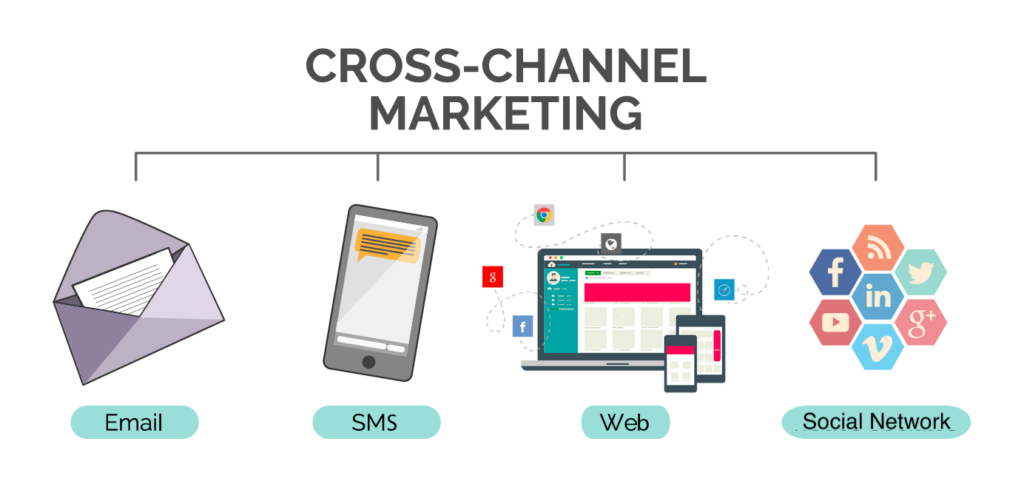
    In today’s multi-faceted digital landscape, reaching your audience requires more than just a single-channel approach. Cross-Channel Marketing has emerged as a game-changer for businesses aiming to create a seamless and impactful customer experience. By integrating multiple channels into your marketing strategy, you can enhance brand visibility, drive engagement, and ultimately boost conversions. Let’s dive into the benefits of Cross-Channel Marketing and how it can transform your business’s marketing efforts in 2024.

    Cross-Channel Marketing


    1. Enhanced Customer Experience

    Cross-Channel Marketing creates a unified and cohesive experience for your customers. When your brand maintains consistent messaging and visuals across various channels—such as social media, email, website, and mobile apps—customers encounter a seamless journey from start to finish. For example, a customer might first interact with your brand through a social media ad, receive a follow-up email, and eventually make a purchase on your website. This integrated approach ensures that the customer experience is smooth and engaging, leading to higher satisfaction and loyalty.

    2. Increased Brand Visibility

    By leveraging multiple channels, you significantly boost your brand’s visibility. Cross-Channel Marketing ensures that your brand is present where your audience spends their time, whether it’s scrolling through social media, reading emails, or searching online. This omnipresence increases the likelihood of your brand being noticed and remembered. For instance, a strategic combination of social media campaigns, content marketing, and targeted ads can keep your brand top-of-mind and enhance its reach across different touchpoints.

    3. Improved Customer Engagement

    Cross-Channel Marketing allows you to engage your audience through diverse touchpoints, increasing the chances of interaction. When customers encounter your brand through various channels, they are more likely to engage with your content and respond to your calls-to-action (CTAs). For example, an engaging blog post shared on social media can drive traffic to your website, where visitors might sign up for your newsletter or participate in a promotion. By engaging customers through multiple channels, you foster deeper connections and drive more meaningful interactions.

    4. Data-Driven Insights

    Integrating multiple marketing channels provides valuable data that can inform your strategy. Cross-Channel Marketing enables you to gather insights on customer behavior, preferences, and interactions across different platforms. By analyzing this data, you can identify patterns and trends, optimize your campaigns, and make data-driven decisions. For example, tracking how customers respond to different types of content across channels can help you tailor your messaging and improve targeting for better results.

    5. Higher Conversion Rates

    A well-executed Cross-Channel Marketing strategy can lead to higher conversion rates. When customers encounter your brand consistently and are nurtured through multiple touchpoints, they are more likely to complete desired actions, such as making a purchase or signing up for a service. For instance, a customer who sees a retargeted ad for a product they viewed on your website may be more inclined to finalize their purchase. By creating a cohesive and engaging journey, you enhance the likelihood of converting prospects into loyal customers.

    6. Better Customer Retention

    Cross-Channel Marketing isn’t just about attracting new customers; it’s also about retaining existing ones. By maintaining ongoing engagement through various channels, you keep your brand relevant and top-of-mind. Regular updates, personalized offers, and relevant content delivered through multiple touchpoints help nurture customer relationships and encourage repeat business. For example, sending personalized follow-up emails after a purchase, combined with engaging social media content, can enhance customer loyalty and retention.

    7. Enhanced Campaign Performance

    Integrating channels allows you to leverage the strengths of each platform and create a more robust marketing strategy. Cross-Channel Marketing enhances campaign performance by combining different tactics that complement each other. For instance, using email marketing to follow up on social media promotions can reinforce your message and drive higher engagement. By aligning your efforts across channels, you create a more effective and efficient marketing campaign that maximizes results.

    8. Increased Reach and Audience Growth

    Utilizing multiple channels helps you reach a broader audience and tap into new segments. Cross-Channel Marketing enables you to engage with diverse audiences who may prefer different platforms. For example, younger audiences might be more active on social media, while older demographics might engage with email content. By diversifying your marketing channels, you expand your reach and attract a wider range of potential customers, contributing to overall audience growth.

    9. Strengthened Brand Loyalty

    Consistency across channels fosters brand trust and loyalty. When customers experience a consistent brand message and visual identity, they develop a stronger connection with your brand. Cross-Channel Marketing ensures that your brand’s voice and values are communicated clearly and uniformly, reinforcing your brand’s credibility and reliability. For instance, a cohesive brand experience across your website, social media, and email campaigns helps build trust and encourages long-term loyalty.

    10. Flexibility and Adaptability

    A Cross-Channel Marketing strategy provides the flexibility to adapt to changing market conditions and customer preferences. If one channel is underperforming, you can adjust your focus or reallocate resources to other channels that are yielding better results. This adaptability allows you to stay responsive to shifts in the market and optimize your strategy for continued success. For example, if you notice higher engagement on social media than on email, you can pivot your efforts to capitalize on this trend.

    Embracing Cross-Channel Marketing opens up a world of opportunities for enhancing customer experience, increasing brand visibility, and driving better marketing outcomes. By integrating multiple channels into your strategy, you create a cohesive and engaging brand presence that resonates with your audience and maximizes your marketing impact.

  • Creating a Content Calendar to Streamline Your Marketing Efforts

    Creating a Content Calendar to Streamline Your Marketing Efforts

    Creating a Content Calendar to Streamline Your Marketing Efforts

    In the hustle and bustle of digital marketing, staying organized and consistent is crucial for success. One of the most effective tools for achieving this is a Content Calendar. As we navigate through 2024, having a well-structured Content Calendar is no longer a luxury—it’s a necessity for streamlining your marketing efforts and maximizing your impact. Here’s how to create a Content Calendar that not only keeps you organized but also amplifies your marketing strategy.

    Content Calendar

    1. Define Your Content Goals and Objectives

    Before diving into the nuts and bolts of a Content Calendar, it’s essential to outline your content goals and objectives. What do you want to achieve with your content? Whether it’s increasing brand awareness, driving traffic to your website, or boosting engagement on social media, defining your goals will help shape your content strategy. By understanding your objectives, you can tailor your calendar to align with your overall marketing aims and ensure that every piece of content serves a purpose.

    2. Choose the Right Calendar Format

    Selecting the right format for your Content Calendar is key to its effectiveness. You can opt for a digital calendar, such as Google Calendar or a project management tool like Trello, or a more visual approach like an Excel spreadsheet or a dedicated content calendar tool. The choice depends on your team’s preferences and workflow. A digital calendar offers real-time updates and collaboration features, while a spreadsheet provides a customizable and straightforward solution. Choose the format that best suits your team’s needs and allows for easy tracking and updating.

    3. Plan Your Content Topics and Themes

    A well-crafted Content Calendar includes a variety of topics and themes that resonate with your audience. Start by brainstorming content ideas that align with your brand’s voice and audience interests. Consider incorporating different types of content, such as blog posts, social media updates, videos, infographics, and emails. Diversifying your content types keeps your audience engaged and caters to different preferences. Planning topics and themes in advance helps maintain consistency and ensures a balanced content mix throughout the month or quarter.

    4. Schedule Content Publishing Dates

    One of the core functions of a Content Calendar is to schedule publishing dates. Mapping out when each piece of content will go live helps prevent last-minute scrambles and ensures a steady flow of content. Be strategic about your scheduling: consider your audience’s peak engagement times and any relevant industry events or holidays. For instance, if you’re planning a campaign around Black Friday, make sure your calendar reflects the timing for teaser posts, main content, and follow-ups. Scheduling in advance also allows for better resource allocation and coordination with other marketing activities.

    5. Assign Responsibilities and Deadlines

    A Content Calendar isn’t just about dates; it’s also about delegation. Assign specific content creation and management tasks to team members, ensuring that everyone knows their responsibilities and deadlines. This clarity helps streamline the content production process and ensures accountability. For example, designate roles such as content writer, graphic designer, and social media manager, and set deadlines for each stage of content creation, from drafting to final approval. Clear assignments and deadlines help avoid bottlenecks and ensure smooth workflow.

    6. Integrate Key Performance Indicators (KPIs)

    To measure the success of your content efforts, integrate key performance indicators (KPIs) into your Content Calendar. Track metrics such as engagement rates, click-through rates, and conversion rates to assess how well your content is performing. Include space in your calendar for noting these KPIs alongside each piece of content. This integration allows you to monitor performance in real-time and make data-driven adjustments to your strategy. For example, if you notice a particular type of content is driving higher engagement, you can adjust your future content plans accordingly.

    7. Incorporate Content Promotion Strategies

    Creating content is only part of the equation; promoting it effectively is equally important. Your Content Calendar should include promotion strategies for each piece of content. Plan out social media posts, email blasts, and any other promotional activities that will support your content. By scheduling these promotional efforts alongside your content publishing dates, you ensure a cohesive approach that maximizes reach and engagement. For instance, if you’re publishing a blog post, plan social media teasers, email notifications, and any influencer collaborations in advance.

    8. Review and Adjust Regularly

    A Content Calendar is a living document that requires regular review and adjustments. Periodically assess your calendar to ensure it aligns with your marketing goals and responds to any changes in your industry or audience preferences. Make room for flexibility and spontaneity—sometimes, timely topics or trending events may require you to adjust your planned content. Regular reviews help you stay on top of your content strategy and adapt to new opportunities or challenges.

    9. Utilize Collaboration Tools

    If you’re working with a team, using collaboration tools can enhance the effectiveness of your Content Calendar. Tools like Asana, Monday.com, or CoSchedule facilitate teamwork by allowing multiple users to access, edit, and comment on the calendar. These tools also provide visibility into each team member’s tasks and deadlines, ensuring everyone is on the same page. Collaborative features help streamline communication and ensure that all aspects of content creation and management are well-coordinated.

    10. Monitor Content Trends and Analytics

    Keeping an eye on content trends and analytics is vital for optimizing your Content Calendar. Stay updated on industry trends, emerging topics, and audience preferences to ensure your content remains relevant and engaging. Use analytics tools to track the performance of your content and identify patterns or areas for improvement. By incorporating these insights into your calendar planning, you can refine your content strategy and maintain a competitive edge.

    A well-crafted Content Calendar is your roadmap to a streamlined and effective marketing strategy. By defining goals, planning topics, scheduling dates, and integrating performance metrics, you create a structured approach that enhances your content efforts and drives results. As you embrace the power of a Content Calendar, you’ll find it easier to stay organized, engage your audience, and achieve your marketing objectives with greater efficiency and impact.

  • Why Consistency is Key in Your Digital Marketing Efforts

    Why Consistency is Key in Your Digital Marketing Efforts

    Why Consistency is Key in Your Digital Marketing Efforts

    In the dynamic realm of digital marketing, where trends shift rapidly and audience expectations evolve, one principle remains steadfast: Digital Marketing Consistency. This concept is not just about maintaining a steady flow of content but about building a cohesive and recognizable brand presence across all platforms. As 2024 advances, understanding why consistency is key in your digital marketing efforts can significantly enhance your strategy and amplify your results.

    Digital Marketing

    1. Building Brand Recognition

    Digital Marketing Consistency is fundamental in establishing and reinforcing your brand identity. When your messaging, visuals, and tone are consistent across all channels—be it your website, social media, or email campaigns—your brand becomes more recognizable. This repetition helps embed your brand in the minds of consumers, making it easier for them to recall and connect with you. For example, using the same logo, color scheme, and voice in all your marketing efforts creates a unified image that strengthens brand recognition.

    2. Enhancing Customer Trust

    Trust is a cornerstone of successful marketing, and Digital Marketing Consistency plays a crucial role in building it. When your brand consistently delivers quality content and adheres to a reliable schedule, it signals professionalism and reliability to your audience. Inconsistencies, on the other hand, can create confusion and diminish trust. For instance, if your social media accounts post irregularly or your website’s content is outdated, customers might question your credibility. Consistent messaging and engagement help establish trust and foster long-term relationships with your audience.

    3. Improving Engagement and Interaction

    Consistency in your digital marketing efforts ensures that your audience remains engaged and interacts with your content. Regularly scheduled posts, updates, and interactions keep your brand top-of-mind for your audience. For instance, a well-maintained blog that publishes new content weekly or a social media account that posts daily can drive higher engagement rates. This ongoing interaction not only keeps your audience interested but also encourages them to participate, share, and advocate for your brand.

    4. Optimizing SEO Performance

    Search engine optimization (SEO) thrives on consistency. Digital Marketing Consistency impacts SEO in several ways. Regularly updated content signals to search engines that your site is active and relevant, which can improve your rankings. Consistent keyword usage across your content also helps search engines understand your site’s focus and relevance. For instance, if your blog consistently covers topics related to “sustainable living,” it strengthens your site’s authority on the subject, improving your chances of ranking higher for related search queries.

    5. Streamlining Content Creation

    Maintaining Digital Marketing Consistency streamlines your content creation process. By following a content calendar and established guidelines, you can ensure that your content aligns with your brand’s voice and strategy. This approach not only saves time but also reduces the risk of creating off-brand or inconsistent material. For example, a content calendar helps you plan blog posts, social media updates, and email newsletters in advance, ensuring that all your marketing efforts are coordinated and cohesive.

    6. Maximizing Marketing ROI

    Consistent digital marketing efforts lead to better resource allocation and improved ROI. When your marketing strategies are consistent, you can better track performance, measure results, and adjust tactics accordingly. This consistency allows for more accurate analysis of what works and what doesn’t, enabling you to refine your approach and invest in strategies that deliver the best returns. For instance, consistent A/B testing of email subject lines and content can reveal what resonates most with your audience, allowing you to optimize future campaigns.

    7. Building a Strong Community

    Consistency helps in building and nurturing a strong online community. When your brand consistently interacts with its audience, responds to comments, and participates in relevant conversations, you foster a sense of community and belonging. Regular engagement shows that you value your audience’s input and are committed to addressing their needs. This strong community connection can lead to increased loyalty and advocacy, as your audience feels more connected to your brand.

    8. Maintaining Competitive Edge

    In a competitive digital landscape, consistency can be a differentiator. Brands that maintain a steady and consistent presence are more likely to stand out and be remembered. While competitors might experience fluctuations in their marketing efforts, your consistent approach helps solidify your position in the market. This consistent presence not only keeps your brand visible but also builds a reputation for reliability and professionalism, giving you an edge over less consistent competitors.

    9. Reinforcing Your Brand Message

    Consistency reinforces your brand message by ensuring that all communications align with your core values and objectives. Whether it’s through your content themes, visual style, or tone of voice, maintaining consistency helps to clearly communicate your brand’s message and value proposition. For example, if your brand advocates for eco-friendly practices, consistent messaging across your marketing channels can effectively convey this commitment, attracting like-minded customers and strengthening your brand’s position in the market.

    10. Adapting to Changing Trends

    While consistency is crucial, it’s also important to adapt to changing trends and consumer preferences. Balancing consistency with flexibility allows you to stay relevant and responsive to the evolving digital landscape. This means maintaining your core brand identity while integrating new trends and technologies into your strategy. For example, consistently delivering high-quality content while experimenting with new formats like video or interactive content can keep your brand fresh and engaging.

    By embracing Digital Marketing Consistency, you create a cohesive and reliable brand presence that builds trust, drives engagement, and enhances your online success. Consistent efforts not only strengthen your brand identity but also optimize your marketing performance and foster deeper connections with your audience. As you navigate the ever-changing digital world, let consistency be the cornerstone of your strategy for sustained growth and impact.

  • The Impact of Customer Reviews on Your Online Success

    The Impact of Customer Reviews on Your Online Success

    The Impact of Customer Reviews on Your Online Success

    In today’s digital landscape, Customer Reviews are not just feedback—they are a powerful catalyst for your online success. With the rise of review platforms, social media, and influencer endorsements, the influence of Customer Reviews has reached unprecedented levels. As we navigate through 2024, understanding the profound impact these reviews have on your brand is essential for maximizing your online presence and driving growth. Here’s how Customer Reviews can shape your digital success and strategies to harness their full potential.

    Customer Reviews

    1. Boosting Credibility and Trust

    In an era where consumers are increasingly skeptical of traditional advertising, Customer Reviews serve as authentic testimonials of your brand’s credibility. Positive reviews act as social proof, building trust and validating the quality of your products or services. For instance, a glowing review about your excellent customer service or product performance can significantly sway potential buyers. Trust is the cornerstone of online success, and Customer Reviews play a pivotal role in establishing and enhancing it.

    2. Influencing Purchase Decisions

    Studies consistently show that Customer Reviews are a key factor in influencing purchase decisions. Before making a buying decision, 93% of consumers read online reviews, and 91% of people trust reviews as much as personal recommendations. This means that a strong collection of positive reviews can directly impact your conversion rates and sales. By showcasing real experiences and satisfaction from past customers, you can persuade potential buyers to choose your brand over competitors.

    3. Enhancing SEO and Online Visibility

    Customer Reviews are also a valuable asset for improving your search engine optimization (SEO). Search engines like Google consider review content as part of their ranking algorithms. Fresh, relevant reviews can help boost your search engine rankings by providing unique content and increasing your site’s authority. Additionally, review snippets that appear in search results can attract more clicks and drive traffic to your site. Encourage satisfied customers to leave reviews to benefit from this SEO advantage and enhance your online visibility.

    4. Providing Insightful Feedback

    Beyond their impact on potential customers, Customer Reviews offer valuable insights into your business operations. Reviews provide feedback on what you’re doing well and highlight areas for improvement. Analyzing review trends can help you identify common pain points, customer preferences, and opportunities for enhancement. This feedback loop allows you to refine your products, services, and customer service strategies based on real customer experiences and expectations.

    5. Driving Engagement and Interaction

    Engaging with Customer Reviews—both positive and negative—can significantly impact your online reputation. Responding to reviews shows that you value customer feedback and are committed to providing excellent service. Timely and thoughtful responses to positive reviews can enhance customer loyalty and encourage repeat business. Addressing negative reviews professionally and constructively demonstrates your willingness to resolve issues and improve. This level of engagement fosters trust and builds a positive online image.

    6. Leveraging User-Generated Content

    Customer Reviews are a form of user-generated content (UGC) that can be leveraged to enrich your marketing efforts. Positive reviews can be featured on your website, social media channels, and marketing materials to showcase real customer experiences. User-generated content adds authenticity and relatability to your brand’s messaging. For example, sharing a customer’s review about how your product solved their problem can create a compelling narrative that resonates with potential buyers.

    7. Building Brand Loyalty and Advocacy

    Brands that actively encourage and engage with Customer Reviews often see increased brand loyalty and customer advocacy. When customers feel heard and valued, they are more likely to become loyal advocates who promote your brand through word-of-mouth. Positive reviews and testimonials can amplify your brand’s reputation, leading to higher customer retention rates and a more robust online community.

    8. Managing Online Reputation

    Customer Reviews play a crucial role in shaping your online reputation. A strong reputation is essential for attracting and retaining customers. Monitoring and managing your reviews ensures that any negative feedback is addressed promptly and constructively. Tools and platforms are available to help track reviews across various sites and respond effectively. Proactive reputation management helps maintain a positive brand image and minimizes the impact of negative reviews.

    9. Capitalizing on Review Trends

    Understanding trends in Customer Reviews can provide strategic insights for your business. For example, if multiple reviews mention the same feature or issue, it may indicate a broader trend that requires attention. Keeping an eye on review trends can guide your product development, marketing strategies, and customer service improvements. Adapting to these trends ensures that your business remains responsive to customer needs and preferences.

    10. Encouraging More Reviews

    To maximize the benefits of Customer Reviews, actively encourage your customers to share their experiences. Simple methods such as follow-up emails, review request prompts on your website, and incentives for leaving feedback can boost the volume of reviews you receive. More reviews not only enhance credibility and influence but also provide a richer dataset for analyzing customer sentiment and making informed business decisions.

    Embracing the power of Customer Reviews and integrating them into your digital strategy can have a transformative impact on your online success. From building trust and boosting SEO to gaining actionable insights and fostering customer loyalty, reviews are a vital component of a thriving digital presence. By leveraging their full potential, you can enhance your brand’s reputation, drive engagement, and achieve sustained growth in today’s competitive online landscape.

  • How to Craft Compelling Headlines That Drive Traffic

    How to Craft Compelling Headlines That Drive Traffic

    How to Craft Compelling Headlines That Drive Traffic

    In the bustling world of digital content, your headline is the gatekeeper to your content’s success. Compelling headlines are not just about grabbing attention—they’re about enticing readers to click through and engage with your content. As 2024 unfolds, mastering the art of writing headlines that drive traffic is more crucial than ever. Here’s how you can craft compelling headlines that stand out and boost your click-through rates.

    Compelling Headlines

    1. Leverage the Power of Numbers

    Numbers can make your headlines more compelling and precise. They signal to readers that they’ll receive valuable, easy-to-digest information. For instance, headlines like “7 Proven Strategies to Boost Your SEO” or “5 Must-Try Tips for Effective Content Marketing” immediately convey the value of your content and promise clear takeaways. Numbers also create a sense of structure and order, which can make your content more appealing and easier to scan.

    2. Create a Sense of Urgency

    Urgency can be a powerful motivator in driving traffic. By incorporating urgency into your compelling headlines, you encourage readers to act quickly. Phrases like “Don’t Miss Out!” or “Limited Time Offer” create a feeling of immediacy that prompts users to click and engage before the opportunity passes. However, it’s essential to use urgency authentically to avoid misleading your audience or damaging your credibility.

    3. Use Emotional Triggers

    Emotions play a significant role in decision-making. Crafting headlines that tap into readers’ emotions can make your content more irresistible. Words like “Amazing,” “Shocking,” or “Heartwarming” evoke curiosity and a personal connection. For example, “The Shocking Truth About Marketing Trends in 2024” or “The Heartwarming Story of a Startup’s Success” appeal to emotional responses, making your headlines more compelling and engaging.

    4. Incorporate Power Words

    Power words are persuasive and attention-grabbing terms that enhance the impact of your headlines. Words such as “Ultimate,” “Essential,” “Exclusive,” and “Proven” convey authority and confidence, making your headlines more compelling. For instance, “The Ultimate Guide to Mastering Digital Marketing” or “Exclusive Insights into Future Tech Trends” signal high value and expertise, encouraging readers to click through.

    5. Focus on Specificity

    Specificity adds credibility and attracts readers who are seeking targeted information. Instead of vague headlines like “Improve Your Health,” opt for more specific and actionable ones like “10 Simple Ways to Improve Your Gut Health in 30 Days.” Specific headlines promise concrete advice or solutions, which can make your content more appealing to readers looking for precise answers or guidance.

    6. Pose a Question

    Questions are a great way to engage readers and pique their curiosity. By posing a question in your headline, you invite readers to seek the answer by clicking through to your content. For example, “Are You Making These Common SEO Mistakes?” or “How Can You Boost Your Conversion Rates Today?” stimulates curiosity and encourages users to explore further to find the answers.

    7. Include Keywords Strategically

    Incorporating relevant keywords into your headlines is crucial for SEO and attracting organic traffic. Ensure your compelling headlines include keywords that reflect the core topics of your content while still being engaging and natural. For example, “How to Use Data Analytics for Better Marketing Strategies” not only includes the keyword but also clearly conveys the value of the content. Balancing keyword usage with readability ensures that your headlines are both search-engine friendly and appealing to readers.

    8. Test and Analyze

    To truly understand what resonates with your audience, testing and analyzing different headline variations is key. Use A/B testing tools to compare different headlines and measure their performance. Analyze metrics such as click-through rates, engagement, and conversion rates to determine which headlines are the most effective. This data-driven approach allows you to refine your strategy and craft headlines that consistently drive traffic.

    9. Keep It Simple and Clear

    While creativity is important, clarity should never be sacrificed. Compelling headlines should be straightforward and easy to understand. Avoid complex language or overly long headlines that can confuse or overwhelm readers. Instead, focus on delivering your message clearly and concisely. For example, “How to Save Money on Your Energy Bill” is clear and to the point, making it easy for readers to grasp the content’s value at a glance.

    10. Optimize for Social Media Sharing

    Headlines that are optimized for social media sharing can significantly boost your content’s reach. Craft headlines that are not only compelling but also shareable. Shorten your headlines to fit within character limits, and consider including hashtags or keywords relevant to your audience. Headlines like “Top 5 Marketing Trends You Need to Know in 2024” or “Why Everyone’s Talking About AI in Content Creation” are designed to catch the eye on social media feeds and encourage shares.

    Crafting compelling headlines is both an art and a science, involving creativity, strategy, and understanding your audience. By leveraging numbers, creating urgency, tapping into emotions, and focusing on specificity, you can enhance your headlines’ effectiveness. Incorporate power words, test your headlines, and ensure they are clear and optimized for social media to maximize their impact. With these techniques, you’ll not only attract clicks but also engage readers and drive meaningful traffic to your content.

  • Understanding the Basics of Search Engine Algorithms
    Understanding the Basics of Search Engine Algorithms

    Understanding the Basics of Search Engine Algorithms

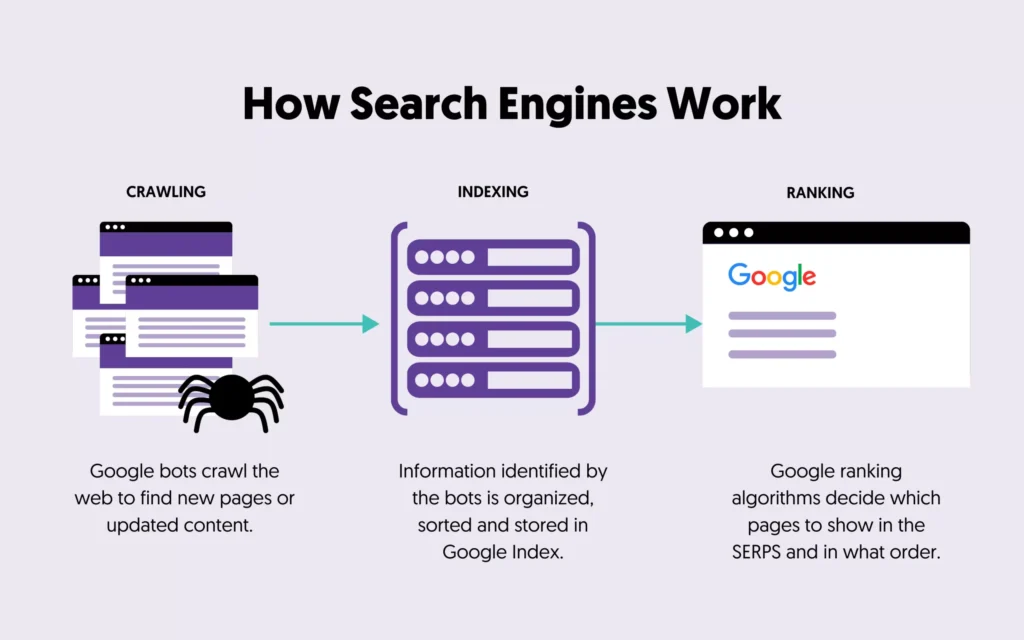
    In the rapidly evolving world of digital marketing, understanding Search Engine Algorithms is crucial for anyone aiming to boost their online presence. These algorithms are the secret sauce behind search engine results, determining which web pages appear at the top of search engine results pages (SERPs). As 2024 unfolds, grasping the basics of these algorithms can give you the edge you need to enhance your SEO strategy and drive more organic traffic. Let’s dive into the fundamentals of Search Engine Algorithms and how they influence your search engine ranking.

    Search Engine Algorithms


    1. What Are Search Engine Algorithms?

    At their core, Search Engine Algorithms are complex systems used by search engines like Google, Bing, and Yahoo to rank web pages in their search results. These algorithms evaluate numerous factors to decide which pages are most relevant and useful for a given query. They are designed to deliver the best possible user experience by providing the most pertinent results based on the search terms entered. Understanding these algorithms helps you optimize your content to align with what search engines are looking for.

    2. Key Components of Search Engine Algorithms

    Several key factors influence how Search Engine Algorithms rank pages:

    • Relevance: Algorithms assess how well your content matches the search query. This includes keyword relevance, but also the context and intent behind the search.
    • Quality: High-quality content that is informative, engaging, and well-researched tends to rank better. Algorithms prioritize content that offers value to users.
    • Authority: Search engines evaluate the credibility of your site based on factors such as backlinks from reputable sources and domain age. Authority signals that your content is trustworthy and reliable.
    • User Experience: Factors such as page load speed, mobile-friendliness, and site navigation impact your rankings. A seamless user experience is essential for good rankings.

    3. The Role of Keywords in Search Engine Algorithms

    Keywords have historically been a cornerstone of SEO, but their role has evolved with advances in Search Engine Algorithms. Modern algorithms focus on keyword intent rather than exact matches. This means that optimizing for contextually relevant keywords and providing comprehensive answers to user queries are more important than ever. Long-tail keywords and natural language processing (NLP) are becoming increasingly significant as algorithms strive to understand the nuances of user intent.

    4. The Importance of Quality Content

    Content quality is a major player in the ranking game. Search engines are designed to prioritize content that provides value to users. This means creating content that is not only relevant and well-written but also engaging and useful. High-quality content includes detailed information, clear structure, and unique insights that address the needs and questions of your audience. As algorithms become more sophisticated, they increasingly reward content that meets these high standards.

    5. Understanding Algorithm Updates

    Search engines frequently update their algorithms to improve search results and combat spam. These updates can significantly impact your site’s ranking, so staying informed about changes is crucial. Major updates, such as Google’s Panda, Penguin, and Hummingbird, have historically focused on content quality, link-building practices, and semantic search, respectively. Keeping up with these updates helps you adapt your SEO strategy and maintain strong search rankings.

    6. The Impact of User Engagement Metrics

    User engagement metrics such as click-through rate (CTR), bounce rate, and time on site play a role in how Search Engine Algorithms evaluate your content. If users click on your link and spend time engaging with your content, it signals to search engines that your page is relevant and valuable. Conversely, high bounce rates or low engagement can indicate to algorithms that your content may not be meeting user expectations.

    7. Mobile Optimization and Algorithm Performance

    As mobile search continues to grow, search engines have placed increased emphasis on mobile optimization. Search Engine Algorithms now consider mobile-friendliness as a critical ranking factor. This means that having a responsive design, fast-loading mobile pages, and easy-to-navigate interfaces is essential for maintaining strong rankings. Google’s mobile-first indexing, for example, primarily uses the mobile version of your site for indexing and ranking.

    8. Leveraging Backlinks for Authority

    Backlinks remain a powerful factor in SEO, reflecting the authority and credibility of your site. Search Engine Algorithms evaluate the quality and relevance of backlinks to determine how trustworthy your site is. Building a strong backlink profile from reputable sources can enhance your site’s authority and improve your rankings. However, it’s important to focus on natural, high-quality backlinks rather than engaging in manipulative link-building practices.

    9. The Future of Search Engine Algorithms

    Looking ahead, Search Engine Algorithms are likely to continue evolving with advancements in AI and machine learning. These technologies enable search engines to better understand user intent, context, and content quality. Voice search, visual search, and AI-driven personalization are expected to play increasingly prominent roles in how algorithms assess and rank content. Staying ahead of these trends and adapting your SEO strategy accordingly will be key to maintaining a competitive edge.

    Understanding Search Engine Algorithms provides valuable insights into how search engines determine rankings and how you can optimize your site to improve visibility. By focusing on relevance, quality, user experience, and staying updated with algorithm changes, you can enhance your SEO efforts and drive better results for your business. Embrace these fundamentals to navigate the ever-changing landscape of search engine optimization and achieve success in the digital world.

  • The Benefits of Using AI in Your Digital Marketing Strategy

    The Benefits of Using AI in Your Digital Marketing Strategy

    The Benefits of Using AI in Your Digital Marketing Strategy

    In 2024, AI in Digital Marketing is not just a futuristic concept—it’s a game-changer revolutionizing how brands engage with their audiences and drive growth. From personalized customer experiences to data-driven insights, AI offers a plethora of benefits that can elevate your marketing strategy to new heights. Here’s why incorporating AI in Digital Marketing should be a top priority for your business and how it can transform your approach.

    AI in Digital Marketing

    1. Hyper-Personalized Customer Experiences

    One of the standout benefits of AI in Digital Marketing is its ability to deliver hyper-personalized experiences. AI algorithms analyze vast amounts of customer data, including browsing behavior, purchase history, and social interactions, to create highly tailored content and recommendations. Imagine a user visiting your site and instantly receiving product suggestions based on their past behavior or even real-time adjustments to your offers based on their current browsing patterns. This level of personalization not only enhances user experience but also significantly boosts engagement and conversion rates.

    2. Enhanced Data Analysis and Insights

    AI excels at processing and analyzing large datasets quickly and accurately. With AI in Digital Marketing, you can uncover valuable insights from your data that would be challenging to identify manually. AI-driven analytics tools can track customer interactions, identify trends, and predict future behaviors. This deeper understanding of your audience allows you to make informed decisions, optimize your campaigns, and allocate your budget more effectively. By leveraging AI to analyze data, you gain a competitive edge and refine your marketing strategies based on actionable insights.

    3. Automated and Efficient Marketing Campaigns

    Automation is another significant advantage of AI in Digital Marketing. AI-powered tools can handle repetitive tasks such as email marketing, social media scheduling, and ad management with minimal human intervention. For example, AI can automatically send personalized email follow-ups based on user interactions or schedule social media posts at optimal times for maximum engagement. This automation not only saves time and resources but also ensures consistency and precision in your marketing efforts.

    4. Improved Customer Service with AI Chatbots

    AI chatbots are revolutionizing customer service by providing instant, round-the-clock support. These intelligent bots can handle a wide range of customer inquiries, from answering frequently asked questions to processing orders and resolving issues. With natural language processing (NLP) capabilities, AI chatbots offer human-like interactions that improve user satisfaction and streamline customer service operations. By integrating AI chatbots into your digital marketing strategy, you enhance customer support while freeing up valuable time for your team to focus on more complex tasks.

    5. Predictive Analytics for Smarter Marketing

    Predictive analytics powered by AI allows you to forecast future trends and behaviors based on historical data. By utilizing AI in Digital Marketing, you can anticipate customer needs, optimize your campaigns, and stay ahead of the competition. For example, AI can predict which products are likely to become popular, allowing you to adjust your inventory and marketing strategies accordingly. This proactive approach helps you make strategic decisions that drive growth and enhance your overall marketing effectiveness.

    6. Dynamic Content Creation

    Creating engaging and relevant content is essential for capturing your audience’s attention. AI tools can assist in generating dynamic content by analyzing user preferences and trending topics. For instance, AI can help you craft compelling headlines, create personalized product descriptions, and even generate social media posts that resonate with your target audience. By leveraging AI for content creation, you ensure that your messaging remains fresh, relevant, and aligned with your audience’s interests.

    7. Optimized Ad Targeting and Budget Management

    AI enhances the efficiency of your advertising efforts by optimizing ad targeting and budget allocation. AI algorithms can analyze user data to identify the most promising audience segments for your ads, ensuring that your campaigns reach the right people at the right time. Additionally, AI can automatically adjust your ad spend based on performance metrics, maximizing your return on investment. By utilizing AI for ad targeting and budget management, you can achieve better results while minimizing wasted spend.

    8. Enhanced SEO Strategies

    Search engine optimization (SEO) benefits significantly from AI in Digital Marketing. AI tools can analyze search patterns, keyword trends, and competitor strategies to help you refine your SEO approach. For example, AI can suggest high-performing keywords, identify content gaps, and provide insights into on-page and off-page SEO factors. By leveraging AI for SEO, you can improve your search engine rankings, drive more organic traffic, and enhance your online visibility.

    9. Advanced Customer Segmentation

    AI enables more advanced customer segmentation by analyzing a wide range of data points to categorize your audience into distinct groups. This segmentation allows for more targeted marketing efforts, with tailored messages and offers that resonate with each group. For example, AI can segment your audience based on purchasing behavior, engagement levels, or demographic information, allowing you to create highly relevant and personalized campaigns that drive higher engagement and conversions.

    Integrating AI in Digital Marketing into your strategy offers a host of benefits that can transform how you connect with your audience and drive business growth. From hyper-personalized experiences and efficient automation to advanced analytics and optimized ad targeting, AI empowers you to make data-driven decisions and enhance your marketing efforts. Embrace the power of AI to stay ahead in the competitive digital landscape and achieve impressive results.

  • How to Improve Your Website’s User Experience for Better Conversions
    How to Improve Your Website’s User Experience for Better Conversions

    How to Improve Your Website’s User Experience for Better Conversions

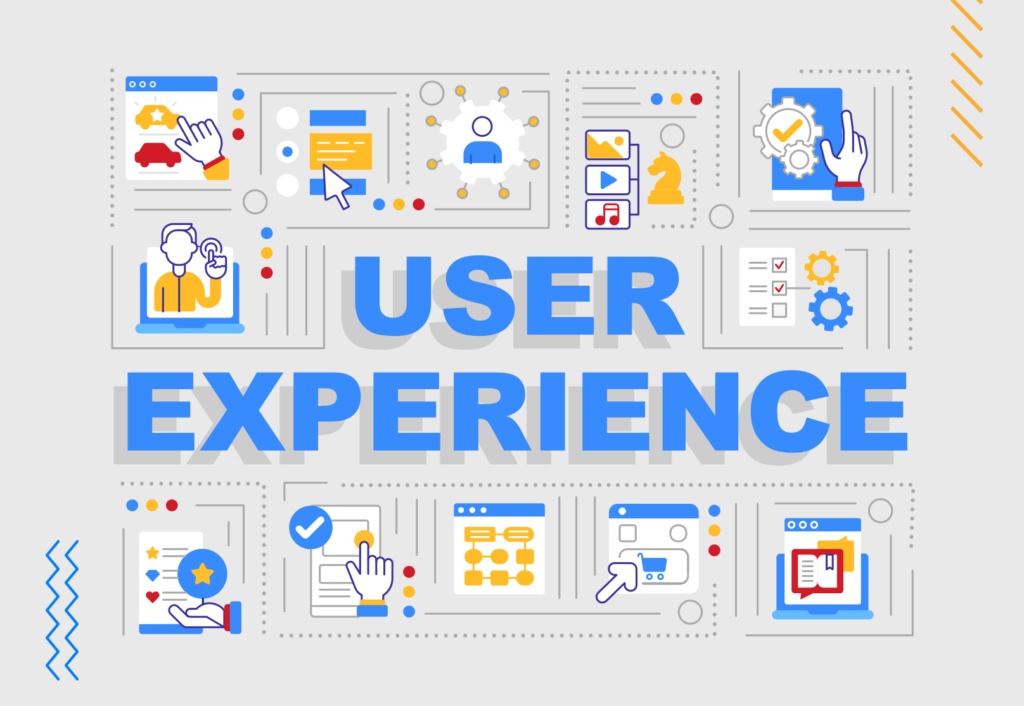
    In 2024, User Experience (UX) is more than just a buzzword—it’s a fundamental driver of business success. A seamless, intuitive UX can turn casual visitors into loyal customers, while a poor experience can drive potential leads away. If you’re looking to boost conversions and ensure that your website stands out, focusing on User Experience is essential. Here’s how you can enhance your website’s UX to captivate your audience and drive meaningful results.

    User Experience


    1. Prioritize Mobile Optimization

    With mobile devices accounting for a significant portion of web traffic, ensuring your site is mobile-friendly is crucial for a positive User Experience. Responsive design is no longer optional—it’s a must. Your website should automatically adjust to fit different screen sizes and orientations, providing a consistent experience across smartphones and tablets. Test your site’s mobile usability regularly to ensure that buttons are easy to tap, text is readable without zooming, and images load quickly. Mobile optimization improves usability and boosts conversion rates, as users are more likely to engage with a site that performs well on their devices.

    2. Streamline Navigation and Site Structure

    A well-organized website with intuitive navigation enhances User Experience and keeps visitors engaged. Simplify your menu structure and ensure that users can easily find what they’re looking for. Implement a clear hierarchy, with categories and subcategories that make sense and are easy to navigate. Use breadcrumbs to help users track their location on the site and provide a search bar for quick access to specific content. Streamlined navigation reduces frustration and helps users complete their goals more efficiently, increasing the likelihood of conversions.

    3. Optimize Page Speed and Performance

    Page speed is a critical factor in User Experience and conversion rates. Slow-loading pages can frustrate users and lead to higher bounce rates. Use tools like Google PageSpeed Insights or GTmetrix to analyze your site’s performance and identify areas for improvement. Compress images, leverage browser caching, and minimize HTTP requests to enhance loading times. A fast, responsive site keeps users engaged and reduces the chances of them abandoning your page due to long wait times.

    4. Enhance Visual Appeal with Clean Design

    Visual appeal plays a significant role in User Experience. A clean, modern design with ample white space helps users focus on your content and navigate your site more easily. Avoid cluttered layouts and overly complex designs that can overwhelm visitors. Use high-quality images, readable fonts, and consistent color schemes to create a visually pleasing experience. Engaging visuals and a cohesive design not only attract users but also encourage them to spend more time on your site, increasing the chances of conversion.

    5. Incorporate Clear and Compelling CTAs

    Calls to action (CTAs) are essential for guiding users toward desired actions, such as making a purchase or signing up for a newsletter. Your CTAs should be clear, compelling, and strategically placed throughout your site. Use action-oriented language and design buttons that stand out from the rest of the page. For example, instead of a generic “Submit” button, use “Get Your Free Quote” or “Start Your Free Trial.” Well-designed CTAs make it easy for users to take the next step, improving conversion rates and overall User Experience.

    6. Personalize the User Journey

    Personalization enhances User Experience by making interactions more relevant to individual users. Utilize data and insights to tailor content and recommendations based on user behavior, preferences, and demographics. Implement features like personalized product recommendations, location-based content, and customized offers. By providing a personalized experience, you show users that you understand their needs and preferences, which can increase engagement and conversion rates.

    7. Ensure Accessibility for All Users

    Accessibility is a critical aspect of User Experience that cannot be overlooked. Ensure your website is usable by all individuals, including those with disabilities. Follow accessibility guidelines such as the Web Content Accessibility Guidelines (WCAG) to make your site more inclusive. Implement features like alternative text for images, keyboard navigability, and screen reader compatibility. By creating an accessible site, you broaden your reach and demonstrate a commitment to serving all users, which can positively impact conversions and user satisfaction.

    8. Gather and Act on User Feedback

    Understanding how users interact with your site and gathering feedback is crucial for continuous improvement. Use tools like surveys, feedback forms, and user testing to collect insights on your site’s performance and user experience. Analyze this feedback to identify pain points and areas for enhancement. Regularly updating your website based on user input ensures that you’re addressing real issues and making informed decisions that improve User Experience and boost conversions.

    9. Simplify Forms and Checkout Processes

    Complicated forms and lengthy checkout processes can be major obstacles to conversion. Streamline your forms by minimizing required fields and offering autofill options. Ensure that your checkout process is straightforward, with clear steps and progress indicators. Offer multiple payment options and provide reassurance with trust badges and security information. A simplified, user-friendly process reduces friction and encourages users to complete their transactions, improving overall conversion rates.

    By focusing on these strategies to enhance User Experience, you can create a website that not only attracts visitors but also keeps them engaged and drives conversions. From optimizing for mobile and improving page speed to personalizing content and simplifying interactions, each element plays a crucial role in delivering a seamless, enjoyable experience for your users. Embrace these best practices to elevate your website’s performance and achieve greater success in today’s competitive digital landscape.