Category: Social Media Marketing

  • Metrics that Matter: Measuring Social Media ROI

    Metrics that Matter: Measuring Social Media ROI

    Metrics that Matter: Measuring Social Media ROI

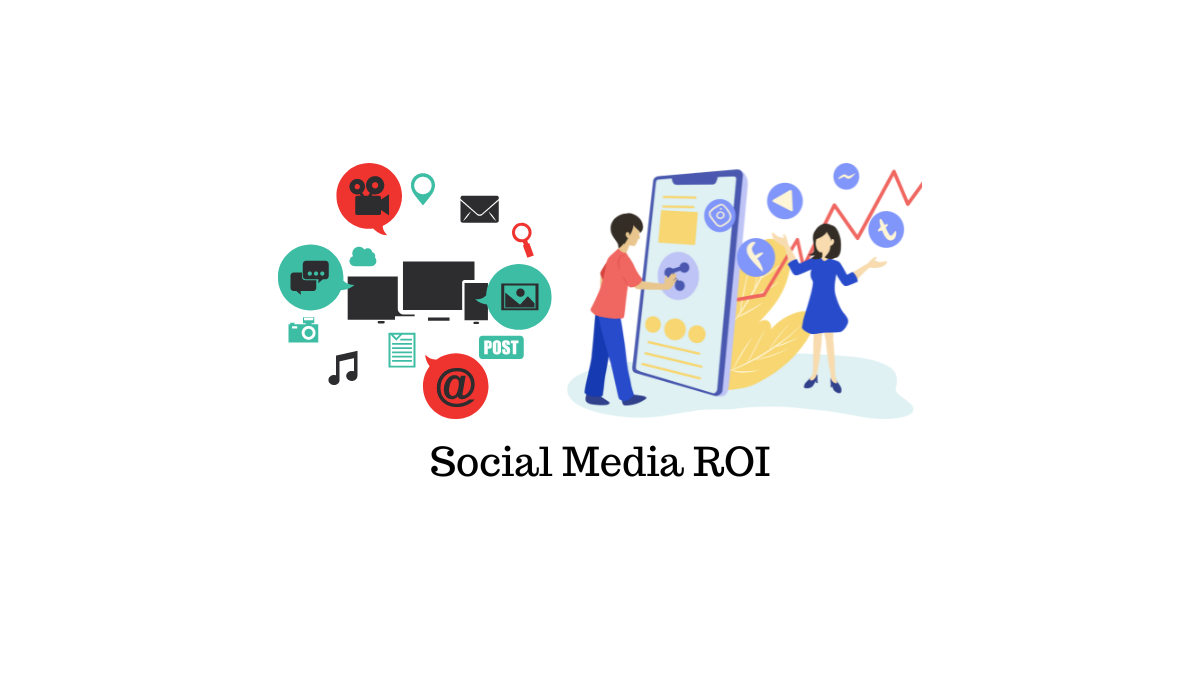
    In the realm of digital marketing, understanding and measuring Social Media ROI (Return on Investment) is crucial for evaluating the effectiveness of your social media efforts and optimizing future strategies. While social media platforms offer vast opportunities for brand visibility, engagement, and lead generation, quantifying the tangible outcomes of your campaigns requires a strategic approach to metrics. Here’s a deep dive into the essential metrics that matter when measuring Social Media ROI, empowering you to make informed decisions and maximize your marketing investment.
    Social Media ROI

    1. Reach and Impressions

    Reach and impressions are fundamental metrics for assessing the potential visibility of your social media content. Reach measures the total number of unique users who have seen your content, while impressions represent the total number of times your content has been displayed, including multiple views by the same user. Monitoring reach and impressions provides insights into the overall exposure of your brand and content across social media platforms.

    2. Engagement Metrics

    Engagement metrics, such as likes, comments, shares, and retweets, quantify how users interact with your social media posts. High engagement rates indicate that your content resonates with your audience, encourages interaction, and drives community engagement. Track engagement metrics to gauge the effectiveness of your content strategy and identify which types of posts generate the most meaningful interactions.

    3. Click-Through Rate (CTR)

    Click-through rate measures the percentage of users who click on a link or call-to-action (CTA) included in your social media posts, ads, or profile. CTR is a critical metric for evaluating the effectiveness of your CTAs and determining how well your content drives traffic to your website, landing pages, or other conversion points. A higher CTR indicates compelling content and effective CTAs that prompt user action.

    4. Conversion Rate

    Conversion rate measures the percentage of users who complete a desired action, such as making a purchase, signing up for a newsletter, or downloading a resource, after clicking on a social media campaign or post. Tracking conversion rates provides valuable insights into the direct impact of your social media efforts on driving tangible business outcomes. Analyze conversion rates to optimize your conversion funnel and maximize ROI from social media campaigns.

    5. Customer Acquisition Cost (CAC)

    Customer acquisition cost calculates the total cost incurred to acquire a new customer through social media marketing efforts. Divide the total costs (including ad spend, content creation, and management fees) by the number of new customers acquired during a specific period to determine CAC. Monitoring CAC helps assess the efficiency and cost-effectiveness of your social media campaigns in acquiring new customers compared to their lifetime value (LTV).

    6. Return on Ad Spend (ROAS)

    Return on ad spend measures the revenue generated for every dollar spent on social media advertising campaigns. Divide the total revenue generated from social media ads by the total ad spend to calculate ROAS. A ROAS greater than 1 indicates that your ad campaigns are generating more revenue than the cost invested, indicating profitability. Use ROAS to optimize ad budget allocation and maximize the efficiency of your advertising investments.

    7. Social Media Sentiment

    Social media sentiment analysis evaluates the overall sentiment (positive, negative, or neutral) expressed by users in response to your brand or campaigns on social media. Monitoring sentiment helps gauge brand perception, identify potential issues or crises, and measure the effectiveness of your content in shaping audience sentiment. Leverage sentiment analysis tools to track trends and sentiment changes over time and adjust your social media strategy accordingly.

    8. Customer Lifetime Value (LTV)

    Customer lifetime value estimates the total revenue generated from a customer throughout their relationship with your brand. Understanding LTV helps justify long-term investments in customer acquisition and retention strategies driven by social media marketing efforts. Calculate LTV based on average purchase value, purchase frequency, and customer retention rates to inform strategic decisions and prioritize high-value customer segments.

    9. Social Media Channel Performance

    Evaluate the performance of individual social media channels (e.g., Facebook, Instagram, Twitter, LinkedIn) based on specific metrics such as follower growth, engagement rates, and referral traffic. Identify which channels yield the highest ROI and align with your target audience demographics and behavior. Allocate resources strategically to channels that drive the most significant impact on your business goals and objectives.

    10. Attribution Models

    Utilize attribution models, such as first-touch, last-touch, or multi-touch attribution, to assign credit to different touchpoints in the customer journey influenced by social media interactions. Attribution models provide insights into how social media contributes to conversions and sales across various channels and devices. Implement advanced attribution techniques to accurately measure the impact of social media on your overall marketing performance and ROI.

    Final Thoughts

    Measuring Social Media ROI requires a holistic approach that encompasses a blend of quantitative metrics, qualitative insights, and strategic analysis. By tracking and interpreting these essential metrics, you can optimize your social media strategy, justify marketing investments, and drive measurable business outcomes. Continuously refine your approach based on data-driven insights to enhance engagement, conversion rates, and overall ROI from your social media efforts.

    Master the art of measuring Social Media ROI. Empower your brand with actionable insights, drive meaningful interactions, and achieve sustainable growth through strategic social media marketing practices aligned with your business objectives and audience expectations.

  • The Power of Influencer Collaborations

    The Power of Influencer Collaborations

    The Power of Influencer Collaborations

    Influencer marketing has exploded into a marketing powerhouse. But with countless sponsored posts flooding social media feeds, how do brands cut through the noise and forge collaborations that resonate with audiences? The answer lies in authenticity. Ditch the generic shout-outs and embrace strategic partnerships built on shared values and genuine connections. Welcome to the world of powerful influencer collaborations!

    In today’s digital age, influencer marketing has become a cornerstone of brand promotion and customer engagement strategies. Leveraging the reach and credibility of influencers allows brands to connect with target audiences authentically, drive brand awareness, and foster trust. If you’re looking to amplify your brand’s presence and influence, understanding the dynamics of influencer collaborations is essential. Here’s a comprehensive exploration of how influencer marketing can propel your brand forward and key strategies for successful collaborations.

    Influencer

    Finding the Perfect Fit: Aligning Values, Not Just Followers

    Not all influencers are created equal. Move beyond just vanity metrics like follower count. Seek influencers whose values, target audience, and content style align perfectly with your brand identity. Imagine your ideal customer – who are they following? Look for influencers who resonate with them on a deeper level.

    Collaboration, Not Dictation: Building Trust and Transparency

    Gone are the days of scripted endorsements. Today’s audiences crave authenticity. Work with influencers to develop creative campaigns that allow them to express their unique voice and perspective while still promoting your brand message.

    The Power of Storytelling: Weaving Brand Narratives with Creativity

    People connect with stories. Empower influencers to weave your brand narrative into their content in a creative and engaging way. This could be a product demonstration infused with the influencer’s personal style, a behind-the-scenes look featuring your brand values, or a user-generated content campaign where the influencer sparks excitement for your product.

    Engagement, Not Just Exposure: Spark Conversations and Interactions

    The true power of influencer collaborations lies in engagement, not just brand awareness. Encourage influencers to create content that sparks conversations with their audience. Host live Q&A sessions, answer audience questions in comments, or run interactive polls – all featuring your brand alongside the influencer. This fosters a sense of community and keeps the audience actively involved.

    Micro-Influencers: A Mighty Marketing Force

    Don’t underestimate the power of micro-influencers – those with smaller but highly engaged followings. These influencers often have a stronger connection with their audience and generate higher engagement rates. Partnering with a few well-chosen micro-influencers can be more effective than a single campaign with a mega-influencer whose audience might be less receptive.

    Long-Term Partnerships: Building Relationships, Not Just Campaigns

    Think beyond one-off collaborations. Nurture long-term relationships with influencers who embody your brand values. This allows for deeper storytelling, fosters trust with the audience, and ensures brand messaging remains consistent over time.

    Transparency is Key: Disclosing Sponsored Content

    Building trust is paramount. Ensure all sponsored content is clearly disclosed according to platform guidelines. This transparency fosters a sense of authenticity and respect for the influencer’s audience.

    Measure Your Success: Going Beyond Likes and Followers

    Look beyond vanity metrics like likes and follower count. Track key performance indicators (KPIs) that align with your campaign goals. This could be website traffic generated, coupon code redemptions, or brand sentiment analysis.

    Embrace the Evolution: Staying Ahead of Influencer Marketing Trends

    The influencer marketing landscape is constantly evolving. Stay updated on emerging platforms, content formats, and audience preferences. Be open to experimenting with new trends while staying true to your brand identity.

    By prioritizing authenticity, fostering collaboration, and measuring success effectively, you can transform influencer marketing from a fleeting trend to a strategic tool for building brand loyalty and achieving your marketing goals. So, identify the perfect influencer partners, craft compelling narratives, and get ready to leverage the power of authentic collaborations!

  • Building Your Brand on LinkedIn

    Building Your Brand on LinkedIn

    Building Your Brand on LinkedIn

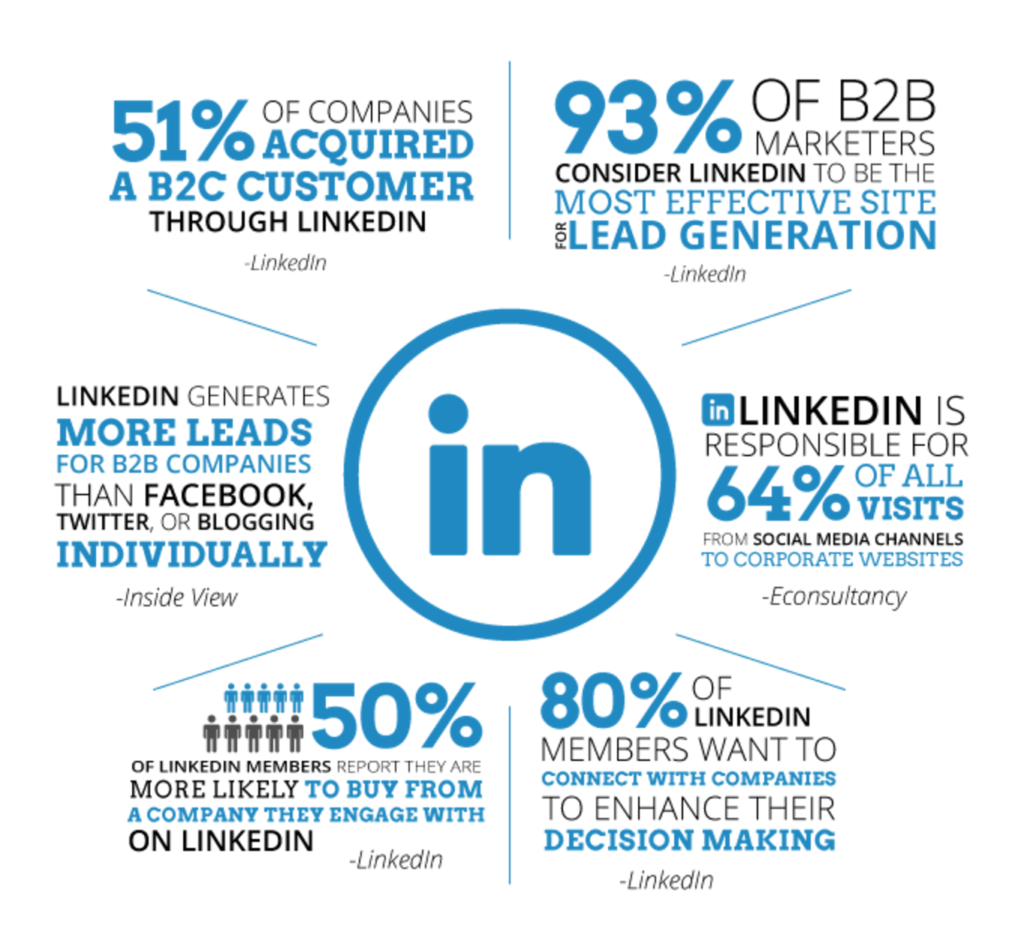
    LinkedIn has evolved from a professional networking platform to a robust hub for brand building and B2B marketing. With its vast network of professionals, thought leaders, and decision-makers, LinkedIn offers unparalleled opportunities to showcase expertise, establish authority, and connect with potential clients or partners. If you’re ready to elevate your brand presence on LinkedIn, here’s a comprehensive guide to mastering LinkedIn marketing strategies that drive engagement, visibility, and business growth.

    LinkedIn Marketing


    1. Optimizing Your LinkedIn Profile

    Your LinkedIn profile serves as your digital business card and should reflect your brand identity effectively. Start by optimizing your profile with a professional headshot, a compelling headline that highlights your expertise or unique selling proposition, and a concise yet informative summary that outlines your professional journey, skills, and achievements. Use relevant keywords related to your industry to enhance discoverability in LinkedIn search results.

    2. Creating Compelling Content

    Content is at the heart of LinkedIn marketing. Share valuable insights, industry trends, tips, and best practices through articles, posts, and multimedia content. Aim to educate, inspire, or entertain your audience while positioning yourself as a thought leader in your niche. Leverage different content formats such as text posts, images, videos, and infographics to cater to diverse preferences and maximize engagement.

    3. Engaging with Your Network

    Build meaningful relationships on LinkedIn by actively engaging with your network. Like, comment, and share content from connections and industry influencers to foster conversations and demonstrate your interest in industry topics. Join relevant LinkedIn Groups to participate in discussions, share knowledge, and expand your network with like-minded professionals. Engagement boosts visibility and establishes credibility within your industry community.

    4. Leveraging LinkedIn Articles

    LinkedIn Articles provide a platform for long-form content where you can delve deeper into industry insights, share success stories, or offer comprehensive guides. Publish articles regularly to showcase your expertise and provide valuable information to your audience. Optimize articles with SEO-friendly titles and relevant keywords to enhance visibility both on LinkedIn and in search engine results.

    5. Showcasing Company Culture and Achievements

    Beyond personal branding, LinkedIn is instrumental in showcasing your company’s culture, values, and achievements. Share updates about company milestones, awards, employee spotlights, and philanthropic initiatives to humanize your brand and attract top talent and potential clients. Use multimedia content such as photos, videos, and employee testimonials to paint a compelling picture of your organization’s ethos and impact.

    6. Utilizing LinkedIn Analytics

    Monitor the performance of your LinkedIn activities using LinkedIn Analytics to gain insights into your audience demographics, content engagement, and follower growth. Track metrics such as post views, likes, comments, shares, and article reads to understand what resonates with your audience. Use these insights to refine your content strategy, optimize posting times, and tailor your messaging for maximum impact.

    7. Networking and Building Connections

    Expand your professional network strategically by connecting with industry peers, clients, prospects, and influencers on LinkedIn. Personalize connection requests with a brief message explaining why you’d like to connect and how you can provide value. Nurture relationships by staying engaged with your connections’ updates, offering support, and seeking opportunities for collaboration or partnership.

    8. Running LinkedIn Ad Campaigns

    LinkedIn Ads offer targeted advertising solutions to reach specific audiences based on job title, industry, company size, and more. Experiment with Sponsored Content, Sponsored InMail, and Text Ads to promote your products or services, drive website traffic, or generate leads. Set clear objectives, define your target audience, and optimize your ad creative and bidding strategy to maximize ROI from your LinkedIn advertising campaigns.

    9. Participating in LinkedIn Events and Webinars

    LinkedIn Events and webinars provide opportunities to engage directly with your target audience, share industry expertise, and generate leads. Host or participate in virtual events, workshops, or webinars on topics relevant to your industry to position yourself as a thought leader and attract quality leads. Promote events through your LinkedIn network and leverage event analytics to measure attendee engagement and follow-up effectively.

    10. Staying Updated with LinkedIn Trends

    Stay informed about LinkedIn’s latest features, algorithm updates, and industry trends to adapt your marketing strategy accordingly. Follow LinkedIn’s official blog, participate in LinkedIn Learning courses, and join LinkedIn Live sessions to stay ahead of the curve. Embrace emerging trends such as video content, live streaming, and interactive posts to keep your LinkedIn presence dynamic and engaging.

    Final Thoughts

    LinkedIn marketing offers unparalleled opportunities for professionals and businesses to establish thought leadership, build meaningful connections, and drive business growth. By implementing these strategies and staying committed to providing value to your audience, you can unlock the full potential of LinkedIn as a powerful platform for brand building and B2B marketing.

    Elevate your brand on LinkedIn. Position yourself as a trusted industry authority, foster relationships, and drive engagement through strategic LinkedIn marketing practices tailored to your unique goals and audience.

  • Top Trends in TikTok Marketing

    Top Trends in TikTok Marketing

    Top Trends in TikTok Marketing

    With its mesmerizing blend of short-form videos, catchy music, and endless creativity, TikTok has exploded into a social media phenomenon. But for brands, it’s more than just a platform for entertainment – it’s a dynamic landscape brimming with marketing potential. So, how can you leverage the power of TikTok to connect with Gen Z and propel your brand to new heights? Let’s dive into the top trends that are taking TikTok marketing by storm!

    TikTok Marketing

    1. Hashtag Challenges: A Gateway to Discovery and Engagement

    Hashtag challenges are the beating heart of TikTok. These user-generated content (UGC) campaigns encourage creativity and participation. Create a branded hashtag challenge that aligns with your brand identity and invites users to participate by showcasing their talent, humor, or unique take on a specific theme. This is a fantastic way to generate brand awareness, user engagement, and potentially go viral!

    2. Partner Up with Influencers: Harnessing the Power of Creators

    TikTok boasts a vibrant creator community. Partnering with the right influencers can be a game-changer for your TikTok marketing strategy. Identify creators who resonate with your target audience and whose content aligns with your brand values. Collaborate on sponsored content, product reviews, or fun challenges to leverage their established audience and amplify your reach.

    3. Embrace Authenticity: Let Your Brand Personality Shine

    People connect with brands that feel real. TikTok thrives on authenticity. Don’t be afraid to showcase your brand personality, inject some humor into your content, and even participate in trending challenges with a unique brand twist. This human touch fosters trust and connection with your audience.

    4. Short and Sweet Storytelling: Captivate in Seconds

    Attention spans are short on TikTok. Craft compelling narratives within the confines of the platform’s short-form video format. Use storytelling techniques to hook viewers in the first few seconds, keep them engaged throughout the video, and leave them wanting more. Experiment with different video formats – tutorials, behind-the-scenes glimpses, or humorous product demonstrations – to find what resonates best with your audience.

    5. Duet It Out: Leverage User Interaction Features

    TikTok’s interactive features are goldmines for engagement. The duet function allows users to create side-by-side videos alongside existing content. Encourage users to duet with your branded content, adding their own creative spin or reacting to your message. This two-way interaction fosters a sense of community and keeps your audience actively involved.

    6. Hop on the Trend Train: Embrace What’s Hot (But Keep it On-Brand)

    Staying relevant on TikTok is key! Keep your finger on the pulse of trending sounds, challenges, and dance routines. But remember, don’t just blindly follow every trend. Infuse trending elements with your brand identity to create content that feels fresh and authentic. This keeps your brand visible while staying true to its core message.

    7. Live it Up with TikTok Live: Go Beyond Pre-Recorded Content

    Live video offers a unique opportunity to connect with your audience in real-time. Host live Q&A sessions, conduct product demonstrations, or offer exclusive behind-the-scenes glimpses during live events. The interactive nature of live video allows you to build a stronger connection with your audience and answer their questions in real-time.

    8. Leverage Influencer Duets: Double Down on Creator Power

    Take influencer partnerships to the next level with influencer duets. Partner with two complementary creators and have them duet a branded challenge or video concept. This taps into the reach of both creators, broadens your audience reach, and injects a fun, collaborative element into your content.

    9. Stitch It Together: Remixing Content for Maximum Engagement

    The “Stitch” feature allows users to seamlessly combine clips from existing videos with their own creative response. Encourage users to stitch together your branded content with their own take, adding commentary, reactions, or building upon your original message. This fosters user-generated content (UGC) in a new form, keeping your brand at the center of the conversation.

    10. Leverage TikTok Ads: Target Your Ideal Audience

    Organic reach is important, but paid advertising can be a powerful tool. Explore TikTok’s advertising options to target your ideal audience with laser precision. Create engaging video ads that showcase your brand story, promote new products, or drive traffic to your website.

    By embracing these top trends and tailoring them to your unique brand voice, you can transform your TikTok presence from a silent observer to a thriving marketing force. Remember, authenticity, creativity, and audience engagement are key to success on TikTok. So, grab your smartphone, unleash your creativity, and get ready to join the vibrant world of TikTok marketing!

  • How to Use Facebook Ads Effectively

    How to Use Facebook Ads Effectively

    How to Use Facebook Ads Effectively

    In the digital age, Facebook Ads have revolutionized the way businesses connect with their target audiences, allowing for precise targeting, engaging creatives, and measurable results. Whether you’re a small startup or a well-established brand, harnessing the power of Facebook Ads can significantly enhance your marketing efforts and drive meaningful business growth. Here’s a comprehensive guide on how to use Facebook Ads effectively to maximize your advertising ROI and achieve your business objectives.

    Understanding Facebook Ads

    Facebook Ads is a robust advertising platform that enables businesses to reach a highly targeted audience based on demographics, interests, behaviors, and location. With billions of users worldwide, Facebook offers unparalleled opportunities to promote your products or services, drive website traffic, increase app installs, generate leads, and more.

    Facebook Ads

    1. Setting Clear Objectives

    Before diving into Facebook Ads, define your advertising objectives clearly. Are you looking to increase brand awareness, drive conversions, boost sales, or grow your email list? Setting specific and measurable goals will guide your ad strategy and help you determine the most relevant metrics for tracking success.

    2. Audience Targeting and Segmentation

    Facebook’s powerful targeting options allow you to tailor your ads to reach the right audience. Utilize demographics such as age, gender, location, education, and income level to narrow down your target audience. Additionally, leverage interests, behaviors, and even custom audiences (based on your existing customer data) to refine your targeting further.

    3. Compelling Ad Creative

    Capture your audience’s attention with visually appealing and compelling ad creatives. Use high-quality images or videos that resonate with your target audience and align with your brand’s message. Incorporate engaging copy that clearly communicates your value proposition and encourages action, whether it’s clicking through to your website or making a purchase.

    4. Ad Formats and Placement

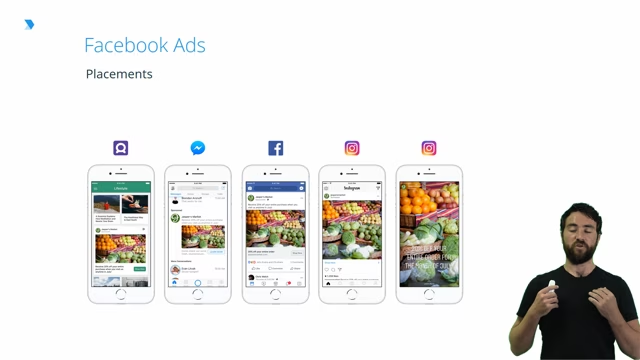
    Choose the right ad format and placement to maximize engagement and visibility. Facebook offers various ad formats including carousel ads, single image or video ads, slideshow ads, and collection ads. Experiment with different formats to see which performs best for your objectives and audience. Consider where your ads will appear (e.g., Facebook News Feed, Instagram feed, Stories, Messenger) to optimize reach and impact.

    5. Budgeting and Bidding Strategies

    Set a realistic budget for your Facebook Ads campaign based on your advertising goals and expected return on investment (ROI). Facebook allows you to choose between daily or lifetime budgets and offers bidding options such as cost-per-click (CPC), cost-per-thousand-impressions (CPM), or cost-per-action (CPA). Monitor your campaign’s performance closely and adjust your budget and bidding strategy as needed to optimize results.

    6. Monitoring and Optimization

    Regularly monitor the performance of your Facebook Ads using Facebook Ads Manager or Business Manager. Track key metrics such as click-through rate (CTR), conversion rate, cost per acquisition (CPA), and return on ad spend (ROAS). Identify top-performing ads and audiences, and allocate more budget to high-performing campaigns while making adjustments to underperforming ones.

    7. A/B Testing

    Optimize your ad campaigns through A/B testing (or split testing) different elements such as ad creatives, copy, audiences, and placements. Test one variable at a time to identify which elements drive the best results. Use insights from A/B testing to refine your ads and continuously improve their performance over time.

    8. Retargeting and Remarketing

    Utilize Facebook’s retargeting capabilities to re-engage users who have interacted with your brand but haven’t completed a desired action (e.g., made a purchase or filled out a form). Create custom audiences based on website visitors, email subscribers, or users who have engaged with your Facebook or Instagram content. Tailor your ads with personalized messaging to encourage conversions from these warm leads.

    9. Leveraging Analytics and Insights

    Gain valuable insights from Facebook Analytics to understand your audience’s behavior, preferences, and interactions with your ads. Use these insights to refine your targeting, messaging, and overall ad strategy. Regularly review performance reports and adjust your approach based on data-driven decisions.

    10. Adapting to Changes and Trends

    Stay updated with Facebook’s advertising policies, algorithm changes, and industry trends to stay ahead of the competition. Experiment with new features and ad formats introduced by Facebook to capitalize on emerging opportunities and maintain relevance with your audience.

    Final Thoughts

    Facebook Ads offer unparalleled opportunities for businesses to reach and engage with their target audience effectively. By implementing these strategies and continuously refining your approach based on performance insights, you can maximize the impact of your Facebook advertising efforts and achieve sustainable growth for your business.

    Unlock the potential of Facebook Ads. Drive engagement, conversions, and business success through strategic advertising on the world’s largest social media platform.

  • 10 Creative Ideas for Instagram Marketing

    10 Creative Ideas for Instagram Marketing

    10 Creative Ideas for Instagram Marketing

    Instagram is a visual playground, a vibrant hub where captivating images and engaging stories reign supreme. But with countless brands vying for attention, how do you make your mark in the ever-scrolling feed? Fear not, marketing mavericks! Here are 10 creative Instagram marketing ideas to ignite your content strategy and turn scrollers into loyal fans.

    Instagram Marketing

    1. Takeover Tuesdays: Hand the Reigns to Your Tribe

    Let your audience experience your brand through a fresh lens! Partner with a loyal customer, influencer, or even an industry expert for a takeover Tuesday. This allows them to curate content from their perspective, showcasing your product or service in a new light and potentially attracting their audience to yours.

    2. Story Time: Captivate with Behind-the-Scenes Glimpses

    People love authenticity. Take your followers behind the scenes with Instagram stories. Offer sneak peeks at new product development, introduce your team members, or document a day in the life at your company. These glimpses into your brand’s inner workings foster trust and connection.

    3. The Power of Polls and Questions: Spark Engagement (and Ideas!)

    Transform your audience from passive viewers to active participants. Instagram polls and questions are fantastic tools for sparking conversations and gathering valuable insights. Ask your followers for their opinion on new product ideas, color palettes, or even what kind of content they’d like to see more of. This two-way communication shows you value their input.

    4. Hop on the Trend Train: Embrace What’s Hot (But Keep it On-Brand)

    Hashtags are your gateway to discovery. Stay updated on trending topics and hashtags, but don’t just blindly jump on every bandwagon. Craft content that cleverly incorporates trending elements while staying true to your brand identity. This keeps your content fresh and relevant without appearing inauthentic.

    5. Insta-Contests: Fun and Games with a Purpose

    Who doesn’t love a good contest? Host interactive contests that encourage user-generated content. Ask your followers to share photos using your product, create captions based on a specific theme, or participate in a photo challenge. Offer exciting prizes to incentivize participation and watch your brand awareness soar.

    6. Collaborate and Conquer: Partner with Like-Minded Brands

    Strategic partnerships can be a win-win situation. Team up with complementary brands for a joint Instagram campaign. Cross-promote each other’s content, host a co-branded giveaway, or develop a creative campaign that showcases the strengths of both brands. This broadens your reach and exposes you to new potential customers.

    7. Live it Up: Embrace the Power of Instagram Live

    Live video offers a unique opportunity to connect with your audience in real-time. Host live Q&A sessions, conduct product demonstrations, or offer exclusive behind-the-scenes glimpses during live events. The interactive nature of live video fosters a sense of community and allows you to connect with your audience on a more personal level.

    8. IGTV: Unveiling Your Long-Form Stories

    Sometimes, a captivating story needs more than a 15-second snippet. IGTV allows you to share longer-form video content, perfect for tutorials, interviews, or in-depth product demonstrations. Leverage IGTV to showcase your brand’s expertise and provide valuable content that educates and entertains your audience.

    9. Shoppable Stories and Posts: Seamlessly Blend Browsing with Buying

    Gone are the days of directing followers to click cumbersome links in your bio. Instagram’s shoppable features allow you to tag products directly within your posts and stories. This makes it easier than ever for potential customers to discover and purchase your products, creating a seamless path from browsing to buying.

    10. Embrace User-Generated Content: Let Your Fans Be Your Stars

    User-generated content (UGC) is a powerful marketing tool. Showcase photos and videos featuring your products or services created by your loyal fans. This social proof builds trust and authenticity, encouraging others to see how real people are using and loving your brand.

    By implementing these creative ideas and tailoring them to your unique brand voice, you can transform your Instagram presence from ordinary to extraordinary. Remember, consistency is key. So, grab your smartphone, unleash your creativity, and get ready to watch your Instagram marketing strategy flourish!

  • The Ultimate Guide to Social Media Strategies

    The Ultimate Guide to Social Media Strategies

    The Ultimate Guide to Social Media Strategies

    In today’s digital landscape, social media has become more than just a platform for connecting with friends; it’s a powerful tool for businesses to build their brand, engage with customers, and drive growth. Crafting effective social media strategies is essential for leveraging these platforms to their fullest potential. Whether you’re a seasoned marketer or new to the world of social media, understanding and implementing strategic approaches can elevate your online presence and drive meaningful results. Let’s dive into the ultimate guide to social media strategies and unlock the keys to success in the digital age.

    Social Media

    Understanding Social Media Strategies

    Social media strategies encompass a range of techniques and tactics designed to achieve specific goals, such as increasing brand awareness, driving website traffic, generating leads, or fostering community engagement. A well-crafted strategy takes into account your target audience, platform dynamics, content planning, and metrics for measuring success.

    Key Components of Effective Social Media Strategies

    1. Define Your Goals: Start by identifying clear and measurable objectives for your social media efforts. Whether it’s increasing followers, boosting engagement rates, or driving conversions, clearly defined goals provide direction and focus for your strategy.
    2. Know Your Audience: Understanding your target audience’s demographics, interests, and online behaviors is essential for creating relevant and engaging content. Use analytics tools and audience insights to gather data and tailor your content to resonate with your audience.
    3. Choose the Right Platforms: Select social media platforms that align with your business goals and where your target audience is most active. Whether it’s Facebook, Instagram, Twitter, LinkedIn, or emerging platforms like TikTok, each offers unique opportunities for reaching and engaging with your audience.
    4. Content Planning and Creation: Develop a content strategy that showcases your brand’s personality, values, and offerings. Create a content calendar to plan and schedule posts in advance, ensuring consistency and relevance. Mix up content formats such as images, videos, infographics, and blog posts to keep your audience engaged.
    5. Engagement and Community Building: Foster genuine interactions with your audience by responding to comments, messages, and mentions promptly. Encourage user-generated content, run contests or polls, and participate in relevant conversations to build a loyal community around your brand.

    Implementing Social Media Tactics

    1. Paid Advertising: Utilize targeted social media advertising campaigns to reach specific demographics, promote products or services, and drive conversions. Platforms offer advanced targeting options based on demographics, interests, behavior, and more.
    2. Influencer Partnerships: Collaborate with influencers and industry experts to amplify your brand’s reach and credibility. Influencer partnerships can help you tap into new audiences and leverage their influence to endorse your products or services authentically.
    3. Analytics and Measurement: Regularly monitor and analyze key metrics such as engagement rates, click-through rates, conversion rates, and return on investment (ROI). Use analytics tools provided by social media platforms or third-party software to track performance and optimize your strategy accordingly.

    Staying Ahead with Trends and Innovation

    The landscape of social media is constantly evolving with new features, trends, and algorithm updates. Stay informed about industry trends, emerging platforms, and best practices to adapt your strategy and stay ahead of the curve. Experiment with new content formats, storytelling techniques, and interactive features to keep your audience engaged and intrigued.

    Building a Sustainable Strategy

    Consistency, authenticity, and adaptability are the pillars of a sustainable social media strategy. Regularly review and refine your strategy based on performance insights, audience feedback, and industry trends. By staying agile and responsive, you can continuously optimize your approach and achieve long-term success on social media.

    Final Thoughts

    Effective social media strategies are not one-size-fits-all but rather a dynamic combination of planning, creativity, and data-driven insights. By understanding your audience, leveraging platform capabilities, and consistently delivering valuable content, you can harness the full potential of social media to achieve your business objectives and foster meaningful connections with your audience.

    Master the art of social media strategies. Elevate your brand’s presence and drive engagement with strategic approaches tailored to your unique goals and audience.

  • Building a Strong Brand Presence on Social Media

    Building a Strong Brand Presence on Social Media

    Building a Strong Brand Presence on Social Media

    In today’s digital age, social media reigns supreme. It’s the bustling marketplace where we connect, consume information, and build communities. But for businesses, this online landscape presents a golden opportunity – a chance to cultivate a strong brand presence and connect with their target audience on a deeper level. However, simply having a social media presence isn’t enough. To truly thrive, you need a strategic approach that fosters brand awareness, engagement, and ultimately, loyalty.

    In today’s digital age, a strong brand presence on social media is essential for businesses looking to connect with their audience, build credibility, and drive growth. With billions of active users across various platforms, social media offers unparalleled opportunities to showcase your brand’s personality, engage with your audience, and establish a loyal following. In this comprehensive guide, we’ll explore the fundamentals of building a strong brand presence on social media, uncovering strategies for success and maximizing your impact.

    Know Your Audience: The Foundation of Brand Connection

    Before diving headfirst into crafting content and posting away, take a moment to understand who you’re trying to reach. Who is your ideal customer? What are their interests, challenges, and online habits? Do they crave informative blog posts or laugh out loud at funny memes? Understanding your audience is the foundation for building a brand presence that resonates with them and compels them to connect.

    Brand Presence

    Crafting a Compelling Brand Identity: Be Your Unique Self

    Social media is a crowded space. What makes your brand stand out? Develop a clear and consistent brand identity that reflects your values, personality, and what makes you unique. This brand identity will guide your content creation, visual style, and overall social media presence. Think of it as your brand’s voice – authentic, engaging, and instantly recognizable.

    Content is King (and Queen): A Recipe for Engagement

    High-quality content is the cornerstone of a strong social media presence. Move beyond generic posts and promotional messages. Instead, create engaging content that sparks conversations, educates your audience, and entertains them. Visuals are key – eye-catching photos, captivating infographics, and short, informative videos can grab attention and leave a lasting impression.

    The Power of Storytelling: Weaving a Narrative that Captivates

    People connect with stories. Use social media to weave a captivating narrative about your brand. Showcase your company culture, highlight the human element behind your products, and tell stories that resonate with your audience’s aspirations and challenges. This emotional connection is what fosters brand loyalty and makes people want to be part of your brand story.

    Embrace the Power of Community: Building Relationships, Not Just Followers

    Social media is a two-way street. Don’t just broadcast messages into the void. Actively engage with your audience by responding to comments, participating in conversations, and answering questions promptly. Encourage user-generated content by running contests and asking thought-provoking questions. Building a community around your brand fosters a sense of belonging and strengthens brand loyalty.

    Consistency is Key: Showing Up and Staying Relevant

    Building a strong brand presence on social media is a marathon, not a sprint. Consistency is key. Develop a regular posting schedule and stick to it. This ensures your audience knows when to expect new content and keeps your brand top-of-mind. But consistency goes beyond just timing. Maintain a consistent visual style, brand voice, and overall messaging across all your social media platforms.

    Leveraging Social Media Analytics: Data-Driven Decisions for Growth

    Social media platforms offer a wealth of data and insights. Utilize analytics tools to track your reach, engagement, and website traffic. See what content resonates with your audience and what falls flat. Use this data to refine your strategy, optimize your content calendar, and ensure your social media efforts are driving towards your business goals.

    The Power of Paid Advertising: A Targeted Boost for Brand Awareness

    While organic reach is important, social media advertising allows you to amplify your message and target your ideal audience with laser precision. Leverage paid advertising platforms to promote valuable content, reach new followers, and drive conversions. But remember, paid advertising is a tool to be used strategically. Ensure your ad creatives are visually appealing and your targeting is on point to maximize your return on investment.

    Building a Strong Brand Presence: A Journey, Not a Destination

    Building a strong brand presence on social media takes time, dedication, and continuous refinement. Stay curious, experiment with different strategies, and embrace the ever-evolving social media landscape. By focusing on creating valuable content, fostering genuine connections with your audience, and leveraging the power of data and analytics, you can transform your social media presence from an afterthought into a powerful tool for brand growth. So, are you ready to embark on this exciting journey?

  • Maximizing Your Reach with Social Media Automation

    Maximizing Your Reach with Social Media Automation

    Maximizing Your Reach with Social Media Automation

    In today’s fast-paced digital landscape, maintaining a strong presence on social media is essential for businesses looking to reach and engage with their target audience. However, with the ever-increasing demands of content creation, posting schedules, and audience engagement, managing multiple social media accounts can quickly become overwhelming. Enter social media automation – a powerful tool that enables brands to streamline their social media efforts, maximize their reach, and drive meaningful interactions with their audience. In this guide, we’ll explore the world of social media automation, uncovering its benefits, best practices, and strategies for success.

    Understanding Social Media Automation:

    At its core, social media automation involves using tools and software to schedule, publish, and manage social media content across multiple platforms automatically. From scheduling posts in advance to monitoring mentions and engagement in real-time, social media automation allows brands to streamline their workflow, save time, and maintain a consistent presence on social media without sacrificing quality or authenticity. By automating repetitive tasks and freeing up valuable time, brands can focus on creating compelling content and engaging with their audience more effectively.

    Social Media Automation

    Benefits of Social Media Automation:

    The benefits of social media automation are manifold, offering brands a range of advantages in their quest to maximize their reach and engagement on social platforms. Some key benefits include:

    1. Time Savings: By automating tasks such as content scheduling, posting, and monitoring, brands can save valuable time and resources that can be reallocated to other strategic initiatives.
    2. Consistency: Maintaining a consistent presence on social media is crucial for building brand awareness and engagement. Social media automation ensures that your content is posted regularly and at optimal times, helping to maintain consistency and visibility among your audience.
    3. Increased Efficiency: Automation streamlines your social media workflow, allowing you to accomplish more in less time. By eliminating manual tasks and reducing the risk of human error, automation helps brands work more efficiently and effectively.
    4. Improved Engagement: Automation tools can help brands identify and capitalize on opportunities for engagement, such as responding to comments and messages in real-time and joining relevant conversations in your industry or niche.
    5. Data-driven Insights: Many automation tools offer analytics and reporting features that provide valuable insights into your social media performance. By tracking key metrics such as engagement, reach, and conversion rates, brands can gain a deeper understanding of their audience and refine their strategy accordingly.

    Best Practices for Social Media Automation:

    While social media automation offers numerous benefits, it’s essential to approach it thoughtfully and strategically to maximize its effectiveness. Here are some best practices to keep in mind:

    1. Set Clear Goals: Before implementing social media automation, define clear goals and objectives for your social media strategy. Whether it’s increasing brand awareness, driving website traffic, or generating leads, having a clear roadmap will help guide your automation efforts and measure success.
    2. Choose the Right Tools: There are countless social media automation tools available, each offering different features and capabilities. Take the time to research and choose the tools that best align with your needs and objectives. Consider factors such as ease of use, integration with other platforms, and pricing.
    3. Maintain Authenticity: While automation can streamline your social media workflow, it’s essential to maintain authenticity and humanize your brand. Avoid overly promotional or robotic-sounding content, and strive to engage authentically with your audience.
    4. Monitor and Adjust: Social media is dynamic and ever-changing, so it’s essential to monitor your automation efforts regularly and adjust your strategy as needed. Pay attention to feedback from your audience, track key metrics, and be willing to pivot if something isn’t working.
    5. Experiment and Iterate: Don’t be afraid to experiment with different types of content, posting schedules, and automation strategies. Use A/B testing to compare the performance of different approaches and iterate based on the results.

    Strategies for Success:

    To make the most of social media automation, consider implementing the following strategies:

    1. Content Curation: Use automation tools to curate relevant content from other sources in your industry or niche. Sharing curated content can help position your brand as a valuable resource and keep your audience engaged.
    2. Evergreen Content: Identify evergreen content – i.e., content that remains relevant and valuable over time – and schedule it for reposting at regular intervals. This allows you to maximize the lifespan of your content and reach new audience members who may have missed it the first time around.
    3. Engagement Automation: While automation can streamline your posting schedule, it’s essential to maintain an active presence on social media by engaging with your audience in real-time. Consider using automation tools to schedule time for responding to comments, messages, and mentions throughout the day.
    4. Cross-promotion: Use automation to cross-promote your social media accounts and content across different platforms. For example, you can automatically share your Instagram posts to Twitter or Facebook, increasing your reach and visibility.
    5. Data Analysis: Leverage the analytics and reporting features of your automation tools to track the performance of your social media efforts continually. Use this data to identify trends, measure the impact of your strategy, and make informed decisions moving forward.
  • Navigating the World of Social Media Analytics

    Navigating the World of Social Media Analytics

    Navigating the World of Social Media Analytics

    In the ever-evolving landscape of digital marketing, social media analytics has emerged as a powerful tool for understanding, evaluating, and optimizing your brand’s performance across social platforms. By harnessing the wealth of data available through social media analytics tools, brands can gain invaluable insights into their audience, content strategy, and overall effectiveness of their social media efforts. In this guide, we’ll delve into the world of social media analytics, exploring its key features, benefits, and strategies for leveraging data-driven insights to drive success.

    Understanding Social Media Analytics:

    At its core, social media analytics refers to the process of gathering and analyzing data from social media platforms to inform decision-making and strategy development. From tracking key metrics such as engagement, reach, and impressions to monitoring sentiment, demographics, and content performance, social media analytics provides brands with a comprehensive view of their social media presence and impact. By understanding how users interact with your content and engage with your brand online, you can make informed decisions to optimize your strategy and achieve your marketing objectives.

    Social Media Analytics

    Key Metrics and KPIs:

    When it comes to social media analytics, there is no shortage of metrics to track. However, not all metrics are created equal, and it’s essential to focus on those that align with your business goals and objectives. Some key metrics to consider include:

    1. Engagement: Measures the level of interaction your content receives, including likes, comments, shares, and clicks.
    2. Reach: Indicates the number of unique users who have seen your content.
    3. Impressions: Represents the total number of times your content has been displayed on users’ screens.
    4. Click-Through Rate (CTR): Measures the percentage of users who click on a link or call-to-action within your content.
    5. Conversion Rate: Tracks the percentage of users who take a desired action, such as making a purchase or signing up for a newsletter.

    By tracking these and other relevant metrics, you can gain insights into the effectiveness of your social media efforts and identify areas for improvement.

    Tools and Platforms:

    A plethora of social media analytics tools and platforms are available to help brands gather, analyze, and visualize their social media data. From native platform analytics dashboards to third-party tools like Hootsuite, Sprout Social, and Google Analytics, these tools offer a range of features and capabilities to suit your needs. Whether you’re looking to track real-time performance, benchmark against competitors, or generate detailed reports for stakeholders, there’s a tool out there to help you make sense of your social media data.

    Sentiment Analysis and Brand Monitoring:

    In addition to tracking quantitative metrics, social media analytics can also provide valuable insights into qualitative factors such as sentiment and brand perception. Sentiment analysis tools can analyze social media mentions and conversations to determine whether they are positive, negative, or neutral, allowing brands to gauge public sentiment and identify potential PR crises or reputation management opportunities. By monitoring brand mentions and sentiment, you can stay ahead of the curve and proactively address any issues that may arise.

    Content Optimization and Strategy Development:

    Perhaps the most significant benefit of social media analytics is its ability to inform content optimization and strategy development. By analyzing which types of content resonate most with your audience, when they are most active, and which channels drive the most engagement, you can tailor your content strategy to maximize impact and ROI. Experiment with different content formats, posting schedules, and messaging strategies, and use social media analytics to track the results and iterate based on what works best for your brand.

    Influencer Identification and Partnership:

    Social media analytics can also be invaluable for identifying potential influencers and strategic partners for your brand. By analyzing influencers’ reach, engagement rates, and audience demographics, you can pinpoint those who align with your brand values and target market. Collaborating with influencers can help you reach new audiences, increase brand awareness, and drive engagement and conversions. Use social media analytics to track the performance of influencer partnerships and measure the impact on your brand’s objectives.

    Transforming Data into Actionable Insights

    Social media analytics can be a goldmine of valuable information, but it’s only useful if you translate data into actionable insights. Use your newfound knowledge to inform your social media strategy, create content that resonates with your audience, and ultimately drive business growth.

    So, the next time you feel overwhelmed by the sea of data in your social media analytics dashboard, take a deep breath and remember – this information is your key to unlocking social media success. With the right approach, you can transform social media analytics from a cryptic puzzle into a roadmap leading your brand to new heights. Now, go forth and conquer the world of social media analytics!