Category: SEO

  • How to Leverage Data Analytics for Better Marketing Decisions

    How to Leverage Data Analytics for Better Marketing Decisions

    How to Leverage Data Analytics for Better Marketing Decisions

    In the digital landscape of 2024, Data Analytics has become the powerhouse behind effective marketing strategies. The ability to harness and interpret data is no longer a luxury—it’s a necessity. By leveraging Data Analytics, you can make informed decisions that drive your marketing efforts and achieve impressive results. Here’s how you can unlock the full potential of data analytics to transform your marketing strategies and stay ahead of the curve.

    Data Analytics

    1. Personalize Your Marketing Campaigns

    Personalization is key to connecting with today’s consumers, and Data Analytics plays a critical role in making it happen. By analyzing customer data such as browsing behavior, purchase history, and demographic information, you can segment your audience and tailor your marketing messages accordingly. For instance, data-driven insights allow you to craft personalized email campaigns, targeted social media ads, and customized content that resonate with individual preferences. Personalized marketing not only boosts engagement but also enhances the customer experience and drives conversions.

    2. Optimize Your Ad Spend with Precision

    One of the major advantages of Data Analytics is its ability to optimize your advertising budget. By tracking and analyzing the performance of your ads across different channels, you can identify which campaigns are delivering the best ROI. Metrics like click-through rates, conversion rates, and cost-per-acquisition provide valuable insights into where your money is best spent. Use these insights to reallocate your budget towards high-performing ads, eliminate underperforming ones, and maximize the efficiency of your marketing investments.

    3. Enhance Customer Journey Mapping

    Understanding the customer journey is crucial for creating effective marketing strategies, and Data Analytics offers a detailed view of how customers interact with your brand at each touchpoint. By analyzing data from various sources—such as website visits, social media interactions, and email engagement—you can map out the typical paths customers take before making a purchase. This information helps you identify pain points, optimize the user experience, and streamline the journey to increase the likelihood of conversion.

    4. Predict Future Trends and Behaviors

    Predictive analytics is a powerful aspect of Data Analytics that allows you to anticipate future trends and consumer behaviors. By examining historical data and identifying patterns, you can forecast upcoming trends, customer preferences, and market shifts. For example, analyzing past sales data can help you predict which products are likely to be popular in the coming months, enabling you to adjust your inventory and marketing strategies accordingly. This forward-looking approach helps you stay ahead of competitors and seize new opportunities.

    5. Measure and Improve Content Performance

    Content marketing remains a cornerstone of digital strategy, and Data Analytics is essential for measuring its effectiveness. Track metrics such as page views, time on page, social shares, and conversion rates to evaluate how well your content is performing. Use these insights to determine which types of content resonate most with your audience and adjust your content strategy to focus on high-impact topics and formats. Continuous analysis allows you to refine your content efforts and ensure that you’re delivering valuable, engaging material.

    6. Refine Your Social Media Strategy

    Social media platforms are rich sources of data, and Data Analytics can help you refine your social media strategy for better results. By analyzing engagement metrics like likes, shares, comments, and follower growth, you can gauge the effectiveness of your social media campaigns. Identify which platforms and types of content generate the most engagement and tailor your social media efforts to focus on these areas. Data-driven insights enable you to optimize your posting schedule, content themes, and promotional tactics to enhance your social media presence.

    7. Improve Customer Segmentation

    Effective customer segmentation is key to delivering targeted marketing messages, and Data Analytics enhances your ability to segment your audience accurately. Analyze customer data to identify distinct segments based on behaviors, preferences, and demographics. For example, segmenting your audience by purchase history or engagement level allows you to create highly relevant marketing campaigns for each group. This targeted approach increases the likelihood of conversion and ensures that your marketing efforts are aligned with customer needs.

    8. Identify and Address Churn Risks

    Customer retention is just as important as acquisition, and Data Analytics helps you identify and address churn risks. By analyzing customer behavior and engagement patterns, you can pinpoint signals that indicate potential churn, such as decreased interaction or declining purchase frequency. Implement retention strategies based on these insights, such as personalized offers or targeted re-engagement campaigns, to address the issues and keep your customers loyal.

    9. Enhance Email Marketing Effectiveness

    Email marketing remains a powerful tool, and Data Analytics can significantly enhance its effectiveness. Track metrics such as open rates, click-through rates, and conversion rates to evaluate the performance of your email campaigns. Use this data to segment your email list, test different subject lines and content formats, and optimize your send times. Data-driven adjustments ensure that your emails reach the right audience with the right message, leading to higher engagement and conversion rates.

    10. Monitor Competitor Performance

    Keeping an eye on your competitors is essential for staying competitive, and Data Analytics provides valuable insights into their performance. Analyze data on competitors’ marketing strategies, content performance, and social media engagement to identify their strengths and weaknesses. This information helps you benchmark your performance, uncover opportunities for differentiation, and refine your own strategies to gain a competitive edge.

    By harnessing the power of Data Analytics, you can make more informed marketing decisions, optimize your strategies, and achieve greater success. Embrace these data-driven approaches to unlock new opportunities and drive impactful results in your marketing efforts.

  • Why Local SEO is Crucial for Your Business’s Success
    Why Local SEO is Crucial for Your Business’s Success

    Why Local SEO is Crucial for Your Business’s Success

    In the bustling digital marketplace of 2024, Local SEO has emerged as a pivotal strategy for businesses aiming to capture the attention of nearby customers. As search engines become more sophisticated, the importance of local optimization cannot be overstated. If your business relies on attracting local clientele or driving foot traffic to a physical location, understanding and leveraging Local SEO is crucial for your success. Here’s why investing in local SEO is a game-changer for your business and how it can propel you to new heights.

    Local SEO

    1. Boost Your Visibility in Local Searches

    Local SEO ensures that your business appears prominently in search results when potential customers are looking for services or products in your area. With localized search terms like “best coffee shop near me” or “plumber in [Your City],” optimized businesses can secure top positions in search results and Google Maps listings. This visibility is essential for driving relevant traffic to your site and increasing your chances of converting local searches into real-world customers.

    2. Capitalize on Mobile Search Trends

    Mobile search is dominating the digital landscape, with a significant portion of local searches happening on smartphones. As users search for businesses while on the go, local SEO becomes even more critical. Optimizing your site for mobile ensures a seamless user experience, and by leveraging local keywords and location-based content, you increase your chances of appearing in mobile search results. This optimization caters to users’ immediate needs and encourages them to visit your store or contact you directly.

    3. Drive Foot Traffic with Google My Business

    Google My Business (GMB) is a powerhouse tool for local SEO that directly impacts your online visibility and foot traffic. A well-optimized GMB profile helps you appear in local search results and Google Maps, showcasing essential information like your address, phone number, business hours, and customer reviews. Regularly updating your GMB profile with accurate details and engaging content, such as photos and posts, can attract more local customers and enhance your business’s credibility.

    4. Build Trust with Customer Reviews

    Customer reviews are a significant factor in local SEO and can heavily influence potential customers’ decisions. Positive reviews enhance your business’s reputation and increase trust, while a higher rating can improve your rankings in local search results. Encourage satisfied customers to leave reviews on platforms like Google, Yelp, and Facebook. Responding to reviews—both positive and negative—demonstrates excellent customer service and engagement, further boosting your local SEO efforts.

    5. Outshine Competitors in Your Area

    In a competitive market, standing out from local competitors is essential for success. Local SEO helps you differentiate your business by targeting specific geographic areas and optimizing for local keywords. By focusing on your unique selling points and local relevance, you can outrank competitors and capture a larger share of the local market. A well-executed local SEO strategy ensures that when potential customers search for businesses like yours, you’re the one they find first.

    6. Enhance Local Relevance with Geo-Targeted Content

    Creating geo-targeted content is a powerful local SEO tactic that increases your relevance in local searches. Tailor your content to address local interests, events, or news to engage your community and attract local search traffic. For instance, if you run a restaurant, blog about local food festivals or share recipes featuring regional ingredients. This localized approach not only improves your SEO but also establishes your business as a valuable part of the local community.

    7. Improve Local Link Building

    Local link building is a strategy that involves acquiring backlinks from other local websites, such as news outlets, blogs, or business directories. These local backlinks signal to search engines that your business is relevant and authoritative in your area. Engage with local organizations, sponsor events, or collaborate with local influencers to earn high-quality local backlinks. This enhances your local SEO and strengthens your presence in local search results.

    8. Optimize for Local Voice Search

    With the rise of voice-activated devices like smart speakers, optimizing for local voice search is becoming increasingly important. Voice searches are often more conversational and location-specific, such as “Where’s the closest gym?” To optimize for voice search, incorporate natural language and question-based keywords into your content. Ensure your local business information is up-to-date and consistent across all online platforms to improve your chances of being featured in voice search results.

    9. Leverage Local Structured Data Markup

    Structured data markup helps search engines understand the content of your site and can enhance your visibility in local searches. Implementing local structured data, such as Schema.org markup for your business address, phone number, and operating hours, helps search engines display accurate information in local search results. This markup can lead to rich snippets and improved local search rankings, making it easier for customers to find and interact with your business.

    10. Monitor and Adjust Your Local SEO Strategy

    Local SEO is not a set-it-and-forget-it strategy. Regularly monitoring your local search performance and adjusting your tactics is crucial for ongoing success. Use tools like Google Search Console and local SEO analytics platforms to track your rankings, traffic, and engagement. Analyze your data to identify areas for improvement and stay updated on local SEO trends and algorithm changes to keep your strategy effective and competitive.

    By prioritizing Local SEO, you can significantly enhance your business’s online visibility, attract more local customers, and drive growth. Embrace these strategies to ensure your business stands out in local searches and thrives in the competitive digital landscape of 2024.

  • How SEO Can Transform Your Business’s Online Success

    How SEO Can Transform Your Business’s Online Success

    How SEO Can Transform Your Business’s Online Success

    In the digital age of 2024, SEO isn’t just a buzzword—it’s a crucial element of any successful online strategy. If you’re aiming to elevate your business’s online success, understanding and harnessing the power of SEO is essential. Here’s how SEO can revolutionize your digital presence and drive remarkable growth for your business.

    SEO

    1. Boost Your Visibility with Smart Keyword Optimization

    In the world of SEO, keywords are still king. However, in 2024, it’s not just about stuffing your content with popular search terms. Instead, focus on smart keyword optimization by integrating long-tail keywords and conversational phrases that match how users actually search. Advanced tools like AI-driven keyword research can help you identify high-value keywords that resonate with your target audience. This refined approach ensures your content ranks higher on search engine results pages (SERPs) and attracts qualified traffic.

    2. Enhance User Experience with Technical SEO

    Technical SEO is the backbone of a well-optimized website. It involves ensuring your site’s technical elements—like site speed, mobile-friendliness, and crawlability—are top-notch. With Google’s emphasis on user experience, a fast-loading, mobile-optimized site is crucial for keeping visitors engaged. Utilize tools like Google Search Console and PageSpeed Insights to regularly audit and enhance your website’s performance. A seamless user experience not only boosts your rankings but also reduces bounce rates and increases conversions.

    3. Leverage Content Marketing for Authority and Engagement

    Content is still a major player in SEO, but in 2024, it’s about creating content that establishes authority and engages your audience. Develop a content strategy that includes high-quality blog posts, informative guides, and engaging multimedia like videos and infographics. Focus on providing value through well-researched, in-depth content that answers your audience’s questions and solves their problems. This approach not only enhances your SEO but also positions your brand as a trusted industry leader.

    4. Embrace Local SEO for Targeted Visibility

    For businesses targeting local markets, local SEO is a game-changer. Optimize your Google My Business profile, encourage customer reviews, and use local keywords to enhance your visibility in local search results. Features like local pack results and Google Maps integration can significantly boost your chances of being discovered by nearby customers. Local SEO helps attract foot traffic to physical locations and drives more relevant, high-intent traffic to your website.

    5. Tap into the Power of Voice Search

    With the increasing use of voice-activated devices, optimizing for voice search is becoming more important. Voice searches are typically more conversational and question-based compared to text searches. Incorporate natural language and question-focused keywords into your content to align with how people speak. Structured data and schema markup can also help search engines understand and present your content more effectively in voice search results.

    6. Build Quality Backlinks to Enhance Authority

    Backlinks from reputable websites are a critical factor in SEO success. They signal to search engines that your content is credible and valuable. Focus on building high-quality backlinks through strategies like guest blogging, influencer collaborations, and creating shareable content. Avoid black-hat tactics and prioritize earning backlinks naturally through genuine engagement and relationship-building. A strong backlink profile can significantly boost your domain authority and improve your search rankings.

    7. Utilize SEO Analytics for Continuous Improvement

    SEO isn’t a one-time effort—it’s an ongoing process that requires regular monitoring and adjustment. Use analytics tools like Google Analytics and SEMrush to track your SEO performance, analyze traffic patterns, and measure the impact of your strategies. Pay attention to metrics such as organic traffic, keyword rankings, and user behavior. This data-driven approach allows you to refine your tactics, address any issues, and continuously enhance your SEO efforts for better results.

    8. Integrate Social Media for SEO Synergy

    Social media and SEO are interconnected, and leveraging social platforms can amplify your SEO efforts. Share your content on social media to drive traffic and generate engagement. Social signals, such as likes, shares, and comments, can indirectly influence your search rankings by increasing visibility and driving more traffic to your site. Engage with your audience on social platforms to build relationships and encourage them to interact with your content.

    9. Focus on Mobile Optimization

    With the rise of mobile internet usage, mobile optimization is essential for SEO success. Ensure your website is fully responsive and provides a seamless experience across all devices. Google’s mobile-first indexing means that the mobile version of your site is used for ranking and indexing, so a mobile-friendly site is crucial for maintaining high search rankings and offering a positive user experience.

    10. Implement Structured Data for Rich Snippets

    Structured data helps search engines understand the content of your pages and can lead to enhanced visibility through rich snippets. Use schema markup to provide additional context about your content, such as product reviews, events, or recipes. Rich snippets can improve your click-through rates by making your search results more attractive and informative.

    By embracing these SEO strategies, you can transform your business’s online success, driving more traffic, enhancing user engagement, and achieving higher search engine rankings. Stay ahead of the curve by continuously refining your SEO practices and adapting to emerging trends.

  • How to Write SEO-Friendly Content

    How to Write SEO-Friendly Content

    How to Write SEO-Friendly Content

    In the digital age, creating content that not only engages your audience but also ranks well on search engines is paramount. SEO-friendly content isn’t just about stuffing keywords; it’s about creating valuable, relevant, and optimized content that resonates with both users and search engines. Whether you’re a seasoned content creator or just starting, mastering the art of SEO-friendly content can significantly enhance your online presence. Here’s how you can craft content that ticks all the SEO boxes:

    SEO-Friendly Content 

    1. Keyword Research and Strategy

    Why it Matters: Keyword research forms the foundation of SEO-friendly content. Identify relevant keywords and phrases that your target audience is searching for. Tools like Google Keyword Planner, SEMrush, and Ahrefs can help uncover search volumes, competition levels, and related keywords to optimize your content effectively.

    Implementation Tips:

    • Long-tail Keywords: Focus on specific, longer phrases that indicate user intent. They often have lower competition and higher conversion rates.
    • LSI Keywords: Use Latent Semantic Indexing (LSI) keywords—related terms and synonyms—to add context and relevance to your content naturally.

    2. Compelling and Click-Worthy Headlines

    Why it Matters: Your headline is the first impression you make on potential readers and search engines. A compelling headline not only attracts clicks but also sets expectations for what the content delivers.

    Implementation Tips:

    • Include Keywords: Incorporate your primary keyword naturally into the headline.
    • Use Numbers or Triggers: Numbers, questions, or power words (like “ultimate,” “essential,” “guide”) can increase click-through rates (CTR).
    • Stay Concise: Aim for clarity and relevance in fewer than 70 characters for optimal visibility in search results.

    3. Structure and Formatting for Readability

    Why it Matters: Well-structured content improves user experience and keeps readers engaged. Search engines also prioritize content that is easy to read and navigate.

    Implementation Tips:

    • Use Headers (H1, H2, H3): Organize your content into sections with clear headers. Use H1 for the main title and H2, H3 for subheadings to break down content logically.
    • Paragraph Length: Keep paragraphs short (3-4 sentences) for readability. Use bullet points and numbered lists to simplify complex information.
    • Include Multimedia: Use images, videos, infographics, and charts to enhance content and break up text.

    4. Optimized Meta Descriptions and URLs

    Why it Matters: Meta descriptions and URLs provide additional context to search engines and users about your content. Optimizing them improves CTR and can influence rankings.

    Implementation Tips:

    • Meta Descriptions: Keep it under 160 characters, include primary keywords, and entice users to click with a clear call-to-action.
    • URL Structure: Use short, descriptive URLs that include relevant keywords. Avoid using numbers or random characters.

    5. Quality Content and Value Addition

    Why it Matters: Ultimately, content quality determines engagement and ranking success. Provide valuable, informative, and unique content that addresses the needs and interests of your target audience.

    Implementation Tips:

    • Be Original: Offer fresh perspectives, insights, or data-driven analysis that distinguishes your content from competitors.
    • Answer User Queries: Address common questions and provide solutions to problems your audience faces.
    • Update Regularly: Keep content current and relevant by updating outdated information and adding new insights.

    6. Mobile Optimization

    Why it Matters: With mobile users increasing, optimizing content for mobile devices is crucial for SEO success. Google prioritizes mobile-friendly content in its rankings.

    Implementation Tips:

    • Responsive Design: Ensure your website and content are responsive and load quickly on mobile devices.
    • Readable Fonts and Sizes: Use legible fonts and font sizes suitable for mobile screens.
    • Optimize Images: Compress images for faster loading times on mobile.

    7. Internal and External Linking

    Why it Matters: Linking to relevant internal and external sources enhances content credibility and SEO. It improves navigation for users and helps search engines understand the context of your content.

    Implementation Tips:

    • Internal Links: Link to related content within your website to keep users engaged and improve site structure.
    • External Links: Reference authoritative sources and reputable websites to support claims and provide additional information.

    8. Monitor Performance and Adjust Strategies

    Why it Matters: SEO is an ongoing process. Monitoring content performance allows you to identify what works, what doesn’t, and make necessary adjustments to improve rankings and engagement.

    Implementation Tips:

    • Use Analytics Tools: Monitor traffic, bounce rates, CTR, and keyword rankings using tools like Google Analytics and Search Console.
    • A/B Testing: Experiment with different headlines, content formats, and strategies to optimize performance over time.

    Elevate Your Content with SEO-Friendly Practices

    By integrating these SEO-friendly content strategies into your writing process, you can enhance visibility, attract more organic traffic, and ultimately achieve your digital marketing goals. Remember, SEO is not just about rankings; it’s about delivering value to your audience through well-crafted, optimized content that resonates and drives engagement.

    Stay tuned for more insights and updates on mastering SEO-friendly content creation. Explore new techniques, adapt to evolving SEO trends, and continuously refine your approach to stay ahead in the competitive digital landscape.

  • Why VE Digital Marketing Agency Is the Right Partner for Business Growth

    Why VE Digital Marketing Agency Is the Right Partner for Business Growth

    VE Digital Marketing Agency: A Growth-Driven Partner for Modern Brands

    VE Digital marketing agency
    Digital marketing scrabble letters word on a blue background

    In today’s competitive market, having a digital presence is not optional—it is essential. Businesses need more than just a website or a few social media posts. They require a well-rounded digital strategy to reach the right audience, build brand authority, and drive measurable results. This is where VE Digital marketing agency plays a crucial role.

    VE Digital is a performance-driven digital marketing agency based in India. With a focus on helping startups, small businesses, and enterprises thrive online, VE Digital offers a full range of digital services including SEO, content creation, web design, social media management, paid ads, and more.

    Services Offered by VE Digital Marketing Agency

    VE Digital delivers result-oriented services that help businesses enhance visibility, engagement, and conversions. Every service is backed by data, strategy, and performance insights.

    1. Search Engine Optimization (SEO)

    VE Digital specializes in technical and on-page SEO to help clients rank higher on Google and other search engines. From keyword research and content optimization to link building and site audits, their SEO services are designed to increase organic traffic.

    2. Social Media Marketing

    The agency creates and manages social media campaigns across platforms like Instagram, Facebook, LinkedIn, and Twitter. VE Digital focuses on building brand awareness, audience engagement, and follower growth using tailored content and smart posting strategies.

    3. Web Design and Development

    VE Digital develops responsive, user-friendly websites that are optimized for both search engines and conversions. The team focuses on UX design, fast loading times, and mobile compatibility to ensure a seamless experience across devices.

    4. Google Ads and Paid Campaigns

    Paid ads are essential for short-term traffic and lead generation. VE Digital runs ROI-focused ad campaigns on platforms like Google, Facebook, and Instagram. Their PPC specialists optimize ads for budget efficiency and conversion tracking.

    5. Branding and Creative Services

    Brand identity is more than a logo. VE Digital helps businesses develop a complete brand presence—from messaging and tone of voice to design elements and visual content.

    Why Choose VE Digital Marketing Agency

    Choosing the right digital partner can be the difference between flat results and meaningful growth. VE Digital is known for its strategic approach, performance monitoring, and transparent reporting. Each client gets a tailored digital roadmap based on goals, audience, and industry trends.

    Key benefits include:

    • Custom digital strategies for every business

    • Dedicated project managers and communication

    • Weekly or monthly reporting and insights

    • Cross-platform campaign execution

    • Up-to-date with the latest digital trends and algorithms

    Whether you’re launching a new business or scaling an established one, VE Digital ensures that every marketing effort contributes to tangible business outcomes.

    Industries Served by VE Digital

    VE Digital marketing agency works across industries such as:

    • E-commerce

    • Education and EdTech

    • Healthcare

    • Real Estate

    • Finance and Insurance

    • Hospitality

    • Events and Entertainment

    Each marketing plan is customized to reflect the specific buyer personas, market dynamics, and business goals of the client.

    Tools and Technologies Used

    VE Digital leverages industry-leading tools for analysis, automation, and reporting. Some tools commonly used include:

    • Google Analytics

    • SEMrush

    • Ahrefs

    • Meta Ads Manager

    • WordPress

    • HubSpot

    • Canva and Adobe Suite

    These tools help ensure that campaigns are data-driven and performance-optimized.

    Learn More About Digital Strategy

    If you’re new to digital marketing or want to learn more about effective strategies, visit:

    These resources can help business owners understand the importance of long-term digital strategy.

    Conclusion

    VE Digital marketing agency is the right choice for businesses looking to grow with a clear, measurable, and impactful online strategy. With expertise in SEO, social media, paid ads, and web development, VE Digital empowers brands to attract the right audience and convert them into loyal customers. The agency’s client-centric approach, combined with a deep understanding of digital platforms, makes it a trusted partner for any brand ready to scale.

    To explore their services or get a custom proposal, visit https://vedigital.in

    Email Address: eddievo@ve-studios.com

  • 5 Hottest Digital Marketing Trends You Need to Know in 2024

    5 Hottest Digital Marketing Trends You Need to Know in 2024

    5 Hottest Digital Marketing Trends You Need to Know in 2024

    The digital marketing landscape is constantly evolving. What worked yesterday might not be effective today, and staying ahead of the curve is crucial for success. So, what are the hottest trends that will shape digital marketing in 2024? Buckle up, because we’re diving into five key areas you can’t afford to miss:

    In today’s digital age, where consumers rely heavily on the internet to find local businesses and services, optimizing your online presence for local search has become paramount. This is where local SEO (Search Engine Optimization) comes into play. Local SEO is the process of optimizing your website and online presence to attract more traffic, leads, and customers from local searches on search engines like Google. In this post, we’ll delve into the importance of local SEO and why it’s essential for businesses of all sizes to prioritize their local search visibility.

    Digital Marketing

    1. The Rise of AI and Machine Learning

    Artificial intelligence (AI) and machine learning (ML) are no longer science fiction; they’re rapidly transforming the marketing game. These powerful tools are helping businesses personalize experiences, optimize campaigns, and gain deeper customer insights.

    Imagine this: AI can analyze vast amounts of customer data to predict individual preferences. This allows you to tailor content, product recommendations, and ad experiences for each customer, leading to a more relevant and engaging experience.

    Here’s another example: Machine learning can analyze campaign performance in real-time, automatically optimizing budgets, ad bids, and content delivery based on data-driven insights. This ensures you’re reaching the right audience at the right time with the most impactful message, maximizing your return on investment (ROI).

    2. The Booming Creator and Influencer Economy

    Social media continues to be a dominant force, and the rise of short-form content platforms like TikTok and Instagram Reels has created a thriving creator and influencer economy. People are increasingly trusting recommendations from creators they connect with online, making influencer marketing a powerful tool.

    The key is to find the right fit: Partner with creators who resonate with your target audience and align with your brand values. Authentic content partnerships can generate significant brand awareness, drive engagement, and ultimately lead to conversions.

    3. Social Commerce: Shopping Made Seamless

    The lines between social media and e-commerce are blurring. Platforms like Instagram and Facebook are now offering seamless social commerce experiences, allowing users to discover and purchase products directly within the app.

    This is a game-changer for businesses: Imagine showcasing your products on social media and enabling users to buy them with just a few clicks. This simplifies the buying journey and capitalizes on the impulse buying behavior prevalent on social media platforms.

    The key takeaway: Optimize your social media presence for product discovery. Utilize high-quality visuals, engaging product descriptions, and clear calls to action to encourage social media followers to become paying customers.

    4. The Power of Voice Search Optimization

    Gone are the days of meticulously typing search queries. Voice search has exploded in popularity, with people using virtual assistants like Siri, Alexa, and Google Assistant to find information on the go.

    If your website isn’t optimized for voice search, you’re missing out! Understanding how people speak when searching with their voice is crucial. Focus on long-tail keywords and conversational phrases to ensure your website ranks high in relevant voice search results.

    For example: Instead of targeting the keyword “pizza,” target “best deep-dish pizza delivery near me with outdoor seating.” This increases the chances of your website being discovered by voice search users actively looking for the solutions you offer.

    5. Personalization: The Key to Customer Centricity

    In today’s digital age, customers expect a personalized experience. Generic marketing messages just don’t cut it anymore. By leveraging data and analytics, businesses can personalize content, offers, and recommendations for each customer, fostering deeper connections and driving loyalty.

    Here are some ways to personalize your marketing: Segment your audience based on demographics, interests, and purchase behavior. Utilize email marketing automation to send targeted campaigns with personalized offers. Personalize your website content to display product recommendations or blog posts relevant to each visitor’s browsing history.

    By embracing these five hottest digital marketing trends in 2024, you can stay ahead of the curve, engage your audience on a deeper level, and achieve remarkable results. Remember, the key lies in understanding your target audience, creating valuable content, and leveraging the power of data and technology to personalize the customer journey. So, get ready to experiment, innovate, and watch your digital marketing efforts reach new heights!

  • Understanding the Importance of Local SEO
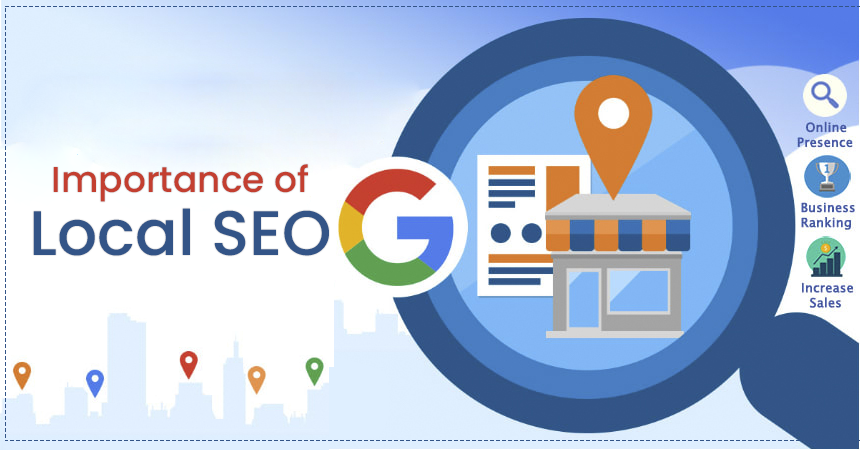
    Understanding the Importance of Local SEO

    Understanding the Importance of Local SEO

    In today’s digital age, where consumers rely heavily on the internet to find local businesses and services, optimizing your online presence for local search has become paramount. This is where local SEO (Search Engine Optimization) comes into play. Local SEO is the process of optimizing your website and online presence to attract more traffic, leads, and customers from local searches on search engines like Google. In this post, we’ll delve into the importance of local SEO and why businesses of all sizes need to prioritize their local search visibility.


    Local SEO

    The Significance of Local SEO


    Local SEO offers numerous benefits for businesses looking to connect with local customers and drive foot traffic to their physical locations. Here are some key reasons why local SEO matters:


    1. Increased Visibility: By optimizing your website and online listings for local search terms, you increase your chances of appearing in the coveted “Local Pack” or “Map Pack” at the top of Google’s search results. This prime real estate can significantly boost your visibility and attract more clicks from local searchers.
    2. Targeted Traffic: Local SEO allows you to target potential customers who are actively searching for products or services in your area. By optimizing your content and keywords for local search queries, you can attract highly relevant traffic that is more likely to convert into leads and sales.
    3. Competitive Advantage: Investing in local SEO gives you a competitive edge over businesses that neglect their local search presence. By outranking your competitors in local search results, you position your business as the go-to choice for local consumers, increasing your chances of winning their business.
    4. Improved User Experience: Local SEO isn’t just about search engine rankings—it’s also about providing a seamless user experience for your website visitors. By optimizing your website for local search, you make it easier for users to find essential information such as your business hours, location, contact details, and customer reviews.
    5. Mobile Optimization: With the proliferation of smartphones, local searches have become increasingly common on mobile devices. Local SEO ensures that your website is optimized for mobile users, allowing them to find and engage with your business seamlessly on the go.


    Key Strategies for Local SEO Success


    To succeed in local SEO, consider implementing the following strategies:


    1. Optimize Your Google My Business Listing: Claim and optimize your Google My Business (GMB) listing with accurate business information, including your name, address, phone number, and business hours. Encourage customers to leave reviews and respond promptly to reviews to build trust and credibility.
    2. Optimize On-Page SEO: Optimize your website’s title tags, meta descriptions, headings, and content with local keywords relevant to your business and location. Incorporate location-based keywords naturally throughout your website to improve its relevance for local searches.
    3. Create Local Content: Create and publish content that is relevant to your local audience, such as local news, events, and community resources. This not only helps attract local visitors to your website but also demonstrates your involvement and expertise in the local community.
    4. Build Local Citations: Ensure that your business is listed accurately and consistently across online directories, review sites, and social media platforms. These citations signal to search engines that your business is legitimate and trustworthy, boosting your local search rankings.
    5. Earn Backlinks from Local Websites: Earn backlinks from reputable local websites, such as local newspapers, chambers of commerce, and community organizations. These local backlinks can improve your website’s authority and relevance for local search queries.


    By understanding the importance of local SEO and implementing effective strategies to optimize your online presence for local searches, you can attract more local customers, drive foot traffic to your physical locations, and grow your business in today’s competitive marketplace. Whether you’re a small local business or a multi-location enterprise, local SEO offers a powerful tool for increasing your visibility, attracting targeted traffic, and ultimately, driving business growth.

  • The Rise of Video Marketing: Strategies for Success

    The Rise of Video Marketing: Strategies for Success

    The Rise of Video Marketing: Strategies for Success


    In the ever-evolving world of digital marketing, one trend has emerged as a powerhouse: video marketing. With the explosive growth of online video consumption across platforms like YouTube, TikTok, and Instagram, brands are increasingly turning to video to captivate audiences, tell compelling stories, and drive engagement. In this post, we’ll explore the rise of video marketing and share strategies for success in leveraging this dynamic medium to achieve your marketing objectives.


    Lights, Camera, Action! The Rise of Video Marketing: Strategies for Success

    In today’s fast-paced digital world, attention spans are shorter than ever, and consumers are bombarded with information overload. Cutting through the noise requires engaging content that resonates with your audience on a deeper level. Enter video marketing: a powerful storytelling tool that has exploded in popularity in recent years.

    Why? Because videos are inherently captivating. They can capture emotions, tell stories, and explain complex concepts in a way that text or static images simply cannot. Here’s why video marketing should be a cornerstone of your digital marketing strategy:

    Video Marketing

    1. The Power of Engagement:

    Videos are proven to be far more engaging than other forms of content. People are more likely to watch a video than read a lengthy blog post, and studies show that viewers retain information significantly better from video content.

    Think about it: Would you rather spend five minutes reading an article or watching a short, informative video on the same topic? Videos capture attention quickly and keep viewers engaged, making them a powerful tool for educating your audience and promoting your brand.

    2. Building Brand Awareness and Trust:

    Videos allow you to showcase your brand personality and connect with your audience on a human level. They can be used to tell your brand story, introduce your team, and demonstrate the value you offer.

    For instance: A behind-the-scenes video can give viewers a glimpse into your company culture, fostering trust and transparency. Customer testimonial videos can showcase the positive experiences your customers have had with your brand, building credibility and social proof.

    3. SEO Optimization and Increased Visibility:

    Videos are a powerful tool for search engine optimization (SEO). Search engines love video content, and websites with videos tend to rank higher in search results pages. Additionally, incorporating relevant keywords in your video titles, descriptions, and transcripts can further improve your video’s discoverability.

    Here’s a tip: Optimize your video title and description with relevant keywords that your target audience might search for.

    4. Versatility Across Marketing Channels:

    The beauty of video marketing lies in its versatility. Videos can be leveraged across various marketing channels, from social media platforms like YouTube and Instagram to your website and email campaigns. This allows you to reach a wider audience and amplify your message across different touchpoints.

    Imagine this: A short explainer video on your website can educate potential customers about your product or service. Sharing snippets of your video on social media can spark curiosity and drive traffic to your website. The possibilities are truly endless.

    5. Driving Conversions and Sales:

    Ultimately, the goal of any marketing strategy is to drive conversions and sales. Videos can be a powerful tool for achieving this goal. Product demos can showcase the features and benefits of your offering, while customer testimonial videos can build trust and social proof.

    The key is to create clear calls to action (CTAs) within your videos. Tell viewers what you want them to do next, whether it’s visiting your website, signing up for a free trial, or making a purchase.

    Video marketing is no longer a fad; it’s a fundamental element of any successful digital marketing strategy. By harnessing the power of video to engage your audience, build brand awareness, and drive conversions, you can elevate your brand and achieve remarkable results. So, grab your camera, hit record, and get creative!

  • Optimizing Your Website for Voice Search
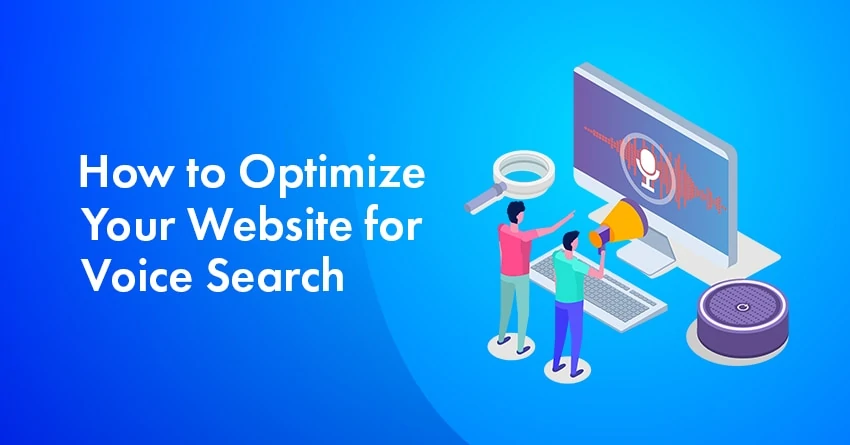
    Optimizing Your Website for Voice Search

    Speak Up and Be Heard: Optimizing Your Website for Voice Search


    Gone are the days of meticulously typing search queries into a box. The digital landscape has dramatically shifted, with voice search emerging as a dominant force. People are increasingly using voice assistants like Siri, Alexa, and Google Assistant to find information on the go, using natural language instead of typed keywords.

    If your website isn’t optimized for voice search, you’re missing out on a massive opportunity to connect with potential customers actively seeking the solutions you offer. But how can you ensure your website is speaking the language of voice search?

    In an era where convenience is king, voice search has emerged as a game-changer in digital marketing. With the increasing prevalence of virtual assistants like Siri, Alexa, and Google Assistant, users are turning to voice commands to search for information, find products, and perform various tasks online. As such, optimizing your website for voice search has become imperative for staying competitive in today’s digital landscape. Let’s delve into voice search optimization and explore strategies to ensure your website remains visible and accessible to voice-enabled devices.

    Voice Search

    Understanding the Rise of Voice Search

    Voice search has skyrocketed in popularity in recent years, driven by the widespread adoption of smart speakers, smartphones, and other voice-enabled devices. Users appreciate the convenience and efficiency of voice search, allowing them to perform tasks hands-free and with greater speed. As a result, optimizing your website for voice search has become essential for enhancing user experience and maintaining relevance in the eyes of search engines.

    Here are some key strategies to optimize your website and get your voice heard:

    1. Understanding the Nuances of Voice Search:

    Voice search queries are fundamentally different from traditional text-based searches. People tend to use more natural language, asking questions in a conversational tone. Imagine someone asking, “What’s the best pizza place near me with outdoor seating?” instead of typing “pizza delivery near me.”

    Here’s the key: Optimize your content for these conversational long-tail keywords. Think about the questions your ideal customer might ask and ensure your website provides clear, concise answers.

    2. Long-Tail Keywords are Your New Best Friend:

    While traditional SEO focuses on shorter, high-volume keywords, voice search demands a shift towards long-tail keywords. These longer, more specific phrases are more likely to match how people speak when searching with their voice.

    For instance: Instead of targeting the keyword “pizza,” target “best deep-dish pizza delivery in [Your City].” This not only increases your chances of ranking for relevant voice searches but also attracts users with a higher purchase intent.

    3. Content Structure Matters: Embrace Readability

    Search engines prioritize websites that offer a smooth user experience, and this extends to voice search as well. Since voice assistants read your website content aloud, it’s crucial to ensure it’s well-structured, easy to understand, and written in a conversational tone.

    Here are some tips:

    • Use clear and concise sentences with proper grammar.
    • Break down complex topics into digestible chunks.
    • Utilize bullet points and subheadings for better readability.

    Imagine a voice assistant struggling to navigate a website filled with long paragraphs and technical jargon. Not a good look!


    4. Local SEO is Your Key to Localized Voice Searches:

    A significant portion of voice searches involve local businesses. People are constantly asking for recommendations on everything from restaurants to plumbers using phrases like “find the nearest [business type].”

    Local SEO optimization is vital here. Ensure your Google My Business profile is complete and up-to-date, including your business address, phone number, and operating hours. Optimize your website content with local keywords and target city-specific searches.

    5. The Power of Schema Markup: Speak the Language of Search Engines

    Schema markup is a type of code you can add to your website that helps search engines understand your content better. While schema markup doesn’t directly impact voice search ranking, it can improve the richness of the information displayed in voice search results.

    For example, schema markup can help search engines understand your business location, opening hours, and even customer reviews. This can significantly enhance the user experience for voice search queries.

    Optimizing your website for voice search is not a one-time fix, but an ongoing process. By understanding user intent, incorporating long-tail keywords, prioritizing readability, and leveraging local SEO and schema markup, you can ensure your website is ready to be heard and discovered by the ever-growing audience of voice search users. This will allow you to connect with potential customers at the exact moment they’re searching for solutions you can provide.


  • Harnessing AI for Effective Digital Marketing Strategies

    Harnessing AI for Effective Digital Marketing Strategies

    Harnessing AI for Effective Digital Marketing Strategies: From Sci-Fi to Strategic Weapon

    Remember those futuristic movies where artificial intelligence ran the marketing campaigns? Well, the future is now, and AI is no longer relegated to science fiction. Today, AI is rapidly transforming the digital marketing landscape, offering powerful tools to personalize experiences, optimize campaigns, and unlock valuable customer insights.

    But how exactly can businesses leverage AI to craft winning digital marketing strategies? Let’s dive into some of the exciting applications:

    In today’s hyper-connected world, where digital marketing is constantly evolving, one technology stands out as a game-changer: artificial intelligence (AI). As businesses strive to stay ahead of the curve and connect with their target audience in more meaningful ways, AI has emerged as a powerful ally in crafting effective digital marketing strategies. Let’s explore how AI is revolutionizing the digital marketing landscape and how businesses can harness its potential to drive success.


    AI

    Understanding AI in Digital Marketing

    AI encompasses a broad range of technologies that enable machines to perform tasks that typically require human intelligence, such as learning, reasoning, and problem-solving. In the realm of digital marketing, AI is transforming the way brands analyze data, personalize content, automate processes, and engage with consumers.

    1. Unleashing the Power of Personalization:

    Imagine a world where your marketing messages resonate with each customer on an individual level. AI makes this a reality. By analyzing vast amounts of customer data, including purchase history, browsing behavior, and social media interactions, AI can predict individual preferences and tailor content, product recommendations, and ad experiences accordingly. This hyper-personalization fosters deeper connections with your audience, leading to increased engagement and conversions.

    For instance: An AI-powered recommendation engine on your e-commerce website can suggest products a customer might be interested in based on their past purchases and browsing behavior. This not only improves the customer experience but also increases the chances of them making additional purchases.

    2. Optimizing Campaigns for Maximum Impact:

    Marketers juggle multiple campaigns across various channels. AI can streamline this process by analyzing data in real-time and automatically optimizing campaigns for maximum impact. Imagine AI constantly tweaking your ad bids, budget allocation, and even content based on performance metrics. This ensures you’re reaching the right audience at the right time with the most relevant message, maximizing your return on investment (ROI).

    Here’s an example: AI can analyze the performance of different ad variations on social media, automatically identifying the most successful version and increasing its budget allocation. This ensures you’re spending your advertising dollars on content that resonates with your target audience.

    3. Unveiling Hidden Customer Insights:

    AI can analyze vast amounts of customer data, including website behavior, social media conversations, and customer reviews, to uncover hidden trends and preferences. This empowers you to understand your audience on a deeper level, identify pain points, and tailor your marketing strategies accordingly.

    Think about it this way: AI can analyze customer reviews to identify common complaints about your product or service. This allows you to address these issues proactively and improve the overall customer experience.

    4. Chatbots and Virtual Assistants: The Power of Conversational Marketing

    AI-powered chatbots and virtual assistants are revolutionizing customer service and engagement. These bots can answer basic customer queries, provide product recommendations, and even schedule appointments – all in real-time, 24/7. This not only frees up your human customer service team but also offers a convenient and personalized experience for your customers.

    The possibilities are endless: Imagine a chatbot on your website that can answer customer questions about your products or services, recommend similar items based on their interests, and even guide them through the purchase process. This not only improves customer satisfaction but can also lead to increased sales.

    AI is no longer a futuristic concept, but a powerful tool that can be harnessed to create effective digital marketing strategies. By personalizing experiences, optimizing campaigns, uncovering hidden insights, and implementing conversational marketing strategies, AI can empower businesses to connect with their audience on a deeper level and achieve remarkable results.