Category: Personal Development

  • How to Develop Strong Leadership Skills in Business

    How to Develop Strong Leadership Skills in Business

    How to Develop Strong Leadership Skills in Business

    Building leadership skills is essential for professionals aiming to advance their careers, inspire teams, and drive organizational success. Effective leadership goes beyond management—it involves guiding others, fostering innovation, and creating a positive work environment that motivates individuals to achieve common goals. Whether you’re aspiring to a leadership role or seeking to enhance your existing leadership abilities, mastering these strategies can empower you to lead with confidence and impact in the business world.

    Leadership

    1. Cultivate Self-awareness

    Effective leadership begins with self-awareness. Take time to reflect on your strengths, weaknesses, values, and leadership style. Understanding how your actions and decisions impact others allows you to lead authentically and adapt your approach to different situations and personalities within your team.

    2. Develop Clear Communication Skills

    Clear communication is fundamental to effective leadership. Practice active listening to understand perspectives, encourage open dialogue, and clarify expectations. Master both verbal and non-verbal communication techniques to convey ideas, provide feedback, and inspire confidence among your team members.

    3. Foster a Vision and Strategic Thinking

    Leadership involves setting a compelling vision and strategy for your team or organization. Align your vision with overarching business goals and articulate a clear path forward. Develop strategic thinking skills to anticipate challenges, identify opportunities, and make informed decisions that drive progress and innovation.

    4. Build Trust and Relationships

    Trust is the cornerstone of successful leadership. Build trust with your team by demonstrating integrity, reliability, and transparency in your actions. Foster meaningful relationships based on mutual respect and empathy. Encourage collaboration, celebrate achievements, and support professional growth to cultivate a cohesive and motivated team.

    5. Lead by Example

    Effective leaders lead by example, modeling the behaviors and values they expect from their team members. Demonstrate initiative, accountability, and a strong work ethic in your own actions. Show resilience in the face of challenges and inspire others through your dedication to achieving shared goals.

    6. Empower and Delegate

    Empower your team members by delegating tasks and responsibilities according to their strengths and capabilities. Delegate effectively by providing clear instructions, setting expectations, and offering support when needed. Empowering others fosters ownership, boosts morale, and enables your team to achieve collective success.

    7. Develop Conflict Resolution Skills

    Conflict is inevitable in any team environment. Strengthen your leadership skills by developing effective conflict resolution techniques. Approach conflicts objectively, listen to all parties involved, and seek mutually beneficial solutions. Address conflicts promptly to maintain team harmony and productivity.

    8. Embrace Continuous Learning

    Leadership is a journey of continuous learning and growth. Stay informed about industry trends, best practices in leadership, and evolving business strategies. Seek opportunities for professional development through workshops, courses, mentorship, and networking to broaden your knowledge and skills.

    9. Encourage Innovation and Adaptability

    Successful leaders foster a culture of innovation and adaptability within their teams. Encourage creativity, experimentation, and risk-taking to drive innovation and stay ahead of competitors. Embrace change as an opportunity for growth and guide your team through transitions with resilience and optimism.

    10. Seek Feedback and Reflect

    Seek constructive feedback from peers, mentors, and team members to gain insights into your leadership effectiveness. Act on feedback to improve your skills and address areas for development. Regularly reflect on your leadership experiences, successes, and challenges to refine your approach and evolve as a leader.

    Final Thoughts

    Developing strong leadership skills requires dedication, self-awareness, and a commitment to continuous improvement. By mastering these strategies, you can cultivate the qualities and competencies needed to inspire others, drive organizational success, and achieve your leadership aspirations in the competitive business landscape.

    Embrace the opportunity to lead with impact and integrity. Start applying these strategies today to strengthen your leadership capabilities and empower your team to excel. Let’s embark on a journey of leadership development together, unlocking your potential to make a positive difference in your organization and beyond.

  • 10 Effective Personal Development Tips for Business Professionals

    10 Effective Personal Development Tips for Business Professionals

    10 Effective Personal Development Tips for Business Professionals

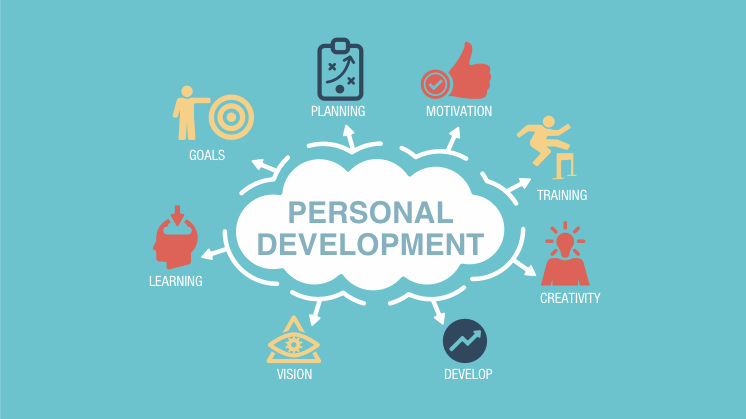
    Personal development is not just a buzzword—it’s a critical aspect of professional growth and success for business professionals. Investing in your personal development can enhance your skills, boost productivity, and open up new opportunities in your career. Whether you’re aiming for career advancement, better work-life balance, or increased self-awareness, implementing effective personal development strategies can pave the way for achieving your goals. Explore these 10 actionable tips tailored for business professionals looking to enhance their personal and professional lives.

    Personal Development

    1. Set Clear Goals

    Begin your personal development journey by setting clear, specific goals. Define what you want to achieve in your career and personal life, whether it’s mastering a new skill, earning a promotion, or achieving a better work-life balance. Setting SMART goals (Specific, Measurable, Achievable, Relevant, Time-bound) provides clarity and motivation to stay focused on your development objectives.

    2. Continuous Learning

    Commit to lifelong learning to stay relevant and adaptable in a rapidly evolving business landscape. Attend workshops, seminars, and webinars related to your industry. Invest in online courses or certifications that align with your career goals. Reading books and staying informed about industry trends are also excellent ways to expand your knowledge base continuously.

    3. Develop Time Management Skills

    Effective time management is crucial for maintaining productivity and achieving work-life balance. Prioritize tasks based on urgency and importance using techniques like Eisenhower’s Urgent/Important Principle or the Pomodoro Technique. Set realistic deadlines and avoid multitasking to improve focus and efficiency in your daily activities.

    4. Cultivate Emotional Intelligence

    Emotional intelligence (EQ) is essential for building strong relationships, managing conflicts, and leading teams effectively. Practice self-awareness to understand your emotions and reactions. Develop empathy to relate to others’ perspectives and cultivate social skills to communicate effectively in professional settings.

    5. Build a Strong Network

    Networking plays a vital role in personal and professional development. Build and maintain relationships with peers, mentors, industry experts, and professionals both within and outside your organization. Networking provides opportunities for collaboration, mentorship, and career advancement through referrals and industry insights.

    6. Seek Feedback and Act on It

    Feedback is invaluable for personal growth and improvement. Solicit feedback from supervisors, colleagues, and mentors regarding your performance, strengths, and areas for development. Act on constructive feedback by identifying actionable steps to address areas needing improvement and leverage your strengths to excel in your role.

    7. Practice Self-care

    Maintaining physical and mental well-being is essential for sustained professional success. Prioritize self-care activities such as exercise, proper nutrition, adequate sleep, and relaxation techniques. Incorporate mindfulness practices like meditation or journaling to reduce stress and enhance focus and clarity.

    8. Develop Leadership Skills

    Even if you’re not in a managerial role, developing leadership skills is beneficial for career advancement and influence within your organization. Take on leadership opportunities such as leading projects, mentoring colleagues, or participating in leadership development programs. Cultivate qualities such as decisiveness, integrity, and effective communication to inspire and motivate others.

    9. Embrace Adaptability and Resilience

    The ability to adapt to change and bounce back from setbacks is crucial in today’s dynamic business environment. Cultivate a growth mindset that embraces challenges as opportunities for learning and improvement. Develop resilience by staying flexible, proactive, and maintaining a positive outlook during periods of uncertainty or adversity.

    10. Reflect and Review Regularly

    Allocate time for self-reflection and review your progress periodically. Assess your achievements against your goals and identify areas where adjustments or further development are needed. Celebrate successes and learn from challenges to refine your personal development strategy continuously.

    Final Thoughts

    Personal development is a journey of self-discovery, growth, and improvement that empowers business professionals to achieve their full potential. By implementing these 10 effective tips, you can cultivate skills, habits, and perspectives that enhance your professional competence, personal well-being, and overall success in the business world.

    Stay committed to your personal development journey and embrace opportunities for growth and learning along the way. Start applying these tips today to unlock new possibilities and elevate your career trajectory with confidence and purpose. Let’s embark on a path of continuous improvement and achievement together!


  • Building Trust: Social Proof Strategies

    Building Trust: Social Proof Strategies

    Building Trust: Social Proof Strategies

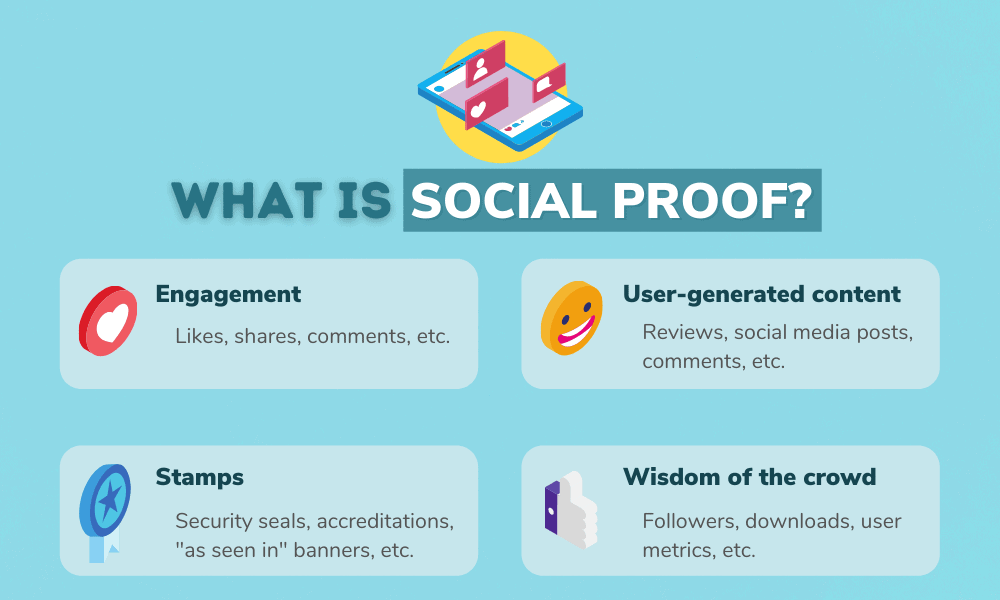
    In today’s digital age, building trust with your audience is more critical than ever. With so many options available to consumers, establishing credibility and authenticity can make all the difference in whether a potential customer chooses your brand over the competition. One powerful way to build trust and credibility is through social proof. Social proof refers to the influence that the actions and opinions of others have on our own behavior. In this post, we’ll explore the concept of social proof and share effective strategies for leveraging it to build trust and credibility with your audience.

    In today’s digital world, trust is a precious commodity. Consumers are bombarded with marketing messages and can be skeptical of brand claims. Here’s where social proof steps in, acting as a powerful tool to build trust and credibility for your brand.

    Social Proof: The Psychology Behind Why It Works

    Social proof taps into the basic human instinct to follow the actions of others. We naturally assume that if others trust a brand or product, it must be trustworthy. Social proof acts as a form of social validation, reducing perceived risk and encouraging us to make similar choices.

    Social Proof Strategies

    1. Customer Testimonials and Reviews

    One of the most powerful forms of social proof is customer testimonials and reviews. Positive reviews and testimonials from satisfied customers can significantly influence purchasing decisions and reassure potential customers about the quality and reliability of your products or services. Encourage satisfied customers to leave reviews on platforms like Google, Yelp, or Trustpilot, and showcase these testimonials on your website and social media channels to build trust and credibility with your audience.

    2. User-Generated Content (UGC)

    User-generated content (UGC) is another valuable form of social proof that can help build trust and authenticity with your audience. When customers share photos, videos, or testimonials featuring your products or services on social media, it serves as a powerful endorsement of your brand. Encourage your followers to create and share UGC by running contests or giveaways, featuring user content on your social media channels, and incorporating UGC into your marketing campaigns to showcase the real-life experiences of your customers.

    3. Influencer Endorsements

    Influencer marketing has become increasingly popular in recent years, with influencers wielding significant influence over their followers’ purchasing decisions. Partnering with influencers who align with your brand values and target audience can help you leverage their social proof to build trust and credibility with your audience. Collaborate with influencers to create sponsored content, host giveaways or takeovers, and showcase their endorsements on your website and social media channels to leverage their influence and reach.

    4. Social Media Engagement and Following

    The size and engagement of your social media following can also serve as a form of social proof. A large and engaged following can signal to potential customers that your brand is reputable and trustworthy. Focus on building an active and engaged community on social media by sharing valuable content, responding to comments and messages, and actively engaging with your audience. Highlight your social media following and engagement metrics on your website and marketing materials to showcase your social proof and credibility.

    5. Expert Endorsements and Certifications

    Expert endorsements and certifications can add credibility and authority to your brand and serve as a form of social proof. If your products or services have been endorsed by industry experts, featured in publications, or certified by reputable organizations, be sure to highlight these endorsements on your website and marketing materials. This can help reassure potential customers about the quality and reliability of your offerings and build trust and credibility with your audience.

    6. Case Studies and Success Stories

    Case studies and success stories provide concrete examples of how your products or services have helped real customers achieve their goals or solve their problems. Sharing case studies and success stories on your website and marketing materials can provide powerful social proof of the effectiveness and value of your offerings. Highlight specific results, testimonials from satisfied customers, and before-and-after comparisons to demonstrate the tangible benefits of choosing your brand.

    7. Trust Seals and Badges

    Trust seals and badges from reputable organizations such as the Better Business Bureau (BBB), Norton Secured, or industry-specific associations can help build trust and credibility with your audience. Display these trust seals prominently on your website and checkout pages to reassure potential customers about the security and reliability of your website and transactions. This can help alleviate concerns about privacy and security and increase confidence in your brand.

    In conclusion, social proof is a powerful tool for building trust and credibility with your audience. By leveraging customer testimonials and reviews, user-generated content, influencer endorsements, social media engagement and following, expert endorsements and certifications, case studies and success stories, and trust seals and badges, you can demonstrate the value and reliability of your brand and influence purchasing decisions. Incorporate these social proof strategies into your marketing efforts to build trust, credibility, and loyalty with your audience and differentiate your brand from the competition.

  • The Future of Digital Marketing: Trends to Watch and Prepare For

    The Future of Digital Marketing: Trends to Watch and Prepare For

    The Future of Digital Marketing: Trends to Watch and Prepare For

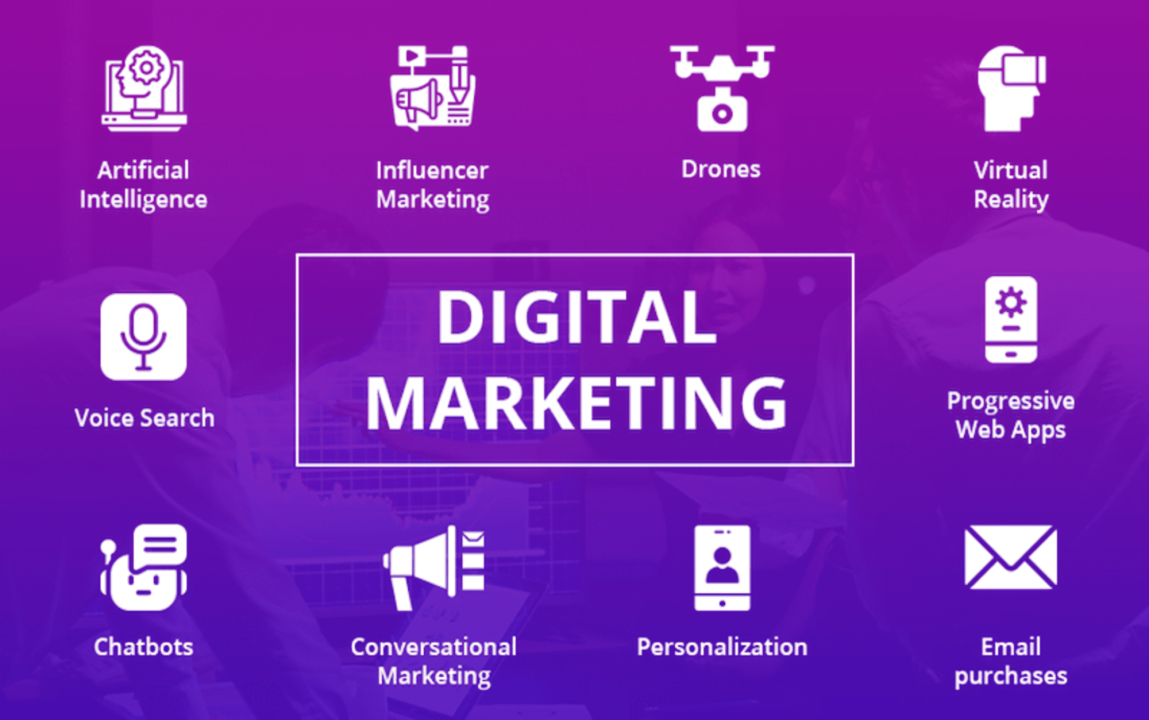
    In the ever-evolving landscape of digital marketing, staying ahead of the curve is essential for businesses looking to thrive in the digital age. As technology continues to advance and consumer behaviors evolve, the future of digital marketing promises to be both exciting and challenging. In this blog post, we’ll explore some of the key trends shaping the future of digital marketing and share insights on how businesses can prepare for what lies ahead.

    Digital Marketing

    The Future of Digital Marketing: Fasten Your Seatbelts for a Takeoff into Uncharted Territory

    Welcome, digital marketing voyagers! Buckle up and prepare for a journey through the uncharted territories of the future. The digital marketing landscape is constantly evolving, and those who stay ahead of the curve are poised for success. Here’s a glimpse into the trends that will shape the coming years:

    1. The Rise of the Machines (But in a Good Way): AI and Machine Learning

    Artificial intelligence (AI) and machine learning (ML) are no longer science fiction; they’re rapidly becoming an integral part of the digital marketer’s toolkit. Expect to see these technologies powering:

    • Hyper-Personalization: Imagine ad experiences and website content that adapt to individual user preferences in real-time. AI and ML make this a reality, enabling marketers to deliver an unmatched level of personalization that resonates deeply with each audience member.

    • Smarter Marketing Automation: AI can analyze vast amounts of data to automate repetitive tasks, free up your time for strategic initiatives, and optimize your marketing campaigns for maximum impact.

    • Content Creation on Autopilot (Almost): AI-powered tools will assist with content creation, from generating topic ideas and suggesting relevant keywords to even writing drafts. However, the human touch will always be irreplaceable for crafting truly engaging content.

    2. Welcome to the Metaverse: Marketing in a Virtual World

    The Metaverse, a network of interconnected virtual worlds, is no longer just a futuristic concept. Forward-thinking brands are already exploring its marketing potential. Imagine hosting virtual product launches, creating immersive brand experiences, or offering exclusive content within these digital spaces. The Metaverse opens doors to a whole new way of connecting with audiences and building brand loyalty.

    3. Micro-Influencers Take Center Stage: The Power of Niche Communities

    While mega-influencers still hold some sway, the tide is turning towards micro-influencers. These social media stars boast smaller but highly engaged followings, often built around specific niches. Partnering with micro-influencers allows for targeted marketing campaigns that resonate deeply with a relevant audience segment.

    4. Short and Sweet: The Reign of Short-Form Video Content

    Our attention spans are shrinking, and video content reigns supreme. Platforms like TikTok and Instagram Reels have exploded in popularity, and this trend is here to stay. Bite-sized video content is a fantastic way to grab attention, tell engaging stories, and promote your brand in a fun and dynamic way.

    5. The Evolving Landscape of Social Commerce: From Browsing to Buying in a Click

    Social media platforms are no longer just places to connect; they’re becoming shopping destinations. Social commerce features like shoppable posts and live streams that convert viewers into buyers are streamlining the purchasing journey. This trend is expected to continue its meteoric rise in the coming years.

    6. Listen Up! The Growing Importance of Voice Search

    Voice search technology is rapidly evolving, and people are increasingly using voice assistants to find information and make purchases. Optimizing your website and content for voice search will be crucial to ensure your brand is found when users ask those all-important questions.

    7. Customer Experience (CX) Reigns Supreme: Building Brand Loyalty Through Empathy

    In a world saturated with marketing messages, exceptional customer experience (CX) is the ultimate differentiator. Focus on building genuine connections with your audience, providing personalized service, and addressing their needs promptly. By prioritizing CX, you’ll foster brand loyalty and keep customers coming back for more.

    8. Data Privacy Takes Center Stage: Embracing a Cookieless Future

    With growing concerns around data privacy, third-party cookies are on the decline. This necessitates a shift towards zero-party data, information that users willingly share with brands. Building trust and creating engaging content that encourages users to share their preferences will be paramount in the cookieless future.

    9. Sustainability: A Cause We Can All Get Behind

    Consumers are becoming increasingly environmentally conscious. Incorporating sustainable practices into your marketing strategy and highlighting your brand’s commitment to environmental responsibility will resonate with this growing segment of the market.

    10. The Human Touch Endures: Authenticity is Key in a Digital World

    While technology is at the forefront of digital marketing, the human touch remains irreplaceable. Building trust and fostering genuine connections with your audience is crucial for long-term success. Let your brand personality shine through, connect with your audience on an emotional level, and create marketing campaigns that are both informative and inspiring.

    The digital marketing landscape is constantly evolving, and these trends offer a glimpse into the exciting future that awaits. By embracing these emerging strategies and staying ahead of the curve, you can ensure your brand thrives in the ever-changing world of digital marketing. So, get ready to navigate the uncharted territories of

  • Paid Advertising Decoded: Unveiling the Secrets of PPC Success

    Paid Advertising Decoded: Unveiling the Secrets of PPC Success

    Paid Advertising Decoded: Unveiling the Secrets of PPC Success

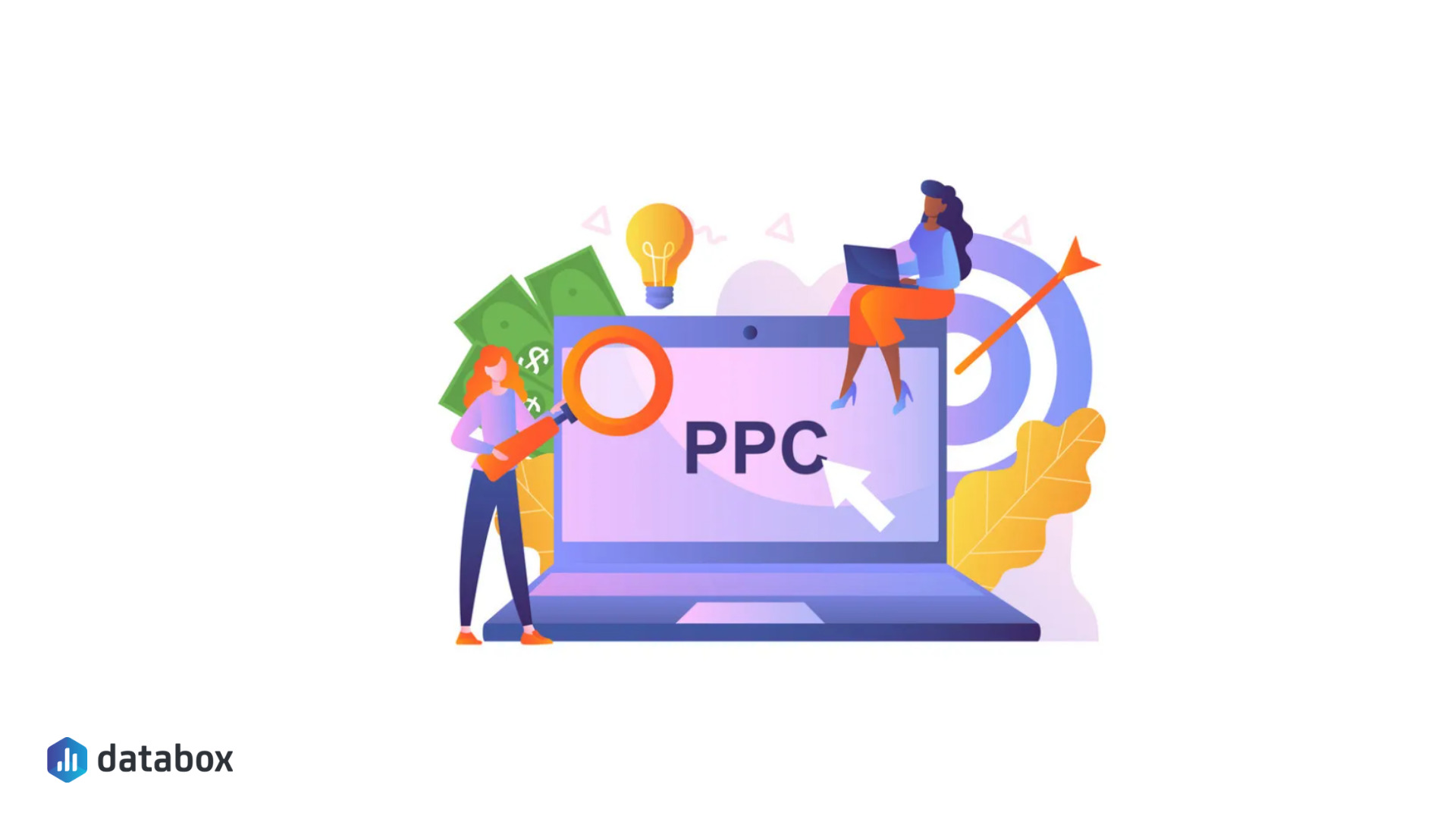
    In the ever-evolving world of digital marketing, pay-per-click (PPC) advertising has become a cornerstone strategy for businesses looking to drive targeted traffic, generate leads, and increase sales. With its ability to deliver highly targeted ads to the right audience at the right time, PPC marketing offers unparalleled precision and effectiveness for reaching your business goals. In this blog post, we’ll delve into the secrets of PPC success and share insights on how to decode this powerful advertising strategy.

    PPC

    Paid Advertising Decoded: Cracking the PPC Code to Marketing Glory

    Ever feel like online advertising is a cryptic riddle wrapped in a mystery inside an enigma? Especially when it comes to Pay-Per-Click (PPC) marketing? Fear not, intrepid marketers! PPC can be a powerful tool to propel your brand to new heights, but it requires a bit of deciphering. Let’s crack the PPC code and unlock the secrets to marketing success:

    1. Demystifying PPC: The Art of Targeted Online Advertising

    PPC advertising essentially means you pay a fee each time someone clicks on your ad. Imagine placing highly targeted ads on search engines, social media platforms, or other websites. When a user clicks your ad, they’re directed to your website landing page, where you can convert them into a loyal customer or enthusiastic lead.

    2. Keyword Magic: Unearthing the Words Your Audience Searches

    Keywords are the golden threads that weave PPC success. These are the terms and phrases people use to search for products or services online. Conduct thorough keyword research to identify relevant keywords with high search volume and low competition. The right keywords ensure your ads appear in front of the right audience at the right time.

    3. Craft Compelling Ads: Headline Magic Meets Audience Enticement

    Your PPC ad is your first impression, so make it count! Craft clear, concise, and attention-grabbing headlines that entice users to click. Highlight your unique selling proposition (USP) and showcase the value you offer. Don’t forget a strong call to action (CTA) that tells users exactly what you want them to do next.

    4. Landing Pages: The Art of Conversion

    Imagine a user clicks your PPC ad, eager to learn more. They arrive at a landing page… that looks nothing like your ad? Conversion disaster! Ensure your landing page aligns perfectly with your ad content. Provide a clear value proposition, reiterate the benefits you mentioned in the ad, and include a clear CTA to capture those precious leads.

    5. Bidding Strategies: Optimizing Your Budget for Maximum Impact

    PPC advertising involves bidding on keywords. The higher your bid, the higher your ad appears in search results. But there’s a strategic dance here. You want to win placements without burning through your budget. Explore different bidding strategies, like maximizing clicks or conversions, to optimize your budget and reach your target audience effectively.

    6. A/B Testing: The Art of Continuous Improvement

    The world of PPC marketing is dynamic. What works today might not work tomorrow. That’s where A/B testing comes in. Test different variations of your ad copy, landing pages, and keywords to see what resonates best with your audience. This data-driven approach allows you to continuously refine your PPC campaigns and maximize your return on investment (ROI).

    7. Remarketing: The Power of the Second Chance

    Let’s face it, sometimes users click on your ad but aren’t quite ready to convert. But that doesn’t mean they’re lost forever! Remarketing allows you to display targeted ads to users who have previously interacted with your website or brand. This is a fantastic way to re-engage website visitors and nudge them towards conversion.

    8. Metrics that Matter: Tracking Your PPC Performance

    PPC isn’t a guessing game. A plethora of metrics allows you to track the performance of your campaigns. Analyze click-through rates (CTR), conversion rates, and return on ad spend (ROAS) to understand how your PPC efforts are translating into actual results. Use this data to refine your strategy, optimize your bids, and ensure your PPC campaigns are generating a healthy ROI.

    9. Embrace Automation: Free Up Your Time for Strategic Thinking

    PPC platforms offer a variety of automation tools to streamline your campaigns. Utilize automated bidding strategies, ad scheduling, and budget management features to free up your time for strategic thinking.

    10. PPC Mastery is a Journey, Not a Destination

    The ever-evolving world of PPC marketing requires continuous learning. Stay up-to-date on the latest trends, explore new targeting options, and experiment with different strategies. The more you delve into the world of PPC, the more you’ll unlock its potential to propel your brand towards digital marketing glory.

    So, are you ready to crack the PPC code? By wielding these strategies and embracing a data-driven approach, you can transform PPC marketing from a confusing enigma into a powerful tool for driving targeted traffic, generating leads, and achieving your digital marketing goals.

  • Emerging Trends in Digital Marketing for 2024

    Emerging Trends in Digital Marketing for 2024

    Emerging Trends in Digital Marketing for 2024

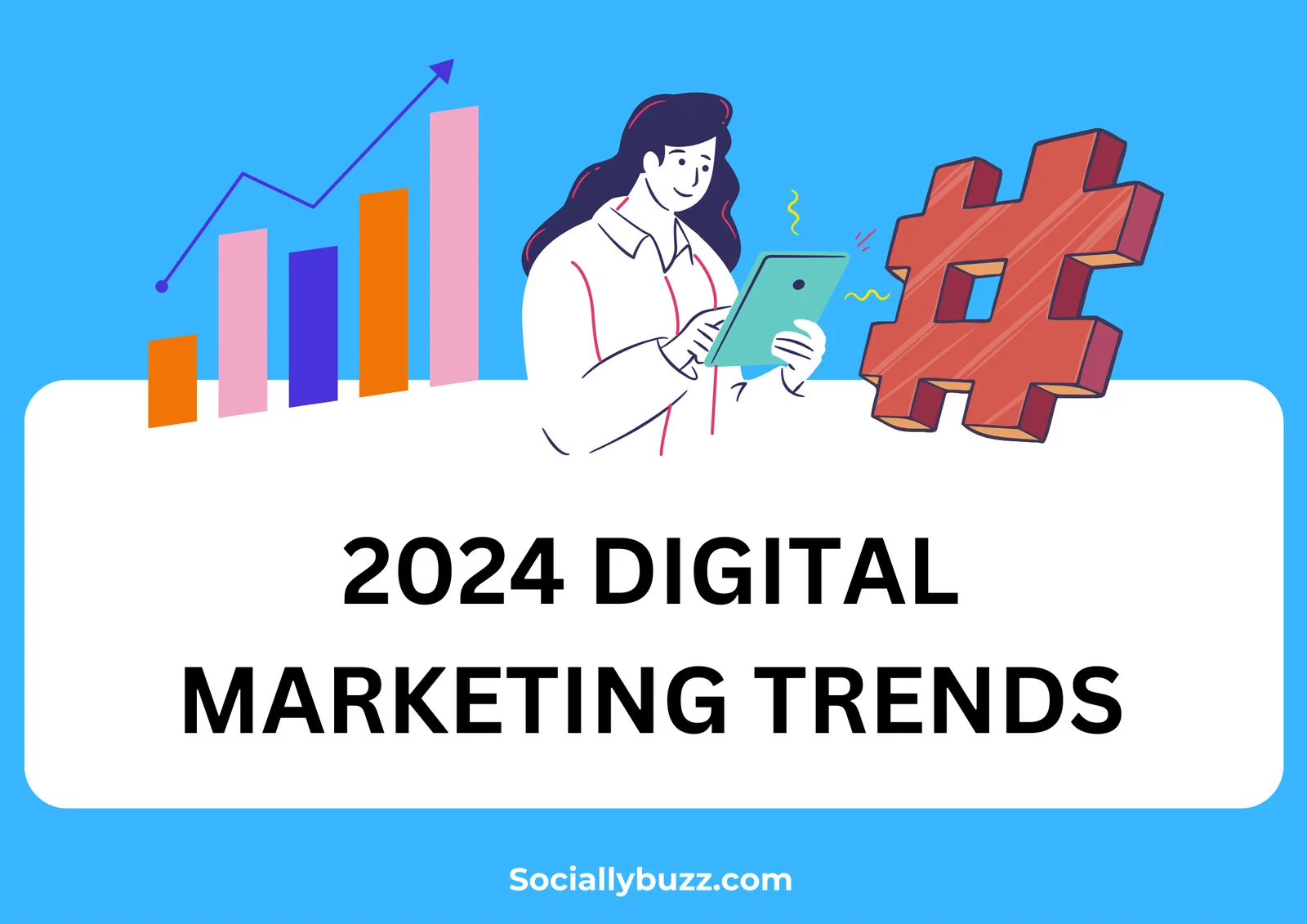
    In the ever-evolving landscape of digital marketing, staying ahead of the curve is essential for success. As we embark on a new year, it’s crucial to keep a finger on the pulse of the latest trends and developments shaping the industry. From the rise of artificial intelligence to the growing importance of sustainability, 2024 promises to be an exciting year for digital marketers. In this blog post, we’ll explore some of the emerging trends in digital marketing for 2024 and share insights on how you can leverage them to stay ahead of the competition.

    Digital Marketing

    2024: A Digital Marketing Odyssey – Unveiling the Trends Shaping the Future

    Fasten your seatbelts, digital marketing voyagers! We’re embarking on a journey to explore the uncharted territories of 2024’s marketing landscape. Buckle up and get ready to discover the trends that will propel your brand to new heights.

    1. The Rise of the Machines (But in a Good Way): Artificial Intelligence (AI) and Machine Learning (ML) to the Rescue

    AI and ML are no longer science fiction; they’re becoming an integral part of the digital marketing toolkit. Expect to see these technologies powering:

    • Hyper-personalization: Imagine ad experiences and website content that adapt to individual user preferences in real-time. AI and ML make this a reality, enabling marketers to deliver an unmatched level of personalization.
    • Smart Bidding and Marketing Automation: AI can analyze vast amounts of data to optimize ad campaigns and automate repetitive tasks, freeing up your time to focus on strategic initiatives.
    • Content Creation on Steroids: AI-powered tools can assist with content creation, from generating topic ideas to suggesting relevant keywords and even writing drafts. However, the human touch will always be irreplaceable for crafting truly engaging content.

    2. The Metaverse Beckons: Unveiling the Marketing Potential of Virtual Worlds

    The Metaverse, a network of interconnected virtual worlds, is no longer just a futuristic concept. Forward-thinking brands are already exploring its marketing potential. Imagine hosting virtual product launches, creating immersive brand experiences, or offering exclusive content within these digital spaces. The Metaverse opens doors to a whole new way of connecting with audiences.

    3. The Reign of the Niche Continues: Micro-Influencers Take Center Stage

    While mega-influencers still hold some sway, the tide is turning towards micro-influencers. These social media stars boast smaller but highly engaged followings, often built around specific niches. Partnering with micro-influencers allows for targeted marketing campaigns that resonate deeply with a relevant audience.

    4. Short and Sweet: The Power of Short-Form Video Content

    Our attention spans are shrinking, and video content reigns supreme. Platforms like TikTok and Instagram Reels have exploded in popularity, and this trend is here to stay. Bite-sized video content is a fantastic way to grab attention, tell engaging stories, and promote your brand in a fun and dynamic way.

    5. The Evolving Landscape of Social Commerce: From Browsing to Buying in a Click

    Social media platforms are no longer just places to connect; they’re becoming shopping destinations. Social commerce features like shoppable posts and live streams that convert viewers into buyers are streamlining the purchasing journey. This trend is expected to continue its meteoric rise in 2024.

    6. Listen Up! The Growing Importance of Voice Search

    Voice search technology is rapidly evolving, and people are increasingly using voice assistants to find information and make purchases. Optimizing your website and content for voice search will be crucial to ensure your brand is found when users ask those all-important questions.

    7. Customer Experience (CX) Reigns Supreme: Building Brand Loyalty Through Empathy

    In a world saturated with marketing messages, exceptional customer experience (CX) is the ultimate differentiator. Focus on building genuine connections with your audience, providing personalized service, and addressing their needs promptly. By prioritizing CX, you’ll foster brand loyalty and keep customers coming back for more.

    8. Data Privacy Takes Center Stage: Embracing a Cookieless Future

    With growing concerns around data privacy, third-party cookies are on the decline. This necessitates a shift towards zero-party data, information that users willingly share with brands. Building trust and creating engaging content that encourages users to share their preferences will be paramount in the cookieless future.

    9. Sustainability: A Cause We Can All Get Behind

    Consumers are becoming increasingly environmentally conscious. Incorporating sustainable practices into your marketing strategy and highlighting your brand’s commitment to environmental responsibility will resonate with this growing segment of the market.

    10. The Human Touch Endures: Authenticity is Key in a Digital World

    While technology is at the forefront of digital marketing, the human touch remains irreplaceable. Building trust and fostering genuine connections with your audience is crucial for long-term success. Let your brand personality shine through, connect with your audience on an emotional level, and create marketing campaigns that are both informative and inspiring.

    The digital marketing landscape is constantly evolving, and these trends offer a glimpse into the exciting future that awaits. By embracing these emerging strategies and staying ahead of the curve, you can ensure your brand thrives in the ever-changing world of digital marketing. So, get ready to navigate the uncharted territories of 2024 and transform your brand into a digital marketing pioneer

  • Understanding Google Analytics for Digital Insights

    Understanding Google Analytics for Digital Insights

    Understanding Google Analytics for Digital Insights

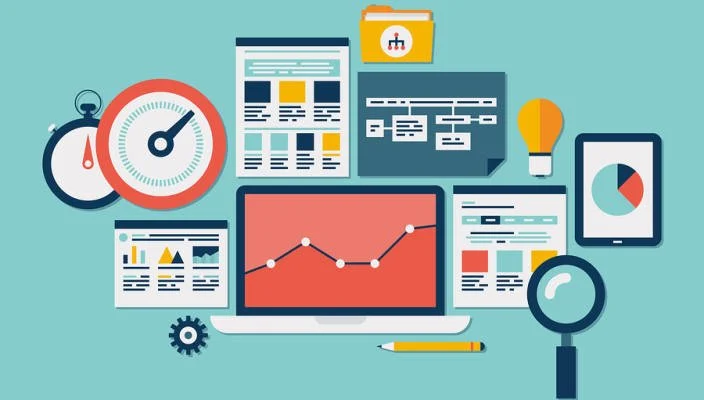
    In the dynamic world of digital marketing, knowledge is power – and when it comes to understanding your audience, tracking your website’s performance, and making data-driven decisions, there’s no tool quite like Google Analytics. With its robust suite of features and capabilities, Google Analytics provides invaluable insights that can help you optimize your digital strategy, improve user experience, and drive meaningful results for your business. In this blog post, we’ll delve into the importance of Google Analytics for gaining digital insights and share some key tips for leveraging its power to your advantage.

    Google Analytics

    Demystifying the Data Maze: Unveiling the Power of Google Analytics for Digital Domination

    Ever felt overwhelmed by website traffic data? Confused by all those charts and graphs in Google Analytics? Fear not, digital warriors! Google Analytics is a treasure trove of insights, but it can seem like a foreign language at first glance. Here’s your decoder ring to unlock the power of this essential digital marketing tool:

    1. Google Analytics: Your Website’s GPS

    Think of Google Analytics as your website’s global positioning system (GPS). It tracks website traffic, user behavior, and conversions, providing invaluable insights into how visitors interact with your digital space. By understanding these insights, you can refine your website, optimize your marketing campaigns, and ultimately achieve your digital goals.

    2. Setting Up for Success: Website Tracking and Goals

    Before you delve into the data, ensure your website is properly set up with Google Analytics tracking. This involves adding a small piece of code to your website that anonymously collects user data.

    Next, define your website goals. Do you want visitors to download a white paper, sign up for your newsletter, or make a purchase? Setting clear goals allows Google Analytics to track conversions and measure the success of your website and marketing efforts.

    3. Traffic Acquisition: Where Do Your Visitors Come From?

    One of the most fundamental reports in Google Analytics is traffic acquisition. This report reveals how visitors find your website. Are they coming from organic search, social media referrals, paid advertising campaigns, or directly typing in your URL? Understanding your traffic sources allows you to identify the most effective marketing channels and optimize your strategies accordingly.

    4. Audience Insights: Getting to Know Your Visitors

    Google Analytics doesn’t just tell you how many visitors you have; it also reveals who they are (well, anonymously!). You can gain insights into demographics like age, location, and even interests. Understanding your audience profile allows you to tailor your website content and marketing messages to resonate with the right people.

    5. User Behavior: Unveiling the Visitor Journey

    So, what do visitors do once they land on your website? Google Analytics provides valuable insights into user behavior. Track which pages visitors frequent, how long they stay on your website, and where they drop off. This data helps you identify areas for improvement, such as optimizing slow-loading pages or streamlining your checkout process.

    6. Conversions: Tracking Success and Measuring ROI

    Remember those website goals you set earlier? Google Analytics tracks conversions, allowing you to see how many visitors take the desired action, whether it’s making a purchase, subscribing to your email list, or downloading a resource. This data enables you to measure the return on investment (ROI) of your marketing efforts and identify areas for improvement.

    7. Dive Deeper: Advanced Features for the Data-Driven Marketer

    Google Analytics offers a vast array of advanced features for the data-driven marketer. Explore features like custom reports, segmenting your audience for even more granular insights, and integrating Google Analytics with other marketing tools to create a unified data ecosystem.

    8. From Data to Action: Turning Insights into Website Optimization

    The true power of Google Analytics lies in using the data to take action. By analyzing visitor behavior and identifying areas for improvement, you can optimize your website for better user experience and higher conversion rates.

    9. Embrace the Learning Curve: Google Analytics is a Journey

    Don’t expect to become a Google Analytics master overnight. There’s a learning curve involved, but countless online resources and tutorials are available to help you navigate this powerful tool. Experiment, explore different reports, and don’t be afraid to ask questions in online marketing forums.

    10. Google Analytics: Your Partner in Digital Growth

    By harnessing the power of Google Analytics, you can transform website data from a confusing maze into a roadmap for digital success. With ongoing exploration and data-driven insights, you can optimize your website, refine your marketing strategies, and ultimately achieve your digital goals. So, log in to your Google Analytics dashboard, unleash your inner data detective, and get ready to transform your website into a digital powerhouse!

  • Optimizing Website Design for Digital Conversions

    Optimizing Website Design for Digital Conversions

    Optimizing Website Design for Digital Conversions

    In the competitive world of digital marketing, your website serves as the virtual storefront for your business. It’s the first impression that potential customers have of your brand, and it plays a crucial role in determining whether visitors stay and engage or click away in search of a better experience elsewhere. That’s why optimizing your website design for digital conversions is essential for driving meaningful results and achieving your business goals. In this blog post, we’ll explore the importance of website design in digital conversions and share some key strategies for optimizing your site for maximum impact.

    Website Design

    Website Design: From Digital Eyesore to Conversion Magnet – Unleash the Optimization Power!

    Imagine a beautifully designed storefront with broken windows, a confusing layout, and products hidden in dark corners. Not exactly a recipe for customer success, right? The same applies to websites. A visually appealing design is a great start, but for true digital dominance, your website needs to be optimized for conversions.

    So, how do you transform your website from a passive observer to an active conversion machine? Let’s explore some website design optimization strategies that turn visitors into loyal customers:

    1. First Impressions Matter: Welcome Visitors with Clarity and Cohesiveness

    The moment a visitor lands on your website, the clock starts ticking. You have a limited window to capture their attention and guide them towards your desired action. That’s where a clear and cohesive design comes in.

    • Clean and Simple Navigation: Make it easy for visitors to find what they’re looking for. A user-friendly navigation bar with clear labels is essential.
    • Visually Consistent Branding: Maintain a consistent brand identity throughout your website, from color scheme and fonts to overall layout. This builds trust and establishes brand recognition.
    • High-Quality Images and Videos: Visuals are powerful storytelling tools. Use high-quality images and videos that showcase your products, services, and brand personality. But remember, optimize them for fast loading speeds – no one enjoys waiting for a website to crawl.

    2. Content is King, But User Experience is Queen (or King):

    Content is crucial, but how you present it is equally important. Structure your content for easy consumption – digestible paragraphs, clear headings, and bullet points for key takeaways.

    • Mobile-First Design: Remember, a significant portion of website traffic comes from mobile devices. Ensure your website is responsive and adapts seamlessly to different screen sizes.
    • White Space is Your Friend: Don’t clutter your website with too much information. Use white space strategically to create visual breathing room and guide the visitor’s eye towards important elements.
    • Calls to Action (CTAs) That Convert: Tell your visitors what you want them to do next. Include clear and compelling CTAs throughout your website, whether it’s “Buy Now,” “Contact Us,” or “Download Our Free Guide.”

    3. Embrace the Power of Social Proof:

    People trust other people’s experiences. Showcase positive customer testimonials, case studies, and social media mentions on your website. Seeing positive social proof builds confidence and encourages visitors to take the next step.

    4. SEO Optimization: The Search Engine Matchmaker:

    Search Engine Optimization (SEO) ensures your website gets discovered by the right people searching for your offerings.

    • Keyword Research: Identify relevant keywords that your target audience uses to find solutions like yours. Strategically incorporate these keywords into your website content, page titles, and meta descriptions.
    • Fast Loading Speeds: Search engines (and website visitors) prioritize fast loading times. Optimize your website images, code, and plugins to ensure lightning-speed performance.

    5. A/B Testing: The Art of Continuous Improvement:

    Website design optimization is an ongoing process. Don’t be afraid to experiment! A/B testing allows you to compare different versions of website elements like headlines, CTAs, or page layouts. See what resonates best with your audience and continuously refine your website design for maximum impact.

    Website Design: A Conversion Catalyst

    By implementing these optimization strategies, you can transform your website design from a digital eyesore into a conversion magnet. Remember, a well-designed website doesn’t just look good – it guides visitors toward your goals, fosters trust, and ultimately drives digital success. So, unleash the optimization power within your website design and watch your conversion rates soar!

  • The Multi-Platform Maestro: Mastering Social Media Marketing

    The Multi-Platform Maestro: Mastering Social Media Marketing

    The Multi-Platform Maestro: Mastering Social Media Marketing

    Social Media Marketing

    Juggling social media platforms can feel like conducting a wild orchestra – a cacophony of tweets, posts, and stories vying for attention. But fear not, marketers! This guide equips you with social media marketing strategies to transform you into a multi-platform maestro, leading your brand to social media stardom.

    Why Social Media Marketing? The Symphony of Success

    Social media is a powerful stage to connect with your audience, build brand awareness, and drive engagement. Here’s how a well-orchestrated social media strategy can benefit your business:

    • Brand Storytelling: Social media allows you to weave a compelling narrative about your brand, showcasing its values, personality, and mission.
    • Targeted Audience Reach: With various platforms catering to specific demographics, you can laser-focus your message on the audience most likely to resonate with your brand.
    • Engagement Extravaganza: Social media fosters two-way communication, allowing you to interact with your audience, answer questions, and build genuine relationships.
    • Community Cultivation: Social media platforms are ideal for fostering a loyal brand community. Encourage interactions, user-generated content, and build a tribe around your brand.
    • Boosting Brand Advocacy: Turn happy customers into brand advocates! Social media allows them to share their positive experiences, amplifying your message organically.

    The Multi-Platform Maestro’s Toolkit: Mastering Each Platform

    Each social media platform requires a slightly different approach. Here are some maestro-worthy tips:

    • Twitter: Be concise and timely. Use relevant hashtags to join conversations and engage in trending topics.
    • Facebook: Foster community discussions, share longer-form content, and leverage paid advertising for targeted reach.
    • Instagram: Captivate with stunning visuals – high-quality photos, eye-catching stories, and engaging Reels.
    • LinkedIn: Establish yourself as an industry thought leader by sharing professional content and engaging in industry discussions.
    • Don’t Forget the Encore! Experiment with other platforms like TikTok or YouTube to diversify your reach and tap into new audiences.

    Social Media Marketing

    In today’s world, Digital Marketing is the art and science of digital marketing converging to create a harmonious crescendo of success for businesses. In this journey we will explore the most sophisticated strategies that propel brands to orchestrate their online presence with finesse and brilliance. Our Online Digital Marketing Course will equip you with the knowledge and expertise to lead your marketing endeavours to new heights, captivating audiences, and achieving resounding applause in the digital landscape.

    Our Digital Marketing Certification is a symphony that captivates its audience with harmonious melodies. Mastering digital marketing allows businesses to captivate their target audiences, engaging them in a resonating manner. Businesses can now orchestrate their marketing efforts seamlessly across various channels, leaving an indelible mark on their audience’s hearts and minds.

    “Discover the art of orchestrating data-driven precision and creative brilliance with ‘Digital Maestro,’ as you lead your brand to centre stage in the ever-evolving symphony of digital marketing.”

    VE Digital: Your Social Media Orchestra Pit

    At VE Digital, we’re a team of social media virtuosos passionate about crafting effective social media strategies. We can help you identify the right platforms for your brand, develop engaging content, and manage your social media presence across the board. Let VE Digital be your social media orchestra pit, providing the harmony and expertise to elevate your brand’s online presence.

    Ready to conduct a social media symphony that drives engagement and brand awareness? Contact VE Digital today for a free consultation!

  • The Rise of the Machines: How AI is Transforming Digital Marketing

    The Rise of the Machines: How AI is Transforming Digital Marketing

    The Rise of the Machines: How AI is Transforming Digital Marketing

    How AI is Transforming Digital Marketing

    Remember those sci-fi movies where robots take over the world? Relax, marketers! In the realm of digital marketing, AI (Artificial Intelligence) isn’t here to steal your job – it’s here to be your super-powered sidekick! Let’s explore how AI is transforming digital marketing and why you should be excited, not scared.

    AI in Digital Marketing: More Than Just Buzzwords

    AI is no longer a futuristic fantasy. It’s revolutionizing the way we approach marketing, offering a treasure trove of benefits:

    • Unleashing the Power of Personalization: AI can analyze customer data to create hyper-personalized marketing campaigns. Imagine ads that speak directly to a user’s interests, leading to higher engagement and conversions.
    • Content Creation on Autopilot (Almost): AI can assist with content creation, generating ideas, suggesting headlines, and even crafting drafts. This frees up your time for strategic thinking and creative refinements.
    • The Ad-Targeting Terminator: AI algorithms can analyze user behavior with laser focus, ensuring your ads reach the exact audience you want. No more wasted ad spend – just targeted campaigns with maximum impact.
    • Chatbots that Don’t Drive You Nuts: AI-powered chatbots can answer customer queries 24/7, provide real-time support, and personalize the customer experience – all without needing a nap!
    • Predictive Power for Peak Performance: AI can analyze data to predict customer behavior and trends. This allows you to stay ahead of the curve and tailor your marketing strategies for optimal results.

    AI is Here to Help, Not Replace

    While AI is powerful, it won’t replace human creativity and strategic thinking in marketing. The future lies in humans and AI working together to create a dynamic marketing force.

    VE Digital: Your AI Marketing Partner

    At VE Digital, we embrace the potential of AI in digital marketing. We can help you leverage AI tools, analyze data insights, and develop data-driven marketing strategies that put your brand at the forefront. Let’s conquer the marketing landscape together, with AI as our secret weapon!

    Ready to harness the power of AI and transform your digital marketing efforts? Contact VE Digital today for a free consultation!