Category: Personal Development

  • The Future of Podcasting in Digital Marketing

    The Future of Podcasting in Digital Marketing

    The Future of Podcasting in Digital Marketing

    Podcasting has emerged as a powerful medium in the realm of digital marketing, offering brands and creators a unique way to connect with audiences through audio storytelling. As technology continues to evolve and consumer preferences shift towards on-demand content consumption, podcasting is poised to play an increasingly significant role in digital marketing strategies. Let’s explore the trends and opportunities shaping the future of podcasting in digital marketing.

    Podcasting

    1. Growing Popularity and Audience Reach

    Podcasting has experienced exponential growth in recent years, with millions of listeners tuning in to podcasts on various topics ranging from business and marketing to entertainment and personal development. The accessibility of podcasts through mobile devices and streaming platforms has expanded audience reach globally, enabling brands to engage with niche audiences and build communities around specific interests or industries.

    2. Diversification of Content and Formats

    The diversity of podcast content and formats continues to expand, catering to diverse listener preferences and consumption habits. Podcasts range from interview-style shows featuring industry experts and thought leaders to narrative storytelling, educational content, news updates, and branded podcasts produced by businesses. The versatility of podcasting allows brands to experiment with different formats to resonate with their target audience and convey their brand message authentically.

    3. Integration with Influencer and Content Marketing

    Podcasting presents opportunities for brands to collaborate with influencers and industry experts as guest hosts or interviewees, amplifying reach and credibility within niche communities. Influencer-hosted podcasts leverage the host’s established audience and influence to endorse products or services seamlessly. Additionally, brands can repurpose podcast episodes into blog posts, social media snippets, or video content to extend the reach and engagement across multiple channels.

    4. Monetization and Revenue Streams

    The monetization potential of podcasts has expanded with the introduction of advertising, sponsorships, subscriptions, and listener donations. Brands can leverage podcast advertising to reach highly engaged audiences through host-read ads or pre-roll/post-roll placements. Sponsorship opportunities allow brands to align with relevant podcast content and target listeners with affinity for specific industries or interests. Subscription models and premium content offerings provide additional revenue streams for podcast creators and brands alike.

    5. Enhanced Analytics and Measurement Tools

    Advancements in podcast analytics and measurement tools have improved the ability to track listener demographics, engagement metrics, and audience behavior. Platforms and hosting services offer insights into listener retention, episode downloads, geographic distribution, and listener feedback, empowering brands to make data-driven decisions and optimize content strategies. Enhanced analytics enable brands to refine targeting, personalize content, and measure the effectiveness of podcast marketing campaigns accurately.

    6. Voice Search Optimization and Discoverability

    As voice-activated devices and virtual assistants like Siri, Alexa, and Google Assistant become mainstream, optimizing podcasts for voice search is essential for increasing discoverability. Incorporating relevant keywords, episode titles, and descriptions that align with common voice search queries enhances podcast visibility and attracts new listeners searching for specific topics or genres. Voice search optimization improves podcast ranking in search engine results and increases organic traffic to episodes.

    7. Integration with Social Media and Cross-promotion

    Social media platforms serve as powerful channels for promoting podcasts, engaging with listeners, and driving traffic to episodes. Podcasters leverage social media to share episode highlights, behind-the-scenes content, guest announcements, and listener testimonials. Cross-promotion with influencers, collaborators, and industry partners amplifies podcast reach and fosters community engagement across multiple platforms. Integrating podcasts into comprehensive content marketing strategies enhances brand visibility and establishes thought leadership within target audiences.

    8. Innovations in Content Delivery and Interactive Experiences

    Technological innovations such as interactive audio ads, dynamic content insertion, and personalized recommendations are transforming podcasting into a more interactive and personalized medium. Dynamic ad insertion allows brands to deliver targeted ads based on listener preferences and behavior, optimizing ad relevance and engagement. Interactive experiences, such as clickable links within episodes or interactive storytelling formats, enhance listener engagement and provide opportunities for immersive brand experiences.

    9. Educational and Thought Leadership Opportunities

    Podcasting serves as a platform for thought leadership, knowledge sharing, and educational content creation within niche industries. Brands can position themselves as industry leaders by producing podcasts that provide valuable insights, trends, and expert opinions on relevant topics. Educational podcasts attract listeners seeking actionable advice, industry updates, and professional development opportunities, establishing trust and authority within specialized communities.

    10. Continued Evolution and Adaptation

    As podcasting continues to evolve, adaptability and innovation will be key to staying ahead in the digital marketing landscape. Embracing emerging technologies, audience preferences, and content trends enables brands to leverage podcasting as a strategic tool for audience engagement, brand storytelling, and driving business growth. By staying informed about the latest podcasting trends and integrating podcasts into holistic marketing strategies, brands can harness the full potential of this dynamic medium to achieve marketing objectives effectively.

    Podcasting represents a compelling opportunity for brands to connect authentically with audiences, foster community engagement, and drive meaningful interactions through immersive audio storytelling. By embracing the future trends shaping podcasting in digital marketing, brands can leverage this powerful medium to cultivate brand loyalty, expand market reach, and differentiate themselves in a competitive digital landscape.


  • Personal Development Books You Should Read

    Personal Development Books You Should Read

    Personal Development Books You Should Read

    Embarking on a journey of personal development is a transformative experience, and one of the most effective ways to gain insights, inspiration, and practical wisdom is through reading. Whether you’re looking to enhance your leadership skills, cultivate a growth mindset, or navigate life’s challenges with resilience, the right books can serve as invaluable guides. Here’s a curated list of recommended reading that promises to empower and enrich your personal development journey:

    Personal Development

    1. “Atomic Habits” by James Clear

    Why Read: James Clear’s “Atomic Habits” delves into the science of habit formation and offers practical strategies for building good habits and breaking bad ones. Clear’s approach is grounded in behavioral psychology, making it accessible and actionable for anyone seeking to make lasting changes in their life.

    2. “The 7 Habits of Highly Effective People” by Stephen R. Covey

    Why Read: A timeless classic, Stephen R. Covey’s “The 7 Habits of Highly Effective People” outlines seven principles for personal and professional effectiveness. Covey’s insights on proactive living, prioritization, and interpersonal relationships have resonated with millions worldwide.

    3. “Mindset: The New Psychology of Success” by Carol S. Dweck

    Why Read: Carol S. Dweck’s groundbreaking book “Mindset” explores the concept of fixed versus growth mindsets. Dweck explains how adopting a growth mindset can unlock one’s potential for learning, resilience, and achievement in both personal and professional endeavors.

    4. “Grit: The Power of Passion and Perseverance” by Angela Duckworth

    Why Read: In “Grit,” Angela Duckworth explores the power of passion and perseverance in achieving long-term goals. Drawing on research from psychology and interviews with high achievers, Duckworth emphasizes the importance of resilience and sustained effort in reaching success.

    5. “Daring Greatly: How the Courage to Be Vulnerable Transforms the Way We Live, Love, Parent, and Lead” by Brené Brown

    Why Read: Brené Brown’s “Daring Greatly” challenges conventional notions of vulnerability and explores how embracing vulnerability can lead to greater authenticity, connection, and personal growth. Brown’s insights are particularly relevant for cultivating meaningful relationships and leadership qualities.

    6. “Emotional Intelligence 2.0” by Travis Bradberry and Jean Greaves

    Why Read: Travis Bradberry and Jean Greaves’ “Emotional Intelligence 2.0” provides practical strategies for enhancing emotional intelligence (EQ), a crucial skill for personal and professional success. The book includes a self-assessment tool and actionable advice for improving self-awareness, empathy, and relationship management.

    7. “The Power of Now: A Guide to Spiritual Enlightenment” by Eckhart Tolle

    Why Read: Eckhart Tolle’s “The Power of Now” is a spiritual guide that encourages readers to live in the present moment and transcend negative thought patterns. Tolle’s teachings on mindfulness and consciousness offer profound insights into achieving inner peace and personal fulfillment.

    8. “Start with Why: How Great Leaders Inspire Everyone to Take Action” by Simon Sinek

    Why Read: Simon Sinek’s “Start with Why” explores the importance of identifying and communicating one’s purpose or “why” as a catalyst for inspiring others and driving meaningful change. Sinek’s concept of the Golden Circle has become a cornerstone for leadership and organizational strategy.

    9. “Drive: The Surprising Truth About What Motivates Us” by Daniel H. Pink

    Why Read: In “Drive,” Daniel H. Pink challenges conventional notions of motivation and explores what truly drives human behavior—autonomy, mastery, and purpose. Pink’s insights are essential for understanding intrinsic motivation and fostering a more engaged and productive mindset.

    10. “The 5 Second Rule: Transform Your Life, Work, and Confidence with Everyday Courage” by Mel Robbins

    Why Read: Mel Robbins’ “The 5 Second Rule” offers a simple yet powerful technique for overcoming procrastination, self-doubt, and fear. By counting down from five and taking action, Robbins advocates for breaking negative habits and seizing opportunities for personal growth.

    Expand Your Horizons with Recommended Reading

    Exploring these recommended books can empower you to cultivate new perspectives, develop essential skills, and navigate personal and professional challenges with confidence. Whether you’re embarking on a leadership journey, seeking to enhance your emotional intelligence, or striving for personal growth, these books offer valuable insights and practical strategies for success.

    Stay tuned for more curated recommendations and insights to inspire your personal development journey. Embrace the wisdom within these pages and unlock your full potential as you strive for continuous growth and fulfillment in all aspects of your life.

  • The Power of Mindset in Personal Development

    The Power of Mindset in Personal Development

    The Power of Mindset in Personal Development

    Mindset development is more than just a buzzword—it’s a powerful catalyst for personal growth, success, and fulfillment. The way we perceive challenges, approach goals, and navigate life’s ups and downs is deeply influenced by our mindset. Cultivating a growth-oriented mindset can empower individuals to overcome obstacles, embrace opportunities, and achieve their fullest potential. Here’s a deep dive into the transformative power of mindset development and how it fuels personal development:

    Mindset

    1. Understanding Mindset Development

    Mindset refers to the beliefs, attitudes, and assumptions that shape our thoughts and behaviors. At its core, mindset development involves cultivating a mindset that fosters resilience, positivity, and continuous learning. Embracing a growth mindset, as popularized by psychologist Carol Dweck, encourages individuals to view challenges as opportunities for growth rather than setbacks.

    2. Embracing a Growth Mindset

    Individuals with a growth mindset believe that abilities and intelligence can be developed through dedication and hard work. They see failures as learning experiences, persist in the face of obstacles, and seek out opportunities to expand their skills and knowledge. Embracing a growth mindset is essential for personal development as it fosters a sense of optimism, adaptability, and self-motivation.

    3. Overcoming Limiting Beliefs

    Mindset development involves identifying and challenging limiting beliefs that hinder personal growth. These beliefs often manifest as self-doubt, fear of failure, or a fixed mindset that assumes abilities are fixed and cannot be changed. By cultivating awareness and challenging negative thought patterns, individuals can shift towards a growth mindset that promotes resilience and empowers them to achieve their goals.

    4. Setting Goals and Taking Action

    A growth-oriented mindset fuels goal-setting and action-taking behaviors. Individuals with a growth mindset set ambitious yet achievable goals, create actionable plans, and persistently work towards their objectives. They view setbacks as temporary obstacles and opportunities to learn, adapt, and improve their strategies for success.

    5. Learning and Skill Development

    Mindset development emphasizes the importance of continuous learning and skill development. Individuals with a growth mindset actively seek out new knowledge, seek feedback, and embrace challenges that facilitate personal and professional growth. They understand that acquiring new skills and knowledge expands their capabilities and enhances their effectiveness in various aspects of life.

    6. Cultivating Resilience and Adaptability

    In the face of adversity or change, mindset development promotes resilience and adaptability. A growth mindset enables individuals to bounce back from setbacks, navigate uncertainty with confidence, and embrace change as an opportunity for personal transformation. By focusing on strengths, learning from experiences, and maintaining a positive outlook, individuals can navigate life’s challenges more effectively.

    7. Building Confidence and Self-Efficacy

    Mindset development plays a crucial role in building confidence and self-efficacy—the belief in one’s ability to achieve goals and overcome obstacles. Individuals with a growth mindset develop a sense of mastery through continuous improvement and achievement of milestones. This self-belief fuels motivation, perseverance, and a proactive approach to personal development.

    8. Applying Mindset Development in Daily Life

    Integrating mindset development into daily life involves adopting habits and practices that reinforce a growth-oriented mindset. Practices such as journaling, meditation, goal-setting, and seeking mentorship support mindset development by fostering self-awareness, reflection, and personal growth. Consistency in these practices cultivates a resilient mindset that sustains personal development over time.

    9. Impact on Relationships and Leadership

    Mindset development extends beyond personal growth to influence relationships and leadership capabilities. Individuals with a growth mindset foster collaborative relationships, value feedback, and inspire others to embrace growth and development. As leaders, they cultivate a culture of innovation, resilience, and continuous improvement within teams and organizations.

    10. Embracing a Lifelong Journey of Growth

    Mindset development is a lifelong journey that requires commitment, self-reflection, and openness to change. By nurturing a growth-oriented mindset, individuals empower themselves to embrace challenges, achieve personal milestones, and lead fulfilling lives. Embracing the power of mindset development unlocks untapped potential and paves the way for continuous personal growth and success.

    Unlock Your Potential with Mindset Development

    Mindset development is a transformative journey that empowers individuals to overcome challenges, pursue goals with confidence, and lead purposeful lives. By cultivating a growth mindset, you can harness the power of positivity, resilience, and continuous learning to achieve your aspirations and contribute meaningfully to your personal and professional spheres. Stay tuned for more insights and practical tips on mindset development to inspire your journey towards personal excellence and fulfillment.

  • Importance of Continuous Personal Development

    Importance of Continuous Personal Development

     Importance of Continuous Personal Development

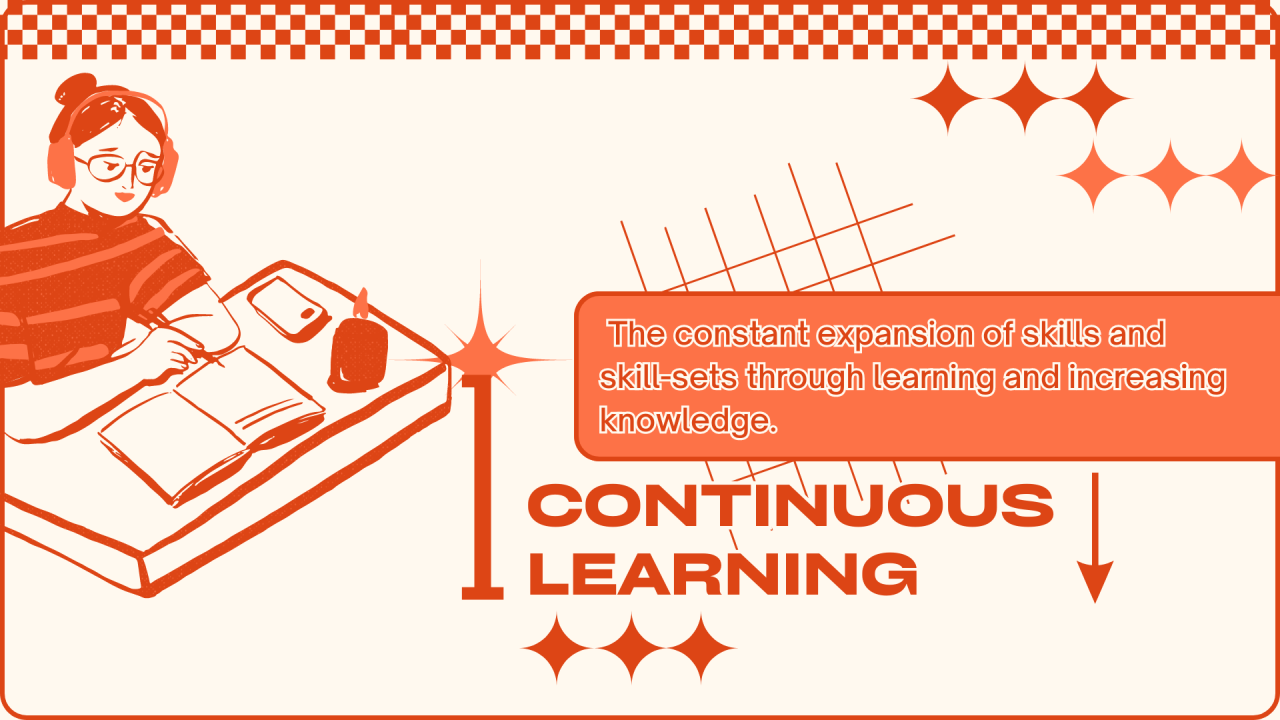
    In today’s dynamic world, continuous learning isn’t just a professional asset—it’s a necessity for personal growth and success. Embracing a mindset of lifelong learning empowers individuals to adapt to changes, expand their skill sets, and stay ahead in their careers. Whether you’re aiming to advance professionally, pursue new passions, or simply enrich your life, here’s why continuous learning is essential and how you can harness its transformative power.

    Personal Development

    1. Adapting to Evolving Industries and Technologies

    In rapidly evolving industries such as technology, healthcare, and finance, staying relevant requires staying informed. Continuous learning enables professionals to keep pace with emerging trends, advancements in technology, and evolving best practices. By updating their knowledge and skills regularly, individuals can enhance their job performance, seize new opportunities, and future-proof their careers against industry shifts.

    2. Personal Growth and Self-Improvement

    Beyond professional benefits, continuous learning fosters personal growth and self-improvement. It encourages individuals to explore new interests, develop hobbies, and cultivate talents that enrich their lives. Learning new languages, mastering musical instruments, or honing artistic skills not only stimulates the mind but also enhances creativity, critical thinking, and overall well-being.

    3. Boosting Confidence and Resilience

    Investing in continuous learning cultivates confidence and resilience in facing challenges and uncertainties. Acquiring new knowledge and skills instills a sense of achievement and competence, boosting self-esteem and motivation. Individuals who engage in lifelong learning are better equipped to adapt to changes, overcome setbacks, and pursue ambitious goals with determination and confidence.

    4. Enhancing Problem-Solving Abilities

    Continuous learning sharpens critical thinking and problem-solving abilities by exposing individuals to diverse perspectives and methodologies. Engaging in educational courses, workshops, or online tutorials provides opportunities to tackle complex problems, analyze situations from multiple angles, and devise innovative solutions. These skills are invaluable across professions and empower individuals to navigate challenges effectively.

    5. Staying Relevant in a Competitive Job Market

    In today’s competitive job market, employers value candidates who demonstrate a commitment to continuous learning. Acquiring certifications, attending workshops, or pursuing advanced degrees signals to employers that you are proactive, adaptable, and invested in professional development. Continuous learners are more likely to attract career advancement opportunities, promotions, and higher salaries in their respective fields.

    6. Networking and Collaboration Opportunities

    Engaging in continuous learning expands professional networks and fosters collaborations with like-minded individuals. Networking events, industry conferences, and online forums provide platforms to connect with experts, share insights, and collaborate on projects. Building relationships through shared interests and learning experiences opens doors to mentorship, partnerships, and new career prospects.

    7. Embracing Lifelong Curiosity

    Curiosity is at the heart of continuous learning—it fuels exploration, discovery, and personal enrichment. Cultivating a thirst for knowledge encourages individuals to seek out new experiences, challenge assumptions, and embrace lifelong curiosity. Whether exploring new hobbies, delving into literature, or mastering new technologies, curiosity fuels intellectual growth and fuels a passion for lifelong learning.

    8. Improving Decision-Making and Adaptability

    Continuous learners develop the ability to make informed decisions based on up-to-date knowledge and critical analysis. They are adept at evaluating information, weighing options, and anticipating outcomes, enhancing their decision-making skills. Adapting to change becomes second nature as individuals remain flexible, resilient, and open to acquiring new skills and perspectives.

    9. Contributing to Personal Fulfillment

    Ultimately, continuous learning contributes to personal fulfillment and a sense of purpose. It enables individuals to pursue their aspirations, achieve personal milestones, and lead fulfilling lives aligned with their values and passions. Whether pursuing professional accolades or personal interests, lifelong learners derive satisfaction from their ongoing growth and accomplishments.

    10. Harnessing Technology for Learning

    Advancements in technology have democratized access to learning resources and opportunities. Online platforms, e-learning courses, and digital libraries offer convenient and flexible options for individuals to engage in continuous learning from anywhere in the world. Leveraging technology allows learners to customize their learning experiences, progress at their own pace, and explore diverse subjects that align with their interests and career goals.

    Embrace the journey of continuous learning as a pathway to personal growth, professional success, and lifelong fulfillment. By prioritizing education, embracing curiosity, and seizing opportunities to expand your knowledge and skills, you empower yourself to thrive in an ever-changing world. Stay tuned for more insights and practical tips to inspire your ongoing learning journey and unlock your full potential.

  • Personal Development Habits of Successful People

    Personal Development Habits of Successful People

    Personal Development Habits of Successful People

    Ever wondered what sets highly successful individuals apart from the rest? Beyond talent and luck, successful people cultivate specific habits and practices that contribute to their personal growth and achievement. Discover the key success habits that can empower you to reach your full potential and excel in various aspects of life.

    Successful People

    1. Morning Rituals for Productivity

    Successful individuals often start their day with purposeful morning rituals that set a positive tone for the hours ahead. From meditation and visualization exercises to exercise routines and healthy breakfasts, establishing a consistent morning ritual can enhance focus, clarity, and productivity throughout the day.

    2. Continuous Learning and Growth

    A commitment to lifelong learning is a hallmark of successful people. They prioritize acquiring new knowledge, skills, and perspectives through reading books, attending seminars, taking courses, or seeking mentorship. Embrace a growth mindset and continuously challenge yourself to expand your capabilities and stay ahead in your field.

    3. Goal Setting and Planning

    Setting clear goals and developing actionable plans to achieve them is a fundamental habit of achievers. They articulate specific, measurable, achievable, relevant, and time-bound (SMART) goals and break them down into manageable steps. Regularly review progress, adjust strategies as needed, and celebrate milestones along the way to maintain motivation and momentum.

    4. Effective Time Management

    Time is a precious resource, and successful individuals are adept at managing it effectively. They prioritize tasks based on importance and urgency, delegate responsibilities when necessary, and minimize distractions to maximize productivity. Adopt time management techniques such as the Pomodoro Technique or time-blocking to enhance focus and efficiency.

    5. Healthy Lifestyle Choices

    Physical and mental well-being are integral to sustained success. Adopting a healthy lifestyle that includes regular exercise, balanced nutrition, adequate sleep, and stress management practices promotes optimal performance and resilience. Prioritize self-care to maintain energy levels, mental clarity, and overall well-being amidst busy schedules and demanding responsibilities.

    6. Networking and Relationship Building

    Successful people understand the power of networking and cultivating meaningful relationships. They actively seek opportunities to connect with industry peers, mentors, and influencers who can provide support, guidance, and valuable insights. Nurture professional relationships through genuine interactions, reciprocity, and a willingness to offer assistance to others.

    7. Resilience and Adaptability

    In the face of challenges and setbacks, resilience is a crucial trait that separates achievers from those who give up. Successful individuals embrace failures as learning opportunities, bounce back from adversity, and adapt their strategies to changing circumstances. Cultivate resilience by maintaining a positive outlook, developing problem-solving skills, and staying flexible in your approach to achieving goals.

    8. Effective Communication Skills

    Clear and effective communication is essential for building rapport, influencing others, and achieving collaborative success. Successful individuals hone their communication skills through active listening, articulating ideas succinctly, and adapting their communication style to resonate with different audiences. Practice empathy, clarity, and assertiveness to foster constructive relationships and achieve desired outcomes.

    9. Financial Management and Discipline

    Financial discipline is a cornerstone of personal and professional success. Successful individuals manage their finances prudently, budget effectively, invest wisely, and plan for long-term financial security. Adopt sound financial habits such as saving consistently, living within means, and seeking professional advice when making financial decisions to achieve financial independence and stability.

    10. Reflection and Self-Reflection

    Introspection and self-reflection are integral to personal development and growth. Successful individuals set aside time for reflection to assess their progress, learn from experiences, and identify areas for improvement. Regularly evaluate goals, actions, and outcomes to refine strategies, adjust priorities, and align efforts with long-term aspirations.

    Incorporate these success habits into your daily routine and mindset to unlock your potential, accelerate personal growth, and achieve your goals. Embrace consistency, perseverance, and a commitment to continuous improvement as you embark on your journey toward success. Stay tuned for more insights and practical tips to empower you on your path to personal and professional fulfillment.

  • How Personal Development Enhances Career Growth

    How Personal Development Enhances Career Growth

    How Personal Development Enhances Career Growth

    In the journey of career growth, personal development emerges as the secret weapon that distinguishes achievers from followers. Embracing personal development isn’t just about acquiring new skills; it’s a transformative journey that empowers individuals to reach their full potential professionally and personally. Let’s delve into how focusing on personal development can propel your career to new heights in today’s competitive landscape.

    Personal Development

    1. Continuous Learning and Skill Enhancement

    Personal development revolves around the concept of lifelong learning. In a rapidly evolving job market, acquiring new skills and knowledge is essential for staying relevant and adaptable. Whether through formal education, online courses, workshops, or self-study, continuous learning equips professionals with the expertise needed to tackle challenges and seize opportunities in their respective fields.

    2. Building Confidence and Self-Awareness

    Self-confidence is a cornerstone of career success. Personal development encourages individuals to explore their strengths, weaknesses, and motivations through introspection and feedback. By enhancing self-awareness, professionals can leverage their strengths effectively, work on areas needing improvement, and confidently navigate professional interactions and challenges.

    3. Setting and Achieving Goals

    Goal-setting is a fundamental aspect of personal development that directly impacts career advancement. By setting clear, achievable goals aligned with their career aspirations, individuals create a roadmap for progress and growth. Breaking down larger goals into manageable steps and celebrating milestones along the way provides motivation and a sense of accomplishment, driving continuous improvement.

    4. Effective Time Management

    Time is a precious resource, especially in demanding professional environments. Personal development emphasizes the importance of prioritization, delegation, and effective time management techniques. By optimizing productivity and minimizing distractions, professionals can maximize their efficiency, meet deadlines consistently, and maintain a healthy work-life balance essential for sustained career growth.

    5. Adaptability and Resilience

    Change is inevitable in any career journey. Personal development fosters adaptability by encouraging individuals to embrace new challenges, learn from setbacks, and pivot when necessary. Developing resilience enables professionals to bounce back from failures, navigate uncertainties with confidence, and emerge stronger and more resourceful in their careers.

    6. Networking and Relationship Building

    Building meaningful professional relationships is integral to career advancement. Personal development emphasizes networking skills, communication strategies, and interpersonal dynamics. Engaging in networking events, industry conferences, and online communities allows professionals to expand their professional network, gain insights from peers and mentors, and uncover new career opportunities.

    7. Embracing Leadership and Influence

    Effective leadership is not just about management; it’s about inspiring and influencing others positively. Personal development cultivates leadership qualities such as empathy, decisiveness, and strategic thinking. By honing leadership skills, professionals can lead teams effectively, foster collaboration, and contribute to organizational success while positioning themselves as influential leaders within their industry.

    8. Emotional Intelligence and Conflict Resolution

    In today’s collaborative work environments, emotional intelligence (EQ) is a valuable asset. Personal development encourages individuals to enhance their EQ by understanding emotions, managing interpersonal relationships, and resolving conflicts constructively. Strong EQ enables professionals to navigate diverse workplace dynamics, foster teamwork, and cultivate a supportive organizational culture conducive to growth and innovation.

    9. Mentorship and Continuous Feedback

    Seeking mentorship and feedback is a hallmark of personal development. Mentors provide guidance, share valuable insights based on their experiences, and offer constructive feedback to help professionals refine their skills and decision-making. Actively seeking mentorship fosters personal growth, accelerates learning curves, and opens doors to mentorship opportunities for future career stages.

    10. Maintaining Work-Life Balance and Well-being

    Personal development emphasizes holistic growth, including prioritizing well-being and maintaining a healthy work-life balance. Professionals who prioritize self-care, physical health, and mental well-being are more productive, resilient, and capable of sustaining long-term career success. Balancing professional aspirations with personal fulfillment contributes to overall happiness and enhances career satisfaction.

    In essence, personal development is a catalyst for career growth, enabling individuals to expand their capabilities, seize opportunities, and achieve their professional aspirations. By investing in personal development initiatives, professionals can unlock their full potential, navigate career challenges effectively, and emerge as leaders in their respective fields. Stay tuned for more insights on how to integrate personal development into your career journey for continued success and fulfillment.

  • Health and Wellness Trends to Embrace in 2024

    Health and Wellness Trends to Embrace in 2024

    Health and Wellness Trends to Embrace in 2024

    As we step into 2024, the landscape of health and wellness continues to evolve, offering exciting trends that prioritize holistic well-being and sustainable living. Whether you’re looking to enhance your physical fitness, improve mental health, or adopt cleaner eating habits, staying informed about the latest wellness trends can empower you to make proactive choices for a healthier lifestyle. Here’s a glimpse into the top wellness trends to embrace in 2024 and how they can positively impact your well-being.

    Health and Wellness

    1. Mindful Movement and Holistic Fitness

    Wellness in 2024 is all about mindful movement and holistic fitness approaches that emphasize not just physical exercise, but also mental and emotional well-being. Practices such as yoga, Pilates, and tai chi are gaining popularity for their ability to improve flexibility, strength, and mindfulness. Look for fitness studios and apps offering classes that integrate meditation, breathwork, and relaxation techniques to enhance overall wellness.

    2. Personalized Nutrition Plans

    Personalized nutrition continues to be a key trend in 2024, with individuals seeking tailored eating plans that cater to their unique health needs and goals. From DNA-based diets to personalized meal delivery services, advancements in nutrition science are empowering people to make informed choices about their diets. Consider consulting with a registered dietitian or nutritionist to create a personalized nutrition plan that supports your energy levels, digestive health, and long-term wellness goals.

    3. Mental Health and Stress Management

    2024 places a strong emphasis on mental health and stress management strategies that promote emotional resilience and well-being. Practices like meditation, mindfulness, and journaling are increasingly recognized for their ability to reduce stress, improve sleep quality, and enhance overall mental clarity. Explore wellness apps that offer guided meditation sessions, stress-relief techniques, and sleep optimization tools to prioritize your mental health daily.

    4. Tech-Driven Wellness Solutions

    Technology continues to revolutionize the wellness industry, offering innovative solutions to monitor and improve health outcomes. Wearable fitness trackers, smart health devices, and virtual wellness platforms are empowering individuals to take a proactive approach to their health. Look for AI-powered wellness apps that provide personalized health insights, track fitness progress, and offer real-time feedback to optimize your wellness routines.

    5. Sustainable and Eco-Friendly Living

    In 2024, sustainability is not just a trend but a lifestyle choice embraced by wellness enthusiasts worldwide. Eco-friendly products, sustainable fashion, and plant-based diets are gaining momentum as people seek to reduce their environmental footprint and support ethical practices. Explore local farmers’ markets, sustainable brands, and eco-conscious initiatives that align with your values of environmental stewardship and conscious consumerism.

    6. Sleep Optimization Techniques

    Quality sleep is a cornerstone of overall wellness, and in 2024, there’s a growing focus on sleep optimization techniques that promote restorative sleep patterns. Practices like creating a calming bedtime routine, limiting screen time before bed, and optimizing your sleep environment (such as using blackout curtains and comfortable bedding) can significantly enhance sleep quality. Consider investing in sleep-tracking devices or apps that monitor your sleep patterns and provide insights for better rest.

    7. Emotional Well-being and Community Support

    Building strong social connections and nurturing emotional well-being are integral to holistic wellness in 2024. Engage in community-based activities, join support groups, or participate in wellness retreats that foster a sense of belonging and emotional support. Cultivate meaningful relationships with friends, family, and colleagues to create a supportive network that encourages positive mental health and personal growth.

    8. CBD and Herbal Wellness Products

    The popularity of CBD and herbal wellness products continues to rise in 2024, driven by their potential therapeutic benefits for stress relief, pain management, and relaxation. Explore natural remedies such as CBD oils, herbal teas, and botanical supplements known for their calming and healing properties. Consult with healthcare professionals to integrate these products into your wellness regimen safely and effectively.

    9. Work-Life Balance and Time Management

    Achieving work-life balance is crucial for maintaining overall wellness in 2024. Implement time management strategies, set boundaries between work and personal life, and prioritize activities that promote relaxation and rejuvenation. Practice mindfulness at work, take regular breaks, and engage in hobbies or activities that bring joy and fulfillment outside of professional responsibilities.

    10. Wellness Travel and Retreats

    Wellness travel and retreats offer opportunities to rejuvenate mind, body, and spirit while exploring new destinations. Choose wellness-focused resorts, spa retreats, or nature retreats that offer holistic wellness programs, fitness activities, and healthy cuisine options. Disconnect from daily stressors, immerse yourself in natural surroundings, and embrace transformative experiences that promote self-care and renewal.

    Embrace Wellness Trends for a Healthier You

    Incorporating these wellness trends into your lifestyle can empower you to prioritize your health, enhance your well-being, and achieve a balanced, fulfilling life in 2024 and beyond. Embrace holistic approaches to fitness, personalized nutrition plans, and mindfulness practices that support your physical, mental, and emotional health goals. Explore innovative wellness solutions, cultivate sustainable living practices, and prioritize self-care to create a healthier, happier you in the years ahead.

  • Advancing Your Career: Strategies for Professional Growth

    Advancing Your Career: Strategies for Professional Growth

    Advancing Your Career: Strategies for Professional Growth

    Career development is a continuous journey that requires proactive planning, skill enhancement, and strategic networking. Whether you’re aiming for a promotion, exploring new opportunities, or seeking to enhance your skills, implementing effective career development strategies can propel your professional growth and open doors to new possibilities. Here are actionable steps to advance your career and achieve long-term success.

    Professional Growth

    1. Set Clear and Achievable Goals

    Begin by defining your career objectives and setting clear, achievable goals. Identify short-term milestones and long-term aspirations to guide your career path. Consider where you want to be professionally in the next one year, three years, and five years. Define specific, measurable goals such as acquiring new skills, gaining leadership experience, or transitioning into a different role or industry. Setting goals provides clarity and motivation, helping you stay focused on advancing your career.

    2. Invest in Continuous Learning and Skill Development

    Stay relevant and competitive in your field by investing in continuous learning and skill development. Take advantage of training programs, workshops, certifications, and online courses that enhance your expertise and expand your knowledge base. Stay updated with industry trends, technological advancements, and best practices relevant to your career path. Develop both technical skills and soft skills such as communication, leadership, and problem-solving, which are valuable across various roles and industries.

    3. Seek Mentorship and Professional Guidance

    Mentorship plays a pivotal role in career development by providing guidance, insights, and networking opportunities. Identify experienced professionals or mentors within your organization or industry who can offer advice, share their experiences, and provide constructive feedback. Establish a mentorship relationship based on mutual respect and trust. Leverage your mentor’s expertise to navigate challenges, set career goals, and make informed decisions that align with your professional growth trajectory.

    4. Build a Strong Professional Network

    Networking is essential for expanding your career opportunities and gaining valuable industry insights. Attend industry events, conferences, seminars, and networking mixers to connect with peers, industry leaders, and potential mentors or collaborators. Join professional associations, LinkedIn groups, and online communities relevant to your field to build relationships and stay informed about industry trends and job openings. Nurture your network by maintaining regular communication, offering assistance, and seeking opportunities to collaborate or contribute to others’ success.

    5. Showcase Your Achievements and Personal Brand

    Developing a strong personal brand reinforces your professional reputation and distinguishes you in the competitive job market. Highlight your accomplishments, skills, and expertise on your resume, LinkedIn profile, and professional portfolio. Share industry insights, thought leadership articles, or project successes on social media platforms or through professional blogs. Establish yourself as a knowledgeable and dependable professional within your industry, demonstrating your value to potential employers or clients.

    6. Volunteer for Challenging Projects and Leadership Roles

    Take initiative by volunteering for challenging projects, cross-functional assignments, or leadership opportunities within your organization. Proactively seek opportunities to expand your responsibilities, demonstrate your capabilities, and showcase your potential for growth. Volunteer work allows you to gain valuable experience, develop new skills, and establish your credibility as a proactive team member or leader. Embrace challenges as opportunities for personal and professional development.

    7. Stay Flexible and Adapt to Change

    In today’s dynamic work environment, adaptability is key to navigating career transitions and seizing new opportunities. Stay flexible in your career aspirations and be open to exploring different paths or industries that align with your interests and strengths. Embrace change as an opportunity for growth rather than a setback. Continuously assess and refine your career goals based on evolving market trends, organizational needs, and personal aspirations.

    8. Develop Effective Communication and Relationship-Building Skills

    Effective communication and relationship-building skills are essential for career advancement and professional success. Hone your ability to articulate ideas clearly, influence others, and foster positive relationships with colleagues, clients, and stakeholders. Practice active listening, empathy, and conflict resolution to navigate interpersonal dynamics and collaborate effectively within teams. Strong communication skills enhance your credibility, leadership potential, and ability to drive results in diverse work environments.

    9. Conduct Regular Self-Assessment and Reflection

    Regularly assess your progress, achievements, and areas for improvement through self-reflection and feedback from peers, mentors, or supervisors. Evaluate your strengths, weaknesses, and opportunities for growth to identify areas where you can enhance your skills or acquire new competencies. Set aside time for self-assessment to align your actions with your career goals and make informed decisions about your professional development journey.

    10. Take Calculated Risks and Embrace Challenges

    Achieving career growth often requires taking calculated risks and stepping outside your comfort zone. Be willing to pursue ambitious goals, challenge yourself with new responsibilities, and seize opportunities for growth and advancement. Embrace challenges as learning experiences that contribute to your personal and professional development. Trust your abilities, stay resilient in the face of setbacks, and leverage challenges as opportunities to demonstrate your capabilities and achieve career success.

    Propel Your Career with Strategic Planning and Action

    By implementing these career development strategies, you can proactively manage your professional growth, expand your opportunities, and achieve your career aspirations. Set clear goals, invest in continuous learning, build a strong network, and leverage mentorship to navigate your career path effectively. Embrace challenges, stay adaptable, and cultivate a mindset of lifelong learning and improvement. Propel your career forward with strategic planning, proactive action, and a commitment to achieving long-term success in your chosen field.

  • Fostering Innovation in Your Business Strategy

    Fostering Innovation in Your Business Strategy

    Fostering Innovation in Your Business Strategy

    Innovation is the cornerstone of success in today’s competitive business landscape. Companies that prioritize innovation not only differentiate themselves but also drive growth, attract top talent, and stay ahead of industry trends. Here’s how fostering innovation can transform your business strategy and propel your organization towards sustainable success.

    Fostering Innovation

    1. Embrace a Culture of Creativity

    Creating a culture that encourages and rewards creativity is fundamental to fostering innovation. Encourage employees at all levels to contribute ideas and explore new solutions to challenges. Foster an open-door policy where team members feel empowered to share their thoughts and experiment with innovative concepts. Recognize and celebrate innovative initiatives to reinforce the value of creativity within your organization.

    2. Foster Cross-Functional Collaboration

    Break down silos and promote cross-functional collaboration to harness diverse perspectives and expertise. Encourage teams from different departments—such as marketing, product development, and customer service—to collaborate on projects and share insights. Cross-functional collaboration fosters synergy, sparks innovation through interdisciplinary approaches, and facilitates the exchange of ideas that can lead to breakthrough innovations.

    3. Invest in Research and Development (R&D)

    Allocate resources towards research and development initiatives to drive continuous innovation. Establish dedicated R&D teams or allocate time for employees to explore innovative ideas and experiment with new technologies or methodologies. Stay abreast of industry trends, market demands, and emerging technologies to identify opportunities for innovation that align with your business goals and customer needs.

    4. Encourage Risk-Taking and Learning from Failure

    Promote a culture where calculated risk-taking is encouraged and failure is viewed as a learning opportunity rather than a setback. Encourage employees to experiment with new ideas and solutions, knowing that not every initiative will succeed initially. Foster a safe environment where team members feel supported to take risks, learn from failures, and iterate towards success. Embrace a mindset of continuous improvement and adaptation based on insights gained from both successes and setbacks.

    5. Listen to Customer Feedback and Anticipate Needs

    Place a strong emphasis on understanding customer needs, preferences, and pain points. Regularly solicit feedback through surveys, focus groups, or direct customer interactions to uncover insights that can inspire innovation. Anticipate future trends and market demands by staying attuned to customer feedback and industry developments. Use customer insights to guide product innovation, service enhancements, and business strategies that resonate with your target audience.

    6. Implement Agile and Iterative Processes

    Adopt agile methodologies and iterative processes to accelerate innovation cycles and adapt quickly to changing market dynamics. Break down projects into smaller, manageable phases or sprints that allow for rapid experimentation and feedback. Iterate on prototypes or minimum viable products (MVPs) based on user feedback and data-driven insights to refine features, functionalities, and user experiences iteratively.

    7. Leverage Technology and Digital Transformation

    Embrace digital transformation and leverage technology to drive innovation across your organization. Explore emerging technologies such as artificial intelligence (AI), machine learning, blockchain, and Internet of Things (IoT) to streamline operations, enhance customer experiences, and create new business opportunities. Invest in technology infrastructure, digital tools, and data analytics capabilities that empower employees to innovate and adapt in a digital-first environment.

    8. Encourage Continuous Learning and Development

    Promote a culture of continuous learning and professional development to equip your workforce with the skills and knowledge needed for innovation. Provide access to training programs, workshops, and certifications that foster creativity, critical thinking, and problem-solving abilities. Support employees in acquiring new skills and staying current with industry trends to cultivate a workforce that embraces innovation as a core competency.

    9. Establish Innovation Metrics and Accountability

    Set clear goals, metrics, and key performance indicators (KPIs) to measure the impact of innovation initiatives on business outcomes. Track innovation metrics such as new product launches, revenue from new markets, customer retention rates, or employee engagement levels tied to innovation efforts. Hold teams accountable for achieving innovation goals while fostering a supportive environment that encourages experimentation and continuous improvement.

    10. Celebrate Success and Promote Innovation Champions

    Recognize and celebrate innovative achievements to reinforce a culture of innovation within your organization. Highlight success stories, innovative breakthroughs, and contributions from individuals or teams who have demonstrated exceptional creativity and ingenuity. Foster innovation champions who inspire others and serve as role models for driving change and innovation across departments and organizational levels.

    Embrace Innovation for Sustainable Growth

    By fostering a culture of creativity, collaboration, and continuous improvement, you can unlock the full potential of innovation within your business strategy. Embrace diverse perspectives, encourage experimentation, and leverage technology to stay agile and responsive to market opportunities. Empower your workforce to innovate and adapt in an ever-evolving business landscape, driving sustainable growth, competitive advantage, and customer satisfaction through innovation in business.

  • Improving Negotiation Skills for Successful Business Deals

    Improving Negotiation Skills for Successful Business Deals

    Improving Negotiation Skills for Successful Business Deals

    Negotiation skills are essential for business professionals across industries, enabling them to navigate deals, resolve conflicts, and achieve mutually beneficial agreements. Whether you’re negotiating with clients, suppliers, or partners, honing your negotiation prowess can significantly impact your business success. Here’s how to elevate your negotiation skills and maximize outcomes in every business deal.

    Negotiation Skills

    1. Prepare Thoroughly Before Negotiations

    Preparation is the foundation of effective negotiation. Begin by researching the other party’s interests, goals, and potential objections. Understand market trends, industry standards, and competitive benchmarks relevant to the negotiation. Clarify your own objectives, priorities, and acceptable outcomes. Anticipate possible scenarios and develop strategies to address various negotiation outcomes. The more prepared you are, the more confident and adaptable you’ll be during the negotiation process.

    2. Cultivate Active Listening Skills

    Effective negotiation involves active listening to understand the other party’s perspective, priorities, and underlying concerns. Listen attentively without interrupting, and ask clarifying questions to gain deeper insights into their needs and motivations. Paraphrase their statements to demonstrate understanding and build rapport. By actively listening, you can identify common ground, areas for compromise, and creative solutions that satisfy both parties’ interests.

    3. Focus on Building Rapport and Trust

    Establishing rapport and building trust is crucial for fostering a positive negotiation environment. Start conversations with friendly introductions and engage in small talk to establish a personal connection. Demonstrate integrity, honesty, and transparency throughout the negotiation process. Show empathy towards the other party’s perspectives and concerns. Building rapport creates a collaborative atmosphere where both parties feel valued and are more willing to explore mutually beneficial solutions.

    4. Practice Effective Communication

    Clear and concise communication is essential for conveying your message persuasively and articulating your value proposition. Clearly state your objectives, preferences, and expectations using straightforward language. Use positive language to frame proposals and avoid ambiguity or jargon that may confuse or alienate the other party. Maintain a professional demeanor and articulate your points confidently while respecting the other party’s viewpoints.

    5. Develop Problem-Solving and Analytical Skills

    Negotiation often involves problem-solving to overcome obstacles and reach agreement. Develop analytical skills to assess complex information, evaluate options, and predict potential outcomes. Identify underlying issues or barriers to agreement and propose innovative solutions that address both parties’ interests. Collaborate with the other party to brainstorm alternatives and explore win-win scenarios that maximize value and optimize outcomes for all stakeholders.

    6. Remain Calm and Composed Under Pressure

    Negotiation can be challenging, especially when faced with disagreement or unexpected challenges. Maintain composure and professionalism, even in high-pressure situations. Practice stress management techniques such as deep breathing or visualization to stay focused and resilient. Pause before responding to difficult questions or proposals to gather your thoughts and formulate a thoughtful response. By remaining calm, you can navigate negotiations effectively and preserve positive relationships.

    7. Use Negotiation Tactics Strategically

    Employ negotiation tactics and strategies to influence the negotiation process and achieve favorable outcomes. Consider tactics such as anchoring (setting the initial offer or terms), probing (asking strategic questions to gather information), and bundling (combining multiple issues or concessions). Adapt your approach based on the other party’s responses and negotiation style. Be mindful of ethical considerations and maintain fairness and respect throughout the negotiation.

    8. Negotiate Win-Win Solutions

    Strive to negotiate win-win solutions that create value for both parties and build long-term relationships. Focus on shared interests and mutual benefits rather than viewing negotiation as a zero-sum game. Explore trade-offs and concessions that satisfy key priorities while preserving essential interests. Collaborate creatively to expand the pie of potential outcomes, allowing both parties to achieve their objectives and feel satisfied with the final agreement.

    9. Learn from Each Negotiation Experience

    Reflect on each negotiation experience to identify strengths, areas for improvement, and lessons learned. Solicit feedback from colleagues, mentors, or trusted advisors to gain different perspectives on your negotiation approach. Continuously refine your negotiation skills based on feedback and insights gained from past experiences. Embrace a growth mindset and seek opportunities for professional development to enhance your expertise and effectiveness in future negotiations.

    10. Embrace Continuous Learning and Adaptation

    Negotiation is a dynamic process that requires continuous learning and adaptation to evolving business environments and market conditions. Stay informed about industry trends, regulatory changes, and emerging negotiation techniques. Attend workshops, seminars, or online courses to expand your knowledge and refine your negotiation toolkit. Adapt your strategies based on feedback, lessons learned, and the specific dynamics of each negotiation situation to achieve optimal outcomes consistently.

    Elevate Your Negotiation Skills Today

    By mastering these negotiation skills, you can enhance your ability to negotiate effectively, build stronger business relationships, and achieve successful outcomes in every deal. Preparation, active listening, effective communication, and a commitment to collaboration are key pillars of successful negotiation. Embrace these principles to navigate complexities, resolve conflicts, and capitalize on opportunities that drive business growth and innovation. Strengthen your negotiation skills today and empower yourself to excel in the competitive landscape of business negotiations.