Category: Content Marketing

  • How to Repurpose Content for Maximum Reach

    How to Repurpose Content for Maximum Reach

    How to Repurpose Content for Maximum Reach

    In the fast-paced world of digital marketing, creating high-quality content is essential for engaging your audience and driving traffic to your website. However, creating fresh content consistently can be time-consuming and resource-intensive. That’s where content repurposing comes into play—a strategic approach to extend the lifespan and reach of your existing content. By repurposing content effectively, you can maximize visibility, reach new audiences, and enhance engagement across various platforms. Here are proven strategies to master the art of content repurposing:

    Repurpose Content

    1. Audit Your Existing Content

    Start by conducting a comprehensive audit of your existing content library. Identify evergreen topics, popular blog posts, successful videos, and high-performing social media posts that have resonated well with your audience. Content that has received positive feedback or generated significant engagement is ideal for repurposing.

    2. Create Different Formats

    Repurpose your content into different formats to cater to diverse audience preferences and consumption habits. For instance, transform a comprehensive blog post into a visually appealing infographic, a series of engaging social media posts, or a video tutorial. Adapting content into various formats allows you to reach audiences on different platforms and capture their attention through preferred content types.

    3. Convert Long-Form Content into Bite-Sized Pieces

    Break down lengthy articles, guides, or eBooks into bite-sized content pieces that are easy to digest and share. Create shorter blog posts, quick tips, or actionable snippets that highlight key insights or takeaways. Repurposing long-form content into smaller chunks not only makes it more accessible but also encourages continuous engagement from your audience.

    4. Update and Refresh Evergreen Content

    Revitalize evergreen content by updating statistics, adding new examples, or incorporating recent industry trends. Refreshing existing content with current information not only maintains its relevance but also boosts SEO performance by signaling freshness to search engines. Promote updated content as “new and improved” to attract returning visitors and re-engage your audience.

    5. Expand Content into New Mediums

    Expand on existing content by delving deeper into specific topics or aspects. For example, transform a successful blog post into a comprehensive eBook, webinar series, or podcast episodes. Repurposing content into new mediums allows you to explore different storytelling formats and cater to audiences who prefer in-depth exploration or auditory learning experiences.

    6. Create Visual Content from Text-Based Content

    Visual content such as infographics, slideshows, and memes can significantly enhance engagement and shareability. Convert data-driven articles, how-to guides, or listicles into visually compelling graphics that convey information quickly and attractively. Visual content tends to grab attention on social media platforms and can be easily repurposed across various channels.

    7. Utilize User-Generated Content (UGC)

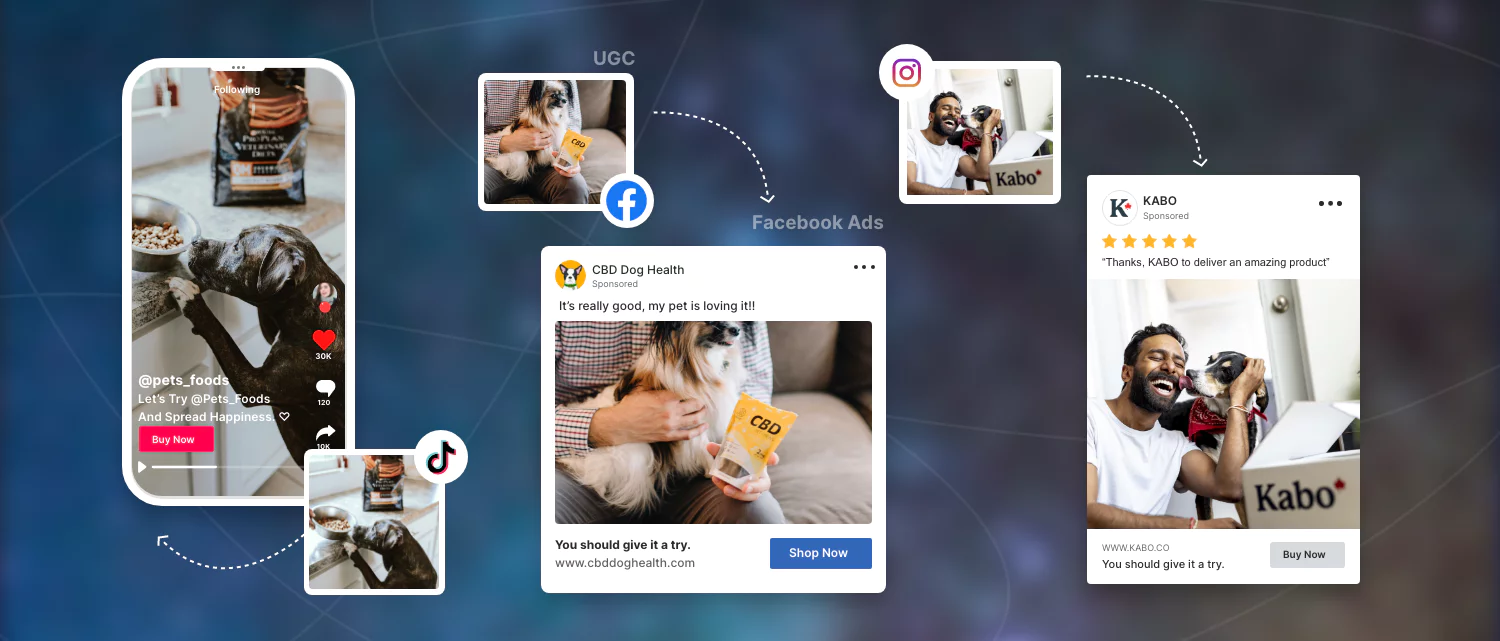
    Harness the power of user-generated content by repurposing customer reviews, testimonials, or social media mentions into promotional materials. Showcase authentic experiences and feedback from satisfied customers to build trust and credibility. Incorporate UGC into blog posts, case studies, or social media campaigns to amplify your brand’s voice and encourage community engagement.

    8. Turn Webinars or Live Sessions into On-Demand Content

    Repurpose webinars, live Q&A sessions, or workshops into on-demand content that can be accessed anytime. Convert recorded sessions into video tutorials, podcasts, or downloadable transcripts. Make on-demand content available on your website or through email newsletters to provide valuable resources to your audience and attract new leads through gated access.

    9. Share Content Across Multiple Platforms

    Distribute repurposed content across multiple channels and platforms to maximize reach and visibility. Share articles, videos, or infographics on social media channels, email newsletters, industry forums, and content syndication platforms. Adapt content for specific platform requirements and audience preferences to optimize engagement and increase organic discovery.

    10. Monitor Performance and Iterate

    Track the performance of repurposed content using analytics tools to evaluate engagement metrics, traffic sources, and conversion rates. Monitor which formats and platforms resonate most with your audience and iterate your content repurposing strategy accordingly. Fine-tune content distribution, timing, and messaging to maximize effectiveness and achieve your marketing goals.

    By leveraging these strategies for content repurposing, you can extend the lifespan of your content assets, amplify your brand’s reach, and drive sustained engagement with your target audience. Stay proactive in exploring new opportunities to repurpose existing content creatively and effectively across channels. Embrace the versatility of content repurposing as a cornerstone of your digital marketing strategy to achieve long-term success and ROI. Stay tuned for more insights and actionable tips to elevate your content marketing efforts and grow your online presence organically.
  • How to Create Engaging Content

    How to Create Engaging Content

    How to Create Engaging Content

    Creating content that resonates with your audience and drives meaningful engagement is key to building a strong online presence and achieving your marketing goals. Whether you’re a seasoned content creator or just starting out, mastering the art of producing engaging content can set you apart in a crowded digital landscape. Here are actionable strategies to help you craft compelling and captivating content that connects with your audience effectively.

    Engaging Content

    1. Understand Your Audience

    The foundation of creating engaging content begins with knowing your audience intimately. Conduct thorough audience research to identify their demographics, interests, preferences, and pain points. Use analytics tools, social media insights, and customer feedback to gain valuable insights into what motivates and engages your audience. Tailor your content to address their needs and deliver value that resonates with their interests.

    2. Tell Compelling Stories

    Storytelling is a powerful technique to capture attention and evoke emotions. Craft narratives that are authentic, relatable, and relevant to your audience’s experiences. Use storytelling elements such as characters, conflict, and resolution to create a captivating journey that keeps readers or viewers engaged from start to finish. Whether it’s through blog posts, videos, or social media updates, storytelling humanizes your brand and establishes a deeper connection with your audience.

    3. Focus on Quality and Relevance

    Quality content is essential for maintaining audience engagement and credibility. Prioritize creating content that is informative, well-researched, and adds unique perspectives or insights. Ensure your content is accurate, up-to-date, and addresses current trends or industry developments. Strive for clarity in your messaging and use language that resonates with your target audience’s level of knowledge and understanding.

    4. Use Visual Elements Effectively

    Visual content plays a crucial role in capturing attention and enhancing engagement. Incorporate eye-catching images, infographics, videos, and interactive elements into your content strategy. Visuals not only break up text but also convey information quickly and stimulate visual learners. Ensure your visuals are high-quality, relevant to your content, and optimized for different platforms to maximize reach and impact.

    5. Create Interactive Experiences

    Engage your audience actively through interactive content formats such as quizzes, polls, surveys, and contests. Interactive content encourages participation, fosters two-way communication, and provides valuable insights into audience preferences and behaviors. Encourage social sharing and user-generated content by inviting your audience to contribute their opinions, experiences, or creative responses.

    6. Optimize for Search Engines (SEO)

    Enhance the discoverability of your content by optimizing it for search engines. Conduct keyword research to identify relevant keywords and phrases that your audience is searching for. Integrate these keywords naturally into your headlines, subheadings, and body content while maintaining readability and relevance. Optimize meta descriptions, alt texts for images, and URL structures to improve organic search visibility and attract targeted traffic.

    7. Promote Engagement with Calls-to-Action (CTAs)

    Guide your audience towards desired actions with clear and compelling calls-to-action (CTAs). Whether it’s encouraging readers to comment, share, subscribe, or make a purchase, CTAs prompt engagement and facilitate conversions. Place CTAs strategically within your content, making them visible and enticing without being intrusive. Experiment with different CTAs to determine which prompts resonate best with your audience and align with your content goals.

    8. Encourage Discussion and Community Building

    Foster a sense of community and dialogue around your content by encouraging discussions and interactions among your audience. Pose thought-provoking questions, invite feedback, and respond promptly to comments and inquiries. Actively participate in conversations on social media, forums, and comment sections to nurture relationships with your audience and build a loyal following.

    9. Measure and Analyze Performance

    Track the performance of your content using analytics tools to gain insights into what resonates with your audience and drives engagement. Monitor metrics such as page views, bounce rates, average time on page, social shares, and conversion rates. Analyze which types of content perform best and replicate successful strategies while refining tactics for underperforming content. Use data-driven insights to continuously optimize your content strategy and enhance effectiveness.

    10. Stay Agile and Experiment

    The digital landscape is constantly evolving, so remain agile and open to experimentation with new content formats, topics, and distribution channels. Stay updated on industry trends, consumer behavior shifts, and platform updates that may impact your content strategy. Experiment with different approaches, monitor results, and adapt strategies based on feedback and performance metrics to stay ahead of competition and maintain audience engagement.

    Crafting engaging content requires creativity, strategic thinking, and a deep understanding of your audience’s preferences and behaviors. By implementing these strategies and continuously refining your approach, you can create content that captivates, inspires, and fosters lasting connections with your audience. Stay tuned for more insights and tips to elevate your content marketing efforts and achieve impactful results in today’s competitive digital landscape.

  • Effective Content Marketing Strategies

    Effective Content Marketing Strategies

    Effective Content Marketing Strategies

    In the digital age, content marketing has emerged as a cornerstone for businesses aiming to connect authentically with their audiences, build brand authority, and drive sustainable growth. Effective content marketing strategies not only attract prospects but also nurture them into loyal customers. Let’s explore key strategies to elevate your content marketing game and achieve meaningful results in today’s competitive landscape.

    Content Marketing

    1. Understanding Your Audience

    Effective content marketing begins with a deep understanding of your target audience. Conduct thorough research to identify their demographics, preferences, pain points, and behaviors. Utilize tools like Google Analytics, social media insights, and customer surveys to gather valuable data. By knowing your audience inside out, you can create content that resonates, engages, and addresses their specific needs and interests.

    2. Setting Clear Goals and Objectives

    Define clear and measurable goals for your content marketing efforts. Whether it’s increasing brand awareness, generating leads, driving website traffic, or boosting sales, setting specific objectives provides direction and allows you to track progress effectively. Align your content strategy with these goals to ensure every piece of content serves a purpose in achieving your overarching business objectives.

    3. Creating High-Quality, Valuable Content

    Quality is paramount in content marketing. Create content that is informative, relevant, and valuable to your audience. Offer solutions to their problems, answer their questions, and provide insights that position your brand as a trusted authority in your industry. Incorporate multimedia elements such as videos, infographics, and podcasts to cater to different learning preferences and enhance engagement.

    4. Implementing SEO Best Practices

    Optimize your content for search engines to improve discoverability and organic visibility. Conduct keyword research to identify relevant keywords and phrases that your audience is searching for. Integrate these keywords naturally into your content, including titles, headings, meta descriptions, and throughout the body. Focus on creating SEO-friendly content that not only ranks well but also delivers value to readers.

    5. Consistency in Publishing and Scheduling

    Consistency is key to maintaining audience engagement and building brand credibility. Develop a content calendar outlining topics, formats, and publishing schedules. Whether you choose to publish weekly blog posts, bi-weekly newsletters, or daily social media updates, stick to a regular cadence that keeps your audience informed and eager for more. Consistency reinforces your brand’s reliability and commitment to delivering valuable content.

    6. Promoting Your Content Effectively

    Creating great content is just the first step; promoting it effectively is equally important. Utilize various channels such as social media platforms, email newsletters, industry forums, and guest blogging opportunities to amplify your content’s reach. Tailor your promotional strategies to each platform and leverage paid advertising where appropriate to boost visibility and attract targeted traffic to your content.

    7. Engaging with Your Audience

    Engagement is the heartbeat of content marketing. Foster meaningful interactions with your audience by responding to comments, initiating discussions, and encouraging user-generated content. Actively monitor social media channels and engage in conversations related to your industry. Building a community around your brand enhances brand loyalty and establishes long-term relationships with your audience.

    8. Measuring and Analyzing Performance

    Monitor the performance of your content marketing efforts using relevant metrics and analytics tools. Track key metrics such as website traffic, engagement rates, conversion rates, and ROI. Analyze which types of content resonate most with your audience and adjust your strategy accordingly. Use data-driven insights to refine your approach, optimize underperforming content, and replicate successful tactics.

    9. Adopting a Multi-channel Approach

    Diversify your content distribution across multiple channels to reach a broader audience and maximize impact. Beyond your website and social media platforms, consider leveraging email marketing, influencer partnerships, industry publications, and content syndication networks. Adapt your content format and messaging to suit each channel’s unique audience and engagement dynamics for optimal results.

    10. Staying Agile and Evolving

    The digital landscape is constantly evolving, and so should your content marketing strategy. Stay informed about industry trends, consumer preferences, and technological advancements. Embrace experimentation and be willing to adapt your approach based on changing market dynamics and audience feedback. By staying agile and continuously evolving, you can maintain a competitive edge and drive sustained growth through content marketing.

    In essence, effective content marketing is a blend of strategy, creativity, and data-driven decision-making. By understanding your audience, setting clear goals, creating valuable content, and promoting it strategically, you can build a robust content marketing strategy that not only engages your audience but also drives tangible business results. Stay tuned for more insights and actionable tips to enhance your content marketing efforts and achieve lasting success.

  • Latest Trends in Digital Marketing

    Latest Trends in Digital Marketing

    Latest Trends in Digital Marketing

    In the fast-paced world of digital marketing, staying updated with the latest trends is not just a choice but a necessity. As we step into 2024, the landscape continues to evolve, presenting exciting opportunities for brands to connect with their audiences in innovative ways. Whether you’re a seasoned marketer or just starting, understanding these trends will be crucial for shaping your strategy this year.

    digital marketing

    1. Artificial Intelligence and Machine Learning

    AI and machine learning are no longer futuristic concepts but integral parts of digital marketing strategies. From personalized customer experiences to predictive analytics, AI is transforming how businesses understand and engage with their customers. Chatbots powered by AI are becoming smarter, providing instant customer support and driving conversions through personalized interactions.

    2. Voice Search Optimization

    With the rise of smart speakers and virtual assistants, optimizing for voice search has become imperative. Marketers need to focus on long-tail keywords and natural language queries that users are likely to speak rather than type. Voice search SEO requires a conversational tone and concise answers to frequently asked questions to enhance visibility in voice search results.

    3. Interactive Content

    Engaging content that encourages interaction is gaining traction. Interactive quizzes, polls, and 360-degree videos are captivating audiences by providing them with immersive experiences. Such content not only increases dwell time but also encourages social sharing, thereby amplifying brand reach and engagement.

    4. Social Commerce

    Social media platforms are evolving beyond mere networking sites into powerful e-commerce platforms. The integration of shopping features directly into social media feeds allows brands to shorten the conversion funnel by enabling users to purchase products without leaving the app. Influencer collaborations and shoppable posts are driving significant sales growth through social commerce.

    5. Privacy-First Marketing

    With increasing concerns about data privacy, consumers are demanding more transparency and control over their personal information. Marketers must prioritize privacy by implementing robust data protection measures and obtaining explicit consent for data usage. Brands that respect user privacy will build trust and loyalty, ultimately gaining a competitive edge in the market.

    6. Video Marketing Dominance

    Video content continues to reign supreme in digital marketing. Short-form videos on platforms like TikTok and Instagram Reels are capturing the attention of younger audiences, while live streaming is fostering real-time engagement with followers. Brands are leveraging video storytelling to convey their messages authentically and emotionally, thereby forging deeper connections with their target demographics.

    7. Augmented Reality (AR) Experiences

    AR is revolutionizing the way consumers experience products online. Brands are leveraging AR technology to allow customers to visualize products in their own environments before making a purchase decision. This immersive shopping experience not only enhances customer satisfaction but also reduces return rates by ensuring that customers know exactly what they are buying.

    8. Sustainability and Corporate Social Responsibility (CSR)

    Consumers are increasingly making purchasing decisions based on a brand’s commitment to sustainability and CSR initiatives. Digital marketing campaigns that highlight environmental stewardship and social responsibility resonate with eco-conscious consumers. Brands that align their values with those of their customers are building stronger brand loyalty and goodwill in the market.

    9. Personalization at Scale

    Hyper-personalization is becoming the cornerstone of effective digital marketing strategies. Leveraging data-driven insights, marketers can deliver highly relevant content and offers to individual customers across multiple touchpoints. Personalized emails, product recommendations, and tailored marketing messages enhance customer satisfaction and drive conversion rates.

    10. Blockchain Technology

    Blockchain is transforming digital marketing by enhancing transparency and security in advertising and customer data management. Decentralized platforms are enabling marketers to verify ad impressions, combat ad fraud, and ensure that data transactions are secure and tamper-proof. Blockchain-powered loyalty programs are also incentivizing customer engagement and fostering trust among participants.

    In conclusion, the landscape of digital marketing is continually evolving, driven by technological advancements and shifting consumer behaviors. By embracing these latest trends and integrating them into your marketing strategy, you can stay ahead of the competition and forge meaningful connections with your target audience in 2024 and beyond. Stay tuned as we delve deeper into each of these trends in future posts to provide you with actionable insights and strategies for success.

  • Trends in Facebook Paid Advertising for Enhanced Visibility

    Trends in Facebook Paid Advertising for Enhanced Visibility

    Trends in Facebook Paid Advertising for Enhanced Visibility

    Paid advertising on Facebook continues to evolve, offering marketers new opportunities to enhance visibility, reach targeted audiences, and achieve marketing objectives effectively. Staying abreast of the latest trends in Facebook paid advertising is crucial for maximizing ROI and staying competitive in the digital landscape. Discover the current trends shaping Facebook paid advertising and how you can leverage them to amplify your brand’s visibility and engagement.

    Paid Advertising

    1. Emphasis on Video Ads

    Video ads remain a dominant trend in Facebook paid advertising due to their ability to capture attention and convey messages effectively. Short-form videos, in particular, are gaining popularity for their engaging format that resonates with mobile users. Marketers should focus on creating compelling video content that is concise, visually appealing, and optimized for viewing on both desktop and mobile devices.

    2. Interactive Ad Formats

    Interactive ad formats, such as polls, quizzes, and playable ads, are becoming increasingly popular on Facebook. These formats encourage user engagement by inviting viewers to interact with the content actively. Marketers can leverage interactive ads to collect user feedback, gauge preferences, and increase time spent engaging with their brand’s messaging.

    3. Personalized Advertising

    Personalization continues to be a key trend in Facebook paid advertising, allowing marketers to tailor ad content based on user demographics, interests, and behaviors. Dynamic ads, which automatically personalize content based on user interactions with your website or app, are particularly effective in driving conversions and maximizing ad relevance.

    4. Story Ads

    Facebook Story ads have gained momentum as users increasingly engage with Stories across social media platforms. These vertical, full-screen ads appear seamlessly within users’ Stories feeds, offering a non-intrusive yet impactful way to reach audiences. Marketers can use Story ads to deliver timely promotions, behind-the-scenes content, or interactive experiences that resonate with users in a more authentic manner.

    5. Augmented Reality (AR) Ads

    Augmented Reality (AR) ads are transforming the advertising landscape on Facebook by allowing users to interact with virtual elements overlaid onto their real-world environment. Brands can create immersive experiences that showcase products, demonstrate features, or allow users to try on virtual versions of products before making a purchase. AR ads enhance engagement and provide a memorable brand experience that encourages conversions.

    6. Enhanced Targeting Options

    Facebook’s advanced targeting capabilities enable marketers to reach highly specific audience segments based on a wide range of criteria, including demographics, interests, behaviors, and even life events. Custom Audience targeting allows brands to retarget users who have previously interacted with their website, app, or Facebook content, maximizing ad relevancy and conversion rates.

    7. Integration with Messenger

    Advertising on Facebook Messenger offers brands a direct channel to engage with users in a more personalized and conversational manner. Messenger ads appear within users’ message threads, allowing brands to initiate conversations, provide customer support, and drive actions such as bookings or purchases seamlessly.

    Case Studies: Successful Implementation of Facebook Paid Advertising Trends

    Let’s explore examples of brands that have successfully leveraged current trends in Facebook paid advertising:

    • Adidas and Interactive Polls: Adidas used interactive polls in their Facebook ads to engage users and gather insights about customer preferences for new product releases. This interactive approach not only increased engagement but also provided valuable market research data.
    • IKEA and Augmented Reality Ads: IKEA implemented AR ads on Facebook that allowed users to visualize furniture in their own space using their smartphone camera. This innovative approach enhanced the shopping experience and drove higher conversion rates by reducing purchase uncertainty.

    Final Thoughts

    Understanding and leveraging current trends in Facebook paid advertising is essential for achieving visibility, engagement, and ROI. By embracing video ads, interactive formats, personalization, and emerging technologies like AR, brands can create impactful campaigns that resonate with their target audience and drive meaningful interactions.

    Stay tuned for more insights and practical tips on optimizing your Facebook advertising strategy to stay ahead of the curve. Start implementing these trends today to elevate your brand’s visibility and effectiveness in the competitive digital landscape. Let’s maximize your Facebook paid advertising efforts and achieve remarkable results together!

  • Incorporating Memes into Your Facebook Trend Marketing Strategy

    Incorporating Memes into Your Facebook Trend Marketing Strategy

    Incorporating Memes into Your Facebook Trend Marketing Strategy

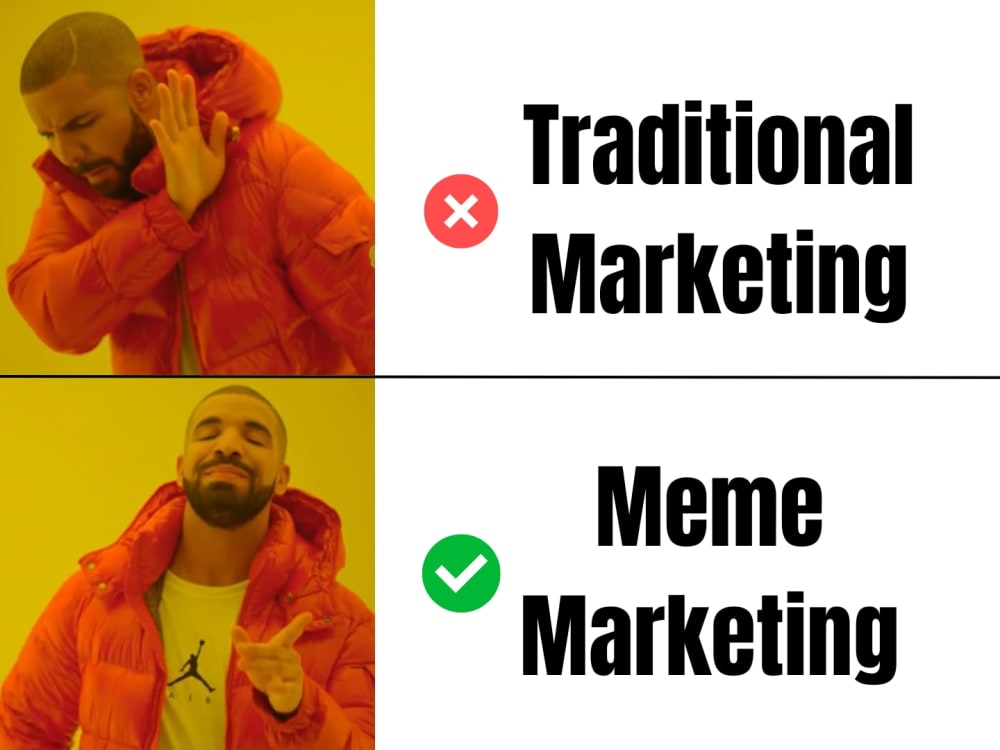
    Engaging with trending memes has become more than just a pastime on social media—it’s now a powerful tool for marketers to connect with audiences, boost engagement, and enhance brand visibility. On Facebook, where viral content spreads like wildfire, integrating memes into your trend marketing strategy can amplify your reach and resonate deeply with your target demographic. Explore how leveraging trending memes can elevate your Facebook marketing efforts and drive meaningful interactions.

    Memes

    The Power of Memes in Social Media Marketing

    Memes are cultural phenomena—humorous images, videos, or text that spread rapidly across the internet. They often encapsulate relatable experiences, current events, or pop culture references in a concise and shareable format. On Facebook, memes serve as a universal language, uniting users through humor, nostalgia, or social commentary. By tapping into meme culture, brands can humanize their presence, spark conversations, and foster community engagement in a way that feels authentic and relevant.

    Benefits of Using Memes in Facebook Marketing

    1. Instantaneous Engagement

    Memes are designed to capture attention quickly and elicit immediate reactions. Their humorous or relatable nature encourages likes, shares, and comments, driving high engagement rates on Facebook. By incorporating memes into your content strategy, you can increase visibility and extend your reach organically as users share content with their networks.

    2. Enhancing Brand Personality

    Memes allow brands to showcase their personality and connect with audiences on a more personal level. By participating in meme culture, brands can demonstrate a sense of humor, wit, or cultural awareness that resonates with their target demographic. This humanizes the brand and builds affinity among followers who appreciate the brand’s ability to stay current and relevant.

    3. Capitalizing on Viral Trends

    Memes often originate from viral trends, news events, or pop culture moments that capture widespread attention. By monitoring trending memes on Facebook, marketers can capitalize on these cultural touchpoints to create timely and impactful content. Aligning your brand message with popular memes can increase engagement and ensure your content remains relevant and shareable.

    Strategies for Incorporating Memes into Your Facebook Strategy

    1. Stay Relevant and Current

    Monitor trending memes and cultural references on Facebook to stay informed about what resonates with your audience. Incorporate memes that align with your brand’s tone and values, ensuring they enhance rather than detract from your message.

    2. Customize Memes for Brand Messaging

    Adapt popular memes to include your brand’s messaging, products, or services creatively. Incorporate branded elements such as logos, slogans, or hashtags to maintain brand visibility while participating in meme culture authentically.

    3. Foster Engagement Through User-Generated Memes

    Encourage your audience to create and share memes related to your brand or products. Host meme contests, challenges, or polls on Facebook to encourage user participation and generate user-generated content that amplifies brand awareness and engagement.

    4. Use Memes for Storytelling and Education

    Memes can be effective tools for storytelling or conveying educational messages in a lighthearted and memorable way. Use memes to simplify complex topics, illustrate product features, or share customer testimonials creatively on Facebook.

    Case Studies: Successful Use of Memes in Facebook Marketing

    Let’s explore how brands have successfully incorporated memes into their Facebook marketing strategies:

    • Netflix’s Memes for Show Promotion: Netflix uses memes related to their original shows and movies to create buzz and drive viewership on Facebook. By tapping into fan culture and humor, Netflix engages audiences and builds anticipation for new releases.
    • Oreo’s Timely Memes: Oreo consistently creates timely and relevant memes tied to current events, holidays, or cultural phenomena on Facebook. By aligning their content with trending topics, Oreo maintains relevance and encourages shares among followers.

    Final Thoughts

    Integrating memes into your Facebook trend marketing strategy can elevate your brand’s presence, foster community engagement, and increase viral potential. By embracing meme culture responsibly and authentically, brands can leverage humor and relatability to connect with audiences on a deeper level.

    Stay tuned for more insights and practical tips on optimizing your social media strategy with engaging content formats. Start exploring the world of memes today to unlock new opportunities for creativity, connection, and conversation on Facebook. Let’s make your brand’s Facebook presence meme-tastic!

  • Trending Content Formats on Facebook: Videos, Stories, and Beyond

    Trending Content Formats on Facebook: Videos, Stories, and Beyond

    Trending Content Formats on Facebook: Videos, Stories, and Beyond

    In the fast-paced realm of social media, staying updated with trending content formats is crucial for marketers aiming to maximize engagement and reach on platforms like Facebook. As user preferences evolve, so do the types of content that resonate most effectively. Explore the latest trends in content formats on Facebook, including videos, stories, and other innovative approaches that captivate audiences and drive meaningful interactions.

    Content Formats

    The Dominance of Video Content

    Video continues to reign supreme as the most engaging and impactful content format on Facebook. Whether it’s short-form clips, live streams, or longer narratives, videos have the power to capture attention, evoke emotions, and convey messages effectively. Marketers should leverage the visual and storytelling capabilities of video to create compelling content that resonates with their audience.

    Live Video Streaming

    Live video streaming has become immensely popular on Facebook, offering real-time interaction and authenticity. Brands can use live streams for product launches, behind-the-scenes glimpses, Q&A sessions, and interactive events to engage audiences directly and foster community engagement.

    Short-form Videos

    Short-form videos, such as those on Facebook Reels or TikTok-style clips, are gaining traction for their ability to deliver quick, entertaining content that is easily consumable on mobile devices. Marketers can utilize these formats to showcase products, share tips, or participate in viral challenges to boost visibility and engagement.

    Storytelling Through Video

    Storytelling remains a powerful strategy in video content, allowing brands to connect with audiences on a deeper level. By crafting narratives that resonate emotionally and align with brand values, marketers can create memorable experiences that drive affinity and loyalty among Facebook users.

    The Rise of Stories

    Facebook Stories have transformed how users share and consume content, offering a dynamic, ephemeral format that encourages frequent updates and real-time engagement. Marketers can leverage Stories to deliver timely announcements, exclusive offers, behind-the-scenes content, and interactive polls that foster immediate interaction and feedback from audiences.

    Interactive Features

    Stories on Facebook incorporate interactive features such as polls, quizzes, countdowns, and question stickers, enhancing user engagement and participation. Marketers can encourage audience interaction by prompting users to vote, answer questions, or share their opinions through these interactive elements.

    Vertical Video Format

    The vertical format of Stories is optimized for mobile viewing, providing a seamless and immersive experience for users scrolling through their feeds. Marketers should prioritize creating visually appealing and concise content that grabs attention quickly and delivers key messages effectively within the limited timeframe.

    Beyond Traditional Formats

    In addition to videos and Stories, innovative content formats are emerging on Facebook, catering to diverse audience preferences and behaviors. Marketers can experiment with:

    Carousel Posts

    Carousel posts allow brands to showcase multiple images or videos in a single, swipeable format. This interactive approach enables storytelling, product showcases, step-by-step guides, and sequential storytelling that keeps audiences engaged and encourages exploration.

    Augmented Reality (AR) Experiences

    AR filters and effects offer interactive and immersive experiences that engage users directly through their mobile devices. Brands can create branded AR filters for Facebook Stories or integrate AR features into product demonstrations, virtual try-ons, and interactive campaigns to enhance engagement and drive conversions.

    Long-form Content

    While shorter formats dominate, long-form content such as in-depth articles, tutorials, and thought leadership pieces still have a place on Facebook. Marketers can leverage long-form content to provide valuable insights, educate their audience, and establish authority in their industry.

    Case Studies: Success with Trending Content Formats on Facebook

    Let’s explore how brands have successfully utilized trending content formats on Facebook:

    • Dove’s Real Beauty Campaign: Dove’s video campaigns celebrating real beauty resonated deeply with audiences, leveraging emotional storytelling to drive engagement and advocacy on Facebook.
    • National Geographic’s Instagram Stories: National Geographic uses Instagram Stories to share stunning visuals and behind-the-scenes content, enhancing audience engagement and showcasing their commitment to exploration and conservation.

    Final Thoughts

    Staying ahead in the competitive landscape of Facebook requires marketers to embrace trending content formats that align with audience preferences and behaviors. By leveraging videos, Stories, and innovative content approaches effectively, brands can captivate audiences, foster meaningful connections, and achieve marketing objectives with impact.

    Stay tuned for more insights and practical tips on optimizing your Facebook strategy with trending content formats. Start exploring these dynamic formats today to elevate your brand’s presence, engagement, and influence on Facebook. Let’s innovate and captivate with trending content formats together!

  • Navigating Facebook Algorithm Changes for Trend Marketing

    Navigating Facebook Algorithm Changes for Trend Marketing

    Navigating Facebook Algorithm Changes for Trend Marketing

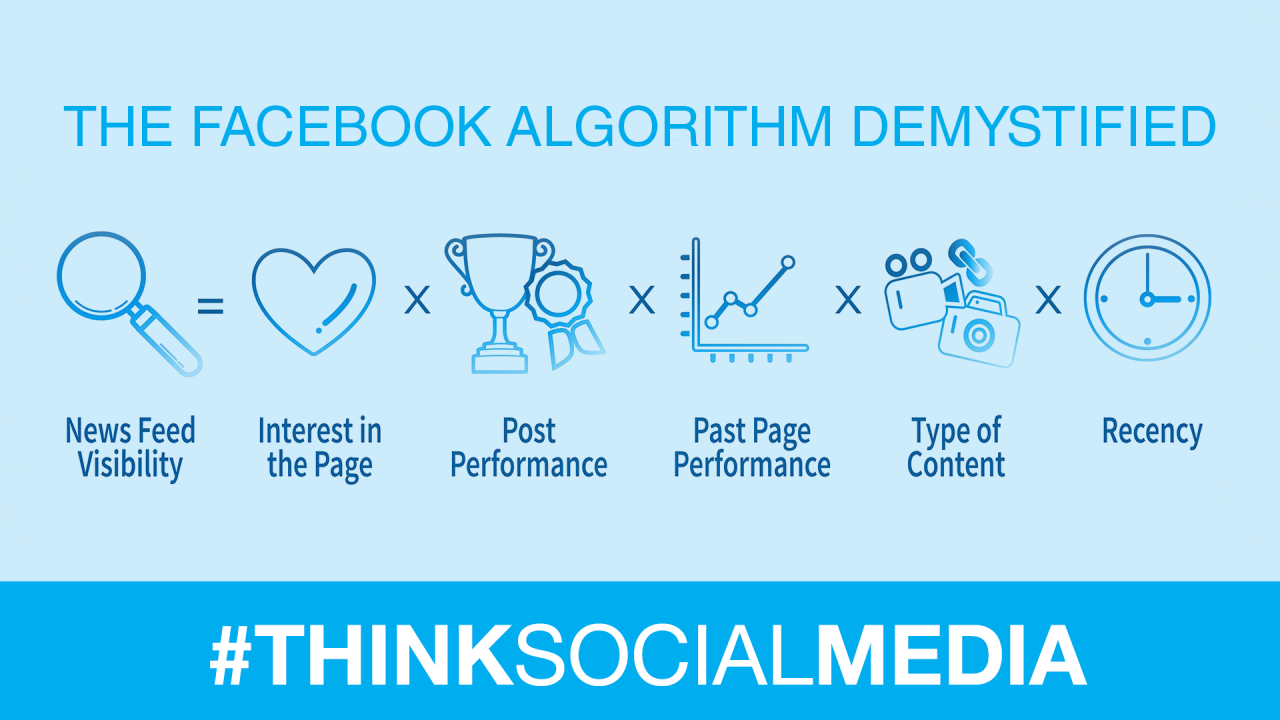
    The Facebook landscape is a constantly evolving beast. Algorithm updates can leave even the savviest marketers scratching their heads, wondering how to stay ahead of the curve. But fear not, trend-loving marketers! Here’s your guide to navigating Facebook algorithm changes and keeping your trend marketing strategy firing on all cylinders.

    Facebook Algorithm

    Understanding the Algorithm’s Evolving Appetite

    Gone are the days of mindless posting and expecting engagement. Facebook prioritizes content that sparks meaningful interactions – conversations, shares, and genuine connections. So, ditch the clickbait and focus on high-quality content that resonates with your audience and ignites conversation around trending topics.

    Relevance Reigns Supreme: Aligning Trends with Your Brand

    Not all trends are created equal. The key is to identify trends that naturally align with your brand voice and target audience’s interests. Don’t force a square peg in a round hole! For example, if you’re a fitness brand, a baking challenge might not be the best fit. Instead, look for trends that inspire fitness routines, healthy recipe creation, or challenges based on physical activity.

    The Power of Prediction: Anticipating Trends Before They Explode

    Staying ahead of the curve is crucial for maximizing the impact of your trend marketing. Become a social media sleuth! Follow industry publications, explore trending hashtags, and leverage social listening tools to uncover rising trends before they hit the mainstream. The earlier you spot a trend, the better you can strategize and create content that captures the initial wave of excitement.

    Embrace Flexibility: Adapting Your Strategy in Real-Time

    Remember, trends are like butterflies – beautiful but fleeting. Be prepared to adapt your approach as needed. Monitor popular hashtags and online conversations to see how trends are evolving. Don’t be afraid to adjust your content strategy based on real-time audience engagement. This agility ensures you stay relevant and keeps your audience interested throughout the lifespan of a trend.

    The Power of “See First”: Leveraging Facebook Groups & Communities

    Facebook groups and communities offer a treasure trove of trend insights. Join relevant groups, participate in discussions, and see what topics are sparking conversation. This allows you to identify potential trends early on and tailor your content strategy to resonate with existing communities.

    Collaboration is King: Partnering with Influencers

    Partnering with influencers in your niche can significantly amplify your reach and boost engagement with trending topics. Influencers have established audiences who might not be familiar with your brand. Their participation in your trend-based campaign can introduce you to new potential customers and add a layer of credibility to your content.

    Visual Storytelling is Key: Eye-Catching Content for Scrolling Thumbs

    People are bombarded with content on Facebook. Make your posts stand out with visually appealing content. Schedule infographics inspired by trending topics, create short videos that capture the essence of a challenge, or utilize eye-catching memes to grab attention and encourage interaction.

    Metrics Matter: Measuring Success and Identifying Areas for Improvement

    Don’t just throw content out there and hope for the best. Track your results! Facebook Insights offers valuable data on how your trend-based marketing efforts are performing. Analyze metrics like reach, engagement, and website traffic to see what resonates with your audience. Use this data to refine your strategy and identify areas for improvement in future campaigns.

    Embrace User-Generated Content: Empowering Your Audience

    Turn your audience into brand advocates! Encourage them to participate in trend-based content creation. Host contests or giveaways related to trending topics, and share user-generated content that aligns with your brand message. This empowers your audience and fuels the trend with fresh and exciting content, fostering a sense of community around your brand.

    By following these tips, you can navigate the ever-changing Facebook algorithm landscape and leverage trend marketing to connect with your audience in a meaningful way. Remember, staying informed, adapting your approach, and creating high-quality content are key to conquering Facebook’s algorithm and establishing your brand as a trendsetter!

  • Utilizing User-Generated Content in Facebook Trend Campaigns

    Utilizing User-Generated Content in Facebook Trend Campaigns

    Utilizing User-Generated Content in Facebook Trend Campaigns

    User-generated content (UGC) has revolutionized digital marketing, offering brands authentic, compelling material that resonates deeply with audiences. On Facebook, harnessing UGC in trend campaigns can amplify engagement, build community, and enhance brand credibility. Discover how leveraging user-generated content can elevate your Facebook trend campaigns, driving meaningful interactions and fostering brand advocacy.

    Content

    The Power of User-Generated Content

    User-generated content refers to any form of content—such as photos, videos, testimonials, reviews, or posts—created by consumers rather than brands themselves. It holds immense value because it showcases real-life experiences, genuine endorsements, and diverse perspectives. When integrated into Facebook trend campaigns, UGC becomes a potent tool for sparking conversations, increasing reach, and cultivating trust among your audience.

    Benefits of Incorporating User-Generated Content on Facebook

    1. Authenticity and Credibility

    UGC is perceived as more authentic and trustworthy than brand-generated content. By featuring real customers using your products or engaging with your brand, you demonstrate transparency and authenticity. This authenticity resonates with Facebook users, fostering deeper connections and enhancing brand credibility.

    2. Enhanced Engagement and Reach

    UGC often generates higher engagement rates compared to branded content. When customers share their experiences or participate in UGC campaigns on Facebook, they contribute to organic reach and virality. Their networks are more likely to engage with content that features familiar faces and authentic stories, thereby amplifying your campaign’s impact.

    3. Cost-Effective Content Creation

    Using UGC reduces the burden of creating content from scratch. Instead of investing in professional shoots or designs, brands can leverage content that already exists—created by passionate customers who willingly contribute their stories. This approach not only saves resources but also diversifies your content library with unique perspectives.

    4. Community Building and Advocacy

    UGC encourages community participation and fosters a sense of belonging among your audience on Facebook. When customers see their content featured by a brand, they feel valued and recognized, which strengthens brand loyalty. Additionally, UGC campaigns can turn satisfied customers into brand advocates who actively promote your products or services within their circles.

    Strategies for Effectively Using User-Generated Content in Facebook Trend Campaigns

    1. Create Clear Guidelines and Incentives

    Establish clear guidelines for UGC submissions that align with your brand’s values and campaign objectives. Provide incentives, such as contests, giveaways, or recognition, to encourage participation and motivate customers to share their stories on Facebook.

    2. Showcase Diverse Experiences and Stories

    Highlight a diverse range of customer experiences and stories through UGC. Celebrate different perspectives, use cases, and demographics to reflect the broad appeal and versatility of your products or services on Facebook. This inclusivity resonates with a wider audience and enhances relatability.

    3. Curate and Moderate Content Responsibly

    Curate UGC thoughtfully to ensure quality and relevance. Moderate submissions to maintain brand integrity and compliance with platform guidelines. Engage with contributors by liking, commenting, or sharing their content on Facebook, fostering a collaborative relationship.

    4. Integrate UGC into Campaign Messaging

    Integrate UGC seamlessly into your Facebook trend campaigns to reinforce key messages and campaign themes. Use compelling visuals, testimonials, or user stories to illustrate the benefits of your offerings and inspire action among your audience.

    Case Studies: Successful Utilization of User-Generated Content on Facebook

    Let’s explore examples of brands that have effectively utilized UGC in their Facebook campaigns:

    • GoPro’s #GoProChallenge: GoPro encourages customers to share their adventurous footage using the hashtag #GoProChallenge on Facebook. By showcasing breathtaking user-generated content, GoPro builds a community of outdoor enthusiasts and amplifies its brand’s adventurous spirit.
    • Starbucks’ #RedCupContest: Starbucks runs annual UGC contests on Facebook where customers submit creative photos featuring their iconic red holiday cups. This campaign not only generates buzz during the festive season but also fosters engagement and brand affinity among coffee lovers.

    Final Thoughts

    Incorporating user-generated content into your Facebook trend campaigns empowers your audience to become advocates and contributors to your brand narrative. By embracing authenticity, fostering engagement, and showcasing diverse perspectives, UGC enhances the impact of your campaigns on Facebook. Start leveraging UGC today to amplify your brand’s reach, foster community connections, and drive meaningful engagement.

    Stay tuned for more insights and practical tips on maximizing your Facebook marketing efforts with user-generated content. Let’s empower your audience to tell their stories and elevate your brand’s presence on Facebook with compelling UGC campaigns!

  • Insights into Facebook Trends: What Marketers Need to Know

    Insights into Facebook Trends: What Marketers Need to Know

    Insights into Facebook Trends: What Marketers Need to Know

    Understanding Facebook trend insights is crucial for marketers aiming to navigate the ever-evolving landscape of social media effectively. As one of the largest platforms globally, Facebook offers valuable data and trends that can inform strategic decisions, enhance engagement, and drive brand success. Dive into key insights into Facebook trends that every marketer should know to optimize their social media strategies and stay ahead of the curve.

    Marketers

    Why Facebook Trend Insights Matter

    Facebook trend insights provide marketers with actionable data and observations about user behavior, content preferences, and emerging trends within the platform. By leveraging these insights, marketers can tailor their strategies to resonate with their target audience, capitalize on trending topics, and achieve their marketing objectives more effectively.

    Key Insights into Facebook Trends

    1. Content Preferences and Formats

    Understanding what types of content perform best on Facebook is essential for maximizing engagement. Video content continues to dominate, with live videos and short-form videos gaining popularity. Visual posts, such as images and infographics, also attract attention and drive interactions. Marketers should prioritize creating visually compelling content that aligns with their audience’s preferences.

    2. Engagement Metrics and Audience Behavior

    Monitoring engagement metrics such as likes, comments, shares, and click-through rates provides valuable insights into audience behavior. High engagement rates indicate that your content resonates with your audience and encourages active participation. Analyzing these metrics helps marketers identify content that performs well and optimize future campaigns accordingly.

    3. Seasonal and Cultural Trends

    Tapping into seasonal events, holidays, and cultural moments can enhance brand relevance and visibility on Facebook. Marketers should align their content calendar with key dates and trending topics that resonate with their audience. By integrating these trends into their campaigns, brands can spark conversations, drive engagement, and strengthen brand affinity.

    4. Influencer Collaboration and User-Generated Content

    Influencer partnerships and user-generated content play a significant role in amplifying brand reach and credibility on Facebook. Collaborating with influencers who align with your brand values and target audience can help expand your reach and foster authentic connections. Encouraging user-generated content also builds community engagement and advocacy around your brand.

    5. Real-Time Marketing Opportunities

    Capitalizing on real-time marketing opportunities allows brands to join relevant conversations and increase visibility on Facebook. Monitoring trending topics, news events, and viral content enables marketers to create timely and impactful content that resonates with their audience. Agile and responsive strategies can lead to increased brand awareness and engagement.

    Strategies for Leveraging Facebook Trend Insights

    1. Data-Driven Decision Making

    Use Facebook Insights and analytics tools to gather actionable data and metrics. Analyze trends in audience demographics, engagement patterns, and content performance to inform strategic decisions and optimize marketing campaigns.

    2. Content Personalization and Targeting

    Personalize content based on Facebook trend insights to meet the specific interests and preferences of your audience segments. Leverage audience targeting features to deliver relevant content that resonates with different demographics and behaviors.

    3. Cross-Channel Integration

    Integrate Facebook trend insights with your broader marketing strategy across other digital channels. Align messaging, campaigns, and promotional efforts to ensure consistency and maximize reach and impact.

    4. Experimentation and Innovation

    Stay innovative by experimenting with new content formats, storytelling techniques, and engagement strategies on Facebook. Test different approaches based on trend insights to discover what resonates best with your audience and drives meaningful interactions.

    Case Studies: Successful Implementation of Facebook Trend Insights

    Let’s explore examples of brands that have successfully leveraged Facebook trend insights:

    • Airbnb’s #LiveThere Campaign: Airbnb capitalized on the trend of authentic travel experiences by launching the #LiveThere campaign. By aligning with the desire for immersive travel experiences, Airbnb generated widespread engagement and brand advocacy on Facebook.
    • Red Bull’s Extreme Sports Content: Red Bull consistently creates content around extreme sports and adventure, tapping into the trend of adrenaline-fueled activities. Their engaging videos and live streams resonate with their audience’s passion for action and excitement.

    Final Thoughts

    Harnessing Facebook trend insights empowers marketers to make informed decisions, optimize campaigns, and foster meaningful connections with their audience. By staying attuned to user behavior, emerging trends, and cultural shifts on Facebook, marketers can position their brands for sustained growth and success in the competitive digital landscape.

    Stay tuned for more insights and practical tips on leveraging Facebook trend insights to elevate your social media strategy. Start integrating these insights into your marketing efforts today to drive engagement, build brand loyalty, and achieve measurable results on Facebook. Let’s elevate your approach to Facebook marketing with strategic trend insights!