Category: Content Marketing

  • Understanding the Basics of Search Engine Algorithms

    Understanding the Basics of Search Engine Algorithms

    Understanding the Basics of Search Engine Algorithms

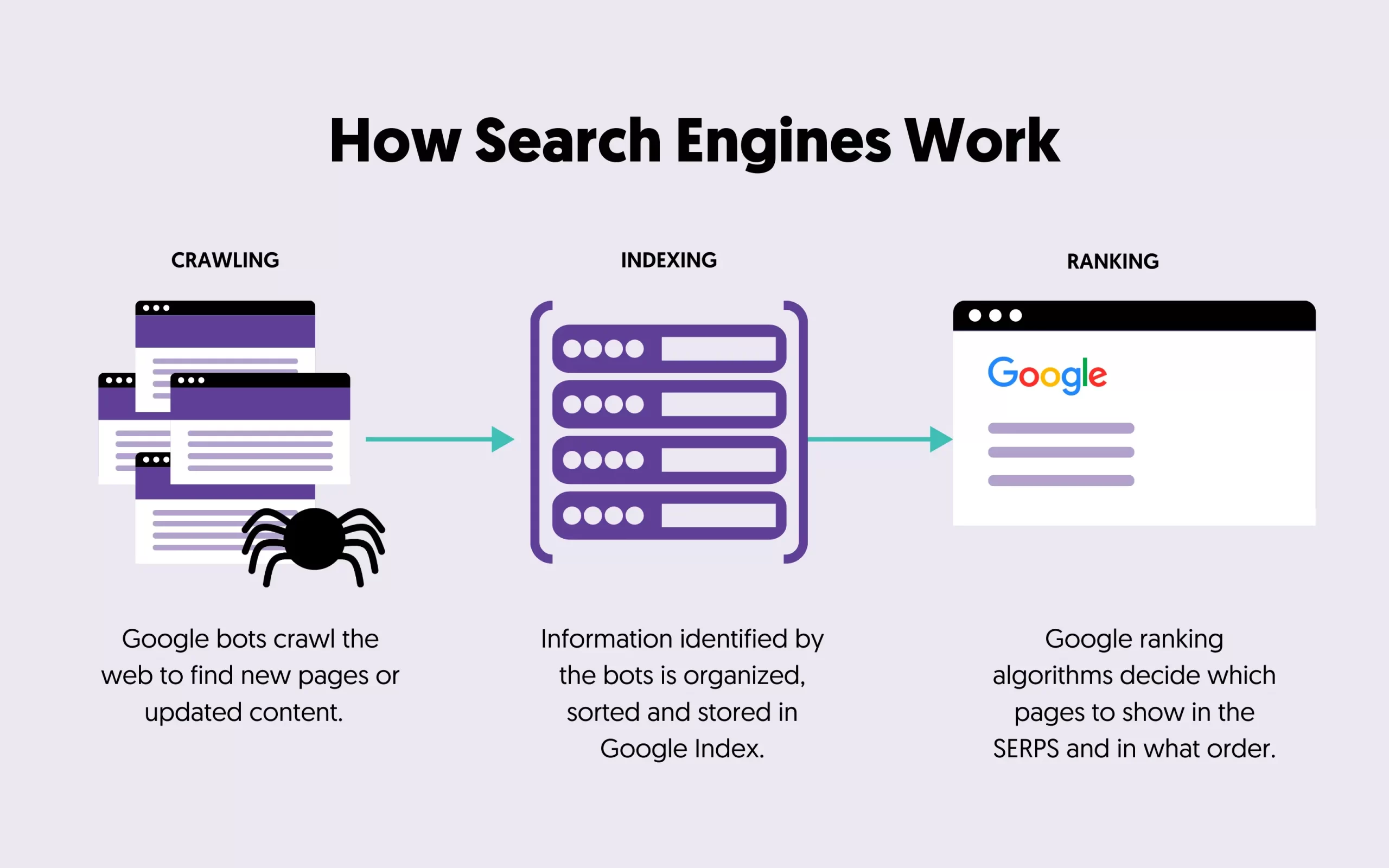
    In the rapidly evolving world of digital marketing, understanding Search Engine Algorithms is crucial for anyone aiming to boost their online presence. These algorithms are the secret sauce behind search engine results, determining which web pages appear at the top of search engine results pages (SERPs). As 2024 unfolds, grasping the basics of these algorithms can give you the edge you need to enhance your SEO strategy and drive more organic traffic. Let’s dive into the fundamentals of Search Engine Algorithms and how they influence your search engine ranking.

    Search Engine Algorithms


    1. What Are Search Engine Algorithms?

    At their core, Search Engine Algorithms are complex systems used by search engines like Google, Bing, and Yahoo to rank web pages in their search results. These algorithms evaluate numerous factors to decide which pages are most relevant and useful for a given query. They are designed to deliver the best possible user experience by providing the most pertinent results based on the search terms entered. Understanding these algorithms helps you optimize your content to align with what search engines are looking for.

    2. Key Components of Search Engine Algorithms

    Several key factors influence how Search Engine Algorithms rank pages:

    • Relevance: Algorithms assess how well your content matches the search query. This includes keyword relevance, but also the context and intent behind the search.
    • Quality: High-quality content that is informative, engaging, and well-researched tends to rank better. Algorithms prioritize content that offers value to users.
    • Authority: Search engines evaluate the credibility of your site based on factors such as backlinks from reputable sources and domain age. Authority signals that your content is trustworthy and reliable.
    • User Experience: Factors such as page load speed, mobile-friendliness, and site navigation impact your rankings. A seamless user experience is essential for good rankings.

    3. The Role of Keywords in Search Engine Algorithms

    Keywords have historically been a cornerstone of SEO, but their role has evolved with advances in Search Engine Algorithms. Modern algorithms focus on keyword intent rather than exact matches. This means that optimizing for contextually relevant keywords and providing comprehensive answers to user queries are more important than ever. Long-tail keywords and natural language processing (NLP) are becoming increasingly significant as algorithms strive to understand the nuances of user intent.

    4. The Importance of Quality Content

    Content quality is a major player in the ranking game. Search engines are designed to prioritize content that provides value to users. This means creating content that is not only relevant and well-written but also engaging and useful. High-quality content includes detailed information, clear structure, and unique insights that address the needs and questions of your audience. As algorithms become more sophisticated, they increasingly reward content that meets these high standards.

    5. Understanding Algorithm Updates

    Search engines frequently update their algorithms to improve search results and combat spam. These updates can significantly impact your site’s ranking, so staying informed about changes is crucial. Major updates, such as Google’s Panda, Penguin, and Hummingbird, have historically focused on content quality, link-building practices, and semantic search, respectively. Keeping up with these updates helps you adapt your SEO strategy and maintain strong search rankings.

    6. The Impact of User Engagement Metrics

    User engagement metrics such as click-through rate (CTR), bounce rate, and time on site play a role in how Search Engine Algorithms evaluate your content. If users click on your link and spend time engaging with your content, it signals to search engines that your page is relevant and valuable. Conversely, high bounce rates or low engagement can indicate to algorithms that your content may not be meeting user expectations.

    7. Mobile Optimization and Algorithm Performance

    As mobile search continues to grow, search engines have placed increased emphasis on mobile optimization. Search Engine Algorithms now consider mobile-friendliness as a critical ranking factor. This means that having a responsive design, fast-loading mobile pages, and easy-to-navigate interfaces is essential for maintaining strong rankings. Google’s mobile-first indexing, for example, primarily uses the mobile version of your site for indexing and ranking.

    8. Leveraging Backlinks for Authority

    Backlinks remain a powerful factor in SEO, reflecting the authority and credibility of your site. Search Engine Algorithms evaluate the quality and relevance of backlinks to determine how trustworthy your site is. Building a strong backlink profile from reputable sources can enhance your site’s authority and improve your rankings. However, it’s important to focus on natural, high-quality backlinks rather than engaging in manipulative link-building practices.

    9. The Future of Search Engine Algorithms

    Looking ahead, Search Engine Algorithms are likely to continue evolving with advancements in AI and machine learning. These technologies enable search engines to better understand user intent, context, and content quality. Voice search, visual search, and AI-driven personalization are expected to play increasingly prominent roles in how algorithms assess and rank content. Staying ahead of these trends and adapting your SEO strategy accordingly will be key to maintaining a competitive edge.

    Understanding Search Engine Algorithms provides valuable insights into how search engines determine rankings and how you can optimize your site to improve visibility. By focusing on relevance, quality, user experience, and staying updated with algorithm changes, you can enhance your SEO efforts and drive better results for your business. Embrace these fundamentals to navigate the ever-changing landscape of search engine optimization and achieve success in the digital world.

  • The Benefits of Using AI in Your Digital Marketing Strategy

    The Benefits of Using AI in Your Digital Marketing Strategy

    The Benefits of Using AI in Your Digital Marketing Strategy

    In 2024, AI in Digital Marketing is not just a futuristic concept—it’s a game-changer revolutionizing how brands engage with their audiences and drive growth. From personalized customer experiences to data-driven insights, AI offers a plethora of benefits that can elevate your marketing strategy to new heights. Here’s why incorporating AI in Digital Marketing should be a top priority for your business and how it can transform your approach.

    AI in Digital Marketing

    1. Hyper-Personalized Customer Experiences

    One of the standout benefits of AI in Digital Marketing is its ability to deliver hyper-personalized experiences. AI algorithms analyze vast amounts of customer data, including browsing behavior, purchase history, and social interactions, to create highly tailored content and recommendations. Imagine a user visiting your site and instantly receiving product suggestions based on their past behavior or even real-time adjustments to your offers based on their current browsing patterns. This level of personalization not only enhances user experience but also significantly boosts engagement and conversion rates.

    2. Enhanced Data Analysis and Insights

    AI excels at processing and analyzing large datasets quickly and accurately. With AI in Digital Marketing, you can uncover valuable insights from your data that would be challenging to identify manually. AI-driven analytics tools can track customer interactions, identify trends, and predict future behaviors. This deeper understanding of your audience allows you to make informed decisions, optimize your campaigns, and allocate your budget more effectively. By leveraging AI to analyze data, you gain a competitive edge and refine your marketing strategies based on actionable insights.

    3. Automated and Efficient Marketing Campaigns

    Automation is another significant advantage of AI in Digital Marketing. AI-powered tools can handle repetitive tasks such as email marketing, social media scheduling, and ad management with minimal human intervention. For example, AI can automatically send personalized email follow-ups based on user interactions or schedule social media posts at optimal times for maximum engagement. This automation not only saves time and resources but also ensures consistency and precision in your marketing efforts.

    4. Improved Customer Service with AI Chatbots

    AI chatbots are revolutionizing customer service by providing instant, round-the-clock support. These intelligent bots can handle a wide range of customer inquiries, from answering frequently asked questions to processing orders and resolving issues. With natural language processing (NLP) capabilities, AI chatbots offer human-like interactions that improve user satisfaction and streamline customer service operations. By integrating AI chatbots into your digital marketing strategy, you enhance customer support while freeing up valuable time for your team to focus on more complex tasks.

    5. Predictive Analytics for Smarter Marketing

    Predictive analytics powered by AI allows you to forecast future trends and behaviors based on historical data. By utilizing AI in Digital Marketing, you can anticipate customer needs, optimize your campaigns, and stay ahead of the competition. For example, AI can predict which products are likely to become popular, allowing you to adjust your inventory and marketing strategies accordingly. This proactive approach helps you make strategic decisions that drive growth and enhance your overall marketing effectiveness.

    6. Dynamic Content Creation

    Creating engaging and relevant content is essential for capturing your audience’s attention. AI tools can assist in generating dynamic content by analyzing user preferences and trending topics. For instance, AI can help you craft compelling headlines, create personalized product descriptions, and even generate social media posts that resonate with your target audience. By leveraging AI for content creation, you ensure that your messaging remains fresh, relevant, and aligned with your audience’s interests.

    7. Optimized Ad Targeting and Budget Management

    AI enhances the efficiency of your advertising efforts by optimizing ad targeting and budget allocation. AI algorithms can analyze user data to identify the most promising audience segments for your ads, ensuring that your campaigns reach the right people at the right time. Additionally, AI can automatically adjust your ad spend based on performance metrics, maximizing your return on investment. By utilizing AI for ad targeting and budget management, you can achieve better results while minimizing wasted spend.

    8. Enhanced SEO Strategies

    Search engine optimization (SEO) benefits significantly from AI in Digital Marketing. AI tools can analyze search patterns, keyword trends, and competitor strategies to help you refine your SEO approach. For example, AI can suggest high-performing keywords, identify content gaps, and provide insights into on-page and off-page SEO factors. By leveraging AI for SEO, you can improve your search engine rankings, drive more organic traffic, and enhance your online visibility.

    9. Advanced Customer Segmentation

    AI enables more advanced customer segmentation by analyzing a wide range of data points to categorize your audience into distinct groups. This segmentation allows for more targeted marketing efforts, with tailored messages and offers that resonate with each group. For example, AI can segment your audience based on purchasing behavior, engagement levels, or demographic information, allowing you to create highly relevant and personalized campaigns that drive higher engagement and conversions.

    Integrating AI in Digital Marketing into your strategy offers a host of benefits that can transform how you connect with your audience and drive business growth. From hyper-personalized experiences and efficient automation to advanced analytics and optimized ad targeting, AI empowers you to make data-driven decisions and enhance your marketing efforts. Embrace the power of AI to stay ahead in the competitive digital landscape and achieve impressive results.

  • How to Improve Your Website’s User Experience for Better Conversions

    How to Improve Your Website’s User Experience for Better Conversions

    How to Improve Your Website’s User Experience for Better Conversions

    In 2024, User Experience (UX) is more than just a buzzword—it’s a fundamental driver of business success. A seamless, intuitive UX can turn casual visitors into loyal customers, while a poor experience can drive potential leads away. If you’re looking to boost conversions and ensure that your website stands out, focusing on User Experience is essential. Here’s how you can enhance your website’s UX to captivate your audience and drive meaningful results.

    User Experience


    1. Prioritize Mobile Optimization

    With mobile devices accounting for a significant portion of web traffic, ensuring your site is mobile-friendly is crucial for a positive User Experience. Responsive design is no longer optional—it’s a must. Your website should automatically adjust to fit different screen sizes and orientations, providing a consistent experience across smartphones and tablets. Test your site’s mobile usability regularly to ensure that buttons are easy to tap, text is readable without zooming, and images load quickly. Mobile optimization improves usability and boosts conversion rates, as users are more likely to engage with a site that performs well on their devices.

    2. Streamline Navigation and Site Structure

    A well-organized website with intuitive navigation enhances User Experience and keeps visitors engaged. Simplify your menu structure and ensure that users can easily find what they’re looking for. Implement a clear hierarchy, with categories and subcategories that make sense and are easy to navigate. Use breadcrumbs to help users track their location on the site and provide a search bar for quick access to specific content. Streamlined navigation reduces frustration and helps users complete their goals more efficiently, increasing the likelihood of conversions.

    3. Optimize Page Speed and Performance

    Page speed is a critical factor in User Experience and conversion rates. Slow-loading pages can frustrate users and lead to higher bounce rates. Use tools like Google PageSpeed Insights or GTmetrix to analyze your site’s performance and identify areas for improvement. Compress images, leverage browser caching, and minimize HTTP requests to enhance loading times. A fast, responsive site keeps users engaged and reduces the chances of them abandoning your page due to long wait times.

    4. Enhance Visual Appeal with Clean Design

    Visual appeal plays a significant role in User Experience. A clean, modern design with ample white space helps users focus on your content and navigate your site more easily. Avoid cluttered layouts and overly complex designs that can overwhelm visitors. Use high-quality images, readable fonts, and consistent color schemes to create a visually pleasing experience. Engaging visuals and a cohesive design not only attract users but also encourage them to spend more time on your site, increasing the chances of conversion.

    5. Incorporate Clear and Compelling CTAs

    Calls to action (CTAs) are essential for guiding users toward desired actions, such as making a purchase or signing up for a newsletter. Your CTAs should be clear, compelling, and strategically placed throughout your site. Use action-oriented language and design buttons that stand out from the rest of the page. For example, instead of a generic “Submit” button, use “Get Your Free Quote” or “Start Your Free Trial.” Well-designed CTAs make it easy for users to take the next step, improving conversion rates and overall User Experience.

    6. Personalize the User Journey

    Personalization enhances User Experience by making interactions more relevant to individual users. Utilize data and insights to tailor content and recommendations based on user behavior, preferences, and demographics. Implement features like personalized product recommendations, location-based content, and customized offers. By providing a personalized experience, you show users that you understand their needs and preferences, which can increase engagement and conversion rates.

    7. Ensure Accessibility for All Users

    Accessibility is a critical aspect of User Experience that cannot be overlooked. Ensure your website is usable by all individuals, including those with disabilities. Follow accessibility guidelines such as the Web Content Accessibility Guidelines (WCAG) to make your site more inclusive. Implement features like alternative text for images, keyboard navigability, and screen reader compatibility. By creating an accessible site, you broaden your reach and demonstrate a commitment to serving all users, which can positively impact conversions and user satisfaction.

    8. Gather and Act on User Feedback

    Understanding how users interact with your site and gathering feedback is crucial for continuous improvement. Use tools like surveys, feedback forms, and user testing to collect insights on your site’s performance and user experience. Analyze this feedback to identify pain points and areas for enhancement. Regularly updating your website based on user input ensures that you’re addressing real issues and making informed decisions that improve User Experience and boost conversions.

    9. Simplify Forms and Checkout Processes

    Complicated forms and lengthy checkout processes can be major obstacles to conversion. Streamline your forms by minimizing required fields and offering autofill options. Ensure that your checkout process is straightforward, with clear steps and progress indicators. Offer multiple payment options and provide reassurance with trust badges and security information. A simplified, user-friendly process reduces friction and encourages users to complete their transactions, improving overall conversion rates.

    By focusing on these strategies to enhance User Experience, you can create a website that not only attracts visitors but also keeps them engaged and drives conversions. From optimizing for mobile and improving page speed to personalizing content and simplifying interactions, each element plays a crucial role in delivering a seamless, enjoyable experience for your users. Embrace these best practices to elevate your website’s performance and achieve greater success in today’s competitive digital landscape.

  • Why Every Business Needs a Strong Online Reputation Management Plan

    Why Every Business Needs a Strong Online Reputation Management Plan

    Why Every Business Needs a Strong Online Reputation Management Plan

    In the digital era of 2024, your Online Reputation Management (ORM) plan is more critical than ever. With the internet being the first stop for consumer research and feedback, managing your brand’s online presence is not just a necessity—it’s a strategic imperative. Here’s why having a robust Online Reputation Management plan is essential for every business and how it can drive success in today’s competitive landscape.

    Online Reputation Management


    1. Influence Consumer Trust and Buying Decisions

    Consumer trust is the cornerstone of brand success. In 2024, customers are more likely to trust online reviews and ratings than traditional advertising. A strong Online Reputation Management plan ensures that positive reviews and testimonials are highlighted, while any negative feedback is addressed promptly and professionally. By actively managing your online presence, you can influence consumer perceptions, build trust, and encourage potential customers to choose your brand over competitors.

    2. Mitigate the Impact of Negative Reviews

    No business is immune to negative feedback. However, how you handle these situations can make or break your brand’s reputation. An effective Online Reputation Management plan involves monitoring review sites, social media platforms, and forums where customers may voice their opinions. By promptly addressing complaints and resolving issues, you demonstrate your commitment to customer satisfaction and turn potential crises into opportunities for improvement. Quick, thoughtful responses to negative reviews can mitigate damage and often result in a more favorable outcome.

    3. Enhance Brand Visibility and SEO

    A well-managed online reputation positively impacts your brand’s visibility. Search engines prioritize businesses with positive reviews and active online engagement. By implementing an Online Reputation Management strategy that includes creating and promoting positive content, optimizing your online profiles, and engaging with your audience, you can improve your search engine rankings. This increased visibility helps attract more potential customers and drives organic traffic to your website.

    4. Build and Maintain a Strong Brand Image

    Your brand image is a vital aspect of your overall business strategy. A strong Online Reputation Management plan helps ensure that the image projected online aligns with your brand values and messaging. Consistent and positive online interactions, combined with well-curated content, reinforce your brand’s identity and build a strong, positive reputation. Whether through engaging social media posts, thought leadership articles, or customer success stories, maintaining a cohesive and professional brand image is key to long-term success.

    5. Leverage Positive Feedback for Growth

    Positive reviews and testimonials are powerful tools for growth. They act as social proof and can significantly influence potential customers. An effective Online Reputation Management plan involves actively encouraging satisfied customers to share their experiences and leveraging this feedback in your marketing efforts. Highlighting positive testimonials on your website and social media channels not only reinforces trust but also attracts new customers who are influenced by the experiences of others.

    6. Protect Your Brand During Crises

    In today’s digital age, information spreads rapidly, and a crisis can escalate quickly. A proactive Online Reputation Management plan includes crisis management strategies to protect your brand during challenging times. Having a response plan in place, including designated spokespersons and prepared messaging, allows you to address issues swiftly and effectively. By managing the narrative and communicating transparently, you can mitigate negative impacts and restore your brand’s reputation.

    7. Monitor Your Online Presence Continuously

    Effective Online Reputation Management requires constant vigilance. Implementing monitoring tools and setting up alerts for mentions of your brand across various platforms helps you stay informed about what is being said about your business. Regularly reviewing your online presence allows you to identify trends, address emerging issues, and engage with your audience proactively. Consistent monitoring ensures that you’re always aware of your brand’s online perception and can act swiftly to address any concerns.

    8. Foster Positive Customer Relationships

    Building strong relationships with your customers is at the heart of Online Reputation Management. Engaging with your audience, responding to their feedback, and showing appreciation for their support fosters a positive brand perception. Personal interactions, whether through social media, email, or online forums, create a sense of community and loyalty. By demonstrating that you value and listen to your customers, you enhance their overall experience and encourage continued positive engagement with your brand.

    9. Analyze and Adapt Your Strategy

    An effective Online Reputation Management plan is not static; it evolves based on performance and changing circumstances. Regularly analyzing your online reputation, reviewing feedback, and assessing the effectiveness of your strategies are crucial for ongoing success. Use data and insights to refine your approach, adapt to new trends, and stay ahead of potential issues. Continuous improvement ensures that your reputation management efforts remain effective and aligned with your business goals.

    Implementing a comprehensive Online Reputation Management plan is essential for navigating the digital landscape of 2024. By proactively managing your online presence, addressing feedback, and leveraging positive interactions, you can build a strong brand reputation, drive customer trust, and achieve long-term success. Stay vigilant, engage authentically, and continuously refine your strategy to stay ahead in the competitive online environment.

  • The Power of Video Marketing for Increasing Online Engagement

    The Power of Video Marketing for Increasing Online Engagement

    The Power of Video Marketing for Increasing Online Engagement

    In the fast-paced digital landscape of 2024, Video Marketing is not just a trend—it’s a powerhouse strategy for boosting online engagement and driving brand success. As users flock to video content on platforms like TikTok, Instagram Reels, and YouTube Shorts, integrating video into your marketing mix is essential for capturing attention and fostering deeper connections with your audience. Here’s how Video Marketing can elevate your online engagement and why it should be at the forefront of your strategy.

    Video Marketing

    1. Capture Attention with Compelling Visuals

    In an age where attention spans are shrinking, Video Marketing offers a dynamic way to capture and retain viewers’ attention. Videos combine visuals, sound, and motion to create compelling content that stands out in crowded feeds. Use eye-catching thumbnails and engaging intros to draw viewers in immediately. Whether it’s a high-energy promotional video, a captivating brand story, or an educational how-to, compelling visuals and engaging narratives ensure your message is noticed and remembered.

    2. Boost Engagement with Interactive Elements

    Interactive videos are transforming the way brands engage with their audience. Features like polls, quizzes, and clickable CTAs (calls to action) turn passive viewing into an interactive experience. Platforms like Instagram and YouTube offer built-in tools for adding interactive elements to your videos, making them more engaging and actionable. For instance, YouTube’s end screens and cards can drive viewers to other content or your website, while Instagram Stories’ polls and questions can directly involve your audience in the content creation process. These interactive features not only enhance engagement but also provide valuable insights into your audience’s preferences and behaviors.

    3. Enhance Storytelling with Authenticity

    Authenticity is a major factor in driving engagement, and Video Marketing excels at telling genuine stories. Share behind-the-scenes footage, customer testimonials, or real-life case studies to showcase the human side of your brand. Authentic content builds trust and fosters a stronger emotional connection with your audience. For example, a day-in-the-life video of your team or a behind-the-scenes look at your product development process can provide transparency and build credibility. Authentic storytelling resonates with viewers and encourages them to engage with your brand on a deeper level.

    4. Leverage User-Generated Content

    User-generated content (UGC) is a powerful form of social proof that can significantly boost your Video Marketing efforts. Encourage your customers to create and share videos featuring your products or services. UGC not only provides authentic endorsements from real users but also expands your reach as these videos are shared within their networks. Create branded challenges or contests to motivate users to participate and showcase their creativity. Featuring UGC in your marketing campaigns not only increases engagement but also builds a sense of community around your brand.

    5. Optimize for Mobile Viewing

    With the majority of video consumption happening on mobile devices, optimizing your video content for mobile viewing is crucial. Ensure that your videos are formatted correctly for different screen sizes and that they load quickly to avoid frustrating users. Use concise, impactful messaging and visually appealing elements that work well on smaller screens. Additionally, consider creating vertical or square videos for platforms like Instagram and TikTok, where these formats are more user-friendly. Mobile optimization enhances the viewing experience and increases the likelihood of higher engagement rates.

    6. Utilize Data Analytics for Continuous Improvement

    To maximize the impact of your Video Marketing efforts, leverage data analytics to monitor performance and gain insights. Track key metrics such as view counts, watch time, engagement rates, and click-through rates to evaluate the effectiveness of your videos. Use this data to understand what types of content resonate most with your audience and identify areas for improvement. For instance, if you notice that shorter, more dynamic videos have higher engagement, consider adjusting your content strategy accordingly. Data-driven insights enable you to refine your approach and continuously improve your video marketing strategy.

    7. Incorporate Trends and Challenges

    Staying on top of current trends and challenges can give your Video Marketing strategy an extra edge. Participate in popular challenges, use trending music or hashtags, and align your content with seasonal or viral trends to tap into broader conversations and increase visibility. Engaging with trends shows that your brand is current and relevant, which can attract a wider audience and boost engagement. However, ensure that any trends you participate in align with your brand values and messaging to maintain authenticity.

    8. Create Value-Driven Content

    Providing value through your video content is key to driving engagement. Focus on creating videos that educate, entertain, or solve problems for your audience. Tutorials, how-to guides, and expert insights are effective formats for delivering valuable information. By addressing your audience’s needs and interests, you position your brand as a helpful and knowledgeable resource. Value-driven content not only encourages viewers to engage but also fosters loyalty and positions your brand as a trusted authority in your industry.

    By integrating these strategies into your Video Marketing efforts, you can enhance online engagement and drive meaningful interactions with your audience. Embrace the power of compelling visuals, interactive elements, and authentic storytelling to captivate your viewers and create lasting connections. Optimize for mobile, leverage user-generated content, and stay agile with trends to keep your video content fresh and relevant. With a well-executed video marketing strategy, you can elevate your brand’s presence and achieve impressive results in the dynamic digital landscape of 2024.

  • How to Use Influencer Marketing to Boost Your Brand

    How to Use Influencer Marketing to Boost Your Brand

    How to Use Influencer Marketing to Boost Your Brand

    In the digital age of 2024, Influencer Marketing has emerged as a game-changer for brands looking to amplify their reach and connect with their target audience. With the power of social proof and the trust that influencers build with their followers, leveraging this marketing strategy can propel your brand to new heights. If you’re ready to harness the potential of Influencer Marketing to boost your brand, here’s how to make the most of this dynamic tool and drive impactful results.

    Influencer Marketing


    1. Identify the Right Influencers for Your Brand

    The first step in a successful Influencer Marketing campaign is finding influencers who align with your brand’s values and target audience. Start by defining your ideal influencer profile—consider factors such as their niche, audience demographics, engagement rates, and content style. Use influencer marketing platforms like AspireIQ, Traackr, or BuzzSumo to discover and evaluate potential influencers. Look for creators who genuinely resonate with your brand and whose followers align with your target market. Authenticity is key, so choose influencers who genuinely use and believe in your products or services.

    2. Build Authentic Relationships

    Influencer marketing thrives on authenticity and genuine connections. Rather than just sending a product and expecting a post, invest time in building a meaningful relationship with your chosen influencers. Engage with their content, participate in their community, and understand their values and interests. Personalize your outreach by explaining why you think they would be a great fit for your brand and how you envision the collaboration benefiting both parties. Building trust and rapport not only increases the likelihood of a successful partnership but also results in more authentic and engaging content.

    3. Set Clear Objectives and Expectations

    For a successful Influencer Marketing campaign, it’s crucial to set clear objectives and communicate them effectively. Define what you hope to achieve—whether it’s increasing brand awareness, driving website traffic, or boosting sales. Outline specific deliverables, such as the number of posts, story mentions, or video reviews. Be clear about your brand’s key messages and any compliance requirements, such as disclosure of sponsored content. Setting clear expectations ensures that both you and the influencer are aligned and helps in measuring the campaign’s success.

    4. Create Engaging and Shareable Content

    Collaborate with influencers to create content that resonates with their audience and aligns with your brand’s message. Allow influencers the creative freedom to showcase your product in a way that feels natural and engaging to their followers. Whether it’s an Instagram story, a YouTube review, or a blog post, the content should be compelling and authentic. Encourage influencers to use storytelling and personal experiences to make the content more relatable and shareable. High-quality, creative content not only captures attention but also drives higher engagement and fosters a positive brand image.

    5. Track Performance and Measure ROI

    To gauge the effectiveness of your Influencer Marketing efforts, it’s essential to track performance and measure ROI. Use analytics tools to monitor key metrics such as reach, engagement, referral traffic, and conversion rates. Most social media platforms offer built-in analytics for tracking post performance and audience interactions. Additionally, use unique tracking links or discount codes to attribute sales and conversions directly to the influencer campaign. Analyzing these metrics helps you understand what’s working, refine your strategy, and make data-driven decisions for future campaigns.

    6. Foster Long-Term Partnerships

    Building long-term relationships with influencers can yield ongoing benefits and strengthen your brand’s credibility. Consider partnering with influencers for multiple campaigns or creating ambassador programs that reward continued collaboration. Long-term partnerships allow influencers to become more familiar with your brand and convey a more genuine endorsement. It also builds a consistent narrative around your brand, enhancing credibility and fostering deeper connections with their audience.

    7. Stay Up-to-Date with Trends and Regulations

    The landscape of Influencer Marketing is constantly evolving, with new trends, platforms, and regulations emerging regularly. Stay informed about industry trends, such as shifts in influencer preferences or changes in social media algorithms, to keep your campaigns relevant and effective. Additionally, be aware of regulations regarding sponsored content and disclosure requirements to ensure compliance and maintain transparency with your audience. Adapting to these changes helps you stay ahead in the influencer marketing space and ensures your campaigns are both innovative and compliant.

    8. Leverage Micro-Influencers for Targeted Impact

    While working with major influencers can be beneficial, don’t overlook the power of micro-influencers—those with smaller but highly engaged audiences. Micro-influencers often have niche followings that can deliver targeted impact and foster stronger community connections. Their high engagement rates and perceived authenticity make them valuable partners for brands looking to reach specific demographics or local markets. Collaborating with micro-influencers can provide cost-effective and impactful results, often yielding higher engagement and conversion rates.

    By strategically implementing these tips, you can effectively leverage Influencer Marketing to enhance your brand’s visibility, credibility, and engagement. Embrace the power of influencer partnerships to create authentic connections with your audience and drive meaningful results for your brand. Whether you’re aiming to increase brand awareness, boost sales, or engage with new audiences, influencer marketing offers a dynamic and impactful approach to achieving your business goals.

  • 5 Tips for Successful Email Marketing Campaigns

    5 Tips for Successful Email Marketing Campaigns

    5 Tips for Successful Email Marketing Campaigns

    In the bustling digital landscape of 2024, Email Marketing remains a powerhouse for engaging customers and driving conversions. Despite the rise of new technologies and platforms, email continues to deliver impressive ROI and unparalleled reach. However, crafting successful email marketing campaigns requires more than just hitting the send button. Here are five cutting-edge tips to ensure your Email Marketing campaigns stand out, engage your audience, and achieve your goals.

    Email Marketing

    1. Personalize Beyond the Basics

    Personalization is no longer a trend—it’s a necessity. To truly connect with your audience, go beyond inserting the recipient’s name into the subject line. Leverage data to tailor your emails to individual preferences, behaviors, and past interactions. Segment your email list based on customer data such as purchase history, browsing behavior, or engagement levels. Use this information to craft personalized content that resonates with each segment. For instance, recommend products based on past purchases or send tailored offers on their birthdays. Advanced personalization creates a more engaging experience and increases the likelihood of conversions.

    2. Optimize for Mobile Devices

    With over half of all emails being opened on mobile devices, optimizing your Email Marketing campaigns for mobile is crucial. Ensure your emails are designed with responsive layouts that adjust seamlessly to different screen sizes. Keep your content concise and your call-to-action (CTA) buttons large and easily tappable. Mobile-friendly emails not only enhance user experience but also reduce bounce rates and increase click-through rates. Test your emails across various devices and email clients to ensure they display correctly and function smoothly.

    3. Craft Compelling Subject Lines

    Your email’s subject line is the first impression you make and plays a significant role in open rates. To capture attention and entice readers to open your email, craft compelling and curiosity-driven subject lines. Use action verbs and create a sense of urgency or exclusivity. Phrases like “Don’t Miss Out,” “Exclusive Offer,” or “Limited Time Only” can drive higher open rates. However, avoid clickbait or misleading subject lines, as they can lead to higher unsubscribe rates and damage your brand’s credibility. Test different subject lines to see which resonates best with your audience.

    4. Leverage Automation for Timely Engagement

    Email automation is a game-changer for delivering timely and relevant content to your audience. Set up automated workflows based on triggers such as abandoned carts, new sign-ups, or purchase anniversaries. For example, an abandoned cart email can remind customers of the items they left behind and offer a discount to encourage completion of the purchase. Automated welcome series for new subscribers can introduce them to your brand and provide valuable information. Automation not only saves time but also ensures that your messages reach customers at the right moment, increasing engagement and conversions.

    5. Analyze and Iterate Based on Data

    To refine your Email Marketing strategy and achieve better results, it’s essential to analyze performance data and make data-driven decisions. Track key metrics such as open rates, click-through rates, conversion rates, and unsubscribe rates to gauge the effectiveness of your campaigns. Use A/B testing to experiment with different elements like subject lines, email copy, and CTAs to determine what works best. Pay attention to customer feedback and behavior to continuously improve your content and targeting. Regular analysis helps you understand what resonates with your audience and adjust your strategy for optimal performance.

    By implementing these cutting-edge strategies, you can elevate your Email Marketing campaigns and drive meaningful engagement with your audience. From advanced personalization and mobile optimization to compelling subject lines and strategic automation, these tips will help you stay ahead in the competitive email marketing landscape. Keep refining your approach based on data and trends to maximize your campaign success and build stronger connections with your subscribers.

  • How to Build a Strong Brand Identity Online

    How to Build a Strong Brand Identity Online

    How to Build a Strong Brand Identity Online

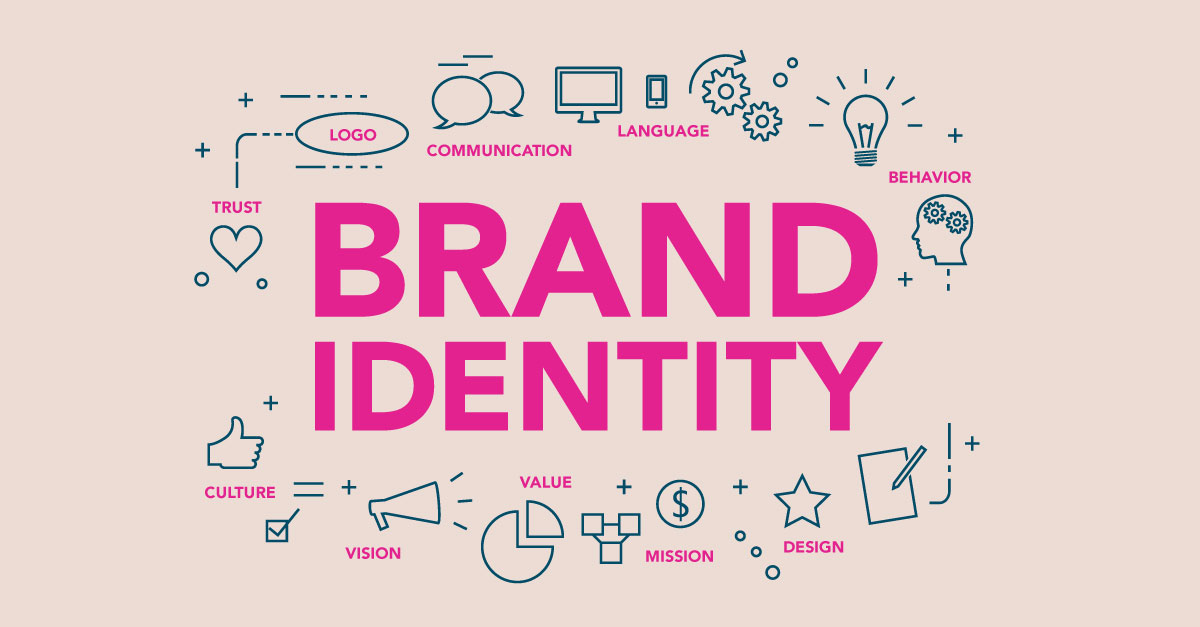
    In the ever-evolving digital marketplace of 2024, crafting a compelling Brand Identity is more crucial than ever. Your brand identity is more than just a logo or color scheme—it’s the essence of your business that resonates across all digital touchpoints. Establishing a robust Brand Identity online not only sets you apart from competitors but also builds trust and fosters deeper connections with your audience. Here’s how you can create a standout brand identity that shines in the crowded online space.

    Brand Identity

    1. Define Your Brand’s Core Values and Mission

    Before you dive into visual elements, it’s essential to articulate what your brand stands for. Define your core values, mission, and vision to form the foundation of your Brand Identity. This involves understanding what makes your brand unique and how you want to be perceived by your audience. Are you about innovation, sustainability, or exceptional customer service? Clearly defining these elements helps you build a brand identity that is authentic and meaningful.

    2. Develop a Memorable Visual Identity

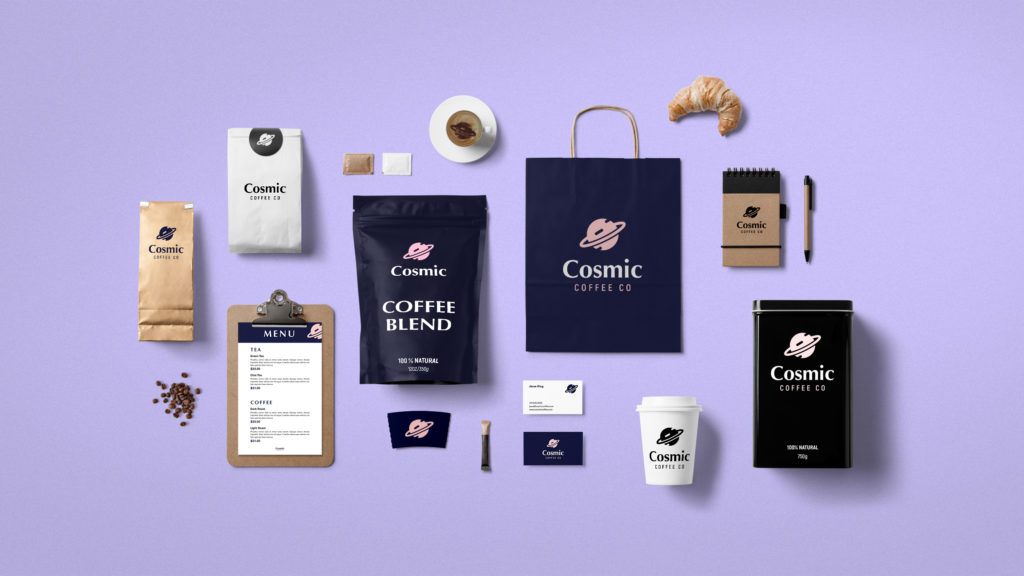
    Visual elements are the face of your Brand Identity. Design a logo that encapsulates your brand’s essence and is versatile enough to work across different mediums. Choose a color palette that reflects your brand’s personality—colors evoke emotions and can significantly influence how your brand is perceived. Additionally, select fonts and graphic styles that complement your brand’s tone and message. Consistency in visual elements across your website, social media, and marketing materials strengthens brand recognition and reinforces your identity.

    3. Craft a Unique Brand Voice and Tone

    Your brand’s voice and tone are key components of your Brand Identity that shape how you communicate with your audience. Determine whether your brand’s voice is formal, casual, playful, or authoritative. This voice should be consistent across all written content, from website copy and blog posts to social media updates and email newsletters. A distinct brand voice helps your audience connect with your brand on a personal level and makes your communications more memorable.

    4. Create Engaging and Consistent Content

    Content is a powerful tool for reinforcing your Brand Identity. Develop a content strategy that aligns with your brand’s values and appeals to your target audience. Whether you’re creating blog posts, social media content, videos, or infographics, ensure that your content reflects your brand’s personality and message. Consistency in content style and messaging across all channels helps build a cohesive brand identity that resonates with your audience and establishes your authority in your industry.

    5. Leverage Social Media to Build Your Brand

    Social media platforms are essential for building and maintaining a strong Brand Identity online. Choose platforms that align with your target audience and industry, and use them to share your brand’s story, values, and updates. Engage with your audience through interactive posts, stories, and live sessions to build relationships and foster a sense of community. Consistent branding across social media profiles, including your visual elements and brand voice, ensures that your brand identity remains cohesive and recognizable.

    6. Utilize Customer Feedback and Reviews

    Customer feedback and reviews are valuable assets for shaping and reinforcing your Brand Identity. Encourage satisfied customers to share their experiences and feature their testimonials on your website and social media. Positive reviews not only build credibility but also provide social proof that reinforces your brand’s reputation. Addressing negative feedback professionally and promptly shows that you value customer opinions and are committed to improving their experience, further strengthening your brand identity.

    7. Implement a Strong Brand Storytelling Strategy

    Brand storytelling is a powerful way to convey your Brand Identity and connect emotionally with your audience. Craft and share compelling stories about your brand’s origins, mission, and values. Highlight real-life examples of how your products or services have made a difference in your customers’ lives. Engaging stories create a memorable brand narrative that resonates with your audience, builds emotional connections, and differentiates your brand from the competition.

    8. Ensure a Seamless User Experience

    Your website and digital platforms should reflect your Brand Identity through a seamless and user-friendly experience. Optimize your website for easy navigation, fast loading times, and mobile compatibility. Ensure that your brand’s visual elements and messaging are consistent across all pages and interactions. A positive user experience reinforces your brand’s reliability and professionalism, making visitors more likely to trust and engage with your brand.

    9. Monitor and Adapt Your Brand Identity

    Building a strong Brand Identity is an ongoing process that requires monitoring and adaptation. Use analytics tools to track how your brand is perceived online and how well your brand identity resonates with your audience. Pay attention to trends, customer feedback, and competitor strategies to refine and evolve your brand identity as needed. Staying agile and responsive to changes ensures that your brand remains relevant and continues to connect with your audience effectively.

    10. Collaborate with Influencers and Partners

    Influencers and brand partnerships can amplify your Brand Identity and reach new audiences. Choose collaborators whose values and image align with your brand, and work together on campaigns that highlight your brand’s unique qualities. Influencer endorsements and joint ventures can enhance your brand’s credibility and expand your visibility, helping to build a stronger brand identity and connect with potential customers.

    Building a robust Brand Identity online is a dynamic and multifaceted endeavor that requires attention to detail and strategic execution. By focusing on these key areas, you can create a compelling brand presence that resonates with your audience and stands out in the digital landscape. Embrace these strategies to shape a distinctive and memorable brand identity that drives engagement and fosters lasting connections with your audience.

  • The Importance of a Mobile-Friendly Website for Your Business

    The Importance of a Mobile-Friendly Website for Your Business

    The Importance of a Mobile-Friendly Website for Your Business

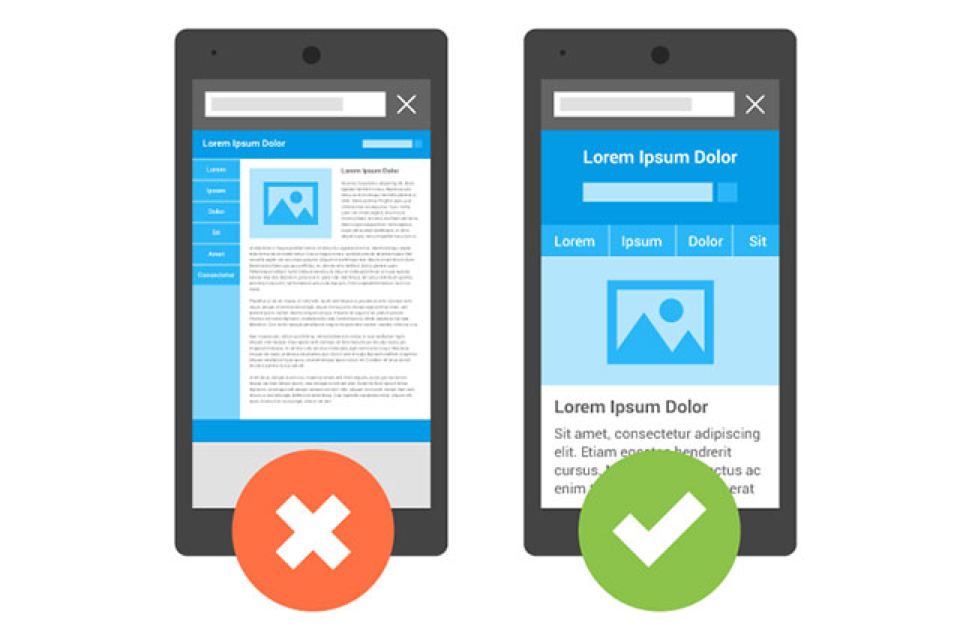
    In today’s fast-paced digital world, a Mobile-Friendly Website is no longer just a nice-to-have—it’s essential. With mobile internet usage surpassing desktop, having a website that caters to mobile users is crucial for maintaining competitiveness and driving business success. If your site isn’t optimized for mobile, you could be missing out on a significant chunk of your audience. Here’s why a Mobile-Friendly Website is a game-changer for your business and how it can positively impact your bottom line.

    Mobile-Friendly Website


    1. Capture the Growing Mobile User Base

    The rise of smartphones and tablets has led to a surge in mobile browsing. According to recent studies, more than 50% of global website traffic now comes from mobile devices. This trend is particularly strong among younger demographics, who rely heavily on their phones for browsing and shopping. By ensuring your website is mobile-friendly, you capture this vast and growing audience, providing them with a seamless browsing experience that meets their expectations.

    2. Improve User Experience and Engagement

    A Mobile-Friendly Website ensures a smooth and enjoyable user experience, which is crucial for keeping visitors engaged. Mobile optimization involves more than just resizing images and text; it includes making navigation intuitive, buttons easy to click, and content easily readable on smaller screens. A positive mobile experience reduces bounce rates and encourages users to spend more time on your site, increasing the likelihood of conversions and repeat visits.

    3. Boost Your Search Engine Rankings

    Search engines like Google prioritize mobile-friendly websites in their rankings, especially since they introduced mobile-first indexing. This means Google predominantly uses the mobile version of your site to determine rankings. A Mobile-Friendly Website is not only favored by search engines but also ensures that you are visible to users searching on mobile devices. By optimizing your site for mobile, you improve your chances of ranking higher in search results, driving more organic traffic to your site.

    4. Enhance Local SEO and Visibility

    For businesses that rely on local customers, having a Mobile-Friendly Website can significantly impact your local SEO efforts. Mobile users frequently search for nearby businesses and services while on the go. A mobile-optimized site ensures that local searches lead to a positive user experience, increasing the likelihood of visits to your physical location. Features like click-to-call buttons and easy-to-find contact information also enhance your site’s functionality for local searches.

    5. Increase Conversion Rates

    A seamless mobile experience directly influences conversion rates. Mobile users are more likely to complete transactions or sign up for services when they can easily navigate your site and access essential features. A Mobile-Friendly Website reduces friction in the conversion process, leading to higher sales, more leads, and greater customer satisfaction. Whether it’s through a streamlined checkout process or an accessible contact form, optimizing for mobile can significantly boost your conversion rates.

    6. Adapt to User Behavior Trends

    Mobile devices have changed how users interact with websites, leading to a shift in behavior and expectations. Users now expect fast loading times, easy navigation, and instant access to information. A Mobile-Friendly Website aligns with these new behaviors, ensuring that your site meets user expectations and keeps up with the latest trends. By adapting to these trends, you stay relevant and provide a modern, user-centric experience that resonates with your audience.

    7. Reduce Bounce Rates and Increase Retention

    A website that isn’t optimized for mobile can frustrate users, leading to high bounce rates and a loss of potential customers. If users have trouble navigating your site or accessing content on their mobile devices, they are likely to leave and turn to your competitors. A Mobile-Friendly Website minimizes these issues, improving user satisfaction and retention. By delivering a smooth mobile experience, you encourage visitors to stay longer and return more frequently.

    8. Stay Ahead of Competitors

    In a competitive market, having a Mobile-Friendly Website can set you apart from competitors who haven’t yet embraced mobile optimization. Consumers are increasingly prioritizing convenience and accessibility, and a mobile-optimized site demonstrates that your business values these factors. By offering a superior mobile experience, you not only attract more customers but also build a reputation as a forward-thinking and customer-focused business.

    9. Future-Proof Your Website

    As technology continues to evolve, mobile optimization is becoming more critical. Investing in a Mobile-Friendly Website ensures that you are prepared for future advancements and changes in user behavior. Responsive design and mobile-first strategies will keep your site adaptable to new devices and screen sizes, ensuring long-term relevance and functionality. Future-proofing your website helps you stay ahead of technological trends and maintain a competitive edge.

    10. Improve Load Times and Performance

    Mobile optimization goes hand-in-hand with improving site speed and performance. Mobile users are often on slower or less reliable connections, making fast load times essential for a positive user experience. A Mobile-Friendly Website typically includes performance optimizations such as compressed images, streamlined code, and faster server responses. These enhancements not only improve user satisfaction but also contribute to better SEO rankings and reduced bounce rates.

    By prioritizing a Mobile-Friendly Website, you position your business to thrive in today’s mobile-driven world. Embrace mobile optimization to capture a larger audience, enhance user experience, and stay ahead in the competitive digital landscape.

  • Maximizing ROI with Effective Pay-Per-Click Campaigns

    Maximizing ROI with Effective Pay-Per-Click Campaigns

    Maximizing ROI with Effective Pay-Per-Click Campaigns

    In the digital marketing realm of 2024, Pay-Per-Click Campaigns (PPC) continue to be a powerful tool for driving targeted traffic and achieving quick results. But with the ever-increasing competition and rising ad costs, maximizing ROI from PPC campaigns is more crucial than ever. If you’re looking to get the most bang for your buck and ensure that every dollar spent contributes to your business goals, here’s how you can optimize your PPC campaigns for maximum ROI.

    Pay-Per-Click Campaigns

    1. Define Clear and Measurable Goals

    The foundation of any successful Pay-Per-Click Campaign is setting clear, measurable goals. Whether you aim to increase website traffic, generate leads, or drive sales, defining these objectives helps you tailor your campaign strategy effectively. Use SMART goals (Specific, Measurable, Achievable, Relevant, Time-bound) to ensure that your PPC efforts are aligned with your overall marketing strategy and business objectives. This clarity allows for better tracking and optimization of your campaign’s performance.

    2. Conduct Thorough Keyword Research

    Keyword research is the cornerstone of effective Pay-Per-Click Campaigns. Identifying the right keywords ensures that your ads reach the most relevant audience. Utilize tools like Google Keyword Planner, SEMrush, or Ahrefs to discover high-performing keywords that align with your business. Focus on long-tail keywords for more precise targeting and less competition. These keywords often have higher conversion rates and lower costs per click, contributing to a higher ROI.

    3. Craft Compelling Ad Copy

    Your ad copy is your first impression, so make it count. Craft compelling, attention-grabbing headlines and descriptions that speak directly to your target audience’s needs and desires. Highlight unique selling points, include strong calls-to-action (CTAs), and ensure that your copy is aligned with the keywords you’re targeting. Testing different ad variations through A/B testing can help you determine which messages resonate best with your audience and drive higher engagement.

    4. Optimize Landing Pages for Conversions

    Driving traffic to your site is just the beginning; converting that traffic is where ROI is truly realized. Ensure that your landing pages are optimized for conversions with clear CTAs, relevant content, and a user-friendly design. Your landing page should provide a seamless experience that aligns with the promise made in your ad. Optimize page load speed, simplify forms, and include trust signals like customer reviews and security badges to improve conversion rates and maximize your PPC ROI.

    5. Implement Ad Extensions

    Ad extensions are a powerful feature in Pay-Per-Click Campaigns that enhance the visibility and effectiveness of your ads. Utilize various ad extensions such as site links, callouts, and structured snippets to provide additional information and entice users to click. For instance, adding a site link extension can direct users to specific pages on your website, while call extensions enable potential customers to reach you directly with a single click. These extensions not only improve ad performance but also increase your ad’s real estate on search results pages.

    6. Monitor and Adjust Bids Strategically

    Effective bid management is crucial for maximizing ROI. Regularly monitor your bids and adjust them based on keyword performance, competition, and budget constraints. Utilize automated bidding strategies like Target CPA (Cost Per Acquisition) or Enhanced CPC (Cost Per Click) to optimize bids and maximize conversions. Be vigilant about bid adjustments for high-performing keywords and reduce spend on underperforming ones to ensure that your budget is allocated efficiently.

    7. Leverage Negative Keywords

    Negative keywords are an essential tool for refining your PPC campaigns and avoiding wasted spend. By excluding irrelevant keywords that do not align with your business, you ensure that your ads are only shown to users who are likely to convert. Regularly review search term reports to identify and add negative keywords, preventing your ads from appearing in irrelevant searches and improving your overall campaign efficiency.

    8. Utilize Remarketing Strategies

    Remarketing is a powerful technique in Pay-Per-Click Campaigns that targets users who have previously interacted with your site but did not convert. By displaying tailored ads to these users, you keep your brand top-of-mind and encourage them to return and complete their purchase. Create segmented remarketing lists based on user behavior and customize your ads to address their specific interests and actions, thereby increasing the chances of conversion and boosting your ROI.

    9. Analyze Performance Metrics Regularly

    Data analysis is key to optimizing PPC campaigns and maximizing ROI. Regularly review performance metrics such as click-through rates (CTR), conversion rates, and cost-per-acquisition (CPA) to gauge the effectiveness of your campaigns. Use analytics tools to track these metrics and identify trends, opportunities, and areas for improvement. By continuously analyzing and interpreting data, you can make informed decisions and adjust your strategy to enhance campaign performance.

    10. Stay Updated with PPC Trends and Best Practices

    The digital advertising landscape is constantly evolving, and staying updated with the latest PPC trends and best practices is essential for maintaining a competitive edge. Follow industry blogs, attend webinars, and engage with PPC communities to keep abreast of new developments and techniques. Implementing the latest innovations and strategies will help you stay ahead of the competition and ensure that your Pay-Per-Click Campaigns remain effective and efficient.

    By strategically implementing these tactics, you can enhance the performance of your Pay-Per-Click Campaigns, drive higher ROI, and achieve your marketing goals. Embrace these approaches to ensure that every dollar you invest in PPC delivers maximum value and contributes to your business’s success.